Male Pseudohermaphroditism with GynecomastiaSymptoms, Doctors, Treatments, Advances & More
Learn About Male Pseudohermaphroditism with Gynecomastia
17-beta hydroxysteroid dehydrogenase 3 deficiency is a condition that affects male sexual development. People with this condition are genetically male, with one X and one Y chromosome in each cell, and they have male gonads (testes). Their bodies, however, do not produce enough of a male sex hormone (androgen) called testosterone. Testosterone has a critical role in male sexual development, and a shortage of this hormone disrupts the formation of the external sex organs before birth.
Mutations in the HSD17B3 gene cause 17-beta hydroxysteroid dehydrogenase 3 deficiency. The HSD17B3 gene provides instructions for making an enzyme called 17-beta hydroxysteroid dehydrogenase 3. This enzyme is active in the testes, where it helps to produce testosterone from a weaker precursor androgen called androstenedione.
17-beta hydroxysteroid dehydrogenase 3 deficiency is a rare disorder. Researchers have estimated that this condition occurs in approximately 1 in 147,000 newborns. It is more common in the Arab population of Gaza, where it affects 1 in 200 to 300 people.
This condition is inherited in an autosomal recessive pattern, which means both copies of the gene in each cell have mutations. The parents of an individual with an autosomal recessive condition each carry one copy of the mutated gene, but they typically do not show signs and symptoms of the condition. Individuals who are genetically male and have two copies of a mutated gene in each cell are affected by 17-beta hydroxysteroid dehydrogenase 3 deficiency. People with two mutations who are genetically female do not usually experience any signs and symptoms of this disorder.

Unity Urology PC
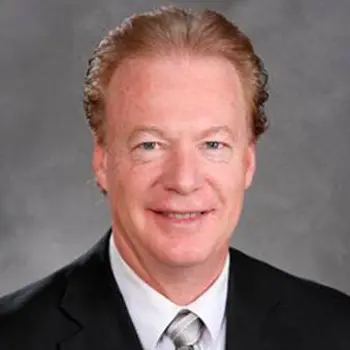
Jason Carter is a Urologist practicing medicine in Greeneville, Tennessee. Dr. Carter is rated as a Distinguished provider by MediFind in the treatment of Male Pseudohermaphroditism with Gynecomastia. He is also highly rated in 44 other conditions, according to our data. His clinical expertise encompasses Enlarged Prostate (BPH), UPJ Obstruction, Urinary Tract Infection in Children, Ureteroscopy, and Prostatectomy. Dr. Carter is board certified in American Board Of Urology.
Advocate Medical Group Urology
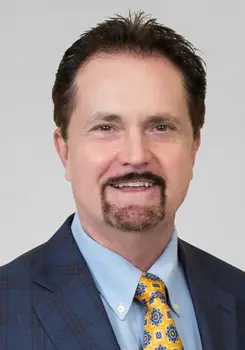
James Griffin is a Urologist practicing medicine in Elgin, Illinois. Dr. Griffin is rated as an Advanced provider by MediFind in the treatment of Male Pseudohermaphroditism with Gynecomastia. He is also highly rated in 24 other conditions, according to our data. His clinical expertise encompasses Perirenal Abscess, Boils, Urinary Tract Infection in Children, Ureteroscopy, and Prostatectomy. Dr. Griffin is board certified in American Board Of Urology.
Texas Health Adult Care
Paul Anthony is a primary care provider, practicing in Internal Medicine and Geriatrics in Plano, Texas. Dr. Anthony is rated as an Advanced provider by MediFind in the treatment of Male Pseudohermaphroditism with Gynecomastia. He is also highly rated in 29 other conditions, according to our data. His clinical expertise encompasses High Cholesterol, Infant Hyperglycemia, Sitosterolemia, and Multiple Carboxylase Deficiency.
Published Date: May 01, 2018
Published By: National Institutes of Health