Loteprednol Etabonate
What is Alrex (Loteprednol Etabonate)?
Eye irritation, redness, and inflammation can make daily life uncomfortable reading, working at a computer, or even stepping outside on a windy day may feel unbearable. Alrex (loteprednol etabonate) is an ophthalmic medication designed to relieve these symptoms and help restore comfort and clarity to the eyes.
Alrex is a prescription corticosteroid eye drop that helps reduce inflammation caused by seasonal allergic conjunctivitis and other mild eye irritations. Belonging to a class of medications known as corticosteroids, it works by calming inflammation within the eye’s delicate tissues. What makes Alrex unique is that it’s a “soft steroid”, designed to deliver effective anti-inflammatory relief with a lower risk of side effects compared to older steroid eye drops. It’s been widely used for many years as a trusted treatment for allergic eye conditions under the supervision of ophthalmologists and optometrists.
By easing irritation and redness, Alrex can help patients regain comfort and focus in their daily lives whether it’s working, driving, or simply enjoying time outdoors.
What does Alrex do?
Alrex is prescribed to treat eye inflammation caused by allergies, specifically seasonal allergic conjunctivitis, sometimes called “hay fever eyes.” This condition occurs when allergens like pollen, dust, or pet dander trigger an immune reaction in the eyes, causing redness, itching, and tearing.
The medication is also sometimes used to treat postoperative inflammation after eye surgery or to manage inflammation from other non-infectious causes, as determined by an eye specialist.
Patients using Alrex typically notice a reduction in redness, swelling, itching, and overall discomfort within several days of consistent use. Clinical studies have shown that loteprednol etabonate is effective in controlling ocular inflammation while maintaining a lower likelihood of increasing intraocular pressure (a common risk with traditional steroid drops) (Mayo Clinic, 2024).
By addressing the inflammation directly, Alrex helps improve vision clarity and eye comfort, allowing patients to return to their usual routines with less irritation.
How does Alrex work?
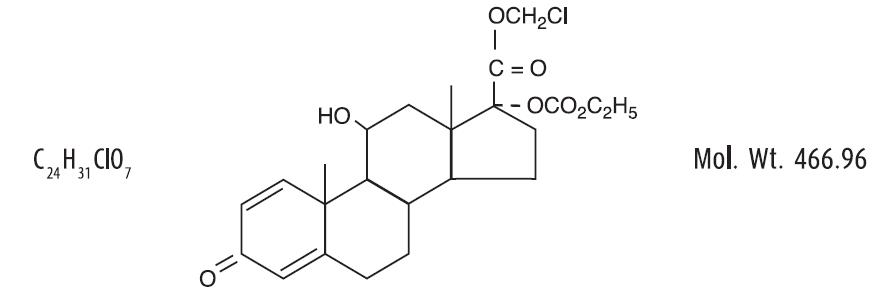
Alrex contains loteprednol etabonate, a corticosteroid specifically designed for use in the eye. It works by reducing the body’s inflammatory response, a key cause of redness, swelling, and itching in allergic eye conditions.
When allergens or irritants enter the eye, the immune system releases substances like prostaglandins and cytokines that cause inflammation. Loteprednol blocks the action of these substances, preventing the chain reaction that leads to irritation.
What sets Alrex apart is its “soft drug” design. Chemically, it’s formulated to become active only where it’s needed (in the eye) and then quickly breaks down into inactive compounds once its job is done. This minimizes the risk of systemic side effects or long-term steroid-related complications, such as increased eye pressure or cataract formation.
Clinically, this mechanism provides the anti-inflammatory power of a steroid with a lower safety risk, making Alrex a preferred option for patients needing short-term relief from allergic or post-surgical eye inflammation.
Alrex side effects
Most patients tolerate Alrex well, especially when used as prescribed for short durations. However, as with any corticosteroid medication, side effects can occur.
Common side effects may include:
- Temporary burning or stinging after application
- Mild eye irritation or dryness
- Watery eyes
- Blurred vision immediately after use
These effects are usually mild and resolve within minutes.
Less common but more serious side effects include:
- Increased intraocular pressure (eye pressure)
- Vision changes or seeing halos around lights
- Eye pain, swelling, or redness that worsens
- Signs of eye infection, such as discharge or sensitivity to light
Because corticosteroids can mask the symptoms of infection, it’s essential that Alrex only be used under medical supervision.
Avoid Alrex if you have viral, fungal, or untreated bacterial eye infections. Use with caution and monitoring if you have a history of glaucoma, cataracts, or ocular herpes simplex.
Seek immediate medical attention for sudden vision loss, severe pain, or allergic reactions (e.g., eyelid swelling, difficulty breathing).
Alrex dosage
Alrex is an ophthalmic suspension (eye drop). Shake the bottle well before use. Apply drops to the affected eye(s) as directed by your healthcare provider, usually for a short period during active inflammation. Do not stop abruptly without medical advice.
Proper use tips:
- Wash hands before and after use.
- Avoid touching the dropper tip.
- Remove contact lenses before using Alrex and wait 10 minutes before reinserting.
Doctors may advise regular eye pressure checks, particularly for long-term Alrex users or those with a glaucoma history, to ensure safe and effective treatment. Older adults typically tolerate Alrex well, but extended use of any corticosteroid should be limited to reduce ocular side effect risks..
Does Alrex have a generic version?
Yes. Loteprednol etabonate ophthalmic suspension (0.2%) is the generic version of Alrex and is FDA-approved. The generic formulation contains the same active ingredient, strength, and dosage form as Alrex, ensuring equivalent effectiveness and safety.
Generic loteprednol (0.2%) is a cost-effective, widely available option for mild allergic eye conditions, offering the same therapeutic benefits as Alrex. Lotemax (0.5%) is for more severe inflammation.
Conclusion
Alrex (loteprednol etabonate) offers targeted, effective relief for eye inflammation caused by allergies or mild irritation. Its “soft steroid” design makes it a trusted choice for patients who need the benefits of corticosteroid therapy with reduced risk of side effects.
Alrex alleviates eye redness, itching, and swelling, restoring comfort and clarity. While generally safe, use under an eye care professional’s guidance for effective, low-risk treatment, balancing powerful relief with safety.
References
- Mayo Clinic. (2024). Loteprednol (ophthalmic route) description and precautions. Retrieved from https://www.mayoclinic.org
- MedlinePlus. (2024). Loteprednol ophthalmic: Uses and side effects. National Library of Medicine. Retrieved from https://medlineplus.gov
- U.S. Food and Drug Administration (FDA). (2023). Approved Drug Products: Loteprednol etabonate (Alrex). Retrieved from https://www.accessdata.fda.gov
- National Institutes of Health (NIH). (2024). Corticosteroids in ocular inflammation management. Retrieved from https://www.nih.gov
Approved To Treat
Top Global Experts
There are no experts for this drug
Related Clinical Trials
There is no clinical trials being done for this treatment
Related Latest Advances
There is no latest advances for this treatment
Brand Information
- NDC 24208-353-05 5 mL in a 7.5 mL bottle
- NDC 24208-353-10 10 mL in a 10 mL bottle
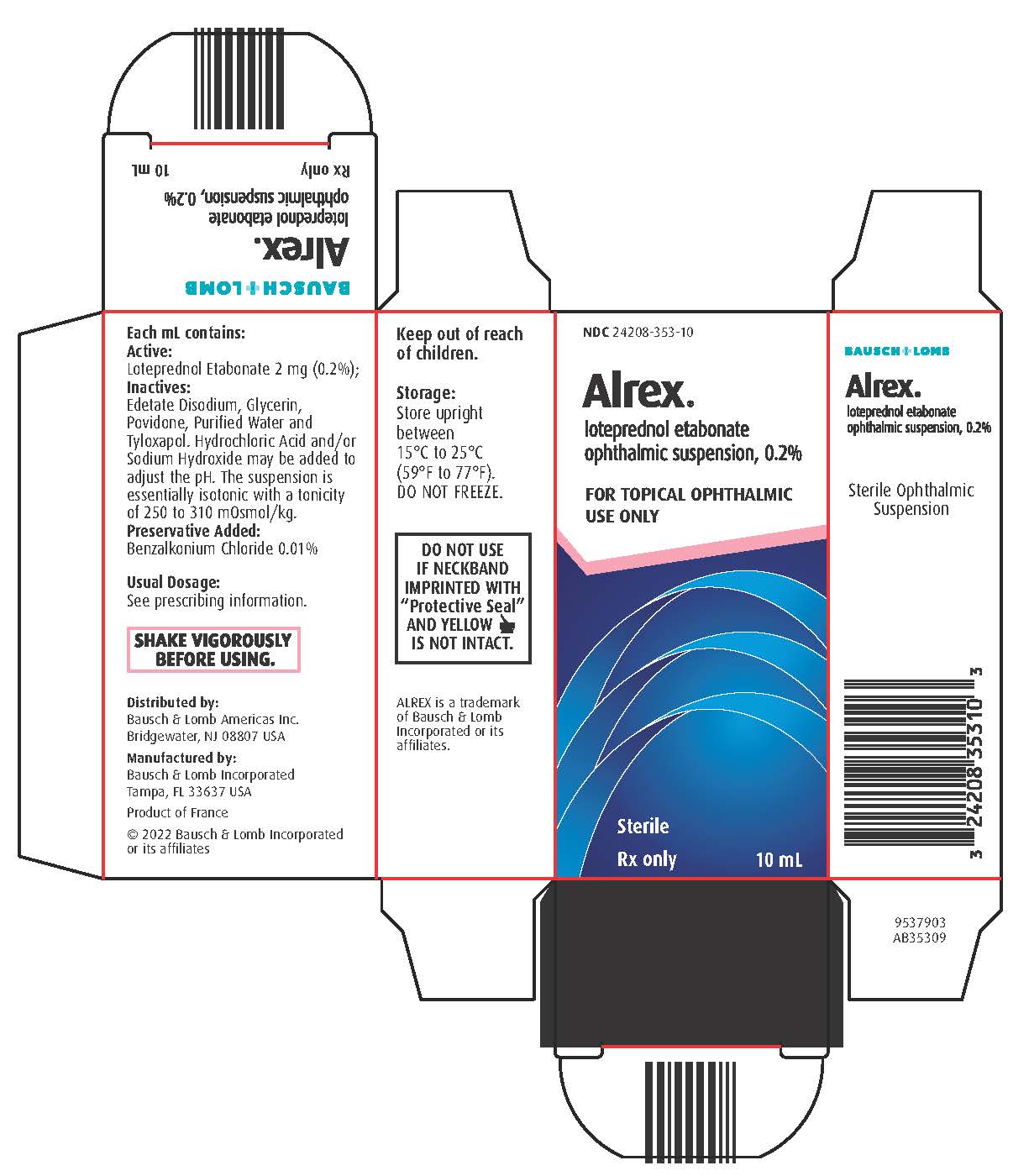
loteprednol etabonate
ophthalmic suspension, 0.2%
FOR OPHTHALMIC USE ONLY
Sterile
10 mL