Astrocytoma Treatments
Find Astrocytoma Treatments
Temodar
What is Temodar (Temozolomide)?
Approved To Treat


Related Clinical Trials
Summary: This pilot trial studies the side effects of hyperpolarized carbon C 13 pyruvate magnetic resonance imaging (MRI) in diagnosing participants with glioma. Diagnostic procedures, such as hyperpolarized carbon C 13 pyruvate MRI, may help find and diagnose glioma.
Summary: This is a multisite, phase I/II clinical trial in children and young adults with newly-diagnosed high-grade glioma (HGG), diffuse midline glioma (DMG) and recurrent HGG/DMG, Medulloblastoma (MB), or ependymoma (EPN) to determine the safety, immunogenicity, and efficacy of a CMV-directed peptide vaccine plus checkpoint blockade.
Summary: This early phase I trial tests the safety, side effects and how well medication combinations of dasatinib, quercetin, fisetin and temozolomide work in treating patients with glioma for which the patient has received treatment in the past (previously treated) and for tumor cells that remain after attempts to treat the tumor have been made (residual disease). Dasatinib is in a class of medications c...
Related Latest Advances
Brand Information
- Capsules:
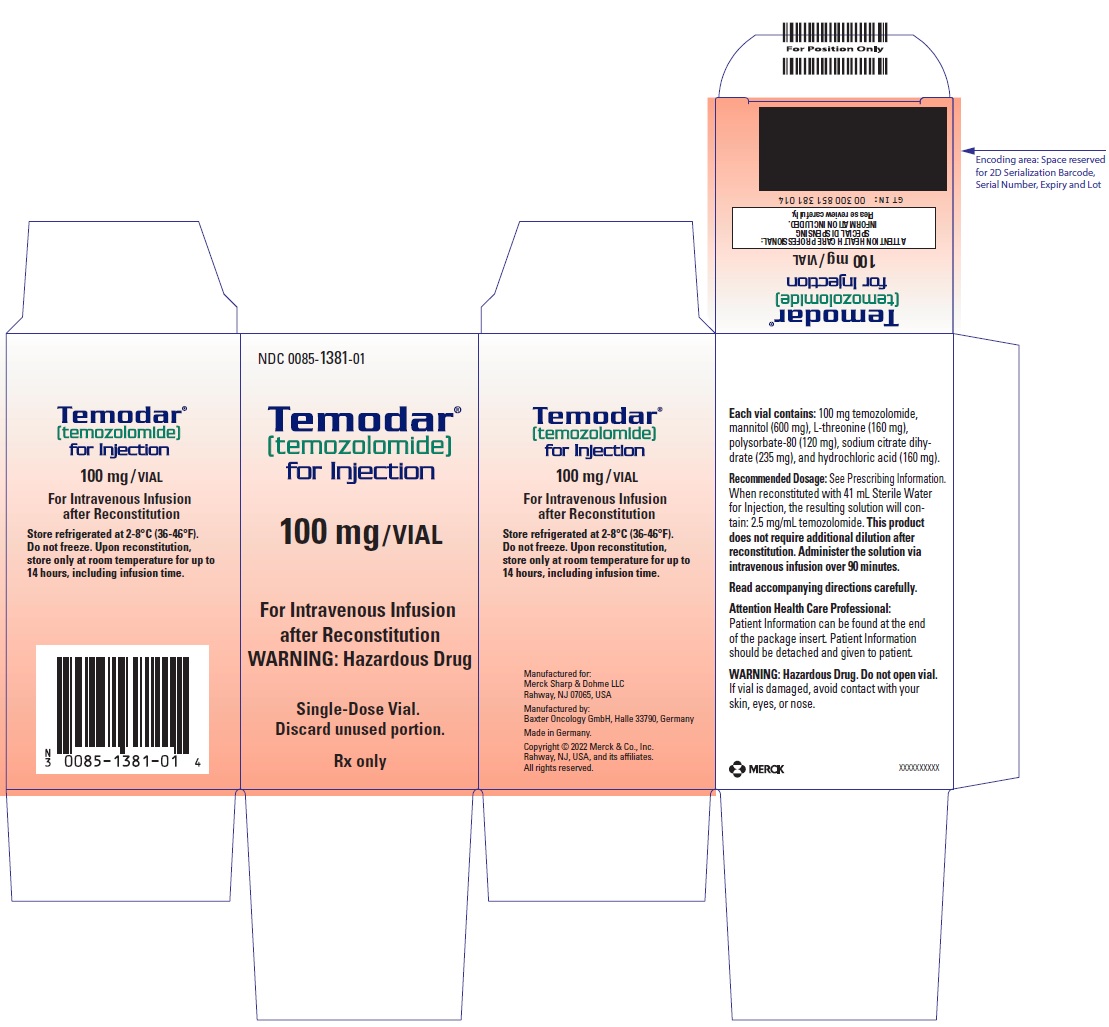
- For injection: 100 mg white to light tan or light pink lyophilized powder for reconstitution in a single-dose vial.
- temozolomide or any other ingredients in TEMODAR; and
- dacarbazine, since both temozolomide and dacarbazine are metabolized to the same active metabolite 5-(3-methyltriazen-1-yl)-imidazole-4-carboxamide.
- Myelosuppression
- Hepatotoxicity
- Pneumocystis Pneumonia [see
- Secondary Malignancies
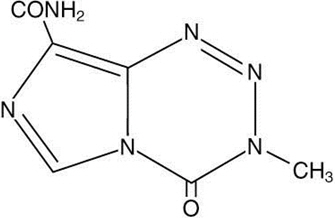
- TEMODAR 5 mg: lactose anhydrous (132.8 mg), colloidal silicon dioxide (0.2 mg), sodium starch glycolate (7.5 mg), tartaric acid (1.5 mg), and stearic acid (3 mg).
- TEMODAR 20 mg: lactose anhydrous (182.2 mg), colloidal silicon dioxide (0.2 mg), sodium starch glycolate (11 mg), tartaric acid (2.2 mg), and stearic acid (4.4 mg).
- TEMODAR 100 mg: lactose anhydrous (175.7 mg), colloidal silicon dioxide (0.3 mg), sodium starch glycolate (15 mg), tartaric acid (3 mg), and stearic acid (6 mg).
- TEMODAR 140 mg: lactose anhydrous (246 mg), colloidal silicon dioxide (0.4 mg), sodium starch glycolate (21 mg), tartaric acid (4.2 mg), and stearic acid (8.4 mg).
- TEMODAR 180 mg: lactose anhydrous (316.3 mg), colloidal silicon dioxide (0.5 mg), sodium starch glycolate (27 mg), tartaric acid (5.4 mg), and stearic acid (10.8 mg).
- TEMODAR 250 mg: lactose anhydrous (154.3 mg), colloidal silicon dioxide (0.7 mg), sodium starch glycolate (22.5 mg), tartaric acid (9 mg), and stearic acid (13.5 mg).
- TEMODAR 5 mg: The green cap contains gelatin, titanium dioxide, iron oxide yellow, sodium lauryl sulfate, and FD&C Blue #2.
- TEMODAR 20 mg: The yellow cap contains gelatin, sodium lauryl sulfate, and iron oxide yellow.
- TEMODAR 100 mg: The pink cap contains gelatin, titanium dioxide, sodium lauryl sulfate, and iron oxide red.
- TEMODAR 140 mg: The blue cap contains gelatin, sodium lauryl sulfate, and FD&C Blue #2.
- TEMODAR 180 mg: The orange cap contains gelatin, iron oxide red, iron oxide yellow, titanium dioxide, and sodium lauryl sulfate.
- TEMODAR 250 mg: The white cap contains gelatin, titanium dioxide, and sodium lauryl sulfate.
- “OSHA Hazardous Drugs.” OSHA.
[temozolomide]
Capsules
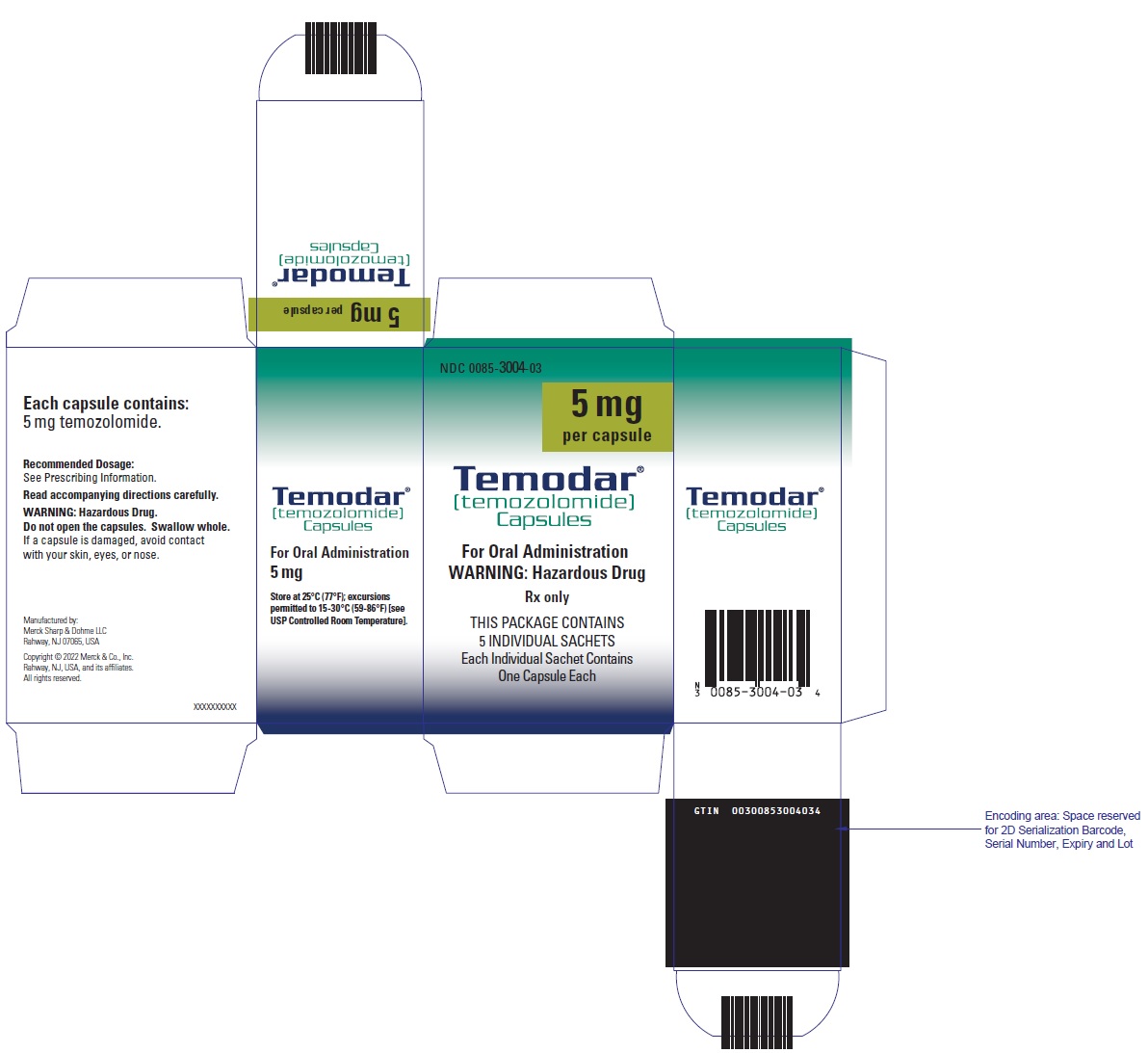
[temozolomide]
Capsules
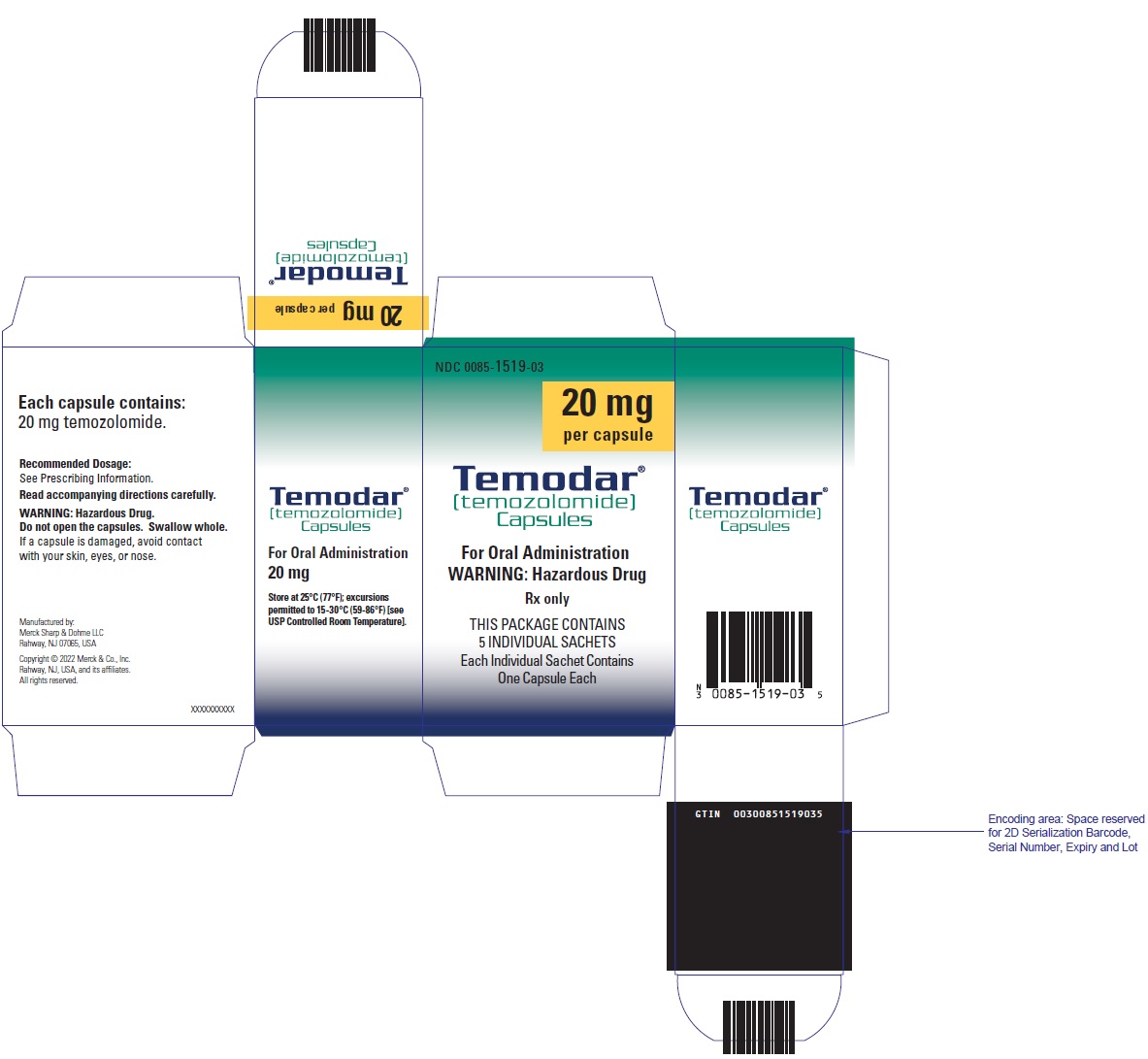
[temozolomide]
Capsules
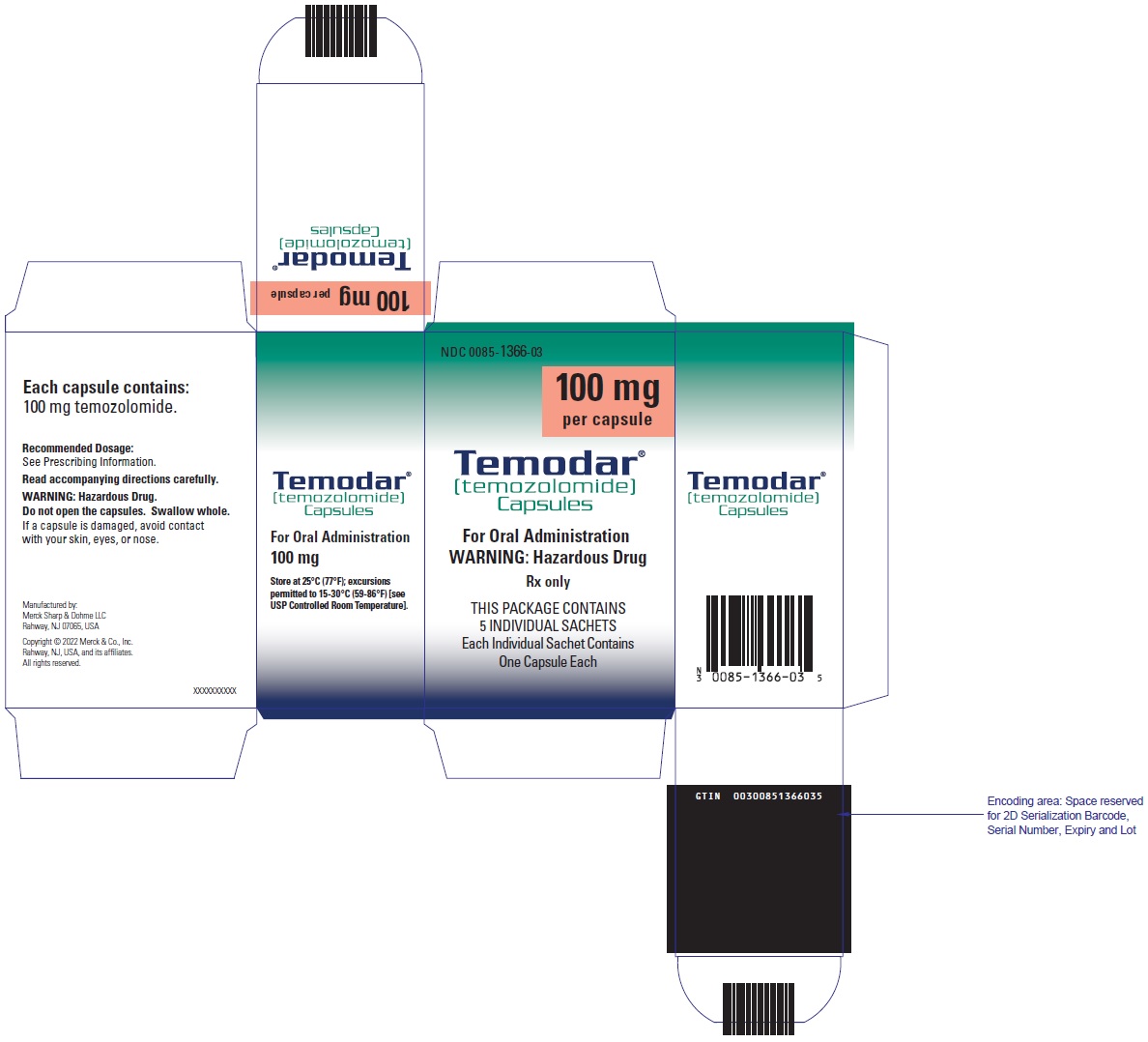
[temozolomide]
Capsules
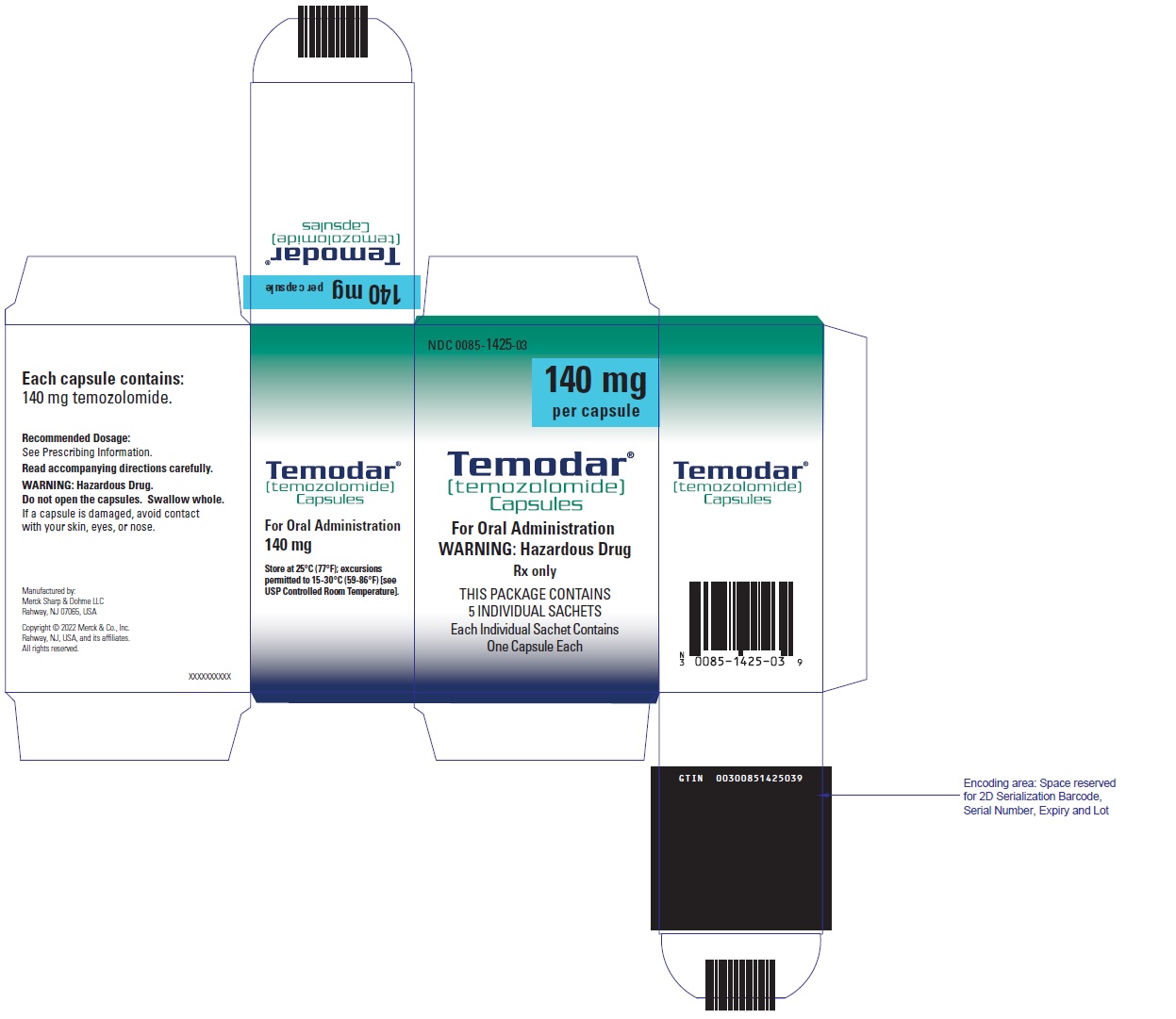
[temozolomide]
Capsules
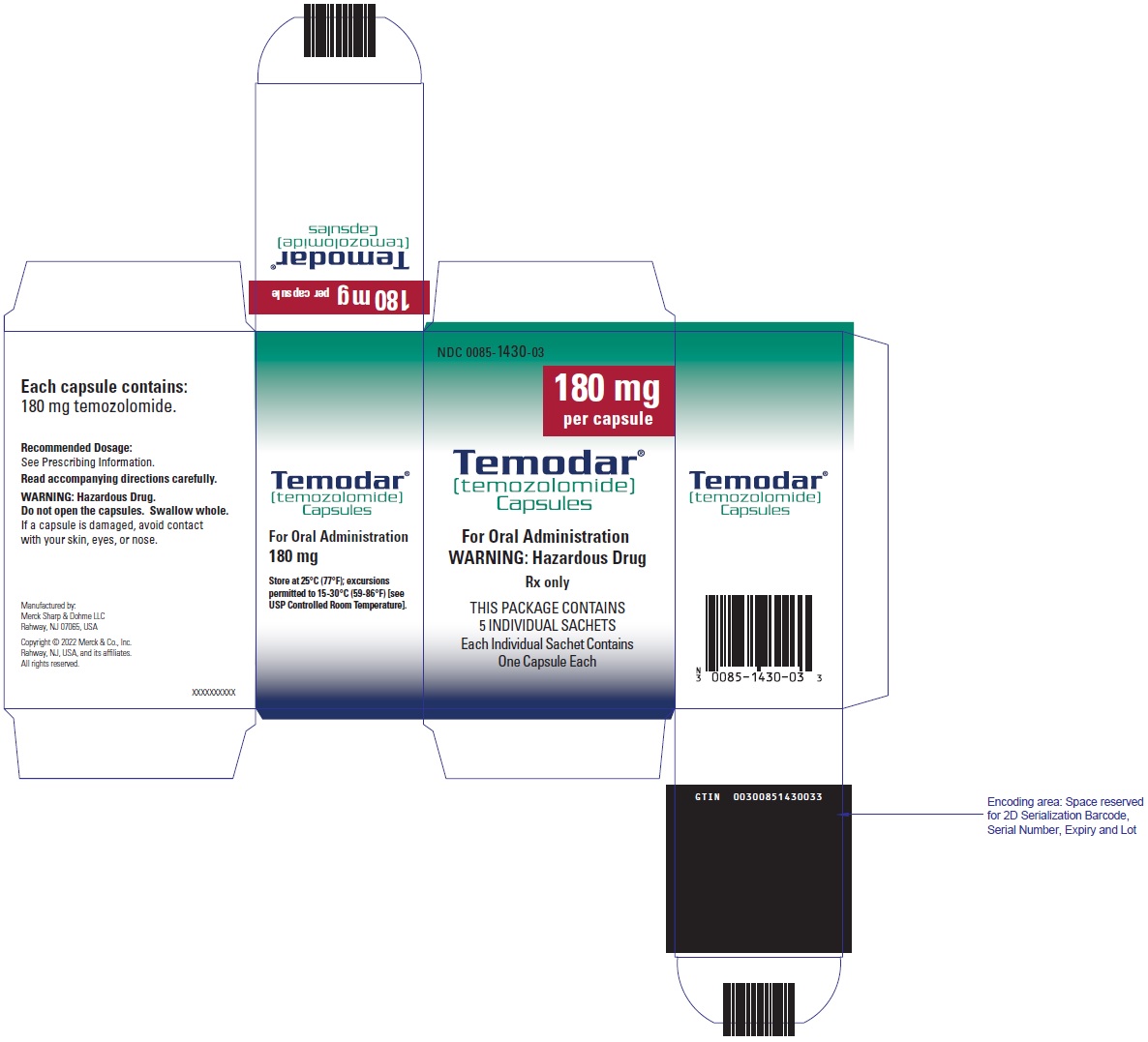
[temozolomide]
Capsules
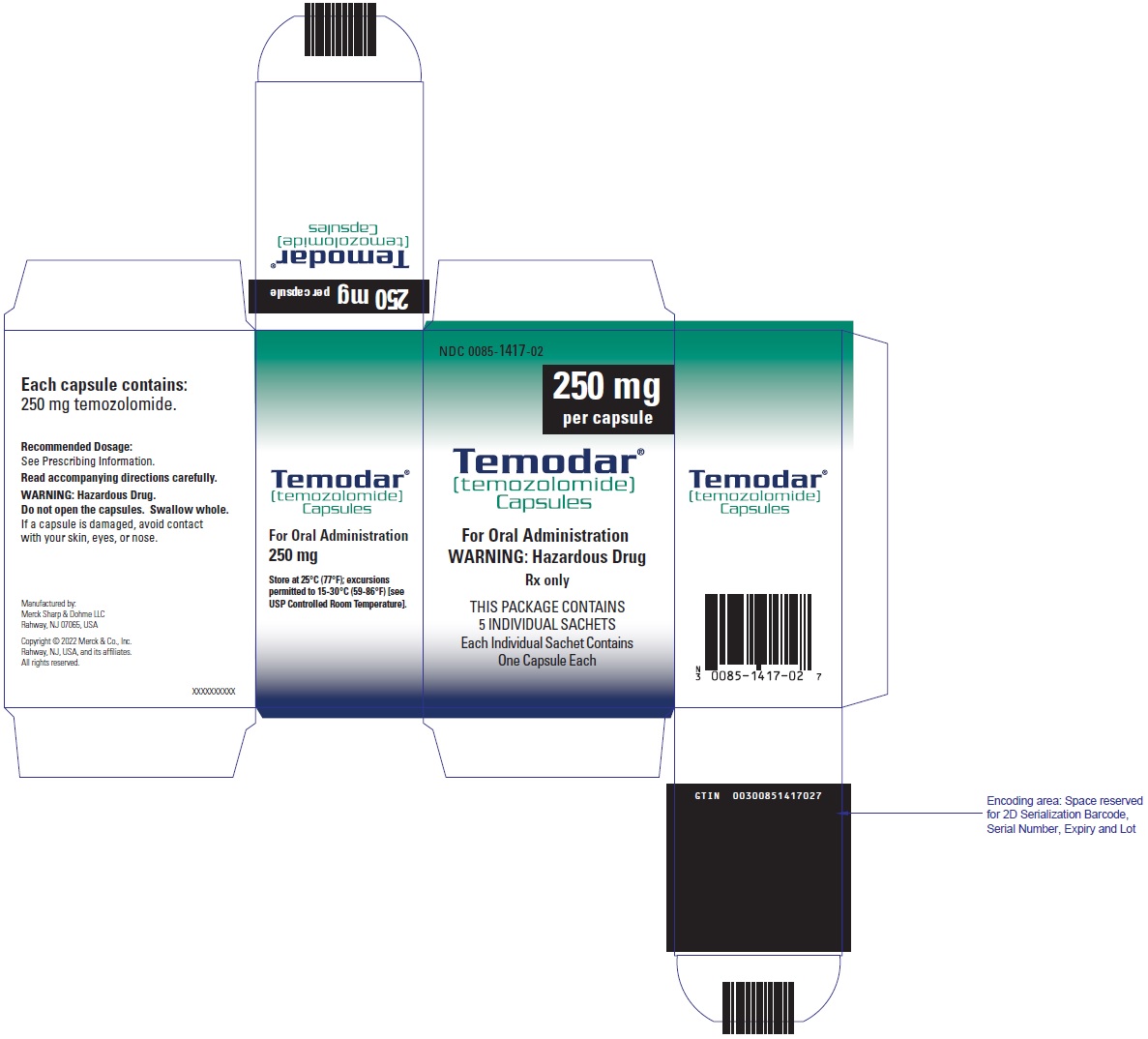
[temozolomide]
for Injection