Astrocytoma Treatments
Find Astrocytoma Treatments
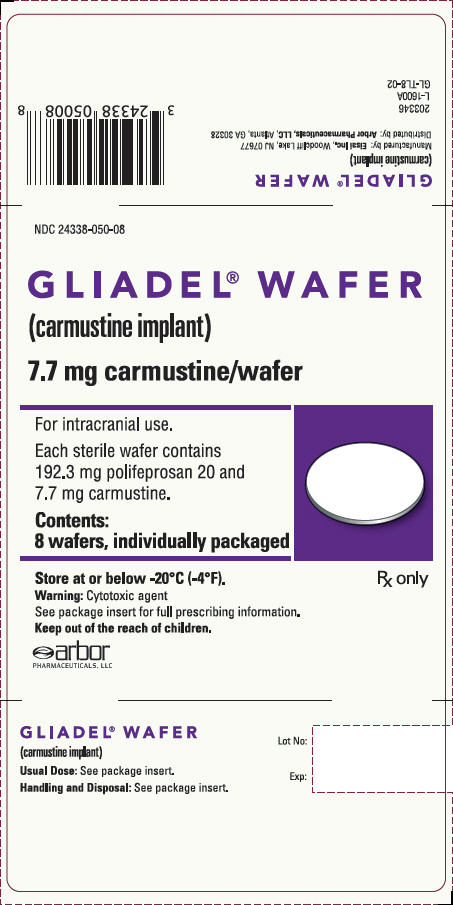
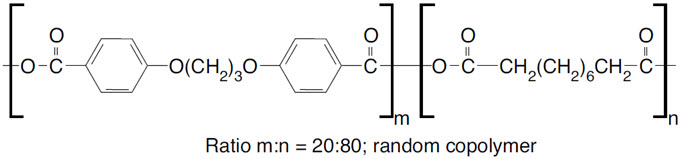
Gliadel
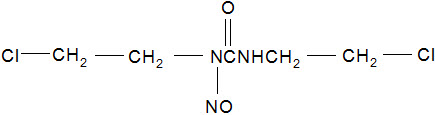
What is Gliadel (Carmustine)?
Approved To Treat


Related Clinical Trials
Summary: This study is a multicenter, open label phase I/ II trial to assess the safety and clinical efficacy of tebentafusp-tebn in combination with liver-directed therapies in HLA-A\*0201 positive patients with metastatic uveal melanoma. In Part 1 of the study, the Prinicipal Investigator will investigate the safety and efficacy of tebentafusp-tebn in combination with hepatic IE in patients with a low to...
Summary: This is a pilot phase Ib study of the safety of dapagliflozin (in addition to standard of care treatment) for the treatment of pediatric patients with recurrent brain tumors and relapsed/refractory solid tumors. The primary hypothesis is that dapagliflozin is well-tolerated and safe to use in this patient population. The investigators also hypothesize that dapagliflozin will be efficacious as an a...
Summary: This is a prospective, single-arm, single-center, open-label clinical study, aiming to evaluate the efficacy and safety of CAR-T combined with ASCT in the treatment of relapsed/refractory large B-cell lymphoma with high-risk factors.
Related Latest Advances
Brand Information
- newly-diagnosed high-grade glioma as an adjunct to surgery and radiation, and
- recurrent glioblastoma as an adjunct to surgery.
- Seizures
- Intracranial Hypertension
- Impaired Neurosurgical Wound Healing
- Meningitis
- "OSHA Hazardous Drugs".
(carmustine implant)
Rx only
See package insert for full prescribing information.
Keep out of the reach of children.