Atopic Dermatitis Treatments
Find Atopic Dermatitis Treatments
Tacrolimus
What is Astagraf (Tacrolimus)?
Approved To Treat
Top Global Experts


Related Clinical Trials
Summary: In this study, researchers will learn more about the use of felzartamab in participants with primary membranous nephropathy, also known as PMN. In people with PMN, autoantibodies build up in the glomeruli of the kidney. Antibodies are proteins that help the body fight off infection. An autoantibody is a type of antibody that mistakenly targets and attacks the body's own tissues. Glomeruli are the ...
Summary: Induction therapy decreases the rate of acute allograft rejection in kidney transplant recipients (KTRs) and is strongly recommended. Polyclonal lymphocyte-depleting antibodies and interleukin-2 receptor (IL2R) antagonists are therefore widely used around the world, with a leading position for rabbit anti-thymocyte globulin (rATG, Thymoglobulin®) and basiliximab (Simulect®), respectively. The actu...
Summary: Dopason is a phase I, open-label, multicenter, single-arm clinical trial designed to evaluate the safety and feasibility of intraputaminal transplantation of human embryonic stem cell-derived dopaminergic progenitor cells (DopaCells) in patients with moderately severe Parkinson's disease.
Related Latest Advances
Brand Information
- Increased risk for developing serious infections and malignancies with ASTAGRAF XL
- Increased mortality in female liver transplant patients with ASTAGRAF XL. ASTAGRAF XL is not approved for use in liver transplantation. [see
- Lymphoma and Other Malignancies
- Serious Infections
- Increased Mortality in Female Liver Transplant Patients
- New Onset Diabetes after Transplant
- Nephrotoxicity due to ASTAGRAF XL and Drug Interactions
- Neurotoxicity
- Hyperkalemia
- Hypertension
- QT Prolongation
- Pure Red Cell Aplasia
- Thrombotic Microangiopathy, Including Hemolytic Uremic Syndrome and Thrombotic Thrombocytopenic Purpura
The overall incidence of infections, serious infections, and infections with identified etiology reported in patients treated with the ASTAGRAF XL or tacrolimus immediate-release product in Study 1 are shown in Table 2.
The incidence of new onset diabetes after transplantation (defined by the composite occurrence of ≥ 2 fasting plasma glucose values that were > 126 mg/dL at ≥ 30 days apart, insulin use for ≥ 30 consecutive days, oral hypoglycemic use for ≥ 30 consecutive days, and/or HbA1C ≥ 6.5%) is summarized in Table 3 below for Study 1 through one year post-transplant [see
In Study 1 [see , 73 of 214 (34.1%) patients on ASTAGRAF XL had a serum potassium level greater than 5.4 up to 6.4 mEq/L, and 8 out of 214 (3.7%) patients had a serum potassium level greater than 6.4 mEq/L [see .
The most common (≥ 30%) adverse reactions observed with ASTAGRAF XL in Study 1 were: diarrhea, constipation, nausea, peripheral edema, tremor, and anemia. The incidence of adverse reactions that occurred in ≥ 15% of ASTAGRAF XL-treated patients compared to tacrolimus immediate-release product through one year of treatment in Study 1 is shown by treatment groups in Table 4.
- Blood and Lymphatic System Disorders: Hemolytic anemia, leukocytosis, neutropenia, thrombocytopenia, thrombotic microangiopathy
- Cardiac Disorders: Atrial fibrillation, atrial flutter, tachycardia
- Ear Disorders: Tinnitus
- Eye Disorders: Vision blurred, conjunctivitis
- Gastrointestinal Disorders: Abdominal distension, abdominal pain, aphthous stomatitis, dyspepsia, esophagitis, flatulence, gastritis, gastroesophageal reflux disease
- General Disorders and Administration Site Conditions: Anasarca, asthenia, edema, pyrexia
- Hepatobiliary Disorders: Abnormal hepatic function, cholestasis, hepatitis (acute and chronic), hepatotoxicity
- Infections and Infestations: Condyloma acuminatum, tinea versicolor
- Injury: Fall
- Investigations: Increased blood lactate dehydrogenase, increased blood urea, increased hepatic enzyme
- Metabolism and Nutrition Disorders: Anorexia, hyperphosphatemia, hyperuricemia, hypokalemia, hyponatremia, metabolic acidosis
- Musculoskeletal and Connective Tissue Disorders: Arthralgia, osteopenia, osteoporosis
- Neoplasms: Kaposi’s sarcoma
- Nervous System Disorders: Convulsion, dizziness, hypoesthesia, neurotoxicity, paresthesia, peripheral neuropathy
- Psychiatric Disorders: Agitation, anxiety, confusional state, depression, hallucination, mood swings, nightmare
- Renal and Urinary Disorders: Anuria, oliguria, proteinuria, renal failure, renal tubular necrosis, toxic nephropathy
- Respiratory, Thoracic and Mediastinal Disorders: Acute respiratory distress syndrome, dyspnea, pulmonary edema, productive cough
- Skin and Subcutaneous Tissue Disorders: Acne, alopecia, dermatitis, hyperhidrosis, hypotrichosis, pruritus, rash
- Vascular Disorders: Deep vein thrombosis, flushing
- Blood and Lymphatic System Disorders: Agranulocytosis, disseminated intravascular coagulation, hemolytic uremic syndrome, febrile neutropenia, pancytopenia, pure red cell aplasia
- Cardiac Disorders: Cardiac arrest, myocardial infarction, ventricular fibrillation, congestive cardiac failure, hypertrophic cardiomyopathy, pericardial effusion, angina pectoris, supraventricular extrasystoles, supraventricular tachycardia, bradycardia,
- Ear Disorders: Hearing loss
- Eye Disorders: Blindness, optic neuropathy, optic atrophy, photophobia
- Gastrointestinal Disorders: Gastrointestinal hemorrhage, gastrointestinal perforation, pancreatitis, peritonitis, stomach ulcer, intestinal obstruction, ascites, colitis, ileus, impaired gastric emptying, dysphagia
- Hepatobiliary Disorders: Hepatic failure, hepatic necrosis, cirrhosis, cholangitis, venoocclusive liver disease, bile duct stenosis, hepatic steatosis, jaundice
- Hypersensitivity Reactions: Hypersensitivity, Stevens-Johnson syndrome, toxic epidermal necrolysis, urticaria
- Immune System Disorders: Graft versus host disease (acute and chronic)
- Investigations: Increased international normalized ratio
- Metabolism and Nutrition Disorders: Hypoproteinemia
- Musculoskeletal and Connective Tissue Disorders: Rhabdomyolysis, myalgia, polyarthritis, pain in extremity including Calcineurin-Inhibitor Induced Pain Syndrome (CIPS)
- Neoplasms: Lymphoma including EBV-associated lymphoproliferative disorder, hepatosplenic T-cell lymphoma, PTLD
- Nervous System Disorders: Cerebral infarction, progressive multifocal leukoencephalopathy (PML) sometimes fatal
- Psychiatric Disorders: Mental status changes
- Renal and Urinary Disorders: Hemorrhagic cystitis, hematuria, urinary retention, urinary incontinence
- Respiratory, Thoracic and Mediastinal Disorders: Interstitial lung disease, pulmonary hypertension, lung infiltration, rhinitis allergic, hiccups
- Skin and Subcutaneous Tissue Disorders: Hyperpigmentation, photosensitivity
- Vascular Disorders: Hemorrhage
- nervous system disorders (tremor, headache, confusional state, balance disorders, encephalopathy, lethargy and somnolence)
- gastrointestinal disturbances (nausea, vomiting, and diarrhea)
- abnormal renal function (increased blood urea nitrogen and elevated serum creatinine)
- urticaria
- hypertension
- peripheral edema, and
- infections [one fatal postmarketing case of bilateral pneumopathy and CMV infection was attributed to tacrolimus (extended-release) overdose].
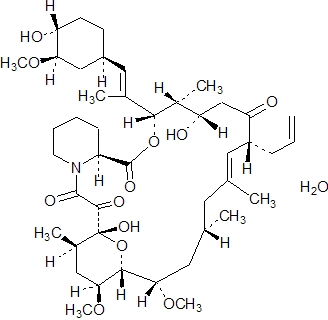
- Inspect their ASTAGRAF XL medicine when they receive a new prescription and before taking it. If the appearance of the capsule is not the same as usual, or if dosage instructions have changed, advise patients to contact their healthcare provider as soon as possible to make sure that they have the right medicine. Other tacrolimus products cannot be substituted for ASTAGRAF XL
- Take ASTAGRAF XL at the same time every day to achieve consistent blood concentrations.
- Take ASTAGRAF XL in the morning, on an empty stomach at least 1 hour before or at least 2 hours after breakfast, to achieve maximum possible blood concentrations of the drug.
- Swallow capsule whole with liquid. Do not chew, divide or crush capsule.
- Avoid alcoholic beverages, grapefruit, and grapefruit juice while on ASTAGRAF XL
- Take a missed dose of ASTAGRAF XL as soon as possible but not more than 14 hours after the scheduled time (i.e., for a missed 8 AM dose, take by 10 PM). Beyond the 14-hour timeframe, instruct the patient to wait until the usual scheduled time the following morning to take the next scheduled dose. Do not take 2 doses at the same time.
Product of Japan
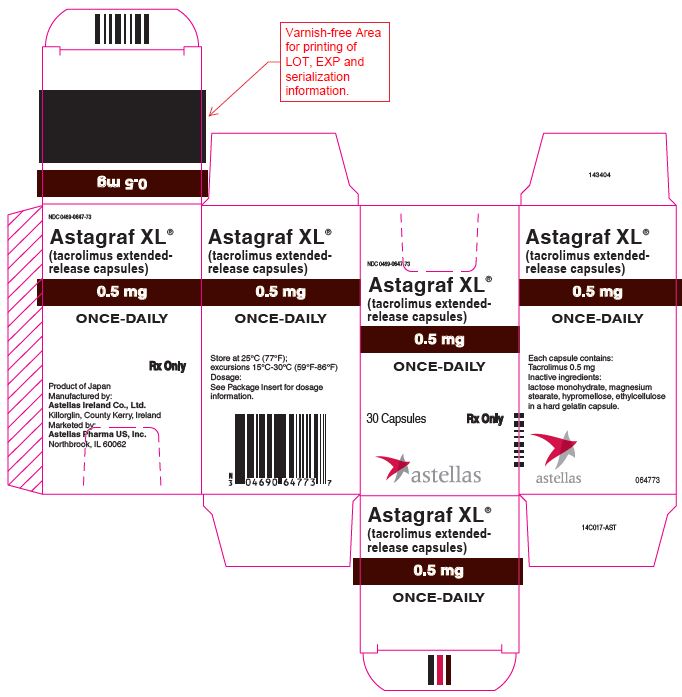
(tacrolimus extended-release capsules)
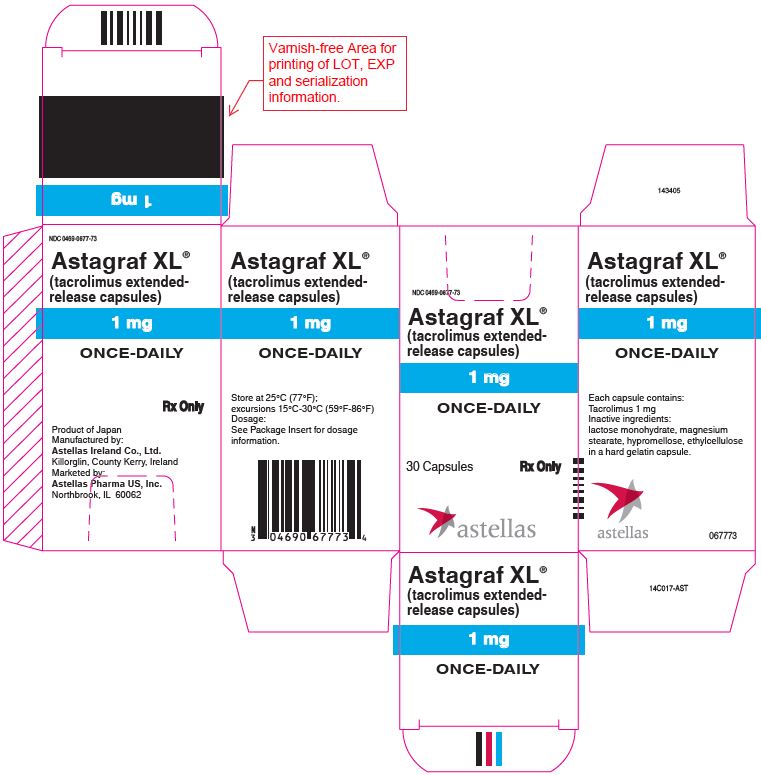
(tacrolimus extended-release capsules)
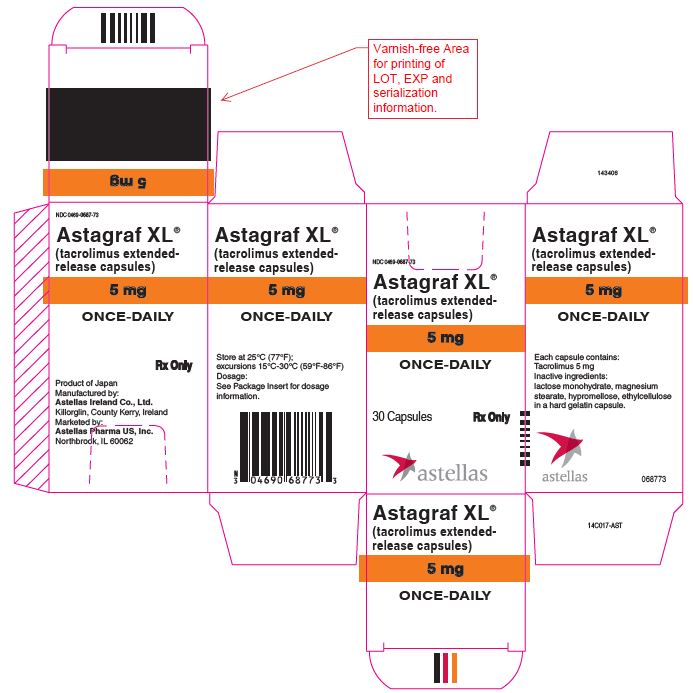
(tacrolimus extended-release capsules)