Brand Name

CISplatin

View Brand Information
FDA approval date: June 01, 2000
Classification: Platinum-based Drug
Form: Injection

What is CISplatin?

Cisplatin Injection is indicated as therapy to be employed as follows: Metastatic Testicular Tumors In established combination therapy with other approved chemotherapeutic agents in patients with metastatic testicular tumors who have already received appropriate surgical and/or radio therapeutic procedures. Metastatic Ovarian Tumors In established combination therapy with other approved chemotherapeutic agents in patients with metastatic ovarian tumors who have already received appropriate surgical and/or radiotherapeutic procedures. An established combination consists of cisplatin and cyclophosphamide. Cisplatin Injection, as a single agent, is indicated as secondary therapy in patients with metastatic ovarian tumors refractory to standard chemotherapy who have not previously received Cisplatin Injection therapy. Advanced Bladder Cancer Cisplatin Injection is indicated as a single agent for patients with transitional cell bladder cancer which is no longer amenable to local treatments, such as surgery and/or radiotherapy.
Save this treatment for later
Sign Up
Not sure about your diagnosis?
Check Your Symptoms
Tired of the same old research?
Check Latest Advances

Related Clinical Trials

An Open-label Randomized Trial of the Efficacy and Safety of Zanidatamab With Standard-of-care Therapy Against Standard-of-care Therapy Alone for Advanced HER2-positive Biliary Tract Cancer

Summary: The purpose of this study is to evaluate the efficacy and safety of Zanidatamab plus CisGem (Cisplatin and Gemcitabine) with or without the addition of a programmed death protein 1/ligand-1 (PD-1/L1) inhibitor (physician's choice of either Durvalumab or Pembrolizumab, where approved under local regulations) as first line of treatment for participants with human epidermal growth factor receptor 2 (...

A Randomized, Double-Blind, Phase 3 Trial of Adagrasib Plus Pembrolizumab Plus Chemotherapy vs. Placebo Plus Pembrolizumab Plus Chemotherapy in Participants With Previously Untreated, Locally Advanced or Metastatic Non-squamous Non-small Cell Lung Cancer With KRAS G12C Mutation (KRYSTAL-4)

Summary: This is a trial to evaluate the efficacy, safety, and tolerability of adagrasib plus pembrolizumab plus platinum-doublet chemotherapy versus placebo plus pembrolizumab plus platinum-doublet chemotherapy in participants with previously untreated, locally advanced or metastatic NSCLC with KRAS G12C mutation

A Phase III, Multisite, Double-blinded Randomized Trial of BNT327 in Combination With Chemotherapy (Etoposide/Carboplatin) Compared to Atezolizumab in Combination With Chemotherapy (Etoposide/Carboplatin) in Participants With First-line Extensive-stage Small-cell Lung Cancer

Summary: This is a Phase III, multisite, randomized, double-blinded study to investigate pumitamig (BNT327) combined with chemotherapy (etoposide/carboplatin) compared to atezolizumab combined with chemotherapy (etoposide/carboplatin) for the treatment of participants with previously untreated extensive-stage small-cell lung cancer (ES-SCLC).

Brand Information

CISplatin (CISplatin)
1DESCRIPTION
Cisplatin Injection, USP is a colorless to yellowish clear, sterile aqueous solution available in amber vials. Each 50 mL amber vial of infusion concentrate contains: 1 mg/mL cisplatin, USP, 9 mg/mL sodium chloride, hydrochloric acid and sodium hydroxide to adjust pH, and water for injection to a final volume of 50 mL, respectively. The pH range of Cisplatin Injection, USP is 3.2 to 6.0.
Cisplatin Injection, USP must be further diluted prior to administration (see
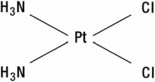
The active ingredient, cisplatin, USP, is a yellow to orange crystalline powder with the molecular formula PtCl
Figure
2CLINICAL PHARMACOLOGY
Plasma concentrations of the parent compound, cisplatin, decay monoexponentially with a half-life of about 20 to 30 minutes following bolus administrations of 50 or 100 mg/m
Due to its unique chemical structure, the chlorine atoms of cisplatin are more subject to chemical displacement reactions by nucleophiles, such as water or sulfhydryl groups, than to enzyme-catalyzed metabolism. At physiological pH in the presence of 0.1M NaCl, the predominant molecular species are cisplatin and monohydroxymonochloro
Cisplatin does not undergo the instantaneous and reversible binding to plasma proteins that is characteristic of normal drug-protein binding. However, the platinum from cisplatin, but not cisplatin itself, becomes bound to several plasma proteins, including albumin, transferrin, and gamma globulin. Three hours after a bolus injection and two hours after the end of a three-hour infusion, 90% of the plasma platinum is protein bound. The complexes between albumin and the platinum from cisplatin do not dissociate to a significant extent and are slowly eliminated with a minimum half-life of five days or more.
Following cisplatin doses of 20 to 120 mg/m
Over a dose range of 40 to 140 mg cisplatin/m
The parent compound, cisplatin, is excreted in the urine and accounts for 13% to 17% of the dose excreted within one hour after administration of 50 mg/m
The renal clearance of free (ultrafilterable) platinum also exceeds the glomerular filtration rate indicating that cisplatin or other platinum-containing molecules are actively secreted by the kidneys. The renal clearance of free platinum is nonlinear and variable and is dependent on dose, urine flow rate, and individual variability in the extent of active secretion and possible tubular reabsorption.
There is a potential for accumulation of ultrafilterable platinum plasma concentrations whenever cisplatin is administered on a daily basis but not when dosed on an intermittent basis.
No significant relationships exist between the renal clearance of either free platinum or cisplatin and creatinine clearance.
Although small amounts of platinum are present in the bile and large intestine after administration of cisplatin, the fecal excretion of platinum appears to be insignificant.
3INDICATIONS
Cisplatin Injection is indicated as therapy to be employed as follows:
3.1Metastatic Testicular Tumors
In established combination therapy with other approved chemotherapeutic agents in patients with metastatic testicular tumors who have already received appropriate surgical and/or radiotherapeutic procedures.
3.2Metastatic Ovarian Tumors
In established combination therapy with other approved chemotherapeutic agents in patients with metastatic ovarian tumors who have already received appropriate surgical and/or radiotherapeutic procedures. An established combination consists of Cisplatin Injection and cyclophosphamide. Cisplatin Injection, as a single agent, is indicated as secondary therapy in patients with metastatic ovarian tumors refractory to standard chemotherapy who have not previously received Cisplatin Injection therapy.
3.3Advanced Bladder Cancer
Cisplatin Injection is indicated as a single agent for patients with transitional cell bladder cancer which is no longer amenable to local treatments, such as surgery and/or radiotherapy.
4CONTRAINDICATIONS
Cisplatin is contraindicated in patients with preexisting renal impairment. Cisplatin should not be employed in myelosuppressed patients, or in patients with hearing impairment.
Cisplatin is contraindicated in patients with a history of allergic reactions to cisplatin or other platinum-containing compounds.
5WARNINGS
Cisplatin produces cumulative nephrotoxicity which is potentiated by aminoglycoside antibiotics. The serum creatinine, blood urea nitrogen (BUN), creatinine clearance, and magnesium, sodium, potassium, and calcium levels should be measured prior to initiating therapy, and prior to each subsequent course. At the recommended dosage, cisplatin should not be given more frequently than once every 3 to 4 weeks (see
There are reports of severe neuropathies in patients in whom regimens are employed using higher doses of cisplatin or greater dose frequencies than those recommended. These neuropathies may be irreversible and are seen as paresthesias in a stocking-glove distribution, areflexia, and loss of proprioception and vibratory sensation. Elderly patients may be more susceptible to peripheral neuropathy (see
Loss of motor function has also been reported.
Anaphylactic-like reactions to cisplatin have been reported. These reactions have occurred within minutes of administration to patients with prior exposure to cisplatin, and have been alleviated by administration of epinephrine, corticosteroids, and antihistamines.
Cisplatin can commonly cause ototoxicity which is cumulative and may be severe. Audiometric testing should be performed prior to initiating therapy and prior to each subsequent dose of drug (see
All pediatric patients receiving cisplatin should have audiometric testing at baseline, prior to each subsequent dose, of drug and for several years post therapy.
Cisplatin can cause fetal harm when administered to a pregnant woman. Cisplatin is mutagenic in bacteria and produces chromosome aberrations in animal cells in tissue culture. In mice cisplatin is teratogenic and embryotoxic. If this drug is used during pregnancy or if the patient becomes pregnant while taking this drug, the patient should be apprised of the potential hazard to the fetus. Patients should be advised to avoid becoming pregnant.
The carcinogenic effect of cisplatin was studied in BD IX rats. Cisplatin was administered intraperitoneally (i.p.) to 50 BD IX rats for 3 weeks, 3 X 1 mg/kg body weight per week. Four hundred and fifty-five days after the first application, 33 animals died, 13 of them related to malignancies: 12 leukemias and 1 renal fibrosarcoma.
The development of acute leukemia coincident with the use of cisplatin has been reported. In these reports, cisplatin was generally given in combination with other leukemogenic agents.
Injection site reactions may occur during the administration of cisplatin (see
6PRECAUTIONS
Peripheral blood counts should be monitored weekly. Liver function should be monitored periodically. Neurologic examination should also be performed regularly (see
6.1Drug Interactions
Plasma levels of anticonvulsant agents may become subtherapeutic during cisplatin therapy.
In a randomized trial in advanced ovarian cancer, response duration was adversely affected when pyridoxine was used in combination with altretamine (hexamethylmelamine) and cisplatin.
6.2Carcinogenesis, Mutagenesis, Impairment of Fertility
See
6.3Pregnancy
See
6.4Nursing Mothers
Cisplatin has been reported to be found in human milk; patients receiving cisplatin should not breast-feed.
6.5Pediatric Use
Safety and effectiveness in pediatric patients have not been established.
All children should have audiometric monitoring performed prior to initiation of therapy prior to each subsequent dose, and for several years post therapy. Advanced testing methods may allow for earlier detection of hearing loss in an attempt to facilitate the rapid initiation of interventions that can limit the potential adverse impact of hearing impairment on a child's cognitive and social development.
6.6Geriatric Use
Insufficient data are available from clinical trials of cisplatin in the treatment of metastatic testicular tumors or advanced bladder cancer to determine whether elderly patients respond differently than younger patients. In four clinical trials of combination chemotherapy for advanced ovarian carcinoma, 1484 patients received cisplatin either in combination with cyclophosphamide or paclitaxel. Of these, 426 (29%) were older than 65 years. In these trials, age was not found to be a prognostic factor for survival. However, in a later secondary analysis for one of these trials, elderly patients were found to have shorter survival compared with younger patients. In all four trials, elderly patients experienced more severe neutropenia than younger patients. Higher incidences of severe thrombocytopenia and leukopenia were also seen in elderly compared with younger patients, although not in all cisplatin-containing treatment arms. In the two trials where nonhematologic toxicity was evaluated according to age, elderly patients had a numerically higher incidence of peripheral neuropathy than younger patients. Other reported clinical experience suggests that elderly patients may be more susceptible to myelosuppression, infectious complications, and nephrotoxicity than younger patients.
Cisplatin is known to be substantially excreted by the kidney and is contraindicated in patients with preexisting renal impairment. Because elderly patients are more likely to have decreased renal function, care should be taken in dose selection, and renal function should be monitored.
7OTHER TOXICITIES
Vascular toxicities coincident with the use of cisplatin in combination with other antineoplastic agents have been reported. The events are clinically heterogeneous and may include myocardial infarction, cerebrovascular accident, thrombotic microangiopathy (hemolytic-uremic syndrome [HUS]), or cerebral arteritis. Various mechanisms have been proposed for these vascular complications. There are also reports of Raynaud's phenomenon occurring in patients treated with the combination of bleomycin, vinblastine with or without cisplatin. It has been suggested that hypomagnesemia developing coincident with the use of cisplatin may be an added, although not essential, factor associated with this event. However, it is currently unknown if the cause of Raynaud's phenomenon in these cases is the disease, underlying vascular compromise, bleomycin, vinblastine, hypomagnesemia, or a combination of any of these factors.
7.1Serum Electrolyte Disturbances
Hypomagnesemia, hypocalcemia, hyponatremia, hypokalemia, and hypophosphatemia have been reported to occur in patients treated with cisplatin and are probably related to renal tubular damage. Tetany has been reported in those patients with hypocalcemia and hypomagnesemia. Generally, normal serum electrolyte levels are restored by administering supplemental electrolytes and discontinuing cisplatin.
Inappropriate antidiuretic hormone syndrome has also been reported.
7.2Hyperuricemia
Hyperuricemia has been reported to occur at approximately the same frequency as the increases in BUN and serum creatinine.
It is more pronounced after doses greater than 50 mg/m
7.3Neurotoxicity
See
Neurotoxicity, usually characterized by peripheral neuropathies, has been reported. The neuropathies usually occur after prolonged therapy (4 to 7 months); however, neurologic symptoms have been reported to occur after a single dose. Although symptoms and signs of cisplatin neuropathy usually develop during treatment, symptoms of neuropathy may begin 3 to 8 weeks after the last dose of cisplatin. Cisplatin therapy should be discontinued when the symptoms are first observed. The neuropathy, however, may progress further even after stopping treatment. Preliminary evidence suggests peripheral neuropathy may be irreversible in some patients. Elderly patients may be more susceptible to peripheral neuropathy (see
Lhermitte's sign, dorsal column myelopathy, and autonomic neuropathy have also been reported.
Loss of taste, seizures, leukoencephalopathy, and reversible posterior leukoencephalopathy syndrome (RPLS) have also been reported.
Muscle cramps, defined as localized, painful, involuntary skeletal muscle contractions of sudden onset and short duration, have been reported and were usually associated in patients receiving a relatively high cumulative dose of cisplatin and with a relatively advanced symptomatic stage of peripheral neuropathy.
7.4Ocular Toxicity
Optic neuritis, papilledema, and cerebral blindness have been reported in patients receiving standard recommended doses of cisplatin. Improvement and/or total recovery usually occurs after discontinuing cisplatin. Steroids with or without mannitol have been used; however, efficacy has not been established.
Blurred vision and altered color perception have been reported after the use of regimens with higher doses of cisplatin or greater dose frequencies than recommended in the package insert. The altered color perception manifests as a loss of color discrimination, particularly in the blue-yellow axis. The only finding on funduscopic exam is irregular retinal pigmentation of the macular area.
7.5Anaphylactic-Like Reactions
Anaphylactic-like reactions have been reported in patients previously exposed to cisplatin. The reactions consist of facial edema, wheezing, tachycardia, and hypotension within a few minutes of drug administration. Reactions may be controlled by intravenous epinephrine with corticosteroids and/or antihistamines as indicated. Patients receiving cisplatin should be observed carefully for possible anaphylactic-like reactions and supportive equipment and medication should be available to treat such a complication.
7.6Hepatotoxicity
Transient elevations of liver enzymes, especially SGOT, as well as bilirubin, have been reported to be associated with cisplatin administration at the recommended doses.
7.7Other Events
Cardiac abnormalities, hiccups, elevated serum amylase, rash, alopecia, malaise, asthenia, and dehydration have been reported.
Local soft tissue toxicity has been reported following extravasation of cisplatin. Severity of the local tissue toxicity appears to be related to the concentration of the cisplatin solution. Infusion of solutions with a cisplatin concentration greater than 0.5 mg/mL may result in tissue cellulitis, fibrosis, necrosis, pain, edema, and erythema.
8OVERDOSAGE
Caution should be exercised to prevent inadvertent overdosage with cisplatin.Acute overdosage with this drug may result in kidney failure, liver failure, deafness, ocular toxicity (including detachment of the retina), significant myelosuppression, intractable nausea and vomiting and/or neuritis. In addition, death can occur following overdosage.
No proven antidotes have been established for cisplatin overdosage. Hemodialysis, even when initiated four hours after the overdosage, appears to have little effect on removing platinum from the body because of cisplatin's rapid and high degree of protein binding. Management of overdosage should include general supportive measures to sustain the patient through any period of toxicity that may occur.
9DOSAGE AND ADMINISTRATION
Cisplatin Injection is administered by slow intravenous infusion. CISPLATIN INJECTION SHOULD NOT BE GIVEN BY RAPID INTRAVENOUS INJECTION.
Note: Needles or intravenous sets containing aluminum parts that may come in contact with Cisplatin Injection should not be used for preparation or administration. Aluminum reacts with Cisplatin Injection, causing precipitate formation and a loss of potency.
9.1Metastatic Testicular Tumors
The usual Cisplatin Injection dose for the treatment of testicular cancer in combination with other approved chemotherapeutic agents is 20 mg/m
9.2Metastatic Ovarian Tumors
The usual Cisplatin Injection dose for the treatment of metastatic ovarian tumors in combination with cyclophosphamide is 75 to 100 mg/m
The dose of cyclophosphamide when used in combination with Cisplatin Injection is 600 mg/m
For directions for the administration of cyclophosphamide, refer to the cyclophosphamide package insert.
In combination therapy, Cisplatin Injection and cyclophosphamide are administered sequentially.
As a single agent, Cisplatin Injection should be administered at a dose of 100 mg/m
9.3Advanced Bladder Cancer
Cisplatin Injection should be administered as a single agent at a dose of 50 to 70 mg/m
9.4All Patients
Pretreatment hydration with 1 to 2 liters of fluid infused for 8 to 12 hours prior to a Cisplatin Injection dose is recommended. The drug is then diluted in 2 liters of 5% Dextrose in 1/2 or 1/3 normal saline containing 37.5 g of mannitol, and infused over a 6- to 8-hour period. If diluted solution is not to be used within 6 hours, protect solution from light. Do not dilute Cisplatin Injection in just 5% Dextrose Injection. Adequate hydration and urinary output must be maintained during the following 24 hours.
A repeat course of Cisplatin Injection should not be given until the serum creatinine is below 1.5 mg/100 mL, and/or the BUN is below 25 mg/100 mL. A repeat course should not be given until circulating blood elements are at an acceptable level (platelets ≥100,000/mm
10STABILITY
Cisplatin Injection is a sterile, multiple-dose vial without preservatives.
Store at 20° C to 25°C (68° to 77°F); excursions permitted to 15° to 30°C (59° to 86°F) [See USP Controlled Room Temperature]. Do not refrigerate. Protect unopened container from light.
The cisplatin remaining in the amber vial following initial entry is stable for 28 days protected from light or for 7 days under fluorescent room light.
11HOW SUPPLIED
Cisplatin Injection, USP is available as follows:
NDC 60505-6279-0 Each multiple-dose vial contains 50 mg of cisplatin, USP
12REFERENCES
1. NIOSH Alert: Preventing occupational exposures to antineoplastic and other hazardous drugs in healthcare settings. 2004. U.S. Department of Health and Human Services, Public Health Service, Centers for Disease Control and Prevention, National Institute for Occupational Safety and Health, DHHS (NIOSH) Publication No. 2004-165.
2. OSHA Technical Manual, TED 1-0.15A, Section VI: Chapter 2.
3. American Society of Health-System Pharmacists. ASHP guidelines on handling hazardous drugs.
4. Polovich M, White JM, Kelleher LO, eds. 2005. Chemotherapy and biotherapy guidelines and recommendations for practice. 2nd ed. Pittsburgh, PA: Oncology Nursing Society.
Manufactured by:
Manufactured for:
Code number: 34040141411A
Rev. 5/2024
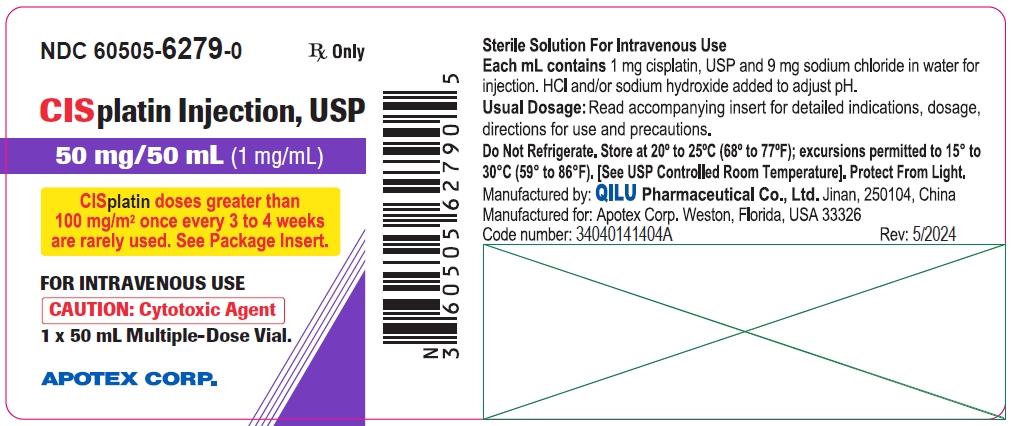
13PRINCIPAL DISPLAY PANEL - Vial
NDC 60505-
CISplatin Injection, USP
50 mg/50 mL (1 mg/mL)
CISplatin doses greater than 100 mg/m
FOR INTRAVENOUS USE
CAUTION: Cytotoxic Agent
1 X 50 mL Multiple-Dose Vial.
APOTEX CORP.
Cisplatin Injection,USP 50 mg/50 mL vial label
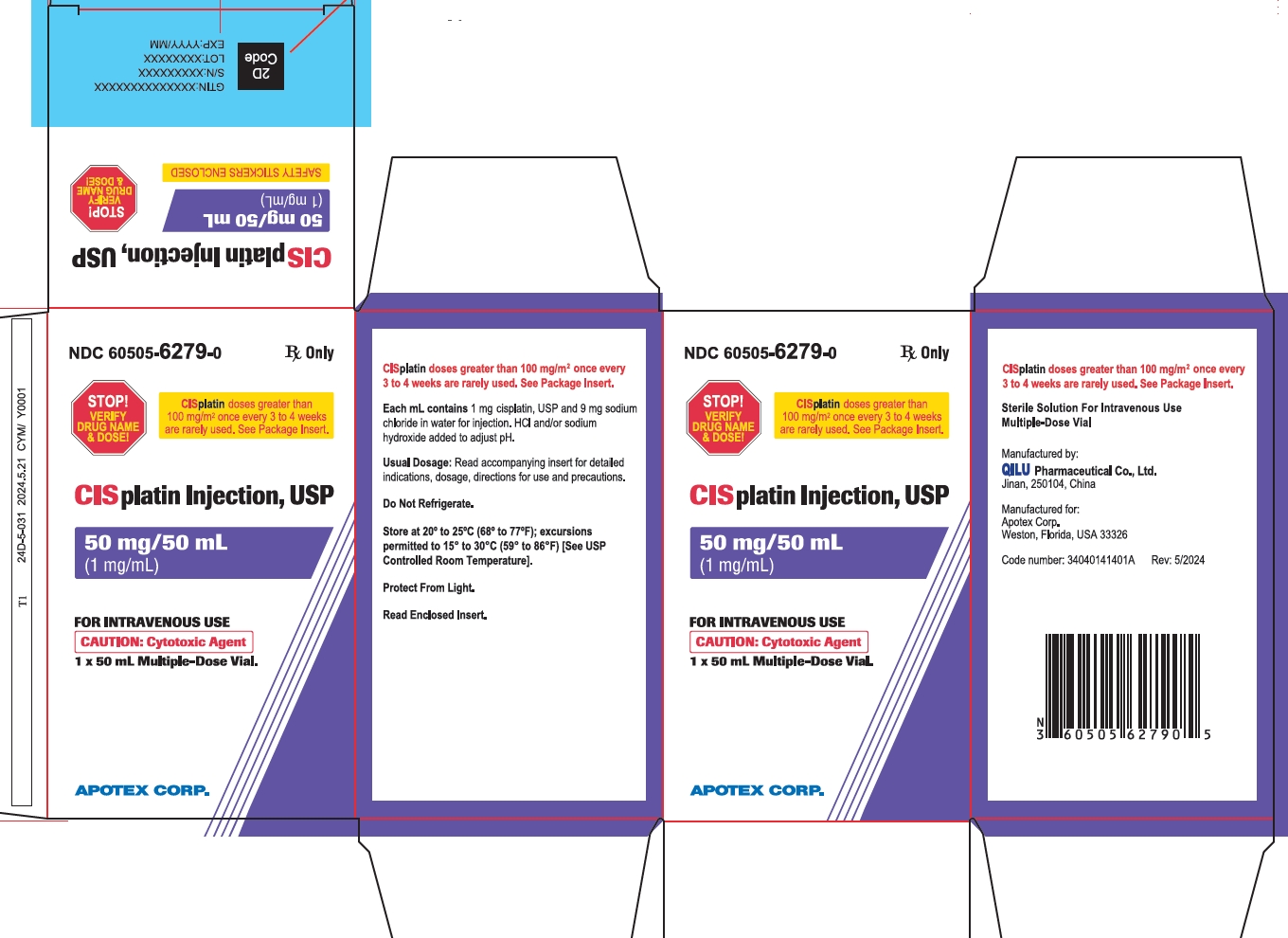
13.1PRINCIPAL DISPLAY PANEL - Carton
DC 60505-
STOP! VERIFY DRUG NAME & DOSE!
CISplatin doses greater than 100 mg/m
CISplatin Injection, USP
50 mg/50 mL
(1 mg/mL)
FOR INTRAVENOUS USE
CAUTION: Cytotoxic Agent
1 X 50 mL Multiple-Dose Vial.
APOTEX CORP.
Cisplatin Injection, USP 50 mg/50 mL carton label
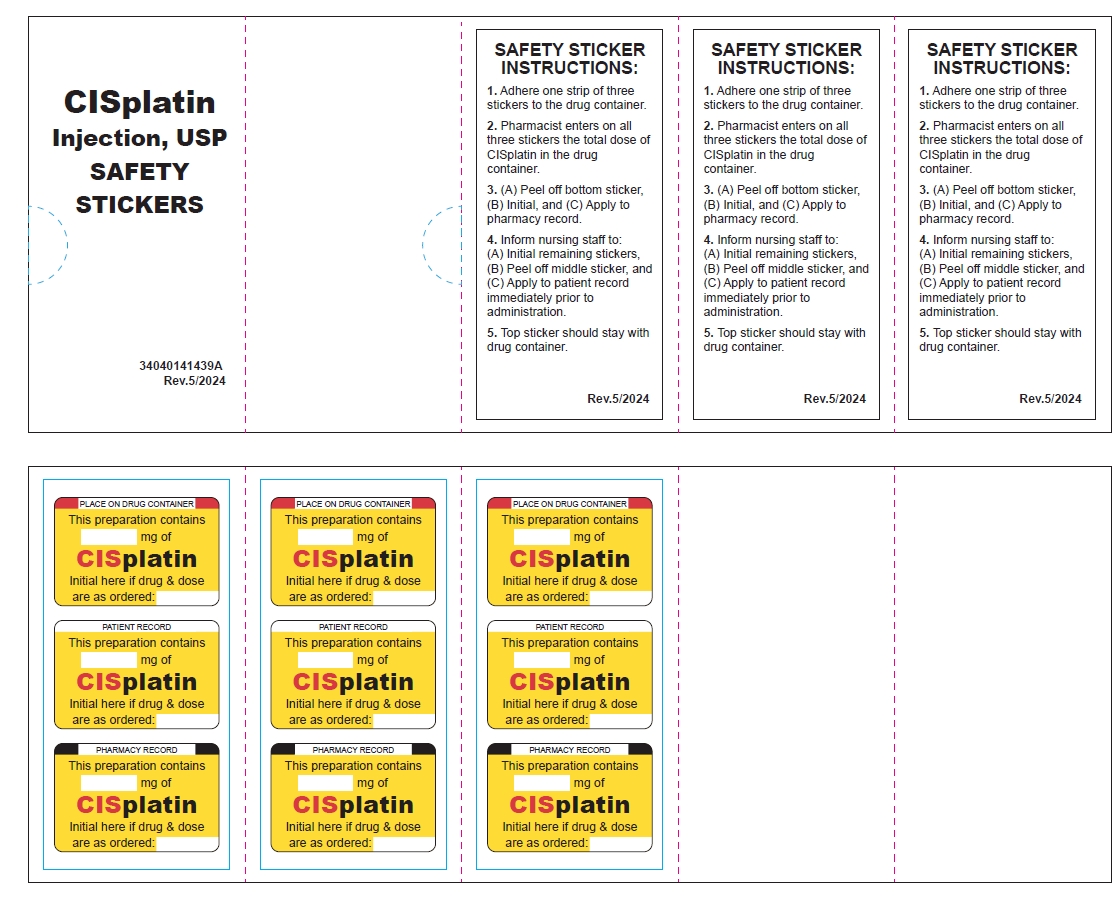
Safety Sticker Enclosed to Drug Carton
safety stickers enclosed to Cisplatin Injection, USP 50 mg/50 mL carton