Leukine
What is Leukine (Sargramostim)?
Approved To Treat


Related Clinical Trials
Summary: This study is a multicenter, open label phase I/ II trial to assess the safety and clinical efficacy of tebentafusp-tebn in combination with liver-directed therapies in HLA-A\*0201 positive patients with metastatic uveal melanoma. In Part 1 of the study, the Prinicipal Investigator will investigate the safety and efficacy of tebentafusp-tebn in combination with hepatic IE in patients with a low to...
Summary: This is a phase II study looking at patient response to treatment with the combination dinutuximab, temozolomide, irinotecan, and GM-CSF.
Summary: The study participant is being asked to take part in this research study because the participant has been diagnosed with neuroblastoma that did not fully respond to previous treatment (refractory), or it has returned after treatment (relapsed). Primary Aims * To evaluate if the administration of N-803 in combination with irinotecan, temozolomide, hu14-18K322A, and GM-CSF in patients with relapsed/...
Related Latest Advances
Brand Information
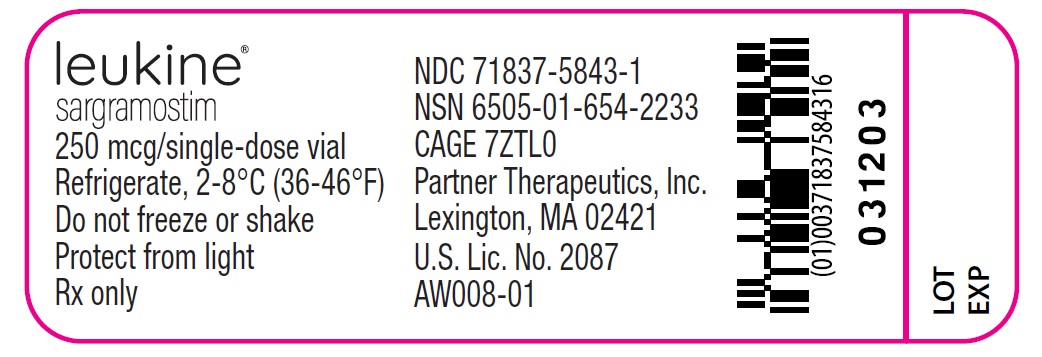
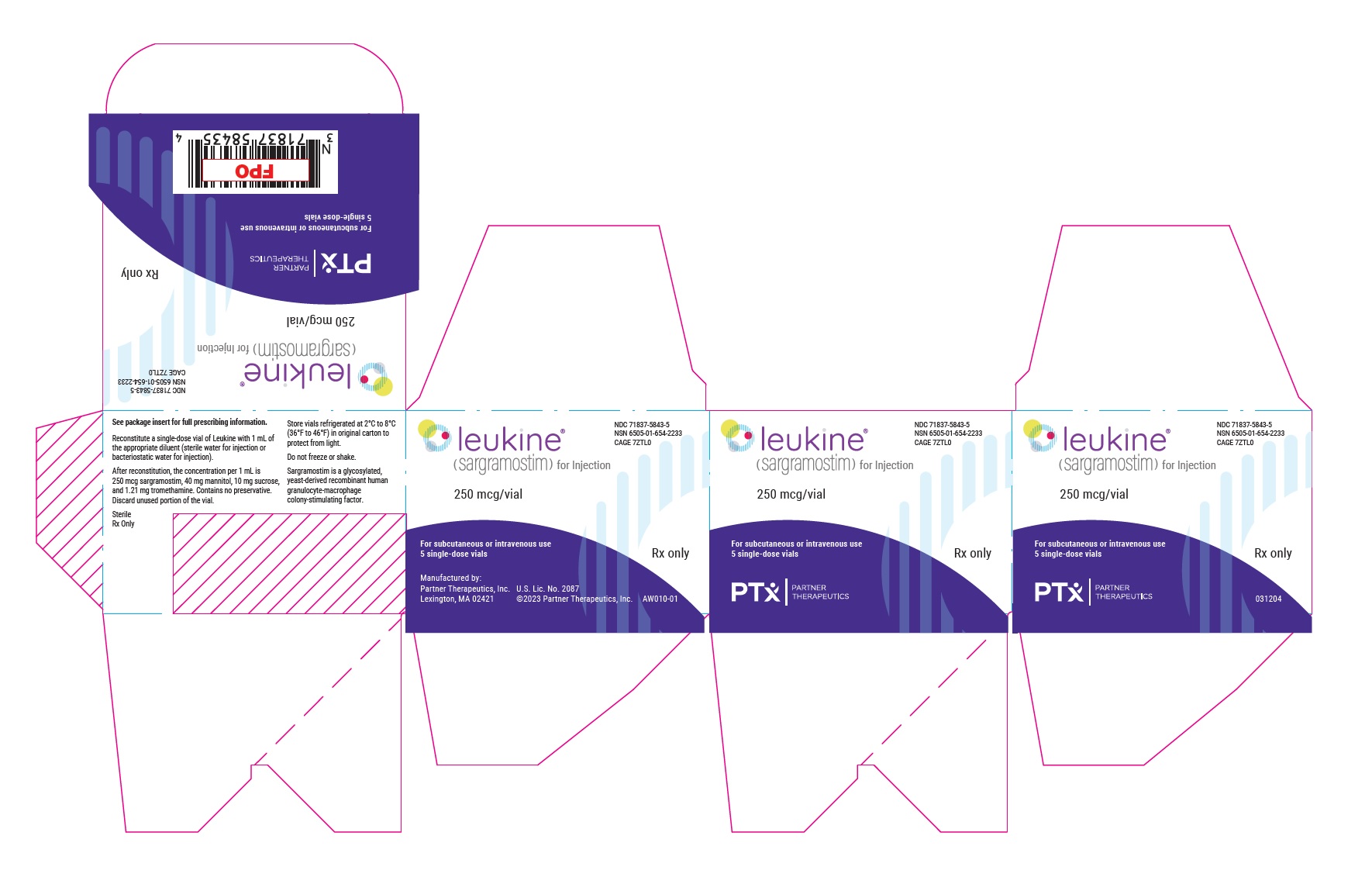
- For injection: 250 mcg of sargramostim as a white lyophilized powder in a single-dose vial for reconstitution
- Hypersensitivity Reactions
- Infusion Related Reactions
- Risk of Severe Myelosuppression when LEUKINE Administered within 24 Hours of Chemotherapy or Radiotherapy
- Effusions and Capillary Leak Syndrome
- Supraventricular Arrhythmias
- Leukocytosis
- Potential Effect on Malignant Cells
- Immunogenicity
- Risk of Serious Adverse Reactions in Infants Due to Benzyl Alcohol Preservative
- Infusion related reactions including dyspnea, hypoxia, flushing, hypotension, syncope and/or tachycardia [see Warnings and Precautions
- Serious allergic reactions/hypersensitivity, including anaphylaxis, skin rash, urticaria, generalized erythema, and flushing
- Effusions and capillary leak syndrome
- Supraventricular arrhythmias
- Leukocytosis including eosinophilia
- Thromboembolic events
- Pain, including chest, abdominal, back, and joint pain
- Injection site reactions
- Serious allergic reactions
- Infusion related reactions
- Risk of severe myelosuppression when LEUKINE administered within 24 hours of chemotherapy or radiotherapy
- Effusions and capillary leak syndrome
- Supraventricular arrhythmias
- Leukocytosis including eosinophilia
- Potential effect on malignant cells
- Pain including chest, abdominal, back, and joint pain
- Thromboembolic events
- Embryofetal Toxicity: Advise females of reproductive potential that LEUKINE may cause fetal harm and to inform their prescriber of a known or suspected pregnancy
- Lactation: Advise lactating woman not to breastfeed during treatment and for at least 2 weeks after the last dose
- Advise patients acutely exposed to myelosuppressive doses of radiation (H-ARS) that efficacy studies of LEUKINE for this indication could not be conducted in humans for ethical and feasibility reasons and that, therefore, approval of this use was based on efficacy studies conducted in animals
- Do not reuse needles, syringes, or unused portions of vials
- Follow local requirements for proper disposal of used syringes, needles, and unused vials