Breast Cancer Treatments
Find Breast Cancer Treatments
Trastuzumab
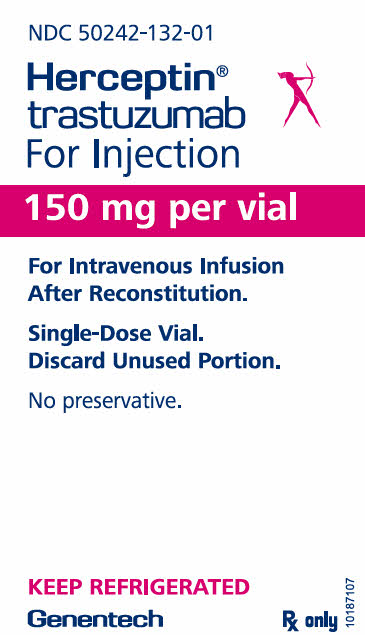
What is Herceptin (Trastuzumab)?
Approved To Treat
Top Global Experts


Related Clinical Trials
Summary: This research is being done to compare rates of hair loss of people with metastatic breast who use scalp cooling versus those who do not use scalp cooling after receiving standard of care treatment with either sacituzumab govitecan, trastuzumab deruxtecan, or eribulin. The name of the study intervention involved in this study is: * Paxman Scalp Cooling System
Objective: To compare the difference in PFS2 (Time from randomization to disease progression after second therapy) between antibody-drug conjugate (ADC) followed by chemotherapy versus chemotherapy followed by ADC in the treatment of advanced HER2-negative breast cancer. Secondary
Summary: Gastric cancer is the fifth most common malignancy worldwide in terms of both incidence and mortality. The majority of cases are diagnosed at advanced stage-often presenting with severe complications such as malignant stricture, obstruction, bleeding, and cancer-related malnutrition-which impinge on quality of life and survival outcomes. For patients with unresectable or metastatic gastric cancer ...
Related Latest Advances
Brand Information
- Cardiomyopathy
- Infusion Reactions
- Embryo-Fetal Toxicity
- Pulmonary Toxicity
- Exacerbation of Chemotherapy-Induced Neutropenia
- Infusion reaction
- Oligohydramnios or oligohydramnios sequence, including pulmonary hypoplasia, skeletal abnormalities, and neonatal death
- Glomerulopathy
- Immune thrombocytopenia
- Tumor lysis syndrome (TLS): Cases of possible TLS have been reported in patients treated with Herceptin. Patients with significant tumor burden (e.g. bulky metastases) may be at a higher risk. Patients could present with hyperuricemia, hyperphosphatemia, and acute renal failure which may represent possible TLS. Providers should consider additional monitoring and/or treatment as clinically indicated.