Cystic Fibrosis Treatments

Find Cystic Fibrosis Treatments

Generic Name

Ivacaftor

Brand Names
Kalydeco, Orkambi, Symdeko, Trikafta
FDA approval date: January 31, 2012
Classification: Cystic Fibrosis Transmembrane Conductance Regulator Potentiator
Form: Tablet, Kit, Granule

What is Kalydeco (Ivacaftor)?

KALYDECO is indicated for the treatment of cystic fibrosis in patients age 4 months and older who have one mutation in the CFTR gene that is responsive to ivacaftor potentiation based on clinical and/or in vitro assay data [see Clinical Pharmacology (1.

Approved To Treat

Save this treatment for later
Sign Up
Not sure about your diagnosis?
Check Your Symptoms
Tired of the same old research?
Check Latest Advances

Related Clinical Trials

Ensuring Access to Optimal Therapy in Cystic Fibrosis: The ENACT Study

Summary: This clinical trial is examining the action and effects of several new drugs in the treatment of cystic fibrosis in children. In addition, several genetic factors are examined. The hope is that the ability to determine prior to treatment those individuals who will or will not respond to existing therapies will avoid needless risk of side effects and the high cost of a potentially ineffective treat...

Rare CFTR Mutation Cell Collection Protocol (RARE)

Summary: Over 1,900 mutations in the gene for the cystic fibrosis transmembrane conductance regulator (CFTR) protein are implicated in causing Cystic Fibrosis (CF). Potential therapies that directly target defective CFTR are being evaluated in important clinical trials, but most target the most common CFTR mutation F508del. Many patients with rare CF mutations are not able to participate in those studies. ...

Long-term Effects of Elexacaftor/Tezacaftor/Ivacaftor (Trikafta) on Exertional Symptoms, Exercise Performance, Ventilatory Responses, and Body Composition in Adults With Cystic Fibrosis

Summary: Shortness of breath (dyspnea) during exercise is a major source of distress and is a commonly reported symptom in patients with cystic fibrosis (CF). A recent drug treatment option known as Trikafta, which contains elexacaftor, tezacaftor, and ivacaftor, may be used in patients with CF to help improve lung health. However, the effects of this combination therapy on dyspnea and exercise performance...

Brand Information

    Kalydeco (ivacaftor)
    1INDICATIONS AND USAGE
    KALYDECO is indicated for the treatment of cystic fibrosis (CF) in patients aged 1 month and older who have at least one mutation in the
    If the patient's genotype is unknown, an FDA-cleared CF mutation test should be used to detect the presence of a
    2DOSAGE FORMS AND STRENGTHS
    Tablets: 150 mg, light blue, film-coated, oblong-shaped tablets, with the characters "V 150" on one side and plain on the other.
    Oral granules: 5.8 mg, 13.4 mg, 25 mg, 50 mg, or 75 mg, white to off-white granules, in unit-dose packets.
    3CONTRAINDICATIONS
    None.
    4ADVERSE REACTIONS
    The following adverse reactions are discussed in greater detail in other sections of the labeling:
    • Transaminase Elevations [
    • Hypersensitivity Reactions, Including Anaphylaxis
    • Intracranial Hypertension
    • Neuropsychiatric Events, Including Suicidal Thoughts and Behaviors
    • Cataracts
    4.1Clinical Trials Experience
    Because clinical trials are conducted under widely varying conditions, adverse reaction rates observed in the clinical trials of a drug cannot be directly compared to rates in the clinical trials of another drug and may not reflect the rates observed in clinical practice.
    The overall safety profile of KALYDECO is based on pooled data from three placebo-controlled clinical trials conducted in 353 patients 6 years of age and older with CF who had a
    • An 8-week, crossover design trial (Trial 4) involving 39 patients between the ages of 6 and 57 years with a
    • A 24-week, placebo-controlled trial (Trial 5) involving 69 patients between the ages of 6 and 68 years with an
    • A 24-week, open-label trial (Trial 6) in 34 patients 2 to less than 6 years of age. Patients eligible for Trial 6 were those with the
    • An 8-week, crossover design trial (Trial 7) involving patients between the ages of 12 and 72 years who were heterozygous for the
    • A 24-week open-label clinical trial in patients with CF aged less than 24 months (Trial 8) including a cohort of 19 patients aged 12 months to less than 24 months, a cohort of 11 patients aged 6 months to less than 12 months, a cohort of 6 patients aged 4 months to less than 6 months, and a cohort of 7 patients aged 1 month to less than 4 months. Patients with a gating mutation or
    Of the 353 patients included in the pooled analyses of patients with CF who had either a
    The proportion of patients who prematurely discontinued study drug due to adverse reactions was 2% for KALYDECO-treated patients and 5% for placebo-treated patients. Serious adverse reactions, whether considered drug-related or not by the investigators, that occurred more frequently in KALYDECO-treated patients, included abdominal pain, increased hepatic enzymes, and hypoglycemia.
    The most common adverse reactions in the 221 patients treated with KALYDECO were headache (17%), upper respiratory tract infection (16%), nasal congestion (16%), nausea (10%), rash (10%), rhinitis (6%), dizziness (5%), arthralgia (5%), and bacteria in sputum (5%).
    The incidence of adverse reactions below is based upon two double-blind, placebo-controlled, 48-week clinical trials (Trials 1 and 2) in a total of 213 patients with CF ages 6 to 53 who have a
    Adverse reactions in the 48-week clinical trials that occurred in the KALYDECO group at a frequency of 4 to 7% where rates exceeded that in the placebo group include:
    • Infections and infestations: rhinitis
    • Investigations: aspartate aminotransferase increased, bacteria in sputum, blood glucose increased, hepatic enzyme increased
    • Musculoskeletal and connective tissue disorders: arthralgia, musculoskeletal chest pain, myalgia
    • Nervous system disorders: sinus headache
    • Respiratory, thoracic and mediastinal disorders: pharyngeal erythema, pleuritic pain, sinus congestion, wheezing
    • Skin and subcutaneous tissue disorders: acne
    The safety profile for the CF patients enrolled in the other clinical trials (Trials 3-8) was similar to that observed in the 48-week, placebo-controlled trials (Trials 1 and 2).
    5DRUG INTERACTIONS
    Potential for other drugs to affect ivacaftor
    5.1Inhibitors of CYP3A
    Ivacaftor is a sensitive CYP3A substrate. Co-administration with ketoconazole, a strong CYP3A inhibitor, significantly increased ivacaftor exposure [measured as area under the curve (AUC)] by 8.5-fold. Based on simulations of these results, a reduction of the KALYDECO dosage is recommended for patients aged 6 months and older taking concomitant strong CYP3A inhibitors, such as ketoconazole, itraconazole, posaconazole, voriconazole, telithromycin, and clarithromycin. KALYDECO is not recommended for patients less than 6 months of age taking strong CYP3A inhibitors
    Co-administration with fluconazole, a moderate inhibitor of CYP3A, increased ivacaftor exposure by 3-fold. Therefore, a reduction of the KALYDECO dosage is recommended for patients aged 6 months and older taking concomitant moderate CYP3A inhibitors, such as fluconazole and erythromycin. KALYDECO is not recommended for patients less than 6 months of age taking moderate CYP3A inhibitors
    Co-administration of KALYDECO with grapefruit juice, which contains one or more components that moderately inhibit CYP3A, may increase exposure of ivacaftor. Therefore, avoid food or drink containing grapefruit during treatment with KALYDECO [
    5.2Inducers of CYP3A
    Co-administration with rifampin, a strong CYP3A inducer, significantly decreased ivacaftor exposure (AUC) by approximately 9-fold. Therefore, co-administration with strong CYP3A inducers, such as rifampin, rifabutin, phenobarbital, carbamazepine, phenytoin, and St. John's wort is not recommended [
    5.3Ciprofloxacin
    Co-administration of KALYDECO with ciprofloxacin had no effect on the exposure of ivacaftor. Therefore, no dosage adjustment is necessary during concomitant administration of KALYDECO with ciprofloxacin [
    Potential for ivacaftor to affect other drugs
    5.4CYP2C9 Substrates
    Ivacaftor may inhibit CYP2C9; therefore, monitoring of the international normalized ratio (INR) during co-administration of KALYDECO with warfarin is recommended. Other therapeutic products for which exposure may be increased by KALYDECO include glimepiride and glipizide; these therapeutic products should be used with caution
    5.5CYP3A and/or P-gp Substrates
    Ivacaftor and its M1 metabolite have the potential to inhibit CYP3A and P-gp. Co-administration with oral midazolam, a sensitive CYP3A substrate, increased midazolam exposure 1.5-fold, consistent with weak inhibition of CYP3A by ivacaftor. Co-administration with digoxin, a sensitive P-gp substrate, increased digoxin exposure by 1.3-fold, consistent with weak inhibition of P-gp by ivacaftor. Administration of KALYDECO may increase systemic exposure of drugs that are substrates of CYP3A and/or P-gp, which may increase or prolong their therapeutic effect and adverse events. Therefore, caution and appropriate monitoring are recommended when co-administering KALYDECO with sensitive CYP3A and/or P-gp substrates, such as digoxin, cyclosporine, and tacrolimus [
    6OVERDOSAGE
    There have been no reports of overdose with KALYDECO.
    No specific antidote is available for overdose with KALYDECO. Treatment of overdose with KALYDECO consists of general supportive measures including monitoring of vital signs and observation of the clinical status of the patient.
    7DESCRIPTION
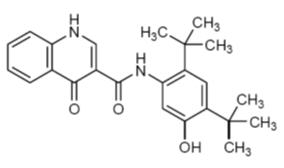
    The active ingredient in KALYDECO tablets and oral granules is ivacaftor, a cystic fibrosis transmembrane conductance regulator potentiator, which has the following chemical name:
    Chemical Structure
    Ivacaftor is a white to off-white powder that is practically insoluble in water (<0.05 microgram/mL).
    KALYDECO is available as a light blue, oblong-shaped, film-coated tablet for oral administration containing 150 mg of ivacaftor. Each KALYDECO tablet contains 150 mg of ivacaftor and the following inactive ingredients: colloidal silicon dioxide, croscarmellose sodium, hypromellose acetate succinate, lactose monohydrate, magnesium stearate, microcrystalline cellulose, and sodium lauryl sulfate. The tablet film coat contains carnauba wax, FD&C Blue #2, PEG 3350, polyvinyl alcohol, talc, and titanium dioxide. The printing ink contains ammonium hydroxide, iron oxide black, propylene glycol, and shellac.
    KALYDECO is also available as white to off-white granules for oral administration (sweetened but unflavored) and enclosed in a unit-dose packet containing 5.8 mg of ivacaftor, 13.4 mg of ivacaftor, 25 mg of ivacaftor, 50 mg of ivacaftor, or 75 mg of ivacaftor. Each unit-dose packet of KALYDECO oral granules contains 5.8 mg of ivacaftor, 13.4 mg of ivacaftor, 25 mg of ivacaftor, 50 mg of ivacaftor, or 75 mg of ivacaftor and the following inactive ingredients: colloidal silicon dioxide, croscarmellose sodium, hypromellose acetate succinate, lactose monohydrate, magnesium stearate, mannitol, sucralose, and sodium lauryl sulfate.
    8HOW SUPPLIED/STORAGE AND HANDLING
    KALYDECO (ivacaftor) tablets are supplied as light blue, film-coated, oblong-shaped tablets containing 150 mg of ivacaftor. Each tablet is printed with the characters "V 150" on one side and plain on the other, and is packaged as follows:
    KALYDECO (ivacaftor) oral granules are supplied as small, white to off-white granules and enclosed in unit-dose packets as follows:
    9PATIENT COUNSELING INFORMATION
    Advise the patient to read the FDA-approved patient labeling (
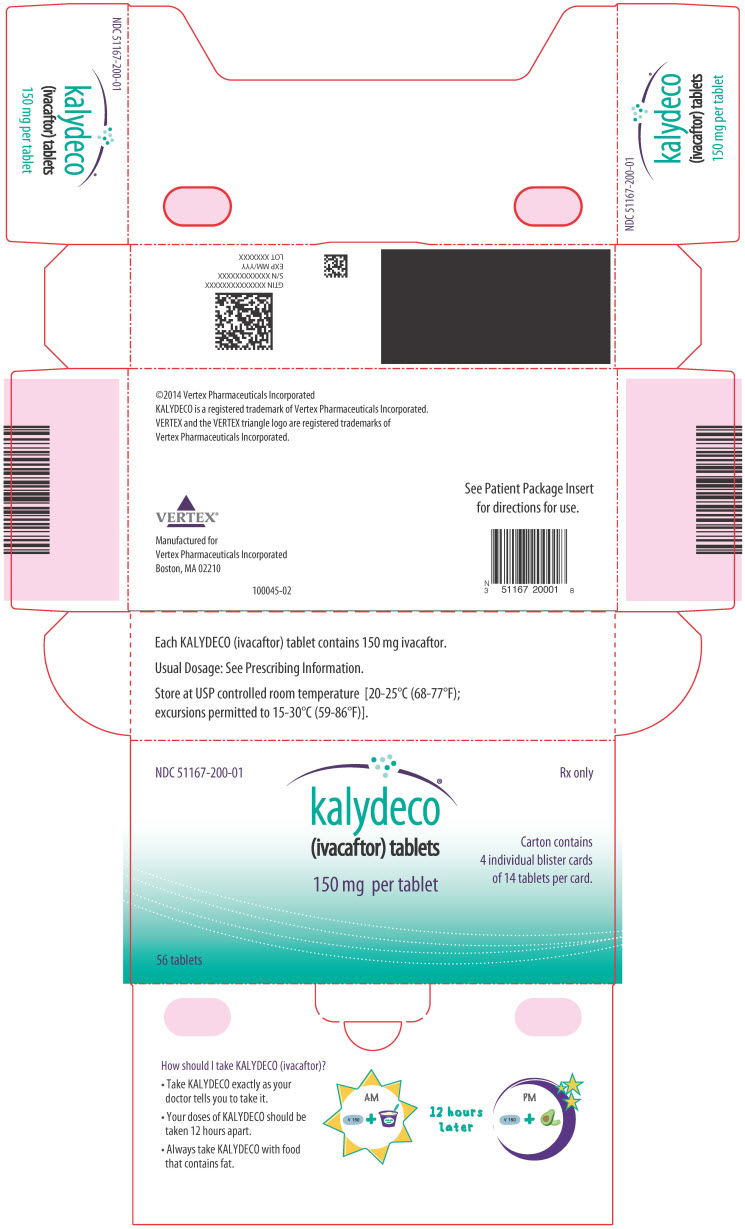
    10PRINCIPAL DISPLAY PANEL - 150 mg Tablet Blister Card Carton
    NDC 51167-200-01
    kalydeco
    150 mg per tablet
    Carton contains
    56 tablets
    PRINCIPAL DISPLAY PANEL - 150 mg Tablet Blister Card Carton
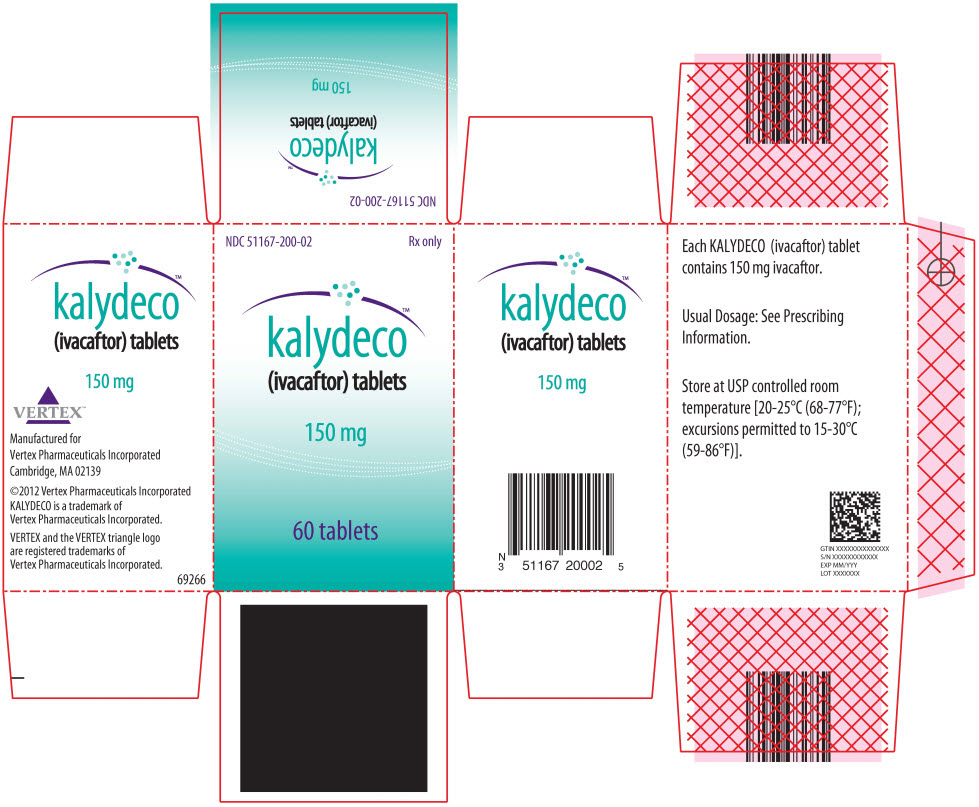
    11PRINCIPAL DISPLAY PANEL - 150 mg Tablet Bottle Carton
    NDC 51167-200-02
    kalydeco™
    150 mg
    60 tablets
    PRINCIPAL DISPLAY PANEL - 150 mg Tablet Bottle Carton
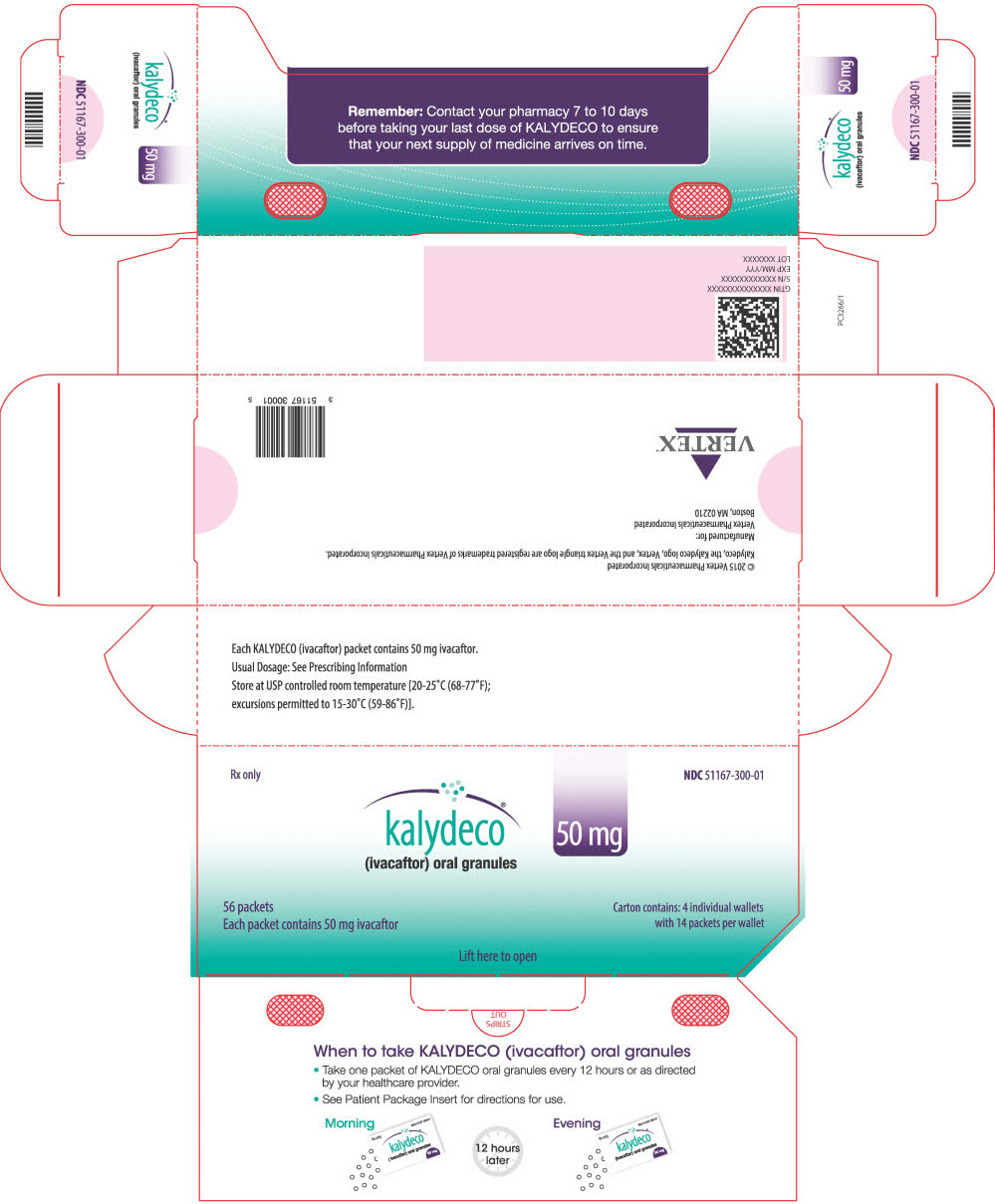
    12PRINCIPAL DISPLAY PANEL - 50 mg Granule Packet Carton
    Rx only
    kalydeco
    50 mg
    56 packets
    Carton contains: 4 individual wallets
    Lift here to open
    PRINCIPAL DISPLAY PANEL - 50 mg Granule Packet Carton
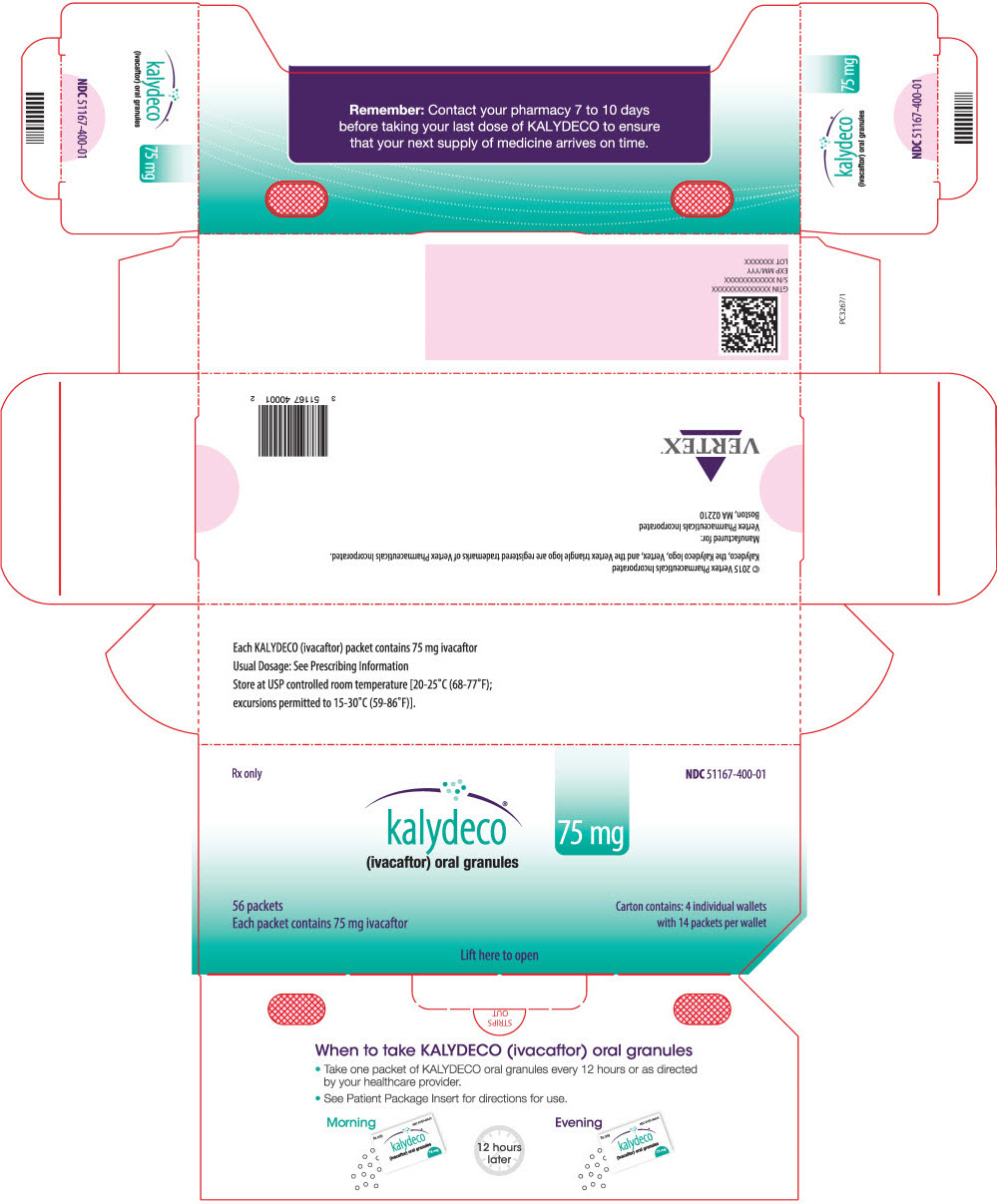
    13PRINCIPAL DISPLAY PANEL - 75 mg Granule Packet Carton
    Rx only
    kalydeco
    75 mg
    56 packets
    Carton contains: 4 individual wallets
    Lift here to open
    PRINCIPAL DISPLAY PANEL - 75 mg Granule Packet Carton
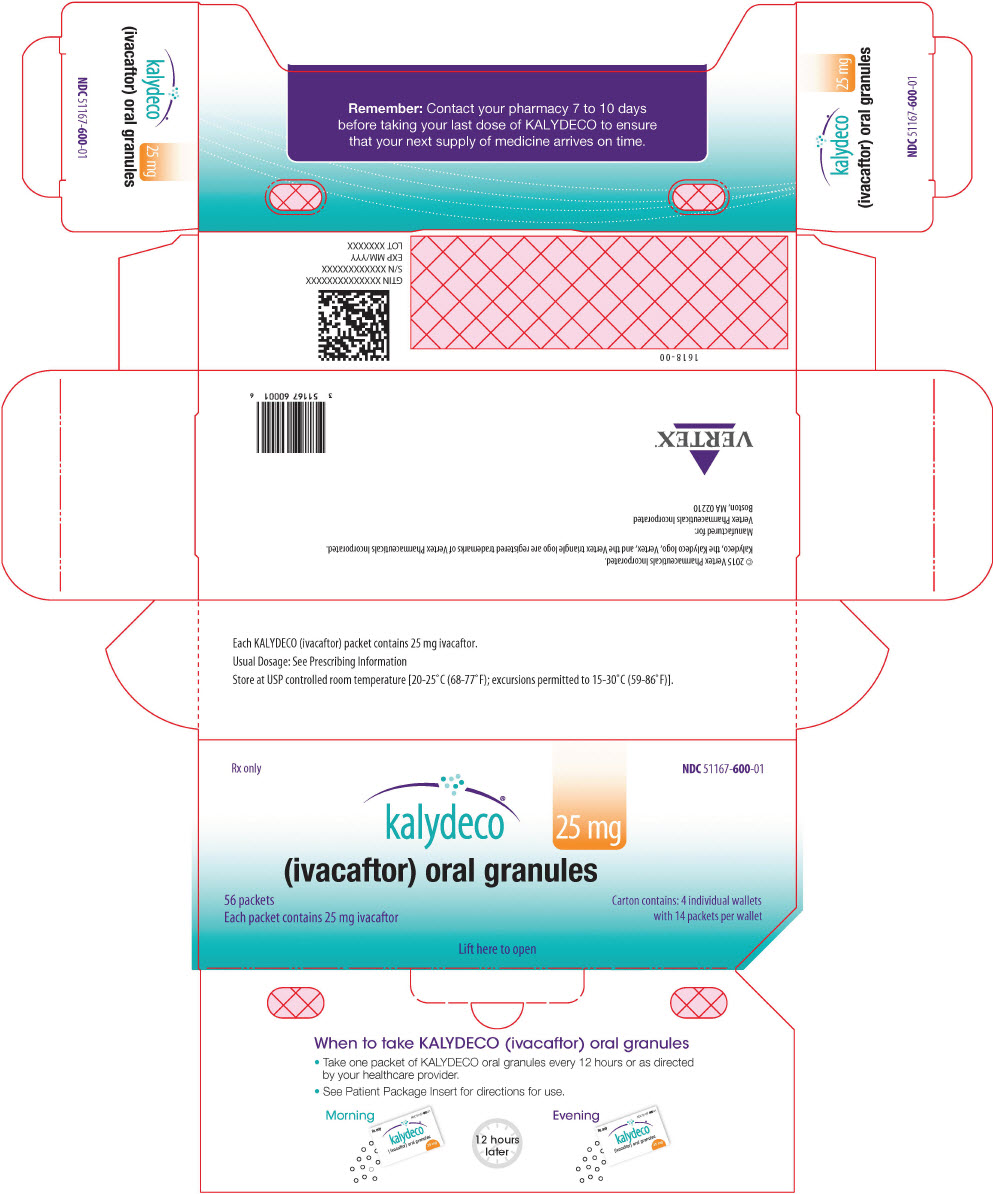
    14PRINCIPAL DISPLAY PANEL - 25 mg Granule Packet Carton
    Rx only
    kalydeco
    25 mg
    56 packets
    Carton contains: 4 individual wallets
    Lift here to open
    PRINCIPAL DISPLAY PANEL - 25 mg Granule Packet Carton
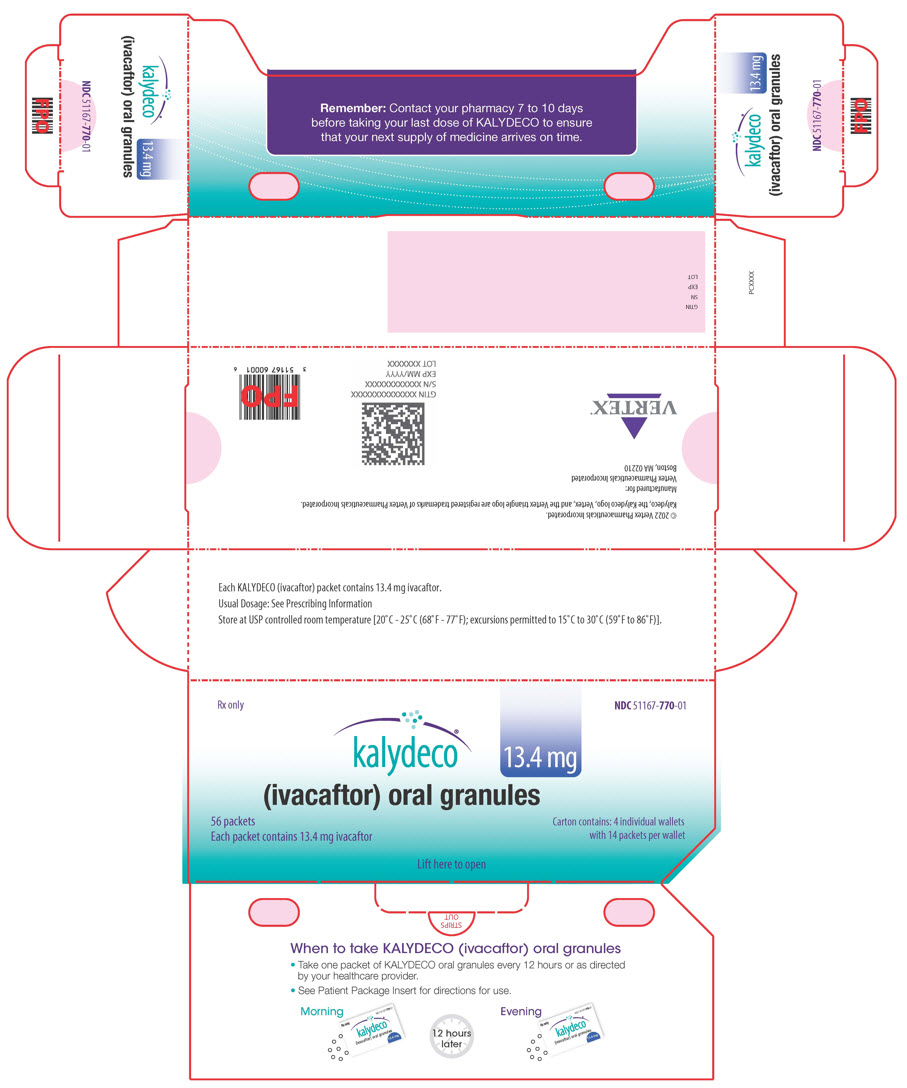
    15PRINCIPAL DISPLAY PANEL - 13.4 mg Granule Packet Carton
    Rx only
    kalydeco
    13.4 mg
    56 packets
    Carton contains: 4 individual wallets
    Lift here to open
    PRINCIPAL DISPLAY PANEL - 13.4 mg Granule Packet Carton
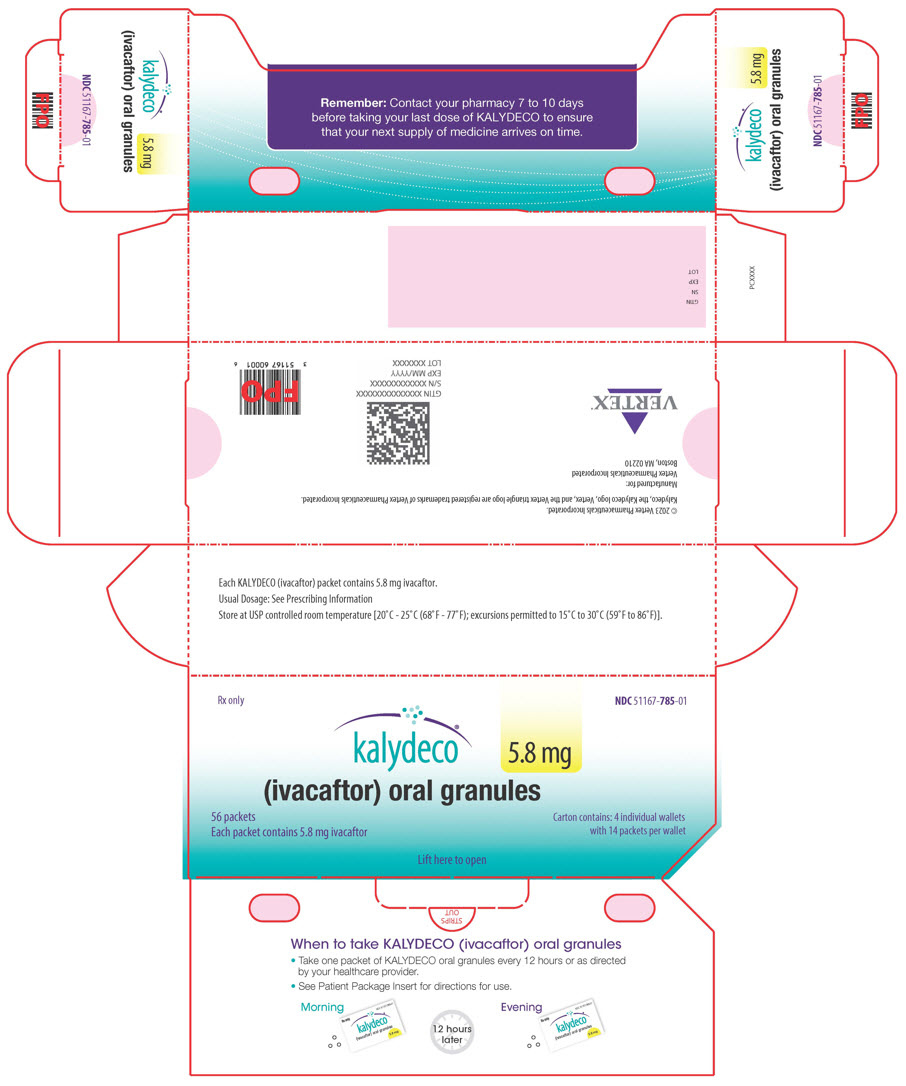
    16PRINCIPAL DISPLAY PANEL - 5.8 mg Granule Packet Carton
    Rx only
    kalydeco
    5.8 mg
    56 packets
    Carton contains: 4 individual wallets
    Lift here to open
    PRINCIPAL DISPLAY PANEL - 5.8 mg Granule Packet Carton