Diabetic Ketoacidosis Treatments
Find Diabetic Ketoacidosis Treatments
Empagliflozin
What is Glyxambi (Empagliflozin)?
Approved To Treat
Top Global Experts


Related Clinical Trials
Summary: Women with HIV have an increased risk of having a myocardial infarction (heart attack) as compared to women without HIV. One of the mechanisms underlying the increased risk of myocardial infarction among women with HIV may involve reduced ability to increase blood flow through large and small coronary arteries at times when increased flow of oxygen-carrying blood is needed. We are conducting a stu...
Summary: This study is looking at whether empagliflozin, a medication typically used for diabetes and heart conditions, may affect factors that contribute to kidney stone formation. The research focuses on people who have had calcium-based kidney stones, i.e. calcium oxalate or calcium phosphate stones. Previous studies in those without kidney stones found that empagliflozin increased urinary citrate level...
Summary: Hyponatremia is the most common electrolyte derangement occurring in hospitalized patients. It is usually classified as hypovolemic, euvolemic or hypervolemic. The most common aetiology of euvolemic hyponatremia is the syndrome of inappropriate antidiuresis (SIAD). Hypervolemic hyponatremia is common in patients with congestive heart failure (CHF) (10-27%) and liver cirrhosis (up to approximately ...
Related Latest Advances
Brand Information
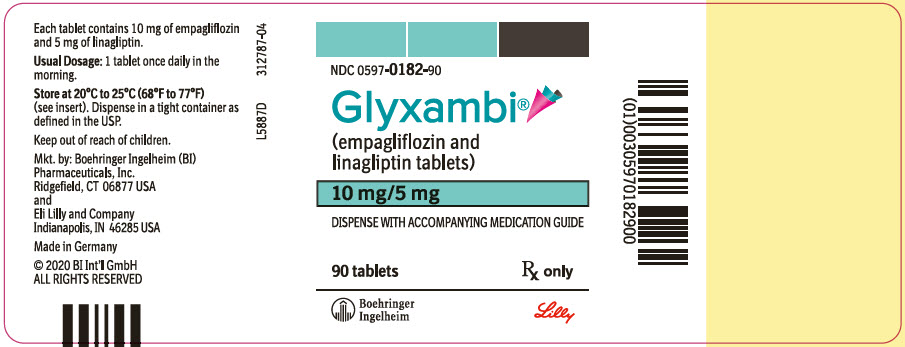
- 10 mg empagliflozin/5 mg linagliptin are pale yellow, arc triangular, flat-faced, bevel-edged, film-coated tablets. One side is debossed with the Boehringer Ingelheim company symbol; the other side is debossed with "10/5".
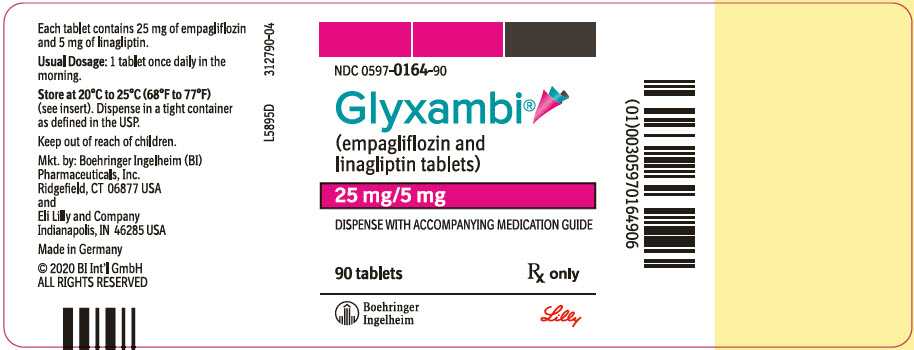
- 25 mg empagliflozin/5 mg linagliptin are pale pink, arc triangular, flat-faced, bevel-edged, film-coated tablets. One side is debossed with the Boehringer Ingelheim company symbol; the other side is debossed with "25/5".
- with a hypersensitivity to empagliflozin, linagliptin, or any of the excipients in GLYXAMBI, reactions such as anaphylaxis, angioedema, exfoliative skin conditions, urticaria, or bronchial hyperreactivity have occurred
- Diabetic Ketoacidosis in Patients with Type 1 Diabetes Mellitus and Other Ketoacidosis
- Pancreatitis
- Volume Depletion
- Genitourinary Infections, including Urosepsis, Pyelonephritis, Necrotizing Fasciitis of the Perineum (Fournier's Gangrene), and Genital Mycotic Infections
- Hypoglycemia with Concomitant Use with Insulin and Insulin Secretagogues
- Lower Limb Amputation
- Hypersensitivity Reactions
- Severe and Disabling Arthralgia
- Bullous Pemphigoid
- Heart Failure