Trimethoprim
What is Sulfamethoxazole (Trimethoprim)?
Approved To Treat

Related Clinical Trials
Summary: The primary aim of this study is to assess the utility of prophylactic oral antibiotics at time of Bulkamid transurethral bulking to reduce the incidence of urinary tract infection (UTI) in the immediate postoperative period. The secondary aims of the study include assessing UTI rates and success rates if patients require temporary indwelling catheter versus intermittent self-catheterization (ISC)...
Summary: This study is being conducted to find out how safe and effective different strategies of infection prevention are in comparison to each other, for preventing infection in patients with blood cancers. The best way to find out this information is to directly compare the effect of different treatment strategies in patients with blood cancers. We want to know how these different treatments impact on y...
Summary: This study is being conducted to find out how safe and effective different strategies of infection prevention are in comparison to each other, for preventing infection in patients with blood cancers. The best way to find out this information is to directly compare the effect of different treatment strategies in patients with blood cancers. We want to know how these different treatments impact on y...
Related Latest Advances
Brand Information
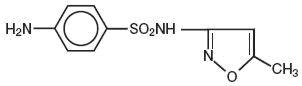
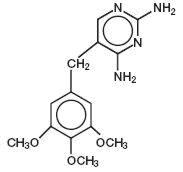
Klebsiella species
Enterobacter species
Haemophilus influenzae
Morganella morganii
Proteus mirabilis
Proteus vulgaris
Shigella flexneriShigella sonnei
For the treatment of documented Pneumocystis jiroveci pneumonia and for prophylaxis against P. jiroveci pneumonia in individuals who are immunosuppressed and considered to be at an increased risk of developing P. jiroveci pneumonia.
Some epidemiologic studies suggest that exposure to sulfamethoxazole and trimethoprim during pregnancy may be associated with an increased risk of congenital malformations, particularly neural tube defects, cardiovascular malformations, urinary tract defects, oral clefts, and club foot. If sulfamethoxazole and trimethoprim is used during pregnancy, or if the patient becomes pregnant while taking this drug, the patient should be advised of the potential hazards to the fetus.
Hypersensitivity and Other Fatal Reactions
Fatalities associated with the administration of sulfonamides, although rare, have occurred due to severe reactions, including Stevens-Johnson syndrome, toxic epidermal necrolysis, fulminant hepatic necrosis, agranulocytosis, aplastic anemia and other blood dyscrasias.
Sulfonamides, including sulfonamide-containing products such as sulfamethoxazole and trimethoprim, should be discontinued at the first appearance of skin rash or any sign of adverse reaction. In rare instances, a skin rash may be followed by a more severe reaction, such as Stevens-Johnson syndrome, toxic epidermal necrolysis, hepatic necrosis, and serious blood disorders (see PRECAUTIONS). Clinical signs, such as rash, sore throat, fever, arthralgia, pallor, purpura or jaundice may be early indications of serious reactions.
Cough, shortness of breath, and pulmonary infiltrates are hypersensitivity reactions of the respiratory tract that have been reported in association with sulfonamide treatment.
Thrombocytopenia
Sulfamethoxazole and trimethoprim-induced thrombocytopenia may be an immune-mediated disorder. Severe cases of thrombocytopenia that are fatal or life threatening have been reported. Thrombocytopenia usually resolves within a week upon discontinuation of sulfamethoxazole and trimethoprim.
Streptococcal Infections and Rheumatic Fever
The sulfonamides should not be used for treatment of group A β-hemolytic streptococcal infections. In an established infection, they will not eradicate the streptococcus and, therefore, will not prevent sequelae such as rheumatic fever.
Clostridium Difficile Associated Diarrhea
Clostridium difficile associated diarrhea (CDAD) has been reported with use of nearly all antibacterial agents, including sulfamethoxazole and trimethoprim, and may range in severity from mild diarrhea to fatal colitis. Treatment with antibacterial agents alters the normal flora of the colon leading to overgrowth of C. difficile.
C. difficile produces toxins A and B which contribute to the development of CDAD. Hypertoxin producing strains of C. difficile cause increased morbidity and mortality, as these infections can be refractory to antimicrobial therapy and may require colectomy. CDAD must be considered in all patients who present with diarrhea following antibiotic use. Careful medical history is necessary since CDAD has been reported to occur over two months after the administration of antibacterial agents.
If CDAD is suspected or confirmed, ongoing antibiotic use not directed against C. difficile may need to be discontinued. Appropriate fluid and electrolyte management, protein supplementation, antibiotic treatment of C. difficile, and surgical evaluation should be instituted as clinically indicated.
Adjunctive Treatment with Leucovorin for Pneumocystis jiroveci Pneumonia
Treatment failure and excess mortality were observed when trimethoprim-sulfamethoxazole was used concomitantly with leucovorin for the treatment of HIV positive patients with Pneumocystis jiroveci pneumonia in a randomized placebo controlled trial.6 Co-administration of trimethoprim-sulfamethoxazole and leucovorin during treatment of Pneumocystis jiroveci pneumonia should be avoided.
- Thrombotic thrombocytopenia purpura
- Idiopathic thrombocytopenic purpura
- QT prolongation resulting in ventricular tachycardia and
Sulfamethoxazole and trimethoprim tablets are contraindicated in pediatric patients less than 2 months of age.
Sulfamethoxazole and Trimethoprim Tablets USP, 800 mg/160 mg are white to off-white oval, beveled edge uncoated tablets, debossed with “H 49” on one side and deep break line on other side.
55700-611-10
- Kremers P, Duvivier J, Heusghem C. Pharmacokinetic Studies of Co-Trimoxazole in Man after Single and Repeated Doses.
- Kaplan SA, et al. Pharmacokinetic Profile of Trimethoprim-Sulfamethoxazole in Man.
- Varoquaux O, et al. Pharmacokinetics of the trimethoprim-sulfamethoxazole combination in the elderly.
- Rudoy RC, Nelson JD, Haltalin KC.
- Clinical and Laboratory Standards Institute.
- Safrin S, Lee BL, Sande MA. Adjunctive folinic acid with trimethoprim-sulfamethoxazole for
- Hardy DW, et al. A controlled trial of trimethoprim-sulfamethoxazole or aerosolized pentamidine for secondary prophylaxis of
- Marinella Mark A. 1999. Trimethoprim-induced hyperkalemia: An analysis of reported cases.
- Margassery, S. and B. Bastani. 2002. Life threatening hyperkalemia and acidosis secondary to trimethoprim-sulfamethoxazole treatment.
- Brumfitt W, Pursell R. Trimethoprim/Sulfamethoxazole in the Treatment of Bacteriuria in Women.
- Masur H. Prevention and treatment of
- Recommendations for prophylaxis against
- CDC Guidelines for prophylaxis against
- Clinical and Laboratory Standards Institute.
- Clinical and Laboratory Standards Institute (CLSI).
Rising Health, LLC
Saddle Brook, NJ 07663
Made in India
Code: TS/DRUGS/22/2009
Revised: 12/2017