Gastric Bypass ProcedureDescription, Latest Information and Doctors
Learn About Gastric Bypass
Gastric bypass is surgery that helps you lose weight by changing how your stomach and small intestine handle the food you eat.
After the surgery, your stomach will be smaller. You will feel full with less food.
Also, the food you eat will no longer go into some parts of your small intestine that absorb the nutrients in food. Because of this, your body will not get all of the calories from the food you eat, and the hormones your body makes in response to the passage of food will change.
Bariatric surgery - gastric bypass; Roux-en-Y gastric bypass; Gastric bypass - Roux-en-Y; Weight-loss surgery - gastric bypass; Obesity surgery - gastric bypass; Metabolic and bariatric surgery or MBS
You will have general anesthesia before this surgery. You will be asleep and pain-free.
There are 2 steps during gastric bypass surgery:
- The first step makes your stomach smaller. Your surgeon uses staples to divide your stomach into a small upper section and a larger bottom section. The top section of your stomach (called the pouch) is where the food you eat will go. The pouch is about the size of a walnut. It holds only about 1 ounce (oz) or 28 grams (g) of food. Because of this you will eat less.
- The second step is the bypass. Your surgeon connects a part of your small intestine (the jejunum) to a small hole in your pouch. The food you eat will now travel from the pouch into this new opening and into your small intestine below where it would normally go, thus bypassing part of your small intestine. As a result, your body will absorb fewer calories. This bypass also changes hormonal signals that pass from your intestine to your brain.
Gastric bypass can be done in two ways. With open surgery, your surgeon makes a large surgical cut to open your belly. The bypass is done by working on your stomach, small intestine, and other organs.
Another way to do this surgery is to use a scope with a tiny camera, called a laparoscope. This camera is placed in your belly. The surgery is called laparoscopy. The scope allows the surgeon to see inside your belly.
In laparoscopic surgery:
- The surgeon makes 4 to 6 small cuts in your belly.
- The scope and instruments needed to perform the surgery are inserted through these cuts.
- The camera is connected to a video monitor in the operating room. This allows the surgeon to view inside your belly while doing the operation.
Advantages of laparoscopy over open surgery include:
- Shorter hospital stay and quicker recovery
- Less pain
- Smaller scars and a lower risk for getting a hernia or infection
This surgery takes about 2 to 4 hours.
Weight-loss surgery (also called metabolic and bariatric surgery or MBS) may be an option if you have moderate to high-risk obesity and have not been able to lose enough weight and get healthier through diet, exercise, and medicines.
Health care providers often use the body mass index (BMI) and health conditions such as type 2 diabetes (most often diabetes that started in adulthood), asthma, and high blood pressure to determine which people are most likely to benefit from MBS.
Gastric bypass surgery is not a quick fix for obesity. It will greatly change your lifestyle. After this surgery, you must eat healthy foods, control portion sizes of what you eat, and exercise. If you do not follow these measures, you may have complications from the surgery, poor weight loss or can even continue to gain weight.
Be sure to discuss the benefits and risks with your surgeon.
This procedure may be recommended for the following people with obesity:
People with a BMI of 35 or more. Someone with a BMI of 35 or more is 80 or more pounds (36.3 kilograms) over their recommended weight. A healthy BMI is 18.5 to 24.9.
People who are Asian who have a BMI of 27.5 or more. Health risks in Asian people occur at a lower BMI than in non-Asian people.
People with a BMI of 30 to 34.9 (or a BMI of 25 or more in people who are Asian) who also have a serious medical condition that might improve with weight loss. Some of these conditions are:
- Obstructive sleep apnea
- Type 2 diabetes
- Asthma
- High blood cholesterol
- Metabolic dysfunction-associated fatty liver disease (MAFLD)
- Metabolic dysfunction-associated steatohepatitis (MASH)
- Heart disease
Gastric bypass is major surgery and it has possible risks. Some of these risks are very serious. You should discuss these risks with your surgeon.
Risks of having anesthesia and surgery in general include:
- Allergic reactions to medicines
- Breathing problems
- Bleeding, blood clots
- Heart problems
- Infections
Risks of gastric bypass include:
- Gastritis (inflamed stomach lining), heartburn, or stomach ulcers
- Injury to the stomach, intestines, or other organs during surgery
- Leaking from the line where parts of the stomach and intestine have been stapled together
- Poor nutrition
- Scarring inside your belly that could lead to a blockage in your bowel in the future
- Vomiting from eating more than your stomach pouch can hold
- Dumping syndrome (when food moves too rapidly from the stomach to the jejunum), especially after eating a meal rich in starches and sugars.
Your surgeon may ask you to have tests and visits with other providers before you have this surgery. Some of these are:
- A complete physical exam.
- Blood tests, possible ultrasound of your gallbladder, and other tests to make sure you are healthy enough to have surgery.
- Nutritional counseling.
- Classes to help you learn what happens during the surgery, what you should expect afterward, and what risks or problems may occur afterward.
- You will visit with a counselor to make sure you are emotionally ready for this surgery. You must be able to make major changes in your lifestyle after surgery.
Tell your surgeon or nurse if:
- You are or could be pregnant
- You are taking any medicines, including medicines, supplements, or herbs you bought without a prescription
- You have been drinking a lot of alcohol, more than 1 or 2 drinks a day
Planning for your surgery:
- If you have diabetes, heart disease, or other medical conditions, your surgeon may ask you to see the provider who treats you for these conditions.
- If you smoke, it's important to cut back or quit. Smoking can slow healing and increase the risk for blood clots. Ask your provider for help quitting smoking.
- If needed, prepare your home to make it easier to recover after surgery.
- Ask your surgeon if you need to arrange to have someone drive you home after your surgery.
During the week before your surgery:
- You may be asked to temporarily stop taking medicines that keep your blood from clotting. These medicines are called blood thinners. This includes over-the-counter medicines and supplements such as aspirin, ibuprofen (Advil, Motrin), naproxen (Aleve, Naprosyn), and vitamin E. Many prescription medicines are also blood thinners.
- Ask your surgeon which medicines you should still take on the day of surgery.
- Let your surgeon know about any illness you may have before your surgery. This includes COVID-19, a cold, flu, fever, herpes outbreak, or other illness. If you do get sick, your surgery may need to be postponed.
On the day of surgery:
- Follow instructions about when to stop eating and drinking.
- Take the medicines your surgeon told you to take with a small sip of water.
- Arrive at the hospital on time.
Most people stay in the hospital for 1 to 4 days after surgery. It can sometimes be done in an outpatient surgery center.
In the hospital:
- You will be asked to sit on the side of the bed and walk a little on the same day you have surgery.
- You may have a tube that goes through your nose into your stomach for 1 or 2 days. This tube helps drain fluids from your intestine.
- You may have a catheter in your bladder to remove urine.
- After surgery you can have liquids for about a week and then advance to pureed foods.
- You may have a tube connected to the larger part of your stomach that was bypassed. The tube will come out of your side and will drain fluids.
- You will wear special stockings on your legs to help prevent blood clots from forming.
- You will receive shots of medicine to prevent blood clots.
- You will receive pain medicine. You will take pills for pain or receive pain medicine through an IV, a catheter that goes into your vein.
You will be able to go home when:
- You can drink liquids without vomiting.
- You can move around without a lot of pain.
- You do not need pain medicine through an IV or given by shot.
Be sure to follow instructions for how to care for yourself at home.
Most people lose about 10 to 20 lbs (4.5 to 9 kgs) a month in the first year after surgery. Weight loss will decrease over time. By sticking to your diet and exercise program from the beginning, you will lose more weight and get healthier.
You may lose one half or more of your extra weight in the first 2 years.
This surgery can improve many medical conditions, including:
- Asthma
- Arthritis
- Heart or cardiovascular disease
- Metabolic associated fatty liver disease (MAFLD)
- Gastroesophageal reflux disease (GERD)
- High blood pressure
- High cholesterol
- Obstructive sleep apnea
- Some cancers
- Type 2 diabetes
Weighing less should also make it much easier for you to move around and do your everyday activities.
To avoid complications from the procedure, you will need to follow the exercise and eating guidelines that your provider and dietitian have given you.
Informd Solutions LLC
Philip Schauer is a General Surgeon practicing medicine in Baton Rouge, Louisiana. Dr. Schauer is rated as an Elite provider by MediFind in Gastric Bypass. He is also highly rated in 10 other conditions, according to our data. His clinical expertise encompasses Obesity, Obesity in Children, Hernia, Gastric Bypass, and Gastrectomy. Dr. Schauer is currently accepting new patients.

Sten Madsbad practices practicing medicine in Copenhagen, Denmark. Mr. Madsbad is rated as an Elite expert by MediFind in Gastric Bypass. He is also highly rated in 8 other conditions, according to our data. His clinical expertise encompasses Obesity, Type 2 Diabetes (T2D), Low Blood Sugar, Gastric Bypass, and Sleeve Gastrectomy.
Brigham And Women's Crohn's And Colitis Center
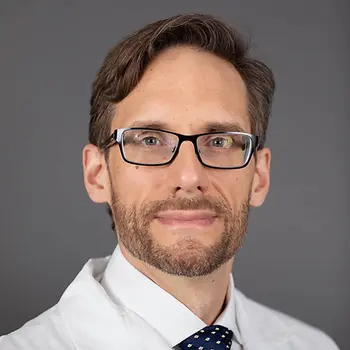
Christopher Thompson is a Gastroenterologist and a Hepatologist practicing medicine in Chestnut Hill, Massachusetts. Dr. Thompson is rated as an Elite provider by MediFind in Gastric Bypass. He is also highly rated in 38 other conditions, according to our data. His clinical expertise encompasses Obesity, Esophageal Varices, Gastrointestinal Fistula, Endoscopy, and Gastric Bypass. Dr. Thompson is currently accepting new patients.
Summary: The goal of this interventional study is to learn about the outcomes between two options for the management of malignant gastric outlet obstruction.
Summary: This study compares two surgical techniques used during one-anastomosis gastric bypass (OAGB) surgery for patients with severe obesity. During this operation, surgeons create a bypass of part of the small intestine, and the length of this bypassed segment (called the biliopancreatic limb) affects both weight loss and the risk of nutritional side effects. In this trial, one group of patients has th...
Published Date: July 06, 2026
Published By: Ann M. Rogers, MD, FACS, Professor Emeritus, Department of Surgery, Penn State College of Medicine, Hershey, PA. Also reviewed by David C. Dugdale, MD, Medical Director, Brenda Conaway, Editorial Director, and the A.D.A.M. Editorial team.
Eisenberg D, Shikora SA, Aarts E, et al. 2022 American Society for Metabolic and Bariatric Surgery (ASMBS) and International Federation for the Surgery of Obesity and Metabolic Disorders (IFSO): Indications for metabolic and bariatric surgery. Surg Obes Relat Dis. 2022;18(12):1345-1356. PMID: 36280539 pubmed.ncbi.nlm.nih.gov/36280539/.
Mcbride CL, Tanner TN. Operations for morbid obesity. In: Ahmad SA, Pryor AD, eds. Shackelford's Surgery of the Alimentary Tract. 9th ed. Philadelphia, PA: Elsevier; 2026:chap 69.
Sullivan S, Edmundowicz SA, Morton JM. Surgical and endoscopic treatment of obesity. In: Chung RT, Rubin DT, Wilcox CM, eds. Sleisenger and Fordtran's Gastrointestinal and Liver Disease. 12th ed. Philadelphia, PA: Elsevier; 2026:chap 9.
Torquati A, Skertich NJ, Omotosho P, Richards WO. Morbid obesity. In: Tyler DS, Hayes-Dixon A, Hines OJ, et al, eds. Sabiston Textbook of Surgery. 22nd ed. Philadelphia, PA: Elsevier; 2026:chap 99.