Genital Warts Treatments
Find Genital Warts Treatments
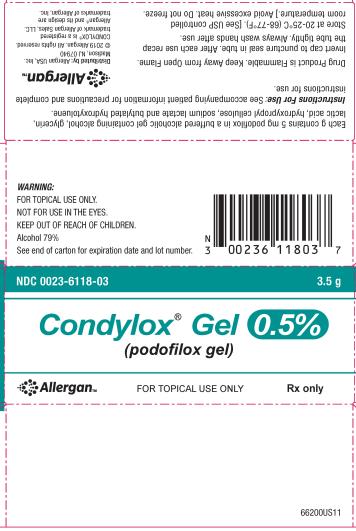
Condylox
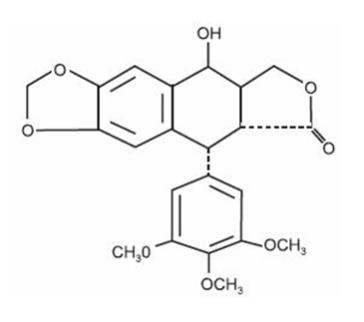
What is Condylox (Podofilox)?
Approved To Treat
Top Global Experts

Related Clinical Trials
Summary: This phase III trial compares standard chemotherapy to therapy with liposome-encapsulated daunorubicin-cytarabine (CPX-351) and/or gilteritinib for patients with newly diagnosed acute myeloid leukemia with or without FLT3 mutations. Drugs used in chemotherapy, such as daunorubicin, cytarabine, and gemtuzumab ozogamicin, work in different ways to stop the growth of cancer cells, either by killing t...
Background: High-grade neuroendocrine carcinomas (HGNEC) are cancers that develop in different parts of the body, including the digestive tract, genitals, neck, and head. One drug (belinostat), combined with 2 other drugs (etoposide and cisplatin), is approved to treat HGNEC. But some people may have a gene variant that affects how quickly their body gets rid of the drug; these people may do better with diffe...
Summary: This phase III trial compares the effect of adding immunotherapy (brentuximab vedotin and nivolumab) to standard treatment (chemotherapy with or without radiation) to the standard treatment alone in improving survival in patients with stage I and II classical Hodgkin lymphoma. Brentuximab vedotin is in a class of medications called antibody-drug conjugates. It is made of a monoclonal antibody call...
Related Latest Advances
Brand Information
- Von Krogh G. Podophyllotoxin in serum: Absorption subsequent to three day repeated applications of a 0.5% ethanolic preparation on condylomata acuminata. Sex Trans Disease 1982: 9: 26-33.
- Berenblum I. The effect of podophyllotoxin on the skin of the mouse, with reference to carcinogenic, cocarcinogenic, and anticarcinogenic action. J Cancer Inst 11:839-841, 1951.
- Kaminetzky HA, Swerdlow M. Podophyllin and the mouse cervix: assessment of carcinogenic potential. Am J Obst Gyn 95:486-490, 1965.
- McGrew EA, Kaminetzky HA. The genesis of experimental cervical epithelial dysplasia. Am J Clin Path 35:538-545, 1961.
- Roe FJC, Salaman MH. Further studies on incomplete carcinogenesis: triethylene melamine (T.E.M.) 1,2 benxanthracene and beta-propiolactone as initiators of skin tumor formation in the mouse. Brit J Cancer, 9:177-203, 1955.
- Taper HS. Induction of the deficient acid DNAase activity in mouse interfollicular epidermis by croton oil as a possible tumor promoting mechanism. Zeitschrift fur Krebsforschung and Klinisch Onkologie (Cancer Research and Clinical Oncology, Berlin) 90:197-210, 1977.
- Kaminetzky HA, McGrew EA, Phillips RL. Experimental cervical epithelial dysplasia. J Obst Gyn 14:1-10, 1959.
- Kaminetzky HA, McGrew EA: Podophyllin and mouse cervix: Effect of long term application. Arch Path 73:481-485, 1962.
- Thiersch JB. Effect of podophyllin (P) and podophylotoxine (PT.) on the rat litter in utero. Soc Exptl Biol Med Proc. 113:124-127, 1963.
- Savel H.: Clinical experience with intravenous podophyllotoxin. Proc Amer Assoc Cancer Res, 1964; 5: 56.
- Cassidy DE, Dewry J and Fanning JP: Podophyllum toxicity: A report of a fatal case and a review of the literature. J Toxicol Clinic Toxicol 1982: 19: 35-44.