Head and Neck Squamous Cell Carcinoma (HNSCC) Treatments
Find Head and Neck Squamous Cell Carcinoma (HNSCC) Treatments
Nivolumab
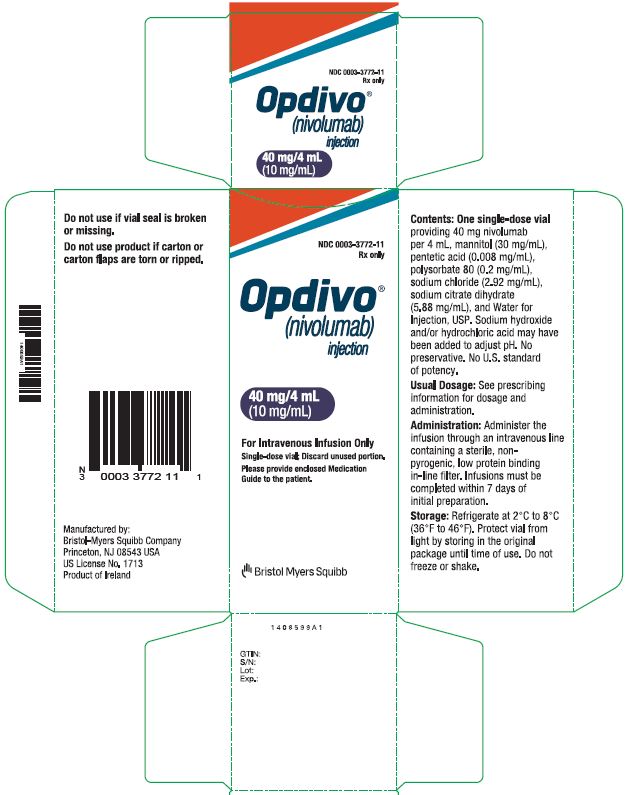
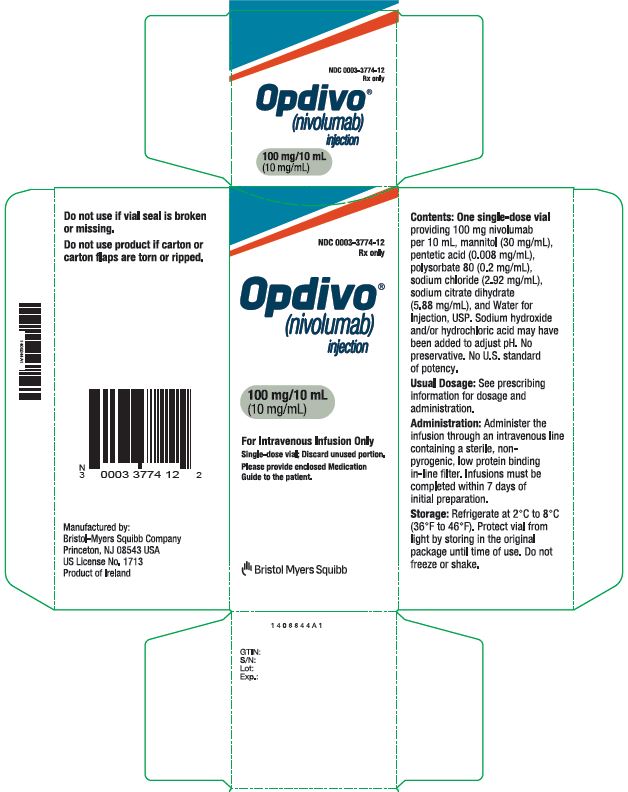
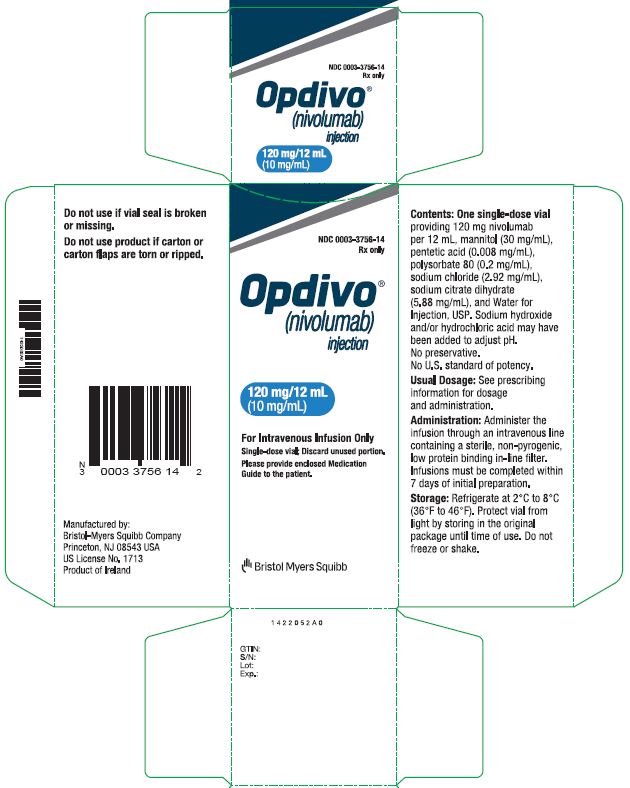
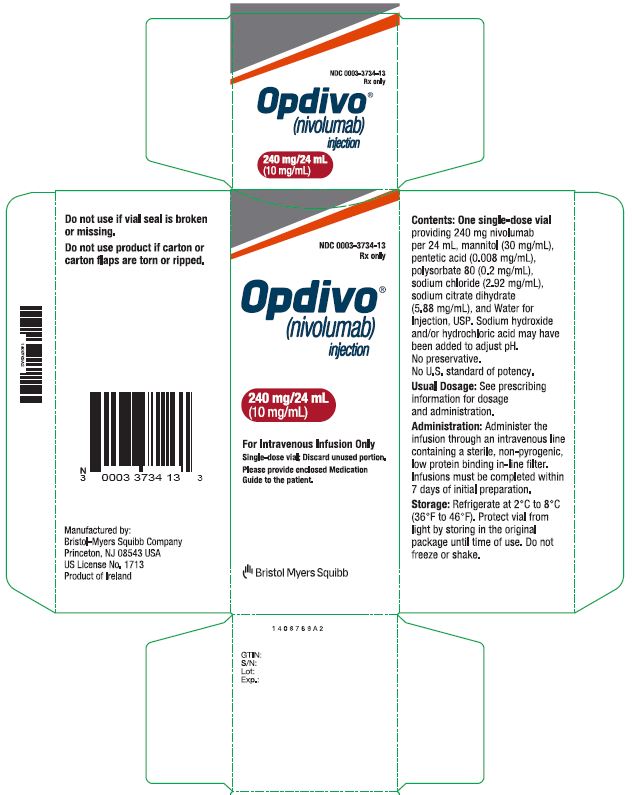
What is Opdivo (Nivolumab)?
Approved To Treat


Related Clinical Trials
Summary: The purpose of this study is to evaluate the safety and efficacy of targeted blood brain barrier opening with Exablate Model 4000 Type 2.0/2.1 for the treatment of NSCLC brain metastases in patients who are undergoing planned FDA approved, on-label systemic therapy utilizing immune checkpoint inhibitors.
Summary: This phase II trial studies how well cabozantinib works in combination with nivolumab and ipilimumab in treating patients with rare genitourinary (GU) tumors that has spread from where it first started (primary site) to other places in the body. Cabozantinib may stop the growth of tumor cells by blocking some of the enzymes needed for cell growth. Immunotherapy with monoclonal antibodies, such as ...
Summary: This phase III trial compares the effect of adding immunotherapy (brentuximab vedotin and nivolumab) to standard treatment (chemotherapy with or without radiation) to the standard treatment alone in improving survival in patients with stage I and II classical Hodgkin lymphoma. Brentuximab vedotin is in a class of medications called antibody-drug conjugates. It is made of a monoclonal antibody call...
Related Latest Advances
Brand Information
- Severe and Fatal Immune-Mediated Adverse Reactions
- Infusion-Related Reactions
- Complications of Allogeneic HSCT
- OPDIVO 240 mg in combination with mFOLFOX6 (fluorouracil, leucovorin and oxaliplatin) every 2 weeks or mFOLFOX6 every 2 weeks.
- OPDIVO 360 mg in combination with CapeOX (capecitabine and oxaliplatin) every 3 weeks or CapeOX every 3 weeks.
- Pneumonitis: Advise patients to contact their healthcare provider immediately for any new or worsening cough, chest pain, or shortness of breath
- Colitis: Advise patients to contact their healthcare provider immediately for diarrhea or severe abdominal pain
- Hepatitis: Advise patients to contact their healthcare provider immediately for jaundice, severe nausea or vomiting, pain on the right side of abdomen, lethargy, or easy bruising or bleeding
- Endocrinopathies: Advise patients to contact their healthcare provider immediately for signs or symptoms of hypophysitis, adrenal insufficiency, hypothyroidism, hyperthyroidism, and diabetes mellitus
- Nephritis and Renal Dysfunction: Advise patients to contact their healthcare provider immediately for signs or symptoms of nephritis including decreased urine output, blood in urine, swelling in ankles, loss of appetite, and any other symptoms of renal dysfunction
- Skin Adverse Reactions: Advise patients to contact their healthcare provider immediately for rash
- Advise patients of the potential risk of infusion-related reactions
- Advise patients of potential risk of post-transplant complications
- Advise females of reproductive potential of the potential risk to a fetus and to inform their healthcare provider of a known or suspected pregnancy
- Advise females of reproductive potential to use effective contraception during treatment with OPDIVO and for at least 5 months following the last dose
- Advise women not to breastfeed during treatment with OPDIVO and for 5 months after the last dose