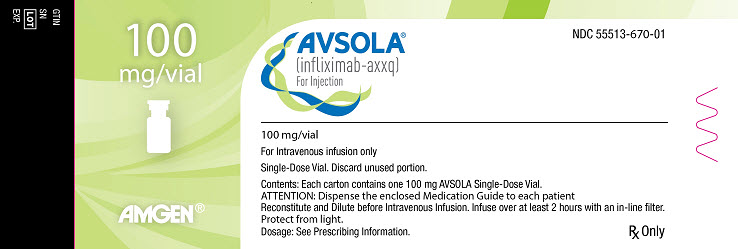
Infliximab
What is Avsola (Infliximab)?
For people with chronic inflammatory diseases like rheumatoid arthritis, Crohn’s disease, or ulcerative colitis, daily life can feel unpredictable and exhausting. Pain, swelling, fatigue, and digestive distress can interfere with even simple routines. Avsola (infliximab-axxq) offers hope and relief for those battling these long-term immune-driven conditions.
Avsola is a biologic medication that helps reduce inflammation by targeting specific immune system activity. It belongs to a class of drugs known as tumor necrosis factor (TNF) inhibitors, which are designed to block a protein involved in inflammation. Approved by the U.S. Food and Drug Administration (FDA), Avsola is a biosimilar to Remicade (infliximab), meaning it works in the same way and has been proven to be just as safe and effective.
This medication is prescribed for several autoimmune diseases where the body’s immune system mistakenly attacks its own tissues. For many patients, Avsola can significantly improve symptoms, prevent long-term damage, and restore quality of life.
What does Avsola do?
Avsola is used to treat a range of autoimmune and inflammatory diseases, including:
- Rheumatoid arthritis (in adults): to reduce joint pain, swelling, and stiffness when used with methotrexate.
- Ankylosing spondylitis: to relieve back pain and stiffness caused by spinal inflammation.
- Psoriatic arthritis: to improve joint and skin symptoms in people with psoriasis-related arthritis.
- Plaque psoriasis: to reduce redness, scaling, and thickened skin patches.
- Crohn’s disease and ulcerative colitis (in adults and children): to control inflammation in the digestive tract and reduce flare-ups.
By reducing inflammation, Avsola helps patients experience fewer symptoms and longer periods of disease control. Many report feeling less pain, improved mobility, and better overall energy. Clinical studies and FDA reviews confirm that Avsola provides equivalent safety and effectiveness to Remicade, the original infliximab product (FDA, 2023).
How does Avsola work?
Avsola contains infliximab-axxq, a monoclonal antibody that targets a specific protein in the body called tumor necrosis factor-alpha (TNF-α). TNF-α plays a major role in the body’s immune response and is responsible for triggering inflammation.
In autoimmune diseases, TNF-α levels are often abnormally high, leading the immune system to attack healthy tissues. This causes chronic inflammation, pain, and tissue damage. Avsola binds to TNF-α, blocking its activity and preventing it from triggering inflammation.
By doing this, Avsola helps reduce swelling, pain, and tissue damage in affected joints, skin, or intestines depending on the disease being treated.
Clinically, this mechanism matters because persistent inflammation can lead to irreversible joint damage, intestinal scarring, or organ complications. By controlling inflammation early and effectively, Avsola helps preserve long-term function and quality of life.
Avsola side effects
Like all biologic medicines, Avsola can cause side effects. Most are mild to moderate, but serious reactions can occur in some patients. Understanding what to watch for helps ensure safe and effective treatment.
Common side effects include:
- Upper respiratory infections (such as sinus or sore throat infections)
- Headache or fatigue
- Cough or mild fever
- Stomach pain or nausea
- Skin rash or itching at the injection site
Serious side effects (less common):
- Infusion reactions: Fever, chills, or shortness of breath can occur during or after infusion; patients are monitored.
- Infections: Avsola increases the risk of serious infections (e.g., tuberculosis, hepatitis B, fungal infections); screening is recommended pre-treatment.
- Heart and liver issues: Rarely, Avsola may worsen heart failure or cause liver inflammation.
- Cancer risk: A low risk of certain cancers (e.g., lymphoma) exists for patients on TNF blockers; discuss with a healthcare provider.
Avoid Avsola with active infections, moderate to severe heart failure, or infliximab allergies. Report persistent fever, weight loss, night sweats, or unexplained bruising immediately. Most tolerate Avsola well, and benefits often outweigh risks.
Avsola dosage
Avsola is administered as an IV infusion by a healthcare professional, typically in a clinic or hospital, over several hours. Infusion frequency varies by condition, with initial doses a few weeks apart, followed by maintenance infusions every few weeks for symptom control.
Avsola affects the immune system, so doctors may order regular blood tests for liver function, blood cell counts, and infection risk. They may also test for tuberculosis or hepatitis B before treatment.
Older adults, or those with chronic infections or weakened immune systems, require special care, potentially with adjusted treatment or more frequent monitoring. Patients should attend all infusions and report any side effects between visits.
Does Avsola have a generic version?
Avsola is itself a biosimilar to the biologic medication Remicade (infliximab). Biosimilars are not identical to generics, they are highly similar versions of complex biologic drugs that have been rigorously tested to ensure they are just as safe, effective, and pure as the original product.
Avsola, an FDA-approved infliximab biosimilar from 2019, joins Inflectra and Renflexis. While no generic infliximab exists due to its biologic nature, biosimilars offer affordable, quality treatment. Providers can guide patients on formulation choices, insurance, and medical needs.
Conclusion
Avsola (infliximab-axxq) is a trusted, effective treatment option for several chronic inflammatory diseases, including rheumatoid arthritis, Crohn’s disease, ulcerative colitis, and plaque psoriasis. By blocking the inflammation-causing TNF-α protein, it helps reduce pain, swelling, and tissue damage allowing patients to regain control over their health and daily lives.
Though requiring regular infusions and medical supervision, Avsola offers significant long-term benefits for many. With consistent monitoring and doctor communication, most patients can safely manage their conditions. If you have a chronic autoimmune disease, discuss Avsola with your doctor; it can help control inflammation and improve your quality of life.
References
- U.S. Food and Drug Administration (FDA). (2023). Avsola (infliximab-axxq) prescribing information. Retrieved from https://www.accessdata.fda.gov
- Mayo Clinic. (2024). Infliximab (intravenous route) drug information. Retrieved from https://www.mayoclinic.org
- MedlinePlus. (2024). Infliximab injection: Uses, side effects, and precautions. National Library of Medicine. Retrieved from https://medlineplus.gov
- National Institutes of Health (NIH). (2024). Tumor necrosis factor inhibitors in autoimmune disease management. Retrieved from https://www.nih.gov
Approved To Treat
Top Global Experts


Related Clinical Trials
Summary: The purpose of this study is to estimate and compare the incidence of overall malignancy, serious infection, and opportunistic infections between new users of ustekinumab and new users of other biologic therapies among adult participants with Crohn's disease (CD) or ulcerative colitis (UC).
Summary: Immune-related colitis from immune checkpoint inhibitors (ICI) is a common adverse effect causing significant morbidity and impairment of quality of life (QoL). Steroids are the first line of treatment for severe ICI induced Immune- mediated diarrhea and colitis (IMDC). If there is no improvement in 48 to 72 hours, other immunosuppressive agents (infliximab, vedolizumab) are recommended. However, ...
Summary: The goal of this clinical trial is to compare the safety and effectiveness of infliximab compared to steroids for the treatment of immune checkpoint inhibitor-induced colitis (ICI colitis) in patients with stage III/IV skin cancer. The main questions this study aims to answer are: * How many patients treated with infliximab experience steroid-free disease resolution after 7 weeks? * How many patie...
Related Latest Advances
There is no latest advances for this treatment
Brand Information
- Turner D, Otley AR, Mack D, et al. Development, validation, and evaluation of a pediatric ulcerative colitis activity index: A prospective multicenter study.