Advise the patient to read the FDA-approved patient labeling (
Drug Interactions: SYMFI may interact with many drugs; therefore, advise patients to report to their healthcare provider the use of any other prescription, nonprescription medication, or herbal products, particularly St. John’s wort [see .
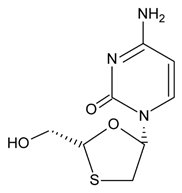
Post Treatment Acute Exacerbation of Hepatitis B in Patients with HBV Co-Infection: Inform patients that severe acute exacerbations of hepatitis have been reported in patients who are infected with HBV or coinfected with HBV and HIV-1 and have discontinued 3TC and TDF, components of SYMFI. Test patients with HIV-1 for hepatitis B virus (HBV) before initiating antiretroviral therapy. In patients with chronic hepatitis B, it is important to obtain HIV antibody testing prior to initiating 3TC and TDF, components of SYMFI [see Warnings and Precautions (5.1)]. Lactic Acidosis and Severe Hepatomegaly: Inform patients that lactic acidosis and severe hepatomegaly with steatosis, including fatal cases, have been reported. Treatment with SYMFI should be suspended in any patient who develops clinical symptoms suggestive of lactic acidosis or pronounced hepatotoxicity (including nausea, vomiting, unusual or unexpected stomach discomfort, and weakness) [see .
New Onset or Worsening Renal Impairment: Inform patients that renal impairment, including cases of acute renal failure and Fanconi syndrome, has been reported. Advise patients with impaired renal function (i.e., creatinine clearance less than 50 mL/min) or patients with end-stage renal disease (ESRD) requiring hemodialysis to avoid SYMFI with concurrent or recent use of a nephrotoxic agent (e.g., high-dose or multiple NSAIDs) for patients [see .
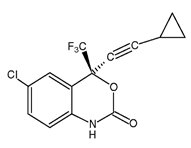
Psychiatric Symptoms: Inform patients that serious psychiatric symptoms including severe depression, suicide attempts, aggressive behavior, delusions, paranoia, psychosis-like symptoms and catatonia have been reported in patients receiving EFV [seeWarnings and Precautions (5.5)]. Advise patients to seek immediate medical evaluation if they experience severe psychiatric adverse experiences. Advise patients to inform their physician of any history of mental illness or substance abuse. Nervous System Symptoms: Inform patients that central nervous system symptoms (NSS) including dizziness, insomnia, impaired concentration, drowsiness, and abnormal dreams are commonly reported during the first weeks of therapy with EFV, a component of SYMFI [seeWarnings and Precautions (5.6)]. Dosing at bedtime may improve the tolerability of these symptoms, which are likely to improve with continued therapy. Alert patients to the potential for additive effects when used concomitantly with alcohol or psychoactive drugs. Instruct patients that if they experience NSS they should avoid potentially hazardous tasks such as driving or operating machinery. Inform patients that there is a risk of developing late-onset neurotoxicity, including ataxia and encephalopathy, which may occur months to years after beginning efavirenz therapy
Embryo-Fetal Toxicity: Advise female patients that EFV, a component of SYMFI may cause fetal harm when administered during the first trimester to a pregnant woman. Advise females of reproductive potential to use effective contraception as well as a barrier method during treatment with SYMFI and for 12 weeks after discontinuation of use. Advise patients to contact their healthcare provider if they plan to become pregnant, become pregnant, or if pregnancy is suspected during treatment with SYMFI [see .
Rash: Inform patients that rash is a common side effect of EFV [seeWarnings and Precautions (5.8)]. Rashes usually go away without any change in treatment. However, since rash may be serious, patients should be advised to contact their physician promptly if rash occurs. Hepatotoxicity: Inform patients to watch for early warning signs of liver inflammation or failure, such as fatigue, weakness, lack of appetite, nausea and vomiting, as well as later signs such as jaundice, confusion, abdominal swelling, and discolored feces and to consult their healthcare provider promptly if such symptoms occur [see
Convulsions: Advise patients that convulsions have been observed in patients receiving EFV, a component of SYMFI, generally in patients with known medical history of seizures [see Warnings and Precautions (5.11)]. Lipid Elevations: Advise patients treatment with EFV, a component of SYMFI has resulted in increases in the concentration of total cholesterol and triglycerides [see Warnings and Precautions (5.12)]. Bone Loss and Mineralization Effects: Inform patients that decreases in bone mineral density have been observed with the use of 3TC and TDF, components of SYMFI, in patients with HIV [see Warnings and Precautions (5.13)]. Immune Reconstitution Syndrome: Advise patients to inform their healthcare provider immediately of any symptoms of infection, as in some patients with advanced HIV infection, signs and symptoms of inflammation from previous infections may occur soon after anti-HIV treatment is started [see Warnings and Precautions (5.14)]. Fat Redistribution: Inform patients that redistribution or accumulation of body fat may occur in patients receiving antiretroviral therapy, including SYMFI, and that the cause and long‑term health effects of these conditions are not known at this time [see Warnings and Precautions (5.15)]. Administration Instructions: Inform patients that it is important to take SYMFI once daily on a regular dosing schedule on an empty stomach, preferably at bedtime, and to avoid missing doses as it can result in development of resistance. Advise patients if a dose is missed, take it as soon as possible unless it is almost time for the next dose. Also advise patients that dosing at bedtime may improve the tolerability of nervous system symptoms [see .
Pregnancy Registry: Advise patients that there is an antiretroviral pregnancy registry to monitor fetal outcomes in women exposed to SYMFI [see .
Lactation: Instruct women with HIV-1 infection not to breastfeed because HIV-1 can be passed to the baby in breast milk [see .
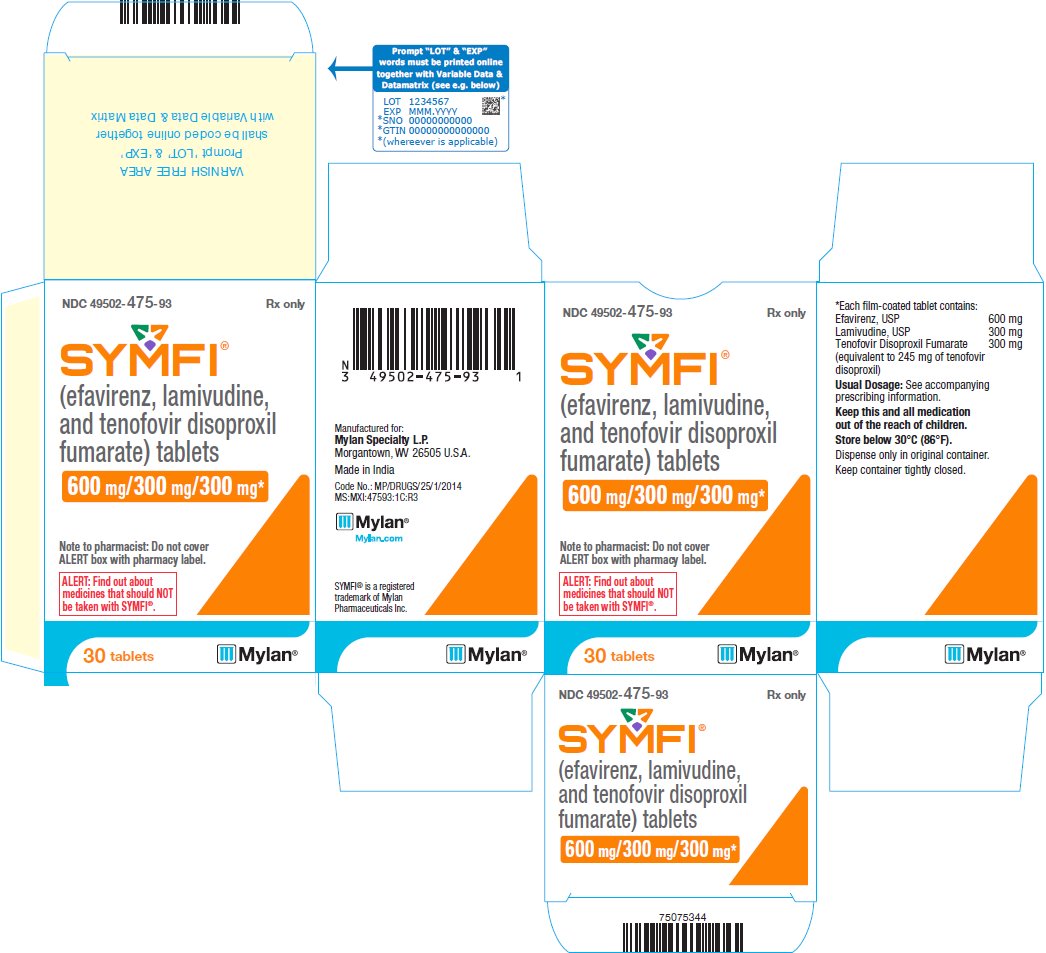
SYMFI
Other brands listed are the registered trademarks of their respective owners and are not trademarks of Mylan Laboratories Limited or Mylan Pharmaceuticals Inc.
Rx only
Manufactured for:
Manufactured by: