Hypothyroidism Treatments
Find Hypothyroidism Treatments
Fenofibrate
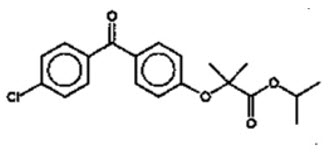
What is Lipofen (Fenofibrate)?
Approved To Treat


Related Clinical Trials
Summary: Patients with with recurrent or progressive medulloblastoma, ependymoma, atypical teratoid rhabdoid tumor (ATRT), and CNS tumors of various histologies have a very poor prognosis whether treated with conventional chemotherapy, high-dose chemotherapy with stem cell rescue, irradiation or combinations of these modalities. Antiangiogenesis therapy has emerged as a new treatment option in solid malign...
Summary: An Open Label Long-Term Study to Evaluate the Safety and Tolerability of Fenofibrate in Combination with Ursodeoxycholic Acid in Subjects with Primary Biliary Cholangitis (PBC)
Summary: An Open Label Long-Term Study to Evaluate the Safety and Tolerability of Fenofibrate in Combination with Ursodeoxycholic Acid in Subjects with Primary Biliary Cholangitis (PBC)
Related Latest Advances
Brand Information
- to reduce triglyceride (TG) levels in adults with severe hypertriglyceridemia (TG greater than or equal to 500 mg/dL).
- to reduce elevated low-density lipoprotein cholesterol (LDL-C) in adults with primary hyperlipidemia when use of recommended LDL-C lowering therapy is not possible.
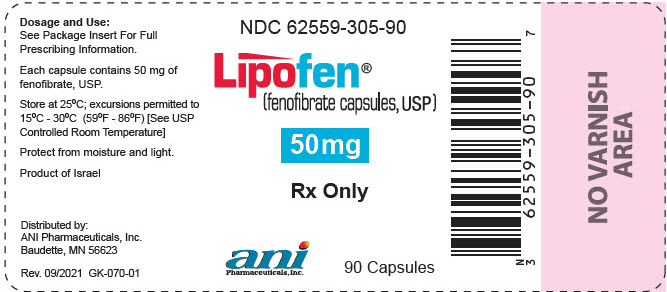
- 50 mg: Size 3 white opaque gelatin capsule imprinted "G 246" and "50" in black ink.
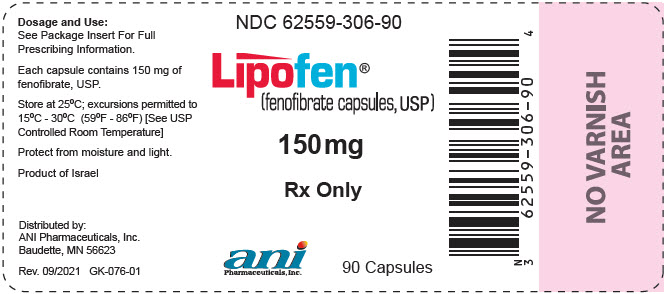
- 150 mg: Size 1 white opaque gelatin capsule imprinted "G 248" and "150" in green ink.
- Severe renal impairment, including those with end-stage renal disease (ESRD) and those receiving dialysis
- Active liver disease, including those with unexplained persistent liver function abnormalities
- Pre-existing gallbladder disease
- Hypersensitivity to fenofibrate, fenofibric acid, or any of the excipients in LIPOFEN. Serious hypersensitivity reactions including anaphylaxis and angioedema have been reported with fenofibrate
- Mortality and coronary heart disease morbidity
- Hepatoxicity
- Myopathy and Rhabdomyolysis
- Increases in Serum Creatinine
- Cholelithiasis
- Increased Bleeding Risk with Coumarin Anticoagulants
- Pancreatitis
- Hematologic Changes
- Hypersensitivity reactions
- Venothromboembolic disease
- Paradoxical Decreases in HDL Cholesterol Levels