The 20 Best Immune Thrombocytopenic Purpura (ITP) Doctors Near Me in Hemet, CA
Find the Top Immune Thrombocytopenic Purpura (ITP) Experts and Specialists
Office
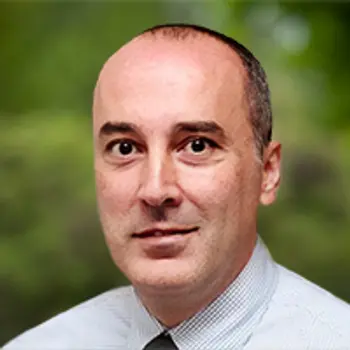
Howard Liebman is a Hematologist practicing medicine in Los Angeles, California. Dr. Liebman is rated as an Elite provider by MediFind in the treatment of Immune Thrombocytopenic Purpura (ITP). He is also highly rated in 20 other conditions, according to our data. His clinical expertise encompasses Adult Immune Thrombocytopenia, Immune Thrombocytopenic Purpura (ITP), Thrombocytopenia, Venous Thromboembolism (VTE), and Splenectomy.
Buhler Specialty Pavilion
Elias Kiwan is an Oncologist practicing medicine in Sacramento, California. Dr. Kiwan is rated as a Distinguished provider by MediFind in the treatment of Immune Thrombocytopenic Purpura (ITP). He is also highly rated in 77 other conditions, according to our data. His clinical expertise encompasses Thrombocytopenia, Large-Cell Immunoblastic Lymphoma, Non-Hodgkin Lymphoma, Bone Marrow Aspiration, and Bone Marrow Transplant. Dr. Kiwan is board certified in Medical Oncology - Board Certified , Hematology - Board Certified , and Not ABMS Specialty. Dr. Kiwan is currently accepting new patients.
Shahrooz Eshaghian is a Hematologist and an Oncologist practicing medicine in Los Angeles, California. Dr. Eshaghian is rated as a Distinguished provider by MediFind in the treatment of Immune Thrombocytopenic Purpura (ITP). He is also highly rated in 93 other conditions, according to our data. His clinical expertise encompasses Multiple Myeloma, Bone Tumor, Deep Vein Thrombosis, Thrombocytopenia, and Bone Marrow Aspiration. Dr. Eshaghian is currently accepting new patients.
Frank Mori is a Hematologist and an Oncologist practicing medicine in El Segundo, California. Dr. Mori is rated as a Distinguished provider by MediFind in the treatment of Immune Thrombocytopenic Purpura (ITP). He is also highly rated in 38 other conditions, according to our data. His clinical expertise encompasses Paget Disease of the Breast, Breast Cancer, Drug-Induced Thrombocytopenia, and Immune Thrombocytopenic Purpura (ITP). Dr. Mori is currently accepting new patients.
Edwin Jacobs is a Hematologist and an Oncologist practicing medicine in Burbank, California. Dr. Jacobs is rated as a Distinguished provider by MediFind in the treatment of Immune Thrombocytopenic Purpura (ITP). He is also highly rated in 49 other conditions, according to our data. His clinical expertise encompasses Hemangioma Thrombocytopenia Syndrome, Thrombocytopenia, Anal Cancer, Familial Colorectal Cancer, and Bone Marrow Aspiration. Dr. Jacobs is currently accepting new patients.
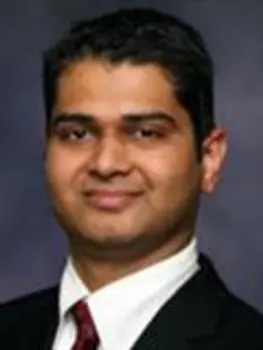
Chirag Dalsania is a Hematologist practicing medicine in Camarillo, California. Dr. Dalsania is rated as a Distinguished provider by MediFind in the treatment of Immune Thrombocytopenic Purpura (ITP). He is also highly rated in 51 other conditions, according to our data. His clinical expertise encompasses Thrombocytopenia, Iron Deficiency Anemia, Adult Immune Thrombocytopenia, and Immune Thrombocytopenic Purpura (ITP). Dr. Dalsania is currently accepting new patients.

Cancer Center - Dignity Health - San Luis Obispo, CA
Dr. Tom Spillane believes in an integrative approach to the management of his patients. His definition of an integrative approach combines the best of the updated western medicine technology, complementary care, clinical trials and local psychosocial support services.Dr. Spillane co-founded the Hearst Cancer Resource Center in 2008, as well as the Surfing for Hope Foundation in 2011, a program that among other services takes cancer survivors and children whose parents are battling cancer, on monthly surf sessions.Board Certification:Oncology, HematologyMedical School:University of California, DavisMedical Oncology Residency:University of California, IrvineFellowship Training:University of California, IrvineAreas of Interest:Brain tumors, Breast Cancer, GI Cancers, Head and Neck Cancer, Lung Cancer, Melanoma. Dr. Spillane is rated as an Advanced provider by MediFind in the treatment of Immune Thrombocytopenic Purpura (ITP). He is also highly rated in 74 other conditions, according to our data. His clinical expertise encompasses Paget Disease of the Breast, Familial Colorectal Cancer, Colorectal Cancer, and Lynch Syndrome. Dr. Spillane is board certified in Internal Medicine (Sub: Medical Oncology). Dr. Spillane is currently accepting new patients.

ABSMC Comprehensive Cancer Center
Oleg Krijanovski is a Hematologist practicing medicine in Berkeley, California. Dr. Krijanovski is rated as an Advanced provider by MediFind in the treatment of Immune Thrombocytopenic Purpura (ITP). He is also highly rated in 52 other conditions, according to our data. His clinical expertise encompasses Thrombocytopenia, Acute Myeloid Leukemia (AML), Acute Myeloblastic Leukemia without Maturation, Small Cell Lung Cancer (SCLC), and Bone Marrow Aspiration. Dr. Krijanovski is board certified in Hematology - Board Certified and Medical Oncology - Board Certified. Dr. Krijanovski is currently accepting new patients.

Cancer Clinic - Dignity Health Medical Group - Grass Valley, CA
My patients are my customers and the customer is always right . I strive to provide my patients with the best cancer care possible. Patients with cancer can be confused and frustrated with the many different treatment options and I do my best to empower my patients with the knowledge that allows them to make the best choices for them. Dr. Campbell is rated as an Advanced provider by MediFind in the treatment of Immune Thrombocytopenic Purpura (ITP). He is also highly rated in 91 other conditions, according to our data. His clinical expertise encompasses Gastric Lymphoma, Paget Disease of the Breast, Non-Hodgkin Lymphoma, and Inflammatory Breast Cancer. Dr. Campbell is board certified in Internal Medicine (Sub: Medical Oncology). Dr. Campbell is currently accepting new patients.
Sierra Hematology & Oncology
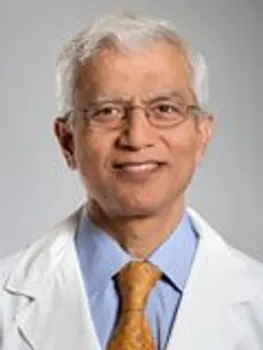
Our group is dedicated to care of patients with hematology and oncology disorders. We strive to provide excellent, courteous, and timely service. Dr. Lalchandani is rated as an Advanced provider by MediFind in the treatment of Immune Thrombocytopenic Purpura (ITP). He is also highly rated in 32 other conditions, according to our data. His clinical expertise encompasses Childhood Iron Deficiency Anemia, Iron Deficiency Anemia, Familial Colorectal Cancer, Paget Disease of the Breast, and Bone Marrow Aspiration. Dr. Lalchandani is board certified in Internal Medicine, Internal Medicine (Sub: Hematology), and Internal Medicine (Sub: Medical Oncology). Dr. Lalchandani is currently accepting new patients.
Oncology & Hematology - Mission Hope - Santa Maria, CA
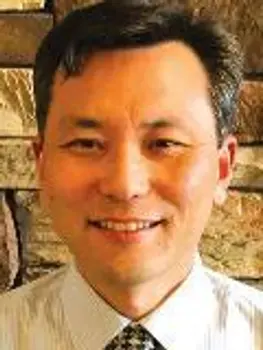
Kevin Kim, MD, grew up in the Seattle, Washington area. He obtained his undergraduate education at the University of Chicago and attended Tufts University in Boston, Massachusetts, for his medical degree. He received training in Internal Medicine residency and Hematology/Oncology fellowship at Scripps Clinic/Green Hospital in La Jolla, California.After completing his training in 2010, he joined Kootenai Clinic Cancer Services in Coeur d’Alene, Idaho. He was instrumental in achieving the Cancer Center’s prestigious National Accreditation Program for Breast Centers (NAPBC). As well, he is a strong proponent of clinical trials to improve patient care.Dr. Kim strives to balance his experience and knowledge of individualized cancer care with a deep empathy and compassion for his patients. He believes in building a partnership with his patients. Additionally, he supports patient education that optimizes patients’ understanding of their disease and treatment options.He comes to the Central Coast with his beautiful wife, Anna Kim, MD, and two amazing children. He enjoys many outdoor activities, such as surfing, fishing, golfing, skiing and hiking. Dr. Kim is rated as an Advanced provider by MediFind in the treatment of Immune Thrombocytopenic Purpura (ITP). He is also highly rated in 47 other conditions, according to our data. His clinical expertise encompasses Colorectal Cancer, Familial Colorectal Cancer, Chronic Lymphocytic Leukemia (CLL), and Chronic B-Cell Leukemia (CBCL). Dr. Kim is board certified in Internal Medicine (Sub: Hematology) and Internal Medicine (Sub: Medical Oncology). Dr. Kim is currently accepting new patients.
Robert W. Weber, MD Private Practice
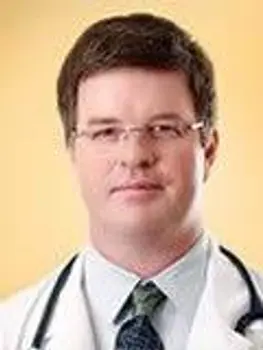
Robert Weber is a Hematologist and an Oncologist practicing medicine in Daly City, California. Dr. Weber is rated as an Advanced provider by MediFind in the treatment of Immune Thrombocytopenic Purpura (ITP). He is also highly rated in 36 other conditions, according to our data. His clinical expertise encompasses Angiosarcoma, Inflammatory Breast Cancer, Familial Colorectal Cancer, and Colorectal Cancer. Dr. Weber is board certified in Internal Medicine (Sub: Medical Oncology), Internal Medicine (Sub: Hematology), and Internal Medicine. Dr. Weber is currently accepting new patients.

Cancer Center - Dignity Health - San Luis Obispo, CA
Dr. Gorgun Akpek (Dr. G) is a board certified hematologist and medical oncologist who treats his patients with all types of cancer and blood related.Dr. Akpek received his MD degree from Hacettepe University, the top medical school in Turkey and did his internal medicine residency and hematology & medical oncology clinical fellowship trainings at Hacettepe University and Boston University Medical Centers. He became further specialized in Leukemia and Stem Cell/Bone Marrow Transplantation at Johns Hopkins University Department of Oncology in Baltimore, Maryland.He joined the faculty first at Johns Hopkins University and then University of Maryland Greenebaum Cancer Center as a clinical investigator and attending physician.He continued his career as a founding Director of Leukemia and Stem Cell Transplantation/Cell Therapy programs at Banner MD Anderson Cancer Center in Gilbert, Arizona and more recently he served as the Section Chief of Blood and Marrow Transplant Program (BMT) at Rush University Medical Center in Chicago.Dr. Akpek is a member of American Society of Hematology (ASH), Clinical Oncology (ASCO) and Transplantation (ASBMT). He is nationally recognized for his research by more than 100 publications and clinical work in leukemia, lymphoma, MDS, multiple myeloma and stem cell transplantation.Board Certification:Oncology, Hematology, Internal MedicineMedical School:Hacettepe University School of MedicineInternal Medicine Residency:Hacettepe University School of MedicineFellowship Training:Hacettepe University School of Medicine, Boston University Medical Center and Johns Hopkins UniversityAreas of Interest:All Cancers including: Autoimmune Cancer, Lung Cancer, Breast Cancer, Colon Cancer, Rectal Cancer, Pancreatic Cancer, Gallbladder Cancer, Bladder Cancer, Ovarian Cancer, MelanomaAdditional Education: Master of Public Health, Johns Hopkins Bloomberg School of Public Health 2005. Awards and Recognition: Chief's Hematology and Oncology Scholar Award, Boston University 1995-1997 Jo-Ann McCaleb Amyloid Research Award 1997 Henry Christian Award, American Federation of Medical Research 2002. Dr. Akpek is rated as an Advanced provider by MediFind in the treatment of Immune Thrombocytopenic Purpura (ITP). He is also highly rated in 53 other conditions, according to our data. His clinical expertise encompasses Multiple Myeloma, Myelodysplastic Syndrome (MDS), Childhood Iron Deficiency Anemia, Bone Marrow Transplant, and Splenectomy. Dr. Akpek is board certified in Hematology-American Board Of Hematology, Medical Oncology-American Board Of Medical Oncology, and Internal Medicine. Dr. Akpek is currently accepting new patients.
8 Medical Plaza Care Center
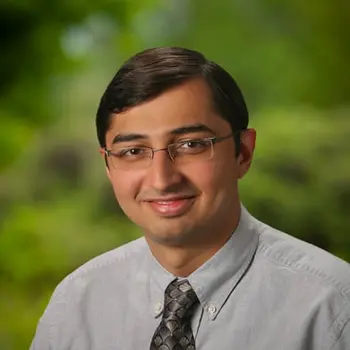
Vijay Suhag is a Hematologist practicing medicine in Roseville, California. Dr. Suhag is rated as an Advanced provider by MediFind in the treatment of Immune Thrombocytopenic Purpura (ITP). He is also highly rated in 51 other conditions, according to our data. His clinical expertise encompasses Lung Cancer, Pleuropulmonary Blastoma, Small Cell Lung Cancer (SCLC), and Squamous Cell Lung Carcinoma. Dr. Suhag is board certified in Hematology - Board Certified and Medical Oncology - Board Certified. Dr. Suhag is currently accepting new patients.

Prathima Prodduturi is a Hematologist practicing medicine in Auburn, California. Dr. Prodduturi is rated as an Advanced provider by MediFind in the treatment of Immune Thrombocytopenic Purpura (ITP). She is also highly rated in 47 other conditions, according to our data. Her clinical expertise encompasses Porphyria Cutanea Tarda, Reticuloendotheliosis, Hairy Cell Leukemia (HCL), and B-Cell Lymphoma. Dr. Prodduturi is board certified in Hematology Medical Oncology. Dr. Prodduturi is currently accepting new patients.
Stockton Medical Plaza II
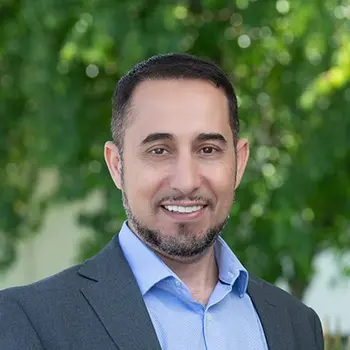
Yousef Khelfa is an Oncologist practicing medicine in Stockton, California. Dr. Khelfa is rated as an Advanced provider by MediFind in the treatment of Immune Thrombocytopenic Purpura (ITP). He is also highly rated in 80 other conditions, according to our data. His clinical expertise encompasses Neuroendocrine Tumor, Paget Disease of the Breast, Breast Cancer, and Thrombocytopenia. Dr. Khelfa is board certified in Medical Oncology - Board Certified and Hematology - Board Certified. Dr. Khelfa is currently accepting new patients.

Stockton Hematology/Oncology
Neelesh Bangalore is a Hematologist practicing medicine in Tracy, California. Dr. Bangalore is rated as an Advanced provider by MediFind in the treatment of Immune Thrombocytopenic Purpura (ITP). He is also highly rated in 14 other conditions, according to our data. His clinical expertise encompasses Anemia, Pancreatic Ductal Adenocarcinoma, Sickle Cell Disease, Gastric Lymphoma, and Bone Marrow Aspiration. Dr. Bangalore is board certified in Internal Medicine and Internal Medicine (Sub: Medical Oncology). Dr. Bangalore is currently accepting new patients.

Cancer Center Burlingame
Dr. Kent Adler is an oncologist experienced in treating a variety of cancers, with particular expertise in lung and breast cancer. He believes three pillars form the strongest foundation to fight cancer: knowledge, communication and heart. Adler's research focuses on developing new therapies for lung cancer. Adler earned his medical degree from UCSF. He completed a residency in internal medicine at New York – Presbyterian/Weill Cornell Medical Center and a fellowship in medical oncology at Stanford University School of Medicine. A longtime advocate of multidisciplinary clinics for managing cancer, he co-founded one of the first multidisciplinary clinics for lung cancer on the West Coast while a faculty member at Stanford. Throughout his career, Adler has served in leadership positions, including as a board member of the Mills Peninsula Medical Group and Association of Northern California Oncologists. In his free time, Adler enjoys traveling, skiing and hiking with his wife, also a doctor, and their two adult children. A native of the Bay Area, he also loves the San Francisco Giants and almost anything related to baseball. Dr. Adler is rated as an Advanced provider by MediFind in the treatment of Immune Thrombocytopenic Purpura (ITP). He is also highly rated in 20 other conditions, according to our data. His clinical expertise encompasses Pleuropulmonary Blastoma, Lung Cancer, Paget Disease of the Breast, and Large-Cell Immunoblastic Lymphoma. Dr. Adler is board certified in American Board Of Internal Med/Medical Oncology, Medical Oncology and American Board Of Internal Medicine, Internal Medicine.
Complete Care Community Health Center
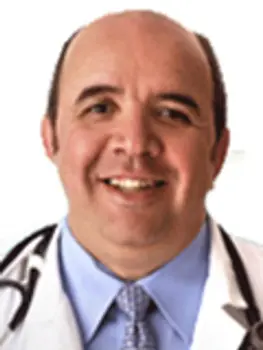
Ghassan Al is an Internal Medicine provider practicing medicine in Los Angeles, California. He has been practicing medicine for over 41 years. Dr. Al is rated as an Advanced provider by MediFind in the treatment of Immune Thrombocytopenic Purpura (ITP). He is also highly rated in 43 other conditions, according to our data. His clinical expertise encompasses Anemia, Paget Disease of the Breast, Small Cell Lung Cancer (SCLC), and Lung Cancer. Dr. Al is board certified in American Board Of Internal Medicine.

Ravi Patel, M.D., Inc.
I believe the best care can be achieved only when patients understand their conditions properly and are fully satisfied with the care they receive. Through effective education, patients are empowered to partner in their care and achieve their health priorities. Dr. Cartmell is rated as an Advanced provider by MediFind in the treatment of Immune Thrombocytopenic Purpura (ITP). He is also highly rated in 21 other conditions, according to our data. His clinical expertise encompasses Bone Tumor, Anemia, Breast Cancer, and Leukocytosis. Dr. Cartmell is board certified in Internal Medicine, Internal Medicine (Sub: Hospice And Palliative Medici, and Internal Medicine (Sub: Medical Oncology). Dr. Cartmell is currently accepting new patients.
Last Updated: 06/30/2026