Impetigo Treatments
Find Impetigo Treatments
Mupirocin
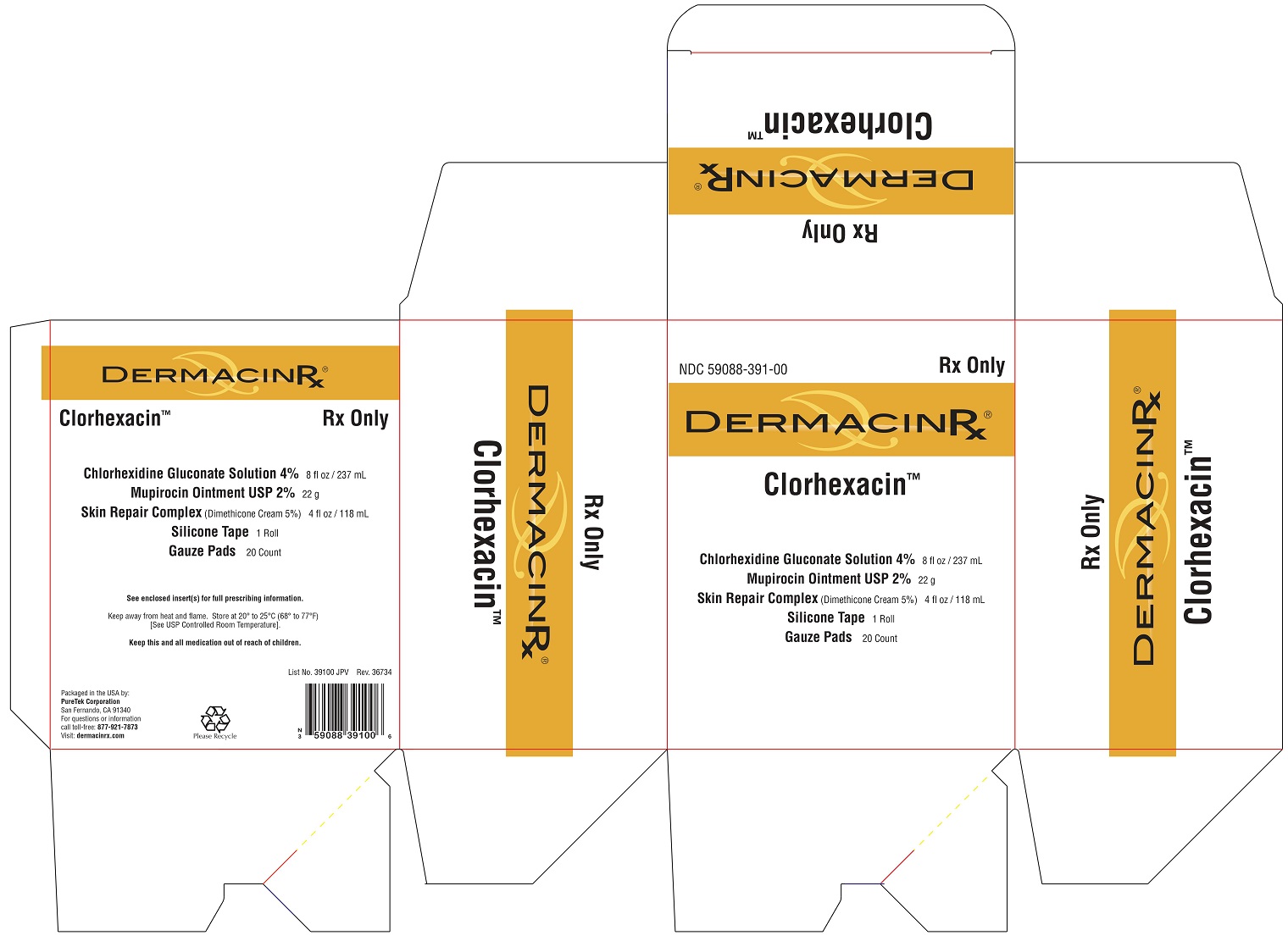
What is DermacinRx Clorhexacin (Mupirocin)?
Approved To Treat
Top Global Experts


Related Clinical Trials
Summary: The purpose of the study is to determine the effectiveness, safety, and health-care utilization and costs of a preoperative Staphylococcus aureus (SA) screening and decolonization bundle, (5 days of nasal mupirocin ointment, chlorhexidine gluconate (CHG) body wash, and CHG mouth rinse), in eradicating SA carriage compared to other SA decolonization approaches. The study will conduct a single cente...
Summary: This protocol aims to evaluate how NMT affects pediatric nasal microbiome diversity following intranasal mupirocin treatment
Summary: The goal of this clinical trial is to learn if reducing bacterial load on the skin and nostrils with topical antibacterial soap and ointment, respectively, reduces rate of infection in surgical sites on lower leg wounds left open to heal in adults undergoing skin cancer surgery. The main question it aims to answer is: Does Hibiclens antibacterial skin cleanser and mupirocin antibacterial ointment ...
Related Latest Advances
Brand Information
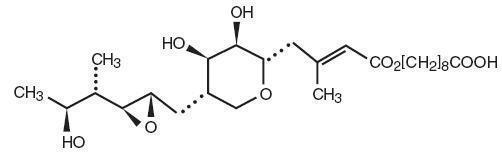
Mupirocin is an antibacterial agent produced by fermentation using the organism Pseudomonas fluorescens. It is active against a wide range of gram-positive bacteria including methicillin-resistant Staphylococcus aureus (MRSA). It is also active against certain gram-negative bacteria. Mupirocin inhibits bacterial protein synthesis by reversibly and specifically binding to bacterial isoleucyl transfer-RNA synthetase. Due to this unique mode of action, mupirocin demonstrates no in vitro cross-resistance with other classes of antimicrobial agents.
Use this medication only as directed by your healthcare provider. It is for external use only. Avoid contact with the eyes. The medication should be stopped and your healthcare practitioner contacted if irritation, severe itching, or rash occurs. If impetigo has not improved in 3 to 5 days, contact your healthcare practitioner.
The effect of the concurrent application of Mupirocin Ointment USP, 2% and other drug products has not been studied.
Long-term studies in animals to evaluate carcinogenic potential of mupirocin have not been conducted.
Teratogenic Effects -
Reproduction studies have been performed in rats and rabbits with mupirocin administered subcutaneously at doses up to 22 and 43 times, respectively, the human topical dose (approximately 60 mg mupirocin per day) on a mg/m 2 basis and revealed no evidence of harm to the fetus due to mupirocin. There are however, no adequate and well-controlled studies in pregnant women. Because animal studies are not always predictive of human response, this drug should be used during pregnancy only if clearly needed.
It is not known whether this drug is excreted in human milk. Because many drugs are excreted in human milk, caution should be exercised when Mupirocin Ointment USP, 2% is administered to a nursing woman.
The safety and effectiveness of Mupirocin Ointment USP, 2% have been established in the age range of 2 months to 16 years. Use of mupirocin ointment USP, 2% in these age groups is supported by evidence from adequate and well-controlled studies of mupirocin ointment USP, 2% in impetigo in pediatric patients studied as part of the pivotal clinical trials (see CLINICAL STUDIES).
There were 91 pediatric patients aged 2 months to 15 years in the first study described above. Clinical efficacy rates at end of therapy in the evaluable populations were 78% for mupirocin ointment USP, 2% (n=42) and 36% for vehicle placebo (n=49). In the second study described above, all patients were pediatric except two adults in the group receiving mupirocin ointment USP, 2%. The age range of the pediatric patients was 7 months to 13 years. The clinical efficacy rate for mupirocin ointment USP, 2% (n=27) was 96%, and for erythromycin it was unchanged (78.5%).
- surgical hand scrub: significantly reduces the number of microorganisms on the hands and forearms prior to surgery or patient care
- healthcare personnel handwash: helps reduce bacteria that potentially can cause disease
- patient preoperative skin preparation: for the preparation of the patient's skin prior to surgeryskin wound and general skin cleansing
- skin wound and general skin cleansing
- if you are allergic to chlorhexidine gluconate or any other ingredients
- in contact with meninges
- in the genital area
- as a preoperative skin preparation of the head or face
- keep out of eyes, ears, and mouth. May cause serious and permanent eye injury if placed or kept in the eye during surgical procedures or may cause deafness when instilled in the middle ear through perforated eardrums.
- if solution should contact these areas, rinse out promptly and thoroughly with water
- wounds which involve more than the superficial layers of the skin should not be routinely treated
- repeated general skin cleansing of large body areas should not be done except when the underlying condition makes it necessary to reduce the bacterial population of skin
if irritation, sensitization or allergic reaction occurs. These may be signs of a serious condition.
if swallowed, get medical help or contact a Poison Control Center right away.
- use with care in premature infants and infants under 2 months of age. These products may cause irritation or chemical burns.
- wet hands and forearms with water
- scrub for 3 minutes with about 5 ml of product and a wet brush paying close attention to the nails, cuticles and interdigital spaces
- a separate nail cleaner may be used
- rinse thoroughly
- wash for an additional 3 minutes with 5 ml of product and rinse under running water
- dry thoroughly
- wet hands with water
- dispense about 5 ml of product into cupped hands and wash in a vigorous manner for 15 seconds
- rinse and dry thoroughly
- apply product liberally to surgical site and swab for at least 2 minutes and dry with a sterile towel
- repeat procedure for an additional 2 minutes and dry with a sterile towel
- thoroughly rinse the area to be cleaned with water
- apply the minimum amount of product necessary to cover the skin or wound area and wash gently
- rinse again thoroughly
- store at 20-25ºC (68-77ºF)
- avoid excessive heat above 40ºC (104ºF)
- for the treatment and/or prevention of diaper rash
- temporarily protects and helps relieve chapped or cracked skin
- deep or puncture wounds
- animal bites
- serious burns
- do not get into eyes
- condition worsens
- symptoms last more than 7 days or clear up and occur again within a few days
- apply cream liberally as needed
- protect from freezing
- avoid excessive heat
• To be applied to wounds or scars as a protective silicone barrier.
• As a dressing for abrasions, surgical wounds, donor sites, lacerations, ulcers, skin tears, superficial partial thickness burns, venous leg ulcers.
• As a dressing/securement for IV related uses, pressure ulcers, skin care, and wound care
• Do not use if you are allergic to silicone
• Keep out of reach of children
• Apply tape to wound or scar as needed or as directed by your physician. Remove tape, wash area, and apply new tape at least every 24 hours.