Liver Failure Treatments
Find Liver Failure Treatments
Xifaxan
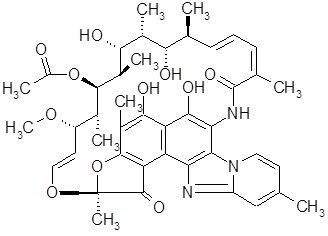
What is Xifaxan (Rifaximin)?
Approved To Treat
Top Global Experts


Related Clinical Trials
Summary: Refractory hepatic encephalopathy (RHE) after transjugular intrahepatic portosystemic shunt (TIPS) is a serious complication that can markedly impair quality of life and worsen prognosis. Standard medical management-including lactulose, rifaximin, nutritional support, and correction of precipitating factors-is routinely used; however, some patients continue to experience recurrent hepatic encephal...
Summary: This phase II trial compares the effect of rifaximin to no intervention for the treatment of IgG/IgA monoclonal gammopathy of undetermined significance (MGUS). Rifaximin is a type of antibiotic that is only used in cancer chemotherapy (antineoplastic antibiotic). It works by damaging the cell's DNA and may kill cancer cells or precancerous cells like those found with MGUS. Giving rifaximin may kil...
Summary: The goal of this clinical trial is to learn how rifaximin 200 mg is processed in the body (pharmacokinetics) in children 6 to 11 years old with acute diarrhea that may be caused by bacteria. It will also learn about the safety and effectiveness of rifaximin when given with oral rehydration therapy (ORT) compared with ORT alone. The main questions it aims to answer are: How does rifaximin 200 mg mo...
Related Latest Advances
Brand Information
- 200 mg – a round tablet debossed with “Sx” on one side and plain on the other.
- 550 mg – an oval tablet debossed with “rfx” on one side and plain on the other.
- Clostridium difficile-associated diarrhea [see Warnings and Precautions (
- headache (10% XIFAXAN, 9% placebo)
Trial 1
The data described in Table 1 reflect exposure to XIFAXAN in 348 patients, including 265 exposed for 6 months and 202 exposed for more than a year (mean exposure was 364 days). The safety of XIFAXAN 550 mg taken two times a day for reducing the risk of overt HE recurrence in adult patients was evaluated in a 6-month placebo-controlled clinical trial (n=140) and in a long-term follow-up study (n=280) [see Clinical Studies ( . The population studied had a mean age of 56 (range: 21 to 82) years; approximately 20% of the patients were ≥65 years old, 61% were male, 86% were White, and 4% were Black. Ninety-one percent of patients in the trial were taking lactulose concomitantly. The most common adverse reactions that occurred at an incidence ≥5% and at a higher incidence in XIFAXAN-treated subjects than in the placebo group in the 6-month trial are provided in Table 1.
The data described in Table 2 reflect exposure to XIFAXAN in 221 of 222 randomized subjects, exposed for a median duration of 169 days, with 113 exposed to XIFAXAN monotherapy and 108 exposed to XIFAXAN added onto lactulose in a six-month active-controlled trial [see Clinical Studies ( The population studied had a mean age of 58; approximately 63% of subjects were male. The most common adverse reactions that occurred at an incidence ≥5% are provided in Table 2.
- nausea (3% XIFAXAN, 2% placebo)
- ALT increased (XIFAXAN 2%, placebo 1%)
- nausea (XIFAXAN 2%, placebo 1%)
The following adverse reactions, presented by body system, were reported in less than 2% of patients in clinical trials of TD and IBS-D and in less than 5% of patients in clinical trials of HE: