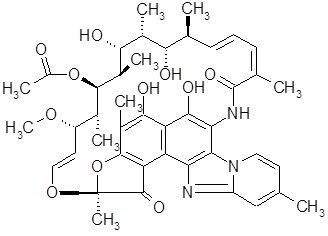
Xifaxan
What is Xifaxan (Rifaximin)?
Digestive problems such as irritable bowel syndrome (IBS) or chronic diarrhea can deeply affect a person’s daily life, from limiting social activities to disrupting meals and sleep. For many patients, finding an effective treatment that targets the root cause of symptoms can make a meaningful difference in comfort and confidence.
Xifaxan (generic name: rifaximin) is a gut-specific antibiotic used to treat several gastrointestinal conditions. Unlike traditional antibiotics that circulate throughout the body, Xifaxan works primarily within the intestines. This unique feature allows it to target harmful bacteria in the gut while minimizing effects on other organs.
Approved by the U.S. Food and Drug Administration (FDA), Xifaxan is widely prescribed for adults with irritable bowel syndrome with diarrhea (IBS-D), traveler’s diarrhea, and for preventing hepatic encephalopathy, a complication of severe liver disease. It’s considered a well-tolerated and effective option for patients whose digestive issues are linked to bacterial overgrowth or toxin buildup.
What does Xifaxan do?
Xifaxan is used to manage three main conditions:
- Irritable Bowel Syndrome with Diarrhea (IBS-D): It helps relieve abdominal pain, bloating, and frequent loose stools. Clinical studies have shown that many patients experience a reduction in IBS-D symptoms for several weeks after completing a short course of Xifaxan (FDA, 2023).
- Traveler’s Diarrhea: Xifaxan treats diarrhea caused by Escherichia coli (E. coli) bacteria, which is commonly contracted through contaminated food or water while traveling.
- Hepatic Encephalopathy: In patients with advanced liver disease, toxins produced by gut bacteria can build up in the bloodstream and affect brain function. Xifaxan helps lower these toxin levels, reducing the risk of confusion or disorientation associated with hepatic encephalopathy.
For most people, Xifaxan offers symptom relief without major disruption of healthy gut flora, which distinguishes it from many broad-spectrum antibiotics. Patients often report improved digestive comfort and better quality of life during and after treatment.
How does Xifaxan work?
Xifaxan works by inhibiting bacterial RNA synthesis, which stops harmful bacteria in the intestines from multiplying. Because it is poorly absorbed into the bloodstream, the medication acts directly within the gut where it’s needed most.
In IBS-D, Xifaxan helps balance the bacterial environment in the intestines, a key factor thought to contribute to bloating and diarrhea. In hepatic encephalopathy, it reduces bacteria that produce ammonia and other toxins, helping prevent these substances from reaching the brain.
Clinically, this “gut-localized” action is significant because it reduces systemic side effects and drug interactions. This makes Xifaxan safer for long-term use in certain chronic conditions compared to antibiotics that circulate throughout the body.
Xifaxan side effects
Xifaxan is generally well tolerated, but like all medications, it can cause side effects. Most are mild and temporary.
Common side effects may include:
- Nausea
- Headache
- Fatigue
- Swelling in the hands or feet
- Abdominal pain or bloating
Less common side effects:
- Increased liver enzymes (seen in blood tests)
- Dizziness
- Changes in bowel habits
Serious but rare side effects:
- Severe allergic reactions such as rash, itching, or swelling of the face and throat
- Persistent or bloody diarrhea (which may indicate a serious infection such as C. difficile)
Who should avoid Xifaxan? People allergic to rifaximin or similar antibiotics such as rifampin or rifabutin should not take this medication. Patients with severe liver impairment may also require special monitoring.
When to seek immediate medical help: If you develop a rash, facial swelling, difficulty breathing, or ongoing diarrhea after finishing treatment, contact your doctor right away.
Xifaxan dosage
Xifaxan comes in tablet form, taken by mouth, with or without food. The dosing schedule depends on the condition being treated such as IBS-D, traveler’s diarrhea, or hepatic encephalopathy, and your doctor will determine the appropriate course.
Because it acts locally in the gut, routine blood monitoring is usually not required. However, for patients with liver disease or those taking it long-term, periodic checkups may include liver function tests to ensure continued safety.
If symptoms persist after a treatment course, your healthcare provider may discuss whether repeating therapy is appropriate. Do not start or extend treatment without medical advice, as overuse of antibiotics can lead to resistance.
Special considerations:
- Older adults generally tolerate Xifaxan well.
- Patients with liver disease should use it under medical supervision.
- The medication should not be used for diarrhea caused by other bacteria or viruses unless prescribed specifically.
Does Xifaxan have a generic version?
As of 2025, Xifaxan does not have an FDA-approved generic version in the United States. The brand-name medication is manufactured by Salix Pharmaceuticals.
While patent challenges are ongoing, the generic form of rifaximin may become available in the coming years. Until then, patients should be cautious of unapproved online sources offering “generic Xifaxan,” as these products may not meet FDA safety or efficacy standards.
When a generic becomes available, it will be clinically equivalent to the brand-name drug, providing the same active ingredient, dosage strength, and therapeutic effects.
Conclusion
Xifaxan is a unique, gut-targeted antibiotic that helps relieve digestive symptoms and prevent complications of liver disease. Its ability to work locally in the intestines while minimizing systemic absorption makes it a well-tolerated and effective option for conditions like IBS-D, traveler’s diarrhea, and hepatic encephalopathy.
While most patients experience significant symptom relief, treatment should always be guided by a healthcare professional to ensure safe and effective use.
When prescribed and monitored appropriately, Xifaxan can help restore digestive balance, prevent serious complications, and improve overall quality of life for people living with chronic gastrointestinal or liver-related conditions.
References
- U.S. Food and Drug Administration (FDA). (2023). Xifaxan (Rifaximin) Drug Label Information. https://www.fda.gov/
- Mayo Clinic. (2023). Rifaximin (Oral Route): Description and Precautions. https://www.mayoclinic.org/
- MedlinePlus. (2023). Rifaximin: Drug Information. https://medlineplus.gov/
- National Institutes of Health (NIH). (2023). Hepatic Encephalopathy Overview. https://www.nih.gov/
Approved To Treat
Top Global Experts
There are no experts for this drug
Related Clinical Trials
There is no clinical trials being done for this treatment
Related Latest Advances
There is no latest advances for this treatment
Brand Information
- 200 mg – a round tablet debossed with “Sx” on one side and plain on the other.
- 550 mg – an oval tablet debossed with “rfx” on one side and plain on the other.
- Clostridium difficile-associated diarrhea [see Warnings and Precautions (
- headache (10% XIFAXAN, 9% placebo)
Trial 1
The data described in Table 1 reflect exposure to XIFAXAN in 348 patients, including 265 exposed for 6 months and 202 exposed for more than a year (mean exposure was 364 days). The safety of XIFAXAN 550 mg taken two times a day for reducing the risk of overt HE recurrence in adult patients was evaluated in a 6-month placebo-controlled clinical trial (n=140) and in a long-term follow-up study (n=280) [see Clinical Studies ( . The population studied had a mean age of 56 (range: 21 to 82) years; approximately 20% of the patients were ≥65 years old, 61% were male, 86% were White, and 4% were Black. Ninety-one percent of patients in the trial were taking lactulose concomitantly. The most common adverse reactions that occurred at an incidence ≥5% and at a higher incidence in XIFAXAN-treated subjects than in the placebo group in the 6-month trial are provided in Table 1.
The data described in Table 2 reflect exposure to XIFAXAN in 221 of 222 randomized subjects, exposed for a median duration of 169 days, with 113 exposed to XIFAXAN monotherapy and 108 exposed to XIFAXAN added onto lactulose in a six-month active-controlled trial [see Clinical Studies ( The population studied had a mean age of 58; approximately 63% of subjects were male. The most common adverse reactions that occurred at an incidence ≥5% are provided in Table 2.
- nausea (3% XIFAXAN, 2% placebo)
- ALT increased (XIFAXAN 2%, placebo 1%)
- nausea (XIFAXAN 2%, placebo 1%)
The following adverse reactions, presented by body system, were reported in less than 2% of patients in clinical trials of TD and IBS-D and in less than 5% of patients in clinical trials of HE: