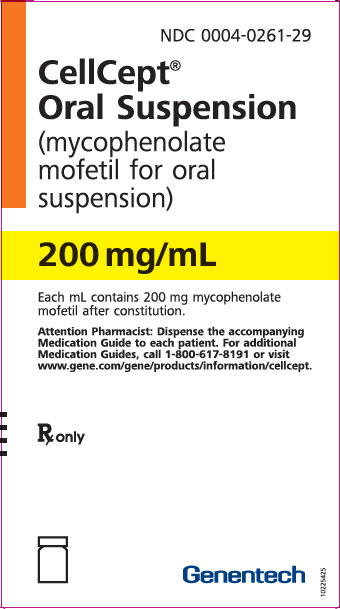
Mycophenolate Mofetil
What is CellCept (Mycophenolate Mofetil)?
Approved To Treat


Related Clinical Trials
Summary: The purpose of this study is to assess the safety, tolerability, and efficacy of efgartigimod PH20 SC given by a prefilled syringe in participants with Antibody-Mediated Rejection (AMR) after kidney transplantation. After a screening period of up to 6 weeks, eligible participants will be randomized in a 1:1:1 ratio. The study drug will be administered subcutaneously while patients remain on their ...
Summary: This phase II, randomized, double-blind, placebo-controlled study is designed to evaluate the safety, efficacy and pharmacokinetics (PK) of obinutuzumab in adolescent participants (AP) aged 12 to less than 18 with biopsy-confirmed proliferative lupus nephritis (LN). It will also evaluate open label safety and PK of obinutuzumab in pediatric participants (PP), aged 5 to \<12 with LN.
Summary: The purpose of this study is to evaluate the benefits and risks of conversion of existing adolescent kidney allograft recipients aged 12 to less than 18 years of age to a belatacept-based immunosuppressive regimen as compared to continuation of a calcineurin inhibitor-based regimen and their adherence to immunosuppressive medications.
Related Latest Advances
Brand Information
- Use during pregnancy is associated with increased risks of first trimester pregnancy loss and congenital malformations. Avoid if safer treatment options are available. Females of reproductive potential must be counseled regarding pregnancy prevention and planning
- Increased risk of development of lymphoma and other malignancies, particularly of the skin
- Increased susceptibility to bacterial, viral, fungal and protozoal infections, including opportunistic infections and viral reactivation of hepatitis B and C, which may lead to hospitalizations and fatal outcomes
- Embryofetal Toxicity
- Lymphomas and Other Malignancies
- Serious Infections
- Blood Dyscrasias: Neutropenia, Pure Red Cell Aplasia
- Gastrointestinal Complications
- Acute Inflammatory Syndrome Associated with Mycophenolate Products
- Hypersensitivity Reactions
- Embryo-Fetal Toxicity: Congenital malformations and spontaneous abortions, mainly in the first trimester, have been reported following exposure to mycophenolate mofetil (MMF) in combination with other immunosuppressants during pregnancy [see Congenital malformations include:
- Facial malformations: cleft lip, cleft palate, micrognathia, hypertelorism of the orbits
- Abnormalities of the ear and eye: abnormally formed or absent external/middle ear, coloboma, microphthalmos
- Malformations of the fingers: polydactyly, syndactyly, brachydactyly
- Cardiac abnormalities: atrial and ventricular septal defects
- Esophageal malformations: esophageal atresia
- Nervous system malformations: such as spina bifida
- Cardiovascular: Venous thrombosis has been reported in patients treated with CELLCEPT administered intravenously.
- Digestive: Colitis, pancreatitis
- Hematologic and Lymphatic: Bone marrow failure, cases of pure red cell aplasia (PRCA) and hypogammaglobulinemia have been reported in patients treated with CELLCEPT in combination with other immunosuppressive agents [see .
- Immune: Hypersensitivity reactions, including anaphylaxis and angioedema [see , hypogammaglobinemia.
- Infections: Meningitis, infectious endocarditis, tuberculosis, atypical mycobacterial infection, progressive multifocal leukoencephalopathy, BK virus infection, viral reactivation of hepatitis B and hepatitis C, protozoal infections [see .
- Respiratory: Bronchiectasis, interstitial lung disease, fatal pulmonary fibrosis, have been reported rarely and should be considered in the differential diagnosis of pulmonary symptoms ranging from dyspnea to respiratory failure in post-transplant patients receiving CELLCEPT.
- Vascular: Lymphocele
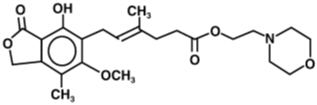
- Always use the oral dispenser provided with CELLCEPT Oral Suspension to make sure you measure the right amount of medicine. If your CELLCEPT Oral Suspension does not come with the oral dispenser, contact your pharmacist.
- Call your pharmacist if your oral dispenser is lost or damaged.
- Your pharmacist will write the expiration date on your CELLCEPT Oral Suspension bottle label.
- Ask your doctor or pharmacist if you have any questions or are unsure about how to take or give the right amount of medicine.
- The CELLCEPT Oral Suspension should not be mixed with any type of liquids before taking or giving the dose.
- Do not let the CELLCEPT Oral Suspension come in contact with the skin. If this happens, wash the skin well with soap and water. If the CELLCEPT Oral Suspension gets in the eyes, rinse the eyes with plain water.
- If you spill any CELLCEPT Oral Suspension, wipe it up using paper towels wet with water. Put the child-resistant bottle cap back on the bottle and wipe the outside of the bottle with wet paper towels.
- Store the CELLCEPT Oral Suspension at room temperature between 59°F to 86°F (15°C to 30°C), for up to 60 days. You can also store the CELLCEPT Oral Suspension in the refrigerator between 36°F to 46°F (2°C to 8°C). )
- Do not freeze.
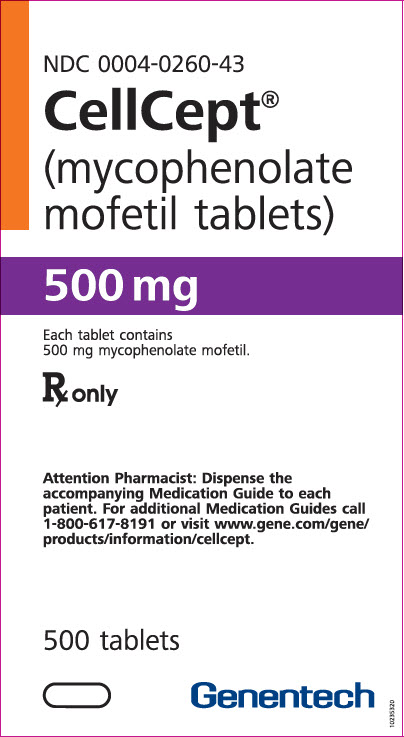

(mycophenolate
mofetil for oral
suspension)