Multiple Myeloma Treatments
Find Multiple Myeloma Treatments
Melphalan
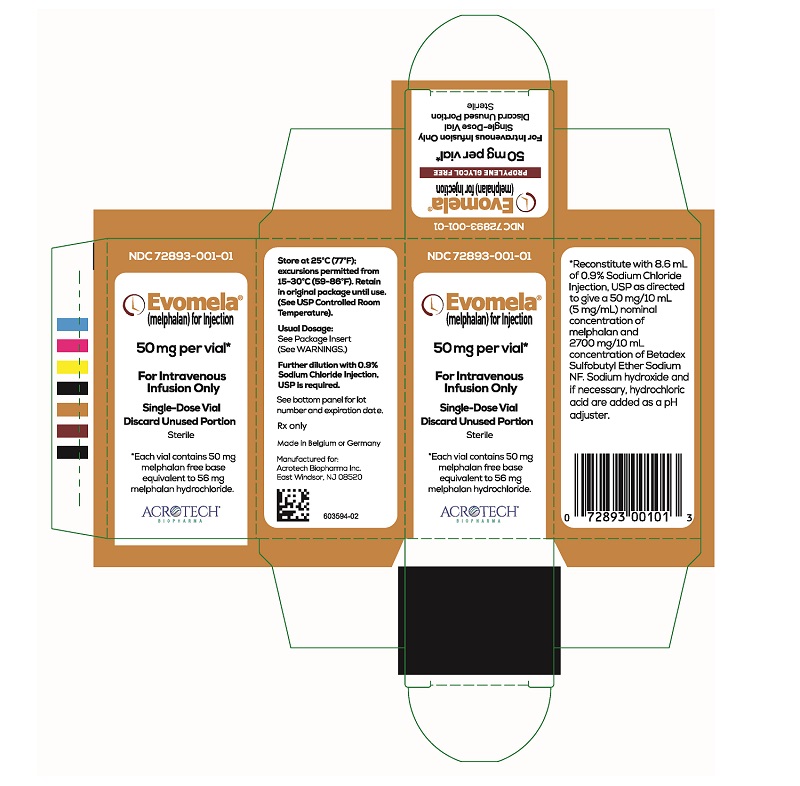
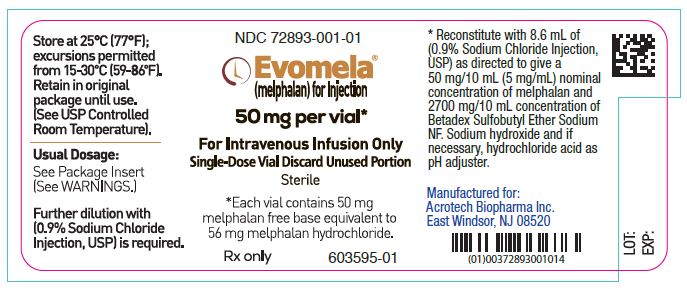
What is Evomela (Melphalan)?
Approved To Treat
Top Global Experts


Related Clinical Trials
Summary: This MyeloMATCH Master Screening and Reassessment Protocol (MSRP) evaluates the use of a screening tool and specific laboratory tests to help improve participants' ability to register to clinical trials throughout the course of their myeloid cancer (acute myeloid leukemia or myelodysplastic syndrome) treatment. This study involves testing patients' bone marrow and blood for certain biomarkers. A b...
Summary: This phase III trial tests how well the addition of dinutuximab to Induction chemotherapy along with standard of care surgical resection of the primary tumor, radiation, stem cell transplantation, and immunotherapy works for treating children with newly diagnosed high-risk neuroblastoma. Dinutuximab is a monoclonal antibody that binds to a molecule called GD2, which is found on the surface of neur...
Summary: This phase I trial studies the best dose and side effects of mephalan in treating patients with multiple myeloma who are undergoing stem cell transplant. Chemotherapy drugs, such as mephalan, work in different ways to stop the growth of cancer cells, either by killing the cells, by stopping them from dividing, or by stopping them from spreading. This trial uses a new method of dosing that is based...
Related Latest Advances
Brand Information
- Severe bone marrow suppression with resulting infection or bleeding may occur. Controlled trials comparing intravenous (IV) melphalan to oral melphalan have shown more myelosuppression with the IV formulation. Monitor hematologic laboratory parameters.
- Hypersensitivity reactions, including anaphylaxis, have occurred in approximately 2% of patients who received the IV formulation of melphalan. Discontinue treatment with Evomela for serious hypersensitivity reactions.
- Melphalan produces chromosomal aberrations in vitro and in vivo. Evomela should be considered potentially leukemogenic in humans.

- OSHA Hazardous Drugs. OSHA. [Accessed on 9 December 2014, from
- To report any signs or symptoms of thrombocytopenia, leukopenia (neutropenia and lymphopenia), and anemia. Inform patients of the need for routine blood counts
- Inform patients of the signs and symptoms of mucositis. Instruct patients on ways to reduce the risk of its development, and on ways to maintain nutrition and control discomfort if it occurs
- To report symptoms of nausea, vomiting and diarrhea, so that appropriate antiemetic and/or antidiarrheal medications can be administered
- To immediately report symptoms of hypersensitivity reactions including changes involving the skin, breathing or heart rate, so that antihistamine or corticosteroid therapy can be administered
- To understand the potential long-term risks related to secondary malignancy
- Advise pregnant women of the potential risk to a fetus
- Advise females of reproductive potential to use effective contraception during treatment with Evomela and for 6 months after the last dose. Advise females to contact their healthcare provider if they become pregnant, or if pregnancy is suspected, while taking Evomela
- Inform both females and males of reproductive potential about the risk for infertility
- Advise males with female partners of reproductive potential to use effective contraception during treatment with Evomela and for 3 months after the last dose
- Advise women not to breastfeed during treatment with Evomela and for one week after the last dose
(melphalan) for injection, for intravenous use
What is Evomela?
- have an infection
- have had chemotherapy treatment
- have nausea, vomiting, or diarrhea
- have liver or kidney problems
- are pregnant or plan to become pregnant. Evomela can harm your unborn baby.
- are breastfeeding or plan to breastfeed. It is not known if Evomela passes into your breast milk. You should not breastfeed during treatment with Evomela.
- Evomela is given to you into your vein through an intravenous (IV) line over 30 minutes.
- Your healthcare provider will do blood tests before and during your treatment with Evomela.
- Your healthcare provider will prescribe medicines to help prevent nausea.
Evomela may cause serious side effects, including:
- Low blood cell counts are common with Evomela and can be serious. Your healthcare provider will do blood tests as needed to check your blood counts during your treatment with Evomela.
- Redness and sores of the lining of the mouth, lips, throat, stomach, and genitals (mucositis). Mucositis is common during treatment with Evomela, and can sometimes be severe. Mucositis may cause discomfort or pain.
Your healthcare provider will tell you about ways to maintain nutrition and help control the discomfort from mucositis, and may prescribe medicines if needed. - Nausea, vomiting, and diarrhea are common with Evomela and can sometimes be serious. Tell your healthcare provider if you get nausea, vomiting, or diarrhea. Your healthcare provider may prescribe medicines to help prevent or treat these side effects.
- Liver problems. Your healthcare provider will check you for liver problems during treatment with Evomela. Tell your healthcare provider right away if you get any of the following signs or symptoms:
ᴼ yellowing of your skin or the whites of your eyes
ᴼ pain on the right side of your stomach-area (abdomen)
ᴼ severe nausea or vomiting
ᴼ dark urine (tea colored)
- Serious Allergic reactions. Tell your healthcare provider right away if you get any of the following signs or symptoms:
ᴼ skin reactions, including welts, rash, itching, and redness
ᴼ fast heartbeat
ᴼ shortness of breath or trouble breathing
ᴼ feel lightheaded or dizzy
ᴼ blurry vision
ᴼ swelling of your face, tongue, or thro
ᴼ chest tightness
ᴼ wheezingt
- Secondary cancers. New cancers have happened in people who have been treated with Evomela.
- Infertility. Evomela may cause fertility problems in males and females. Talk to your healthcare provider if this is a concern for you. In females, your menstrual periods may stop due to treatment with Evomela.
Medicines are sometimes prescribed for purposes other than those listed in a Patient Information leaflet. You can ask your pharmacist or healthcare provider for information about Evomela that is written for health professionals.
Active ingredient: melphalan hydrochloride
Inactive ingredient: Betadex Sulfobutyl Ether Sodium. Sodium hydroxide and if necessary, hydrochloride acid is added as a pH adjuster.