Multiple System Atrophy Treatments
Find Multiple System Atrophy Treatments
Northera
What is Northera (Droxidopa)?
Approved To Treat


Related Clinical Trials
Summary: This study tests whether a medication called droxidopa can help improve blood flow to the kidneys in people with liver cirrhosis who develop kidney problems while in the hospital. When someone with cirrhosis experiences kidney injury, having better blood pressure can help their kidneys recover. Droxidopa is an oral medication that may help raise blood pressure without requiring intensive care or i...
Summary: This clinical trial will evaluate the safety, tolerability, dosing, and efficacy of Northera (Droxidopa) in children with Menkes disease aged 7 to 17 years who survived the major neurodegenerative and neurocognitive effects of Menkes disease through early Copper Histidinate treatment. The investigator hypothesizes that Northera (Droxidopa) treatment in pediatric Menkes disease survivors with sympt...
Summary: The purpose of this study is to learn more about the effects of midodrine and droxidopa, two medications used for the treatment of orthostatic hypotension (low blood pressure on standing), on the veins of the abdomen of patients with autonomic failure. The study will be conducted at Vanderbilt University Medical Center, and consists of 2 parts: a screening and 2 testing days. The total length of t...
Related Latest Advances
Brand Information
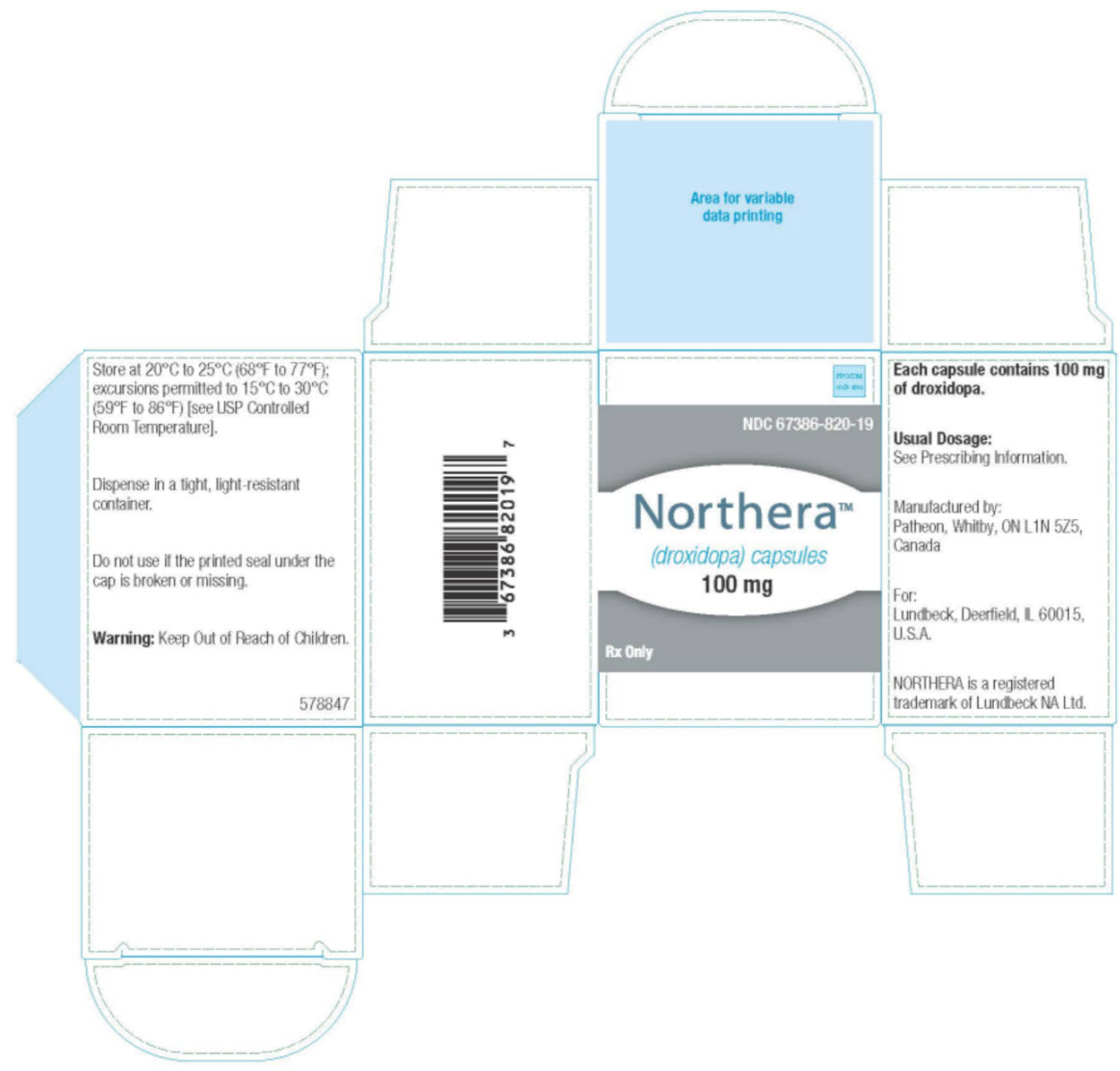
- 100 mg: Hard gelatin capsules with “Northera” on the white body and “100” on the light blue cap
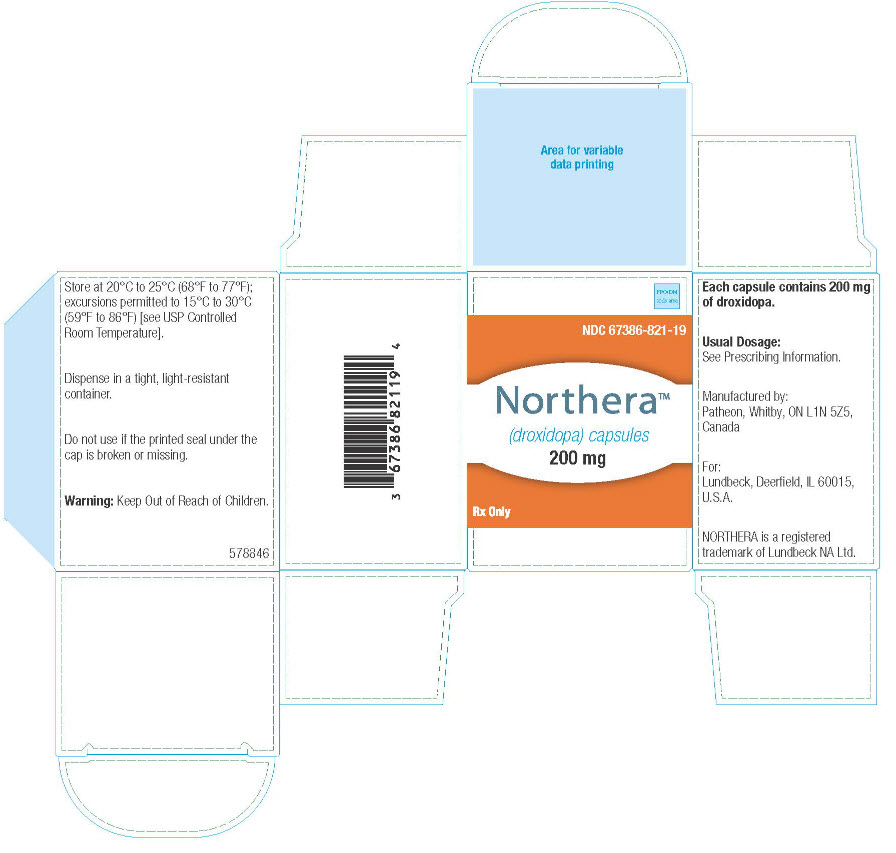
- 200 mg: Hard gelatin capsules with “Northera” on the white body and “200” on the light yellow cap
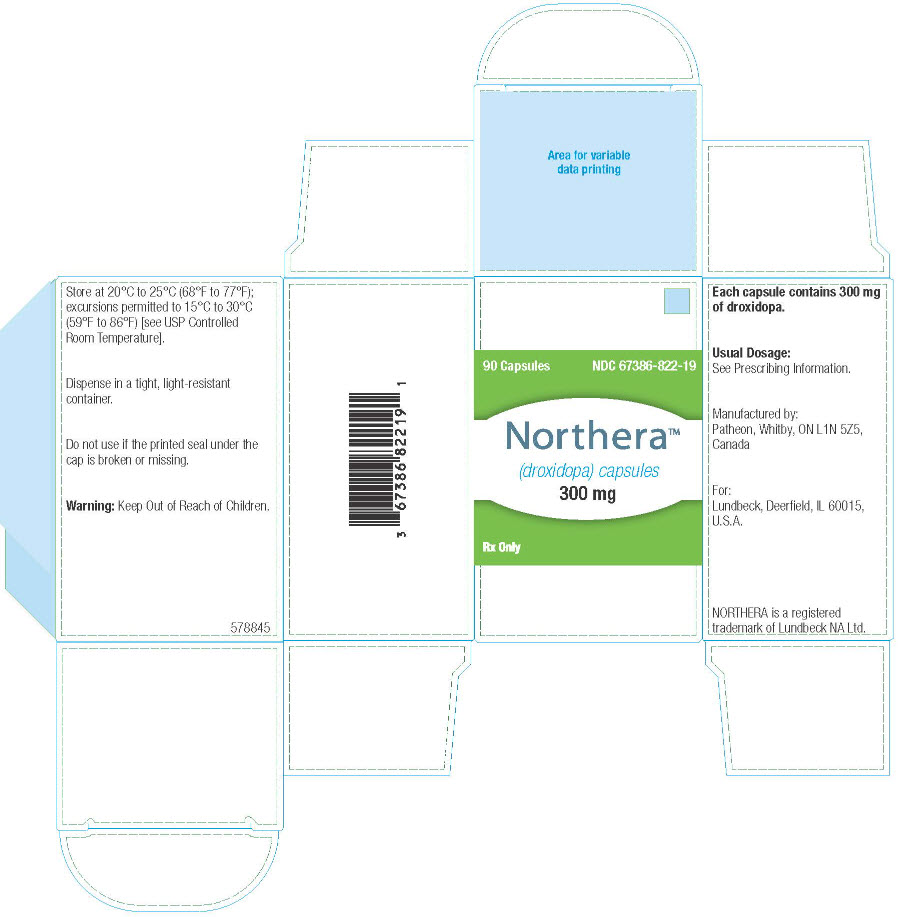
- 300 mg: Hard gelatin capsules with “Northera” on the white body and “300” on the light green cap
- Supine Hypertension
- Hyperpyrexia and Confusion
- May exacerbate existing ischemic heart disease, arrhythmias, and congestive heart failure
In the long-term, open-label extension studies, a total of 422 patients, mean age 65 years, were treated with NORTHERA for a mean total exposure of approximately one year. The commonly reported adverse events were falls (24%), urinary tract infections (15%), headache (13%), syncope (13%), and dizziness (10%).
Eye Disorders: Blurred vision
Gastrointestinal Disorders: Pancreatitis, abdominal pain, vomiting, diarrhea
General Disorders and Administration Site Conditions: Fatigue
Nervous System Disorders: Cerebrovascular accident
Psychiatric Disorders: Psychosis,hallucination, delirium, agitation, memory disorder