Paroxysmal Nocturnal Hemoglobinuria (PNH) Treatments
Find Paroxysmal Nocturnal Hemoglobinuria (PNH) Treatments
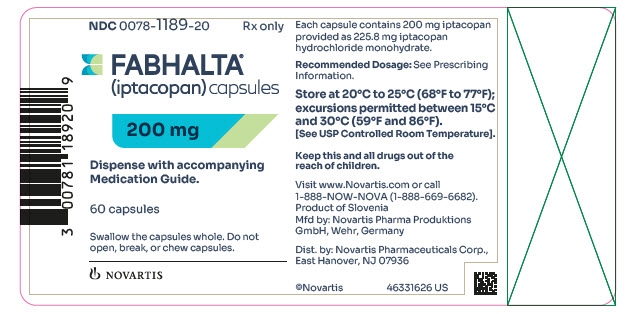
Fabhalta
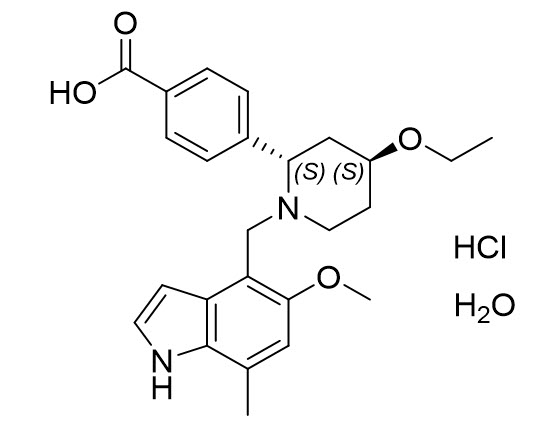
What is Fabhalta (Iptacopan)?
Approved To Treat


Related Clinical Trials
Summary: The purpose of this open-label, single arm, multicenter, phase 3 study is to assess the pharmacokinetics of iptacopan in pediatric patients and to assess whether iptacopan is safe and well tolerated when used for the treatment of pediatric paroxysmal nocturnal hemoglobinuria (PNH) patients 2 to \< 18 years of age.
Summary: This study evaluates iptacopan effectiveness and safety in routine clinical practice, with a focus on hematological response, transfusion avoidance, and patient-reported outcomes. The primary objective of the REAL-CARE study is to is to assess the long-term hematological response following iptacopan initiation. This will be assessed through the absolute change in hemoglobin (Hb) levels at 12 month...
Summary: This is an open-label extension study to evaluate the long-term efficacy, safety and tolerability of iptacopan in subjects with C3 glomerulopathy or idiopathic immune-complex-membranoproliferative glomerulonephritis
Related Latest Advances
Brand Information
- Complete or update vaccination for encapsulated bacteria at least 2 weeks prior to the first dose of FABHALTA, unless the risks of delaying therapy with FABHALTA outweigh the risk of developing a serious infection. Comply with the most current Advisory Committee on Immunization Practices (ACIP) recommendations for vaccinations against encapsulated bacteria in patients receiving a complement inhibitor. See
- Patients receiving FABHALTA are at increased risk for invasive disease caused by encapsulated bacteria, even if they develop antibodies following vaccination. Monitor patients for early signs and symptoms of serious infections and evaluate immediately if infection is suspected.
- in patients with serious hypersensitivity to iptacopan or any of the excipients.
- for initiation in patients with unresolved serious infection caused by encapsulated bacteria, including
- Serious Infections Caused by Encapsulated Bacteria
- Hyperlipidemia
- fever with or without shivers or chills
- fever and a rash
- fever with chest pain and cough
- fever with breathlessness/fast breathing
- fever with high heart rate
- headache with nausea or vomiting
- headache and a fever
- headache with a stiff neck or stiff back
- confusion
- body aches with flu-like symptoms
- clammy skin
- eyes sensitive to light
- Patients must receive counseling about the risk of serious infections caused by encapsulated bacteria.
- Patients must receive written educational materials about this risk.
- Patients must be instructed to carry the Patient Safety Card with them at all times during and for 2 weeks following treatment with FABHALTA.
- Patients must be instructed to complete or update vaccines against encapsulated bacteria per ACIP recommendations as directed by the prescriber prior to treatment with FABHALTA.
- Patients must receive antibiotics as directed by the prescriber if they are not up to date on vaccinations against encapsulated bacteria and have to start FABHALTA right away.