Pemphigus Vulgaris Treatments
Find Pemphigus Vulgaris Treatments
RiTUXimab
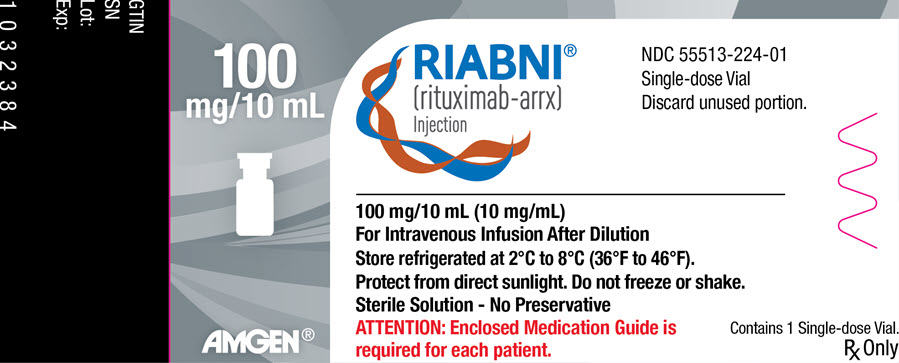
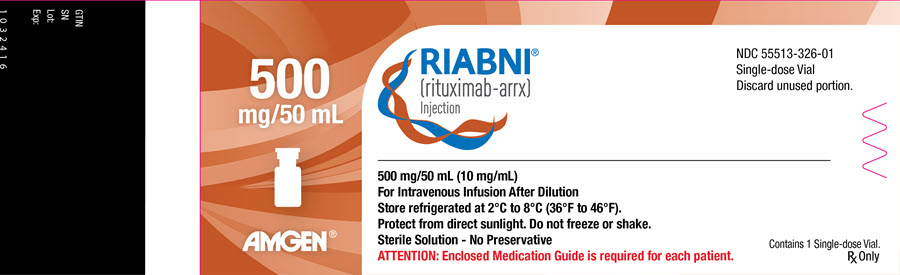
What is Riabni (RiTUXimab)?


Related Clinical Trials
Summary: The main purpose of this study is to evaluate safety and efficacy, and measure how much LY4584180 gets into the bloodstream and how long it takes the body to eliminate it in patients with previously treated blood cancers. For each participant, the study could last about 9 months or possibly longer including screening.
Summary: This study will assess the safety, tolerability, pharmaokinetics, and preliminary efficacy of mosunetuzumab (Lunsumio) monotherapy in participants with relapsed or refractory (R/R) chronic lymphocytic leukemia (CLL) or small lymphocytic lymphoma (SLL). This study will also allow participants who are currently progressing on a Bruton tyrosine kinase inhibitor (BTKi) and requiring salvage therapy as...
Summary: The purpose of this study is to assess the safety and efficacy of surovatamig (formerly AZD0486) administered as monotherapy or in combination with other anticancer agents in participants with hematological malignancies
Related Latest Advances
Brand Information
- Infusion-related reactions
- Severe mucocutaneous reactions
- Hepatitis B reactivation with fulminant hepatitis
- Progressive multifocal leukoencephalopathy
- Tumor lysis syndrome
- Infections
- Cardiovascular adverse reactions
- Renal toxicity
- Bowel obstruction and perforation
- Hematologic: prolonged pancytopenia, marrow hypoplasia, Grade 3-4 prolonged or late-onset neutropenia, hyperviscosity syndrome in Waldenstrom's macroglobulinemia, prolonged hypogammaglobulinemia
- Cardiac: fatal cardiac failure.
- Immune/Autoimmune Events: uveitis, optic neuritis, systemic vasculitis, pleuritis, lupus-like syndrome, serum sickness, polyarticular arthritis, and vasculitis with rash.
- Infection: viral infections, including progressive multifocal leukoencephalopathy (PML), increase in fatal infections in HIV-associated lymphoma, and a reported increased incidence of Grade 3 and 4 infections
- Neoplasia: disease progression of Kaposi's sarcoma.
- Skin: severe mucocutaneous reactions, pyoderma gangrenosum (including genital presentation).
- Gastrointestinal: bowel obstruction and perforation.
- Pulmonary: fatal bronchiolitis obliterans and fatal interstitial lung disease.
- Nervous system: Posterior Reversible Encephalopathy Syndrome (PRES)/Reversible Posterior Leukoencephalopathy Syndrome (RPLS).