Pemphigus Treatments
Find Pemphigus Treatments
Kenalog
What is Bupivilog (Kenalog)?
Approved To Treat


Related Clinical Trials
Summary: The supraclavicular brachial plexus block (BPB) is a frequently used anaesthetic method for upper limb surgeries, including distal radial fracture surgery. Adding liposomal bupivacaine to BPB has shown promise in enhancing postoperative pain control. A previous randomized controlled trial demonstrated that it reduced pain scores and OBAS compared to plain bupivacaine alone, especially on postopera...
Summary: Anesthetic greater occipital nerve (GON) blockade is a simple, inexpensive, and safe procedure that has demonstrable headache pain suppressing effects. In this study, Veterans with post-traumatic headache will be randomized to receive 0.0%, 0.05%, or 0.5% bupivacaine in bilateral GON blocks and the lasting (i.e., transitional) effects on headache frequency measured in a headache diary.
Summary: The goal of this clinical trial is to determine whether Neurolytic Splanchnic Nerve Block (NSNB) reduces pain in adults with upper abdominal malignancies. It will also evaluate the safety of Neurolytic Splanchnic Nerve Block (NSNB). The main questions it aims to answer are: Does NSNB reduce pain intensity compared to Neurolytic Coeliac Plexus Block (NCPB), as measured by the Visual Analog Scale (V...
Related Latest Advances
Brand Information
- 0.5% (50 mg/10 mL) (5 mg/mL) in single-dose teartop vials.
- obstetrical paracervical block anesthesia. Its use in this technique has resulted in fetal bradycardia and death.
- intravenous regional anesthesia (Bier Block)
- patients with a known hypersensitivity to bupivacaine or to any local anesthetic agent of the amide-type or to other components of Bupivacaine Hydrochloride Injection.
- Cardiac Arrest in Obstetrical Anesthesia
- Dose-Related Toxicity
- Methemoglobinemia
- Chondrolysis with Intra-Articular Infusion [see
- Cardiac Arrest with Intravenous Regional Anesthesia Use
- Systemic Toxicities with Unintended Intravascular or Intrathecal Injection
- Respiratory Arrest Following Retrobulbar Block
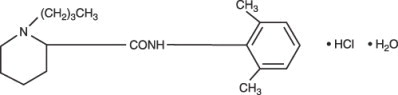
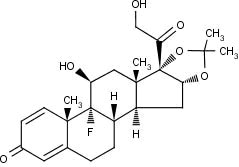
Section Text
- First aid antiseptic to help prevent skin infection in minor cuts, scrapes and burns.
- For preparation of the skin prior to surgery.
- Helps reduce bacteria that can potentially cause skin infections.
- FOR EXTERNAL USE ONLY
- As a first aid antiseptic for more than 1 week.
- In the eyes.
- Over large areas of the body.
- Deep puncture wounds
- Animal bites
- Serious burns
- If irritation and redness develop
- If condition persists for more than 72 hours, consult a physician.
- clean affected area
- apply 1 to 3 times daily
- may be covered with a sterile bandage, if bandaged let dry.
- clean area
- apply to operative site prior to surgery using the applicator