Prostate Cancer Treatments

Find Prostate Cancer Treatments

Generic Name

Docetaxel

Brand Names
Beizray, Docivyx
FDA approval date: October 21, 2010
Classification: Microtubule Inhibitor
Form: Injection, Kit

What is Beizray (Docetaxel)?

Non-small Cell Lung Cancer BEIZRAY as a single agent is indicated for the treatment of patients with locally advanced or metastatic non-small cell lung cancer after failure of prior platinum-based chemotherapy. BEIZRAY in combination with cisplatin is indicated for the treatment of patients with unresectable, locally advanced or metastatic non-small cell lung cancer who have not previously received chemotherapy for this condition. Prostate Cancer BEIZRAY in combination with prednisone is indicated for the treatment of patients with metastatic castration-resistant prostate cancer. Breast Cancer BEIZRAY is indicated for the treatment of patients with locally advanced or metastatic breast cancer after failure of prior chemotherapy. BEIZRAY in combination with doxorubicin and cyclophosphamide is indicated for the adjuvant treatment of patients with operable node-positive breast cancer. Head and Neck Cancer BEIZRAY in combination with cisplatin and fluorouracil is indicated for the induction treatment of patients with locally advanced squamous cell carcinoma of the head and neck . Gastric Adenocarcinoma BEIZRAY in combination with cisplatin and fluorouracil is indicated for the treatment of patients with advanced gastric adenocarcinoma, including adenocarcinoma of the gastroesophageal junction, who have not received prior chemotherapy for advanced disease. BEIZRAY is a microtubule inhibitor indicated for: Breast Cancer : single agent for locally advanced or metastatic BC after chemotherapy failure; and with doxorubicin and cyclophosphamide as adjuvant treatment of operable node-positive BC.
Save this treatment for later
Sign Up
Not sure about your diagnosis?
Check Your Symptoms
Tired of the same old research?
Check Latest Advances

Related Clinical Trials

Phase II Randomized Trial of Neo-Adjuvant Chemotherapy Followed by Surgery and Post-Operative Radiation Versus Surgery and Post-Operative Radiation for Organ Preservation of T3 and T4a Nasal and Paranasal Sinus Squamous Cell Carcinoma (NPNSCC)

Summary: This randomized phase II trial studies how well chemotherapy before surgery and radiation therapy works compared to surgery and radiation therapy alone in treating patients with nasal and paranasal sinus cancer that can be removed by surgery. Drugs used in chemotherapy, such as docetaxel, cisplatin, and carboplatin work in different ways to stop the growth of tumor cells, either by killing the cel...

A Phase 3, Open-label, Multicenter, Randomized Study of Xaluritamig Plus Abiraterone Versus Investigator's Choice in Participants With Chemotherapy-naïve Metastatic Castration-resistant Prostate Cancer

Summary: The primary objective of this study is to compare overall survival (OS) in participants receiving xaluritamig plus abiraterone against investigator's choice (docetaxel, cabazitaxel, or abiraterone).

Brand Information

    BEIZRAY (Docetaxel)
    WARNING: TOXIC DEATHS, HEPATOTOXICITY, NEUTROPENIA, HYPERSENSITIVITY REACTIONS, and FLUID RETENTION
    Treatment-related mortality associated with BEIZRAY is increased in patients with abnormal liver function, in patients receiving higher doses, and in patients with non- small cell lung carcinoma and a history of prior treatment with platinum-based chemotherapy who receive BEIZRAY as a single agent at a dose of 100 mg/m

    Avoid the use of BEIZRAY in patients with bilirubin > upper limit of normal (ULN), or to patients with AST and/or ALT >1.5 × ULN concomitant with alkaline phosphatase >2.5 × ULN. Patients with elevations of bilirubin or abnormalities of transaminase concurrent with alkaline phosphatase are at increased risk for the development of severe neutropenia, febrile neutropenia, infections, severe thrombocytopenia, severe stomatitis, severe skin toxicity, and toxic death. Patients with isolated elevations of transaminase >1.5 × ULN also had a higher rate of febrile neutropenia. Measure bilirubin, AST or ALT, and alkaline phosphatase prior to each cycle of BEIZRAY

    Do not administer BEIZRAY to patients with neutrophil counts of <1500 cells/mm

    Do not administer BEIZRAY to patients who have a history of severe hypersensitivity reactions to docetaxel

    Severe fluid retention occurred in 6.5% (6/92) of patients despite use of dexamethasone premedication. It was characterized by one or more of the following events: poorly tolerated peripheral edema, generalized edema, pleural effusion requiring urgent drainage, dyspnea at rest, cardiac tamponade, or pronounced abdominal distention (due to ascites)
    1DOSAGE FORMS AND STRENGTHS
    BEIZRAY (docetaxel) injection is a clear, colorless liquid supplied as follows:
    BEIZRAY 80 mg kit consisting of the following:
    • One single-dose vial of BEIZRAY: 80 mg/4 mL
    • One single-dose vial of IV Solution Stabilizer: 50 mL of 25% Albumin Human USP solution for infusion; a clear and slightly viscous solution
    BEIZRAY 160 mg kit consisting of the following:
    • Two single-dose vials of BEIZRAY: 80 mg/4 mL each
    • One single-dose vial of IV Solution Stabilizer: 50 mL of 25% Albumin Human USP solution for infusion; a clear and slightly viscous solution
    BEIZRAY carton containing one single-dose vial:
    • 80 mg/4 mL
    • 20 mg/mL 
    2CONTRAINDICATIONS
    BEIZRAY is contraindicated in patients with:

    • neutrophil counts of <1500 cells/mm 3[see Warnings and Precautions ( .
    • a history of severe hypersensitivity reactions to docetaxel. Severe reactions, including anaphylaxis, have occurred [see Warnings and Precautions ( .
    3ADVERSE REACTIONS
    The most serious adverse reactions from BEIZRAY are:
    • Toxic Deaths
    • Hepatic Impairment
    • Hematologic Effects
    • Enterocolitis and Neutropenic Colitis
    • Hypersensitivity Reactions
    • Fluid Retention
    • Second Primary Malignancies
    • Cutaneous Reactions
    • Neurologic Reactions
    • Eye Disorders
    • Asthenia
    • Alcohol Content
    • Tumor Lysis Syndrome
    The most common adverse reactions across all docetaxel indications are infections, neutropenia, anemia, febrile neutropenia, hypersensitivity, thrombocytopenia, neuropathy, dysgeusia, dyspnea, constipation, anorexia, nail disorders, fluid retention, asthenia, pain, nausea, diarrhea, vomiting, mucositis, alopecia, skin reactions, and myalgia. Incidence varies depending on the indication.

    Adverse reactions are described according to indication. Because clinical trials are conducted under widely varying conditions, adverse reaction rates observed in the clinical trials of a drug cannot be directly compared to rates in the clinical trials of another drug and may not reflect the rates observed in practice.

    Responding patients may not experience an improvement in performance status on therapy and may experience worsening. The relationship between changes in performance status, response to therapy, and treatment-related side effects has not been established.
    3.1Clinical Trials Experience
    Breast Cancer
    Monotherapy with docetaxel for locally advanced or metastatic breast cancer after failure of prior chemotherapy
    Docetaxel 100 mg/m
    Hematologic reactions
    Reversible marrow suppression was the major dose-limiting toxicity of docetaxel [see Warnings and Precautions ( . The median time to nadir was 7 days, while the median duration of severe neutropenia (<500 cells/mm 3) was 7 days. Among 2045 patients with solid tumors and normal baseline LFTs, severe neutropenia occurred in 75.4% and lasted for more than 7 days in 2.9% of cycles.

    Febrile neutropenia (<500 cells/mm 3with fever >38°C with intravenous antibiotics and/or hospitalization) occurred in 11% of patients with solid tumors, in 12.3% of patients with metastatic breast cancer, and in 9.8% of 92 breast cancer patients premedicated with 3-day corticosteroids.
    Severe infectious episodes occurred in 6.1% of patients with solid tumors, in 6.4% of patients with metastatic breast cancer, and in 5.4% of 92 breast cancer patients premedicated with 3-day corticosteroids.
    Thrombocytopenia (<100,000 cells/mm
    Hypersensitivity reactions
    Severe hypersensitivity reactions have been reported [see Boxed Warning, Warnings and Precautions ( . Minor events, including flushing, rash with or without pruritus, chest tightness, back pain, dyspnea, drug fever, or chills, have been reported and resolved after discontinuing the infusion and instituting appropriate therapy.
    Fluid retention
    Fluid retention can occur with the use of docetaxel [see Boxed Warning, Dosage and Administration (

    Cutaneous reactions
    Severe skin toxicity is discussed elsewhere in the label [see Warnings and Precautions . Reversible cutaneous reactions characterized by a rash including localized eruptions, mainly on the feet and/or hands, but also on the arms, face, or thorax, usually associated with pruritus, have been observed. Eruptions generally occurred within 1 week after docetaxel infusion, recovered before the next infusion, and were not disabling.
    Severe nail disorders were characterized by hypo or hyperpigmentation, and occasionally by onycholysis (in 0.8% of patients with solid tumors) and pain.

    Neurologic reactions
    Neurologic reactions are discussed elsewhere in the label [see Warnings and Precautions ( .
    Gastrointestinal reactions
    Nausea, vomiting, and diarrhea were generally mild to moderate. Severe reactions occurred in 3%-5% of patients with solid tumors and to a similar extent among metastatic breast cancer patients. The incidence of severe reactions was 1% or less for the 92 breast cancer patients premedicated with 3-day corticosteroids.
    Severe stomatitis occurred in 5.5% of patients with solid tumors, in 7.4% of patients with metastatic breast cancer, and in 1.1% of the 92 breast cancer patients premedicated with 3-day corticosteroids.

    Cardiovascular reactions
    Hypotension occurred in 2.8% of patients with solid tumors; 1.2% required treatment. Clinically meaningful events such as heart failure, sinus tachycardia, atrial flutter, dysrhythmia, unstable angina, pulmonary edema, and hypertension have occurred. Seven of 86 (8.1%) of metastatic breast cancer patients receiving docetaxel 100 mg/m 2in a randomized trial and who had serial left ventricular ejection fractions assessed developed deterioration of LVEF by 10% associated with a drop below the institutional lower limit of normal.
    Infusion site reactions
    Infusion site reactions were generally mild and consisted of hyperpigmentation, inflammation, redness or dryness of the skin, phlebitis, extravasation, or swelling of the vein.

    Hepatic reactions
    In patients with normal LFTs at baseline, bilirubin values greater than the ULN occurred in 8.9% of patients. Increases in AST or ALT >1.5 times the ULN, or alkaline phosphatase >2.5 times ULN, were observed in 18.9% and 7.3% of patients, respectively. While on docetaxel, increases in AST and/or ALT >1.5 times ULN concomitant with alkaline phosphatase >2.5 times ULN occurred in 4.3% of patients with normal LFTs at baseline. Whether these changes were related to the drug or underlying disease has not been established.
    Hematologic and other toxicity: Relation to dose and baseline liver chemistry abnormalities
    Hematologic and other toxicity is increased at higher doses and in patients with elevated baseline liver function tests (LFTs). In the following tables, adverse drug reactions are compared for three populations: 730 patients with normal LFTs given docetaxel at 100 mg/m 2in the randomized and single arm studies of metastatic breast cancer after failure of previous chemotherapy; 18 patients in these studies who had abnormal baseline LFTs (defined as AST and/or ALT >1.5 times ULN concurrent with alkaline phosphatase >2.5 times ULN); and 174 patients in Japanese studies given docetaxel at 60 mg/m 2who had normal LFTs (see Tables 5and 6).
    In the three-arm monotherapy trial, TAX313, which compared docetaxel 60 mg/m
    The following adverse reactions were associated with increasing docetaxel doses: fluid retention (26%, 38%, and 46% at 60 mg/m
    Combination therapy with Docetaxel in the adjuvant treatment of breast cancer
    The following table presents treatment-emergent adverse reactions observed in 744 patients, who were treated with docetaxel 75 mg/m
    Of the 744 patients treated with TAC, 36.3% experienced severe treatment-emergent adverse reactions compared to 26.6% of the 736 patients treated with FAC. Dose reductions due to hematologic toxicity occurred in 1% of cycles in the TAC arm versus 0.1% of cycles in the FAC arm. Six percent of patients treated with TAC discontinued treatment due to adverse reactions, compared to 1.1% treated with FAC; fever in the absence of infection and allergy being the most common reasons for withdrawal among TAC-treated patients. Two patients died in each arm within 30 days of their last study treatment; 1 death per arm was attributed to study drugs.
    Fever and infection
    During the treatment period, fever in the absence of infection was seen in 46.5% of TAC-treated patients and in 17.1% of FAC-treated patients. Grade 3/4 fever in the absence of infection was seen in 1.3% and 0% of TAC and FAC-treated patients, respectively. Infection was seen in 39.4% of TAC-treated patients compared to 36.3% of FAC-treated patients. Grade 3/4 infection was seen in 3.9% and 2.2% of TAC-treated and FAC treated patients, respectively. There were no septic deaths in either treatment arm during the treatment period.
    Gastrointestinal reactions
    In addition to gastrointestinal reactions reflected in the table above, 7 patients in the TAC arm were reported to have colitis/enteritis/large intestine perforation versus one patient in the FAC arm. Five of the 7 TAC-treated patients required treatment discontinuation; no deaths due to these events occurred during the treatment period.
    Cardiovascular reactions
    More cardiovascular reactions were reported in the TAC arm versus the FAC arm during the treatment period: arrhythmias, all grades (6.2% vs 4.9%), and hypotension, all grades (1.9% vs 0.8%). Twenty-six (26) patients (3.5%) in the TAC arm and 17 patients (2.3%) in the FAC arm developed CHF during the study period. All except one patient in each arm were diagnosed with CHF during the follow-up period. Two (2) patients in TAC arm and 4 patients in FAC arm died due to CHF. The risk of CHF was higher in the TAC arm in the first year, and then was similar in both treatment arms.
    Adverse reactions during the follow-up period (median follow-up time of 8 years)
    In study TAX316, the most common adverse reactions that started during the treatment period and persisted into the follow-up period in TAC and FAC patients are described below (median follow-up time of 8 years).

    Nervous system disorders
    In study TAX316, peripheral sensory neuropathy started during the treatment period and persisted into the follow-up period in 84 patients (11.3%) in TAC arm and 15 patients (2%) in FAC arm. At the end of the follow-up period (median follow-up time of 8 years), peripheral sensory neuropathy was observed to be ongoing in 10 patients (1.3%) in TAC arm, and in 2 patients (0.3%) in FAC arm.
    Skin and subcutaneous tissue disorders
    In study TAX316, alopecia persisting into the follow-up period after the end of chemotherapy was reported in 687 of 744 TAC patients (92.3%) and 645 of 736 FAC patients (87.6%). At the end of the follow-up period (actual median follow-up time of 8 years), alopecia was observed to
    be ongoing in 29 TAC patients (3.9%) and 16 FAC patients (2.2%).

    Reproductive system and breast disorders
    In study TAX316, amenorrhea that started during the treatment period and persisted into the follow-up period after the end of chemotherapy was reported in 202 of 744 TAC patients (27.2%) and 125 of 736 FAC patients (17.0%). Amenorrhea was observed to be ongoing at the end of the follow-up period (median follow-up time of 8 years) in 121 of 744 TAC patients (16.3%) and 86 FAC patients (11.7%).

    General disorders and administration site conditions
    In study TAX316, peripheral edema that started during the treatment period and persisted into the follow-up period after the end of chemotherapy was observed in 119 of 744 TAC patients (16.0%) and 23 of 736 FAC patients (3.1%). At the end of the follow-up period (actual median follow-up time of 8 years), peripheral edema was ongoing in 19 TAC patients (2.6%) and 4 FAC
    patients (0.5%).
    In study TAX316, lymphedema that started during the treatment period and persisted into the follow-up period after the end of chemotherapy was reported in 11 of 744 TAC patients (1.5%) and 1 of 736 FAC patients (0.1%). At the end of the follow-up period (actual median follow-up
    In study TAX316, asthenia that started during the treatment period and persisted into the followup period after the end of chemotherapy was reported in 236 of 744 TAC patients (31.7%) and 180 of 736 FAC patients (24.5%). At the end of the follow-up period (actual median follow-up
    Acute myeloid leukemia (AML)/Myelodysplastic syndrome (MDS)
    AML occurred in the adjuvant breast cancer trial (TAX316). The cumulative risk of developing treatment-related AML at median follow-up time of 8 years in TAX316 was 0.4% for TACtreated patients and 0.1% for FAC-treated patients. One TAC patient (0.1%) and 1 FAC patient (0.1%) died due to AML during the follow-up period (median follow-up time of 8 years). Myelodysplastic syndrome occurred in 2 of 744 (0.3%) patients who received TAC and in 1 of 736 (0.1%) patients who received FAC. AML occurs at a higher frequency when these agents are given in combination with radiation therapy.
    Lung Cancer
    Monotherapy with docetaxel for unresectable, locally advanced or metastatic NSCLC previously treated with platinum-based chemotherapy
    Docetaxel 75 mg/m 2: Treatment-emergent adverse drug reactions are shown in Table 8. Included in this table are safety data for a total of 176 patients with non-small cell lung carcinoma and a history of prior treatment with platinum-based chemotherapy who were treated in two randomized, controlled trials. These reactions were described using NCI Common Toxicity Criteria regardless of relationship to study treatment, except for the hematologic toxicities or where otherwise noted.
    Combination therapy with docetaxel in chemotherapy-naive advanced unresectable or metastatic NSCLC
    Table 9presents safety data from two arms of an open label, randomized controlled trial (TAX326) that enrolled patients with unresectable stage IIIB or IV non-small cell lung cancer and no history of prior chemotherapy. Adverse reactions were described using the NCI Common Toxicity Criteria except where otherwise noted.
    Deaths within 30 days of last study treatment occurred in 31 patients (7.6%) in the docetaxel+cisplatin arm and 37 patients (9.3%) in the vinorelbine+cisplatin arm. Deaths within 30 days of last study treatment attributed to study drug occurred in 9 patients (2.2%) in the docetaxel+cisplatin arm and 8 patients (2.0%) in the vinorelbine+cisplatin arm.

    The second comparison in the study, vinorelbine+cisplatin versus docetaxel+carboplatin (which did not demonstrate a superior survival associated with docetaxel [see Clinical Studies (14.3)]) demonstrated a higher incidence of thrombocytopenia, diarrhea, fluid retention, hypersensitivity reactions, skin toxicity, alopecia and nail changes on the docetaxel+carboplatin arm, while a higher incidence of anemia, neurosensory toxicity, nausea, vomiting, anorexia and asthenia was observed on the vinorelbine+cisplatin arm.
    Prostate Cancer
    Combination therapy with docetaxel in patients with prostate cancer
    The following data are based on the experience of 332 patients, who were treated with docetaxel 75 mg/m
    Gastric Cancer

    Combination therapy with docetaxel in gastric adenocarcinoma

    Data in the following table are based on the experience of 221 patients with advanced gastric adenocarcinoma and no history of prior chemotherapy for advanced disease who were treated with docetaxel 75 mg/m 2in combination with cisplatin and fluorouracil (see Table 11).
    Head and Neck Cancer
    Combination therapy with docetaxel in head and neck cancer
    Table 12summarizes the safety data obtained from patients that received induction chemotherapy with docetaxel 75 mg/m 2in combination with cisplatin and fluorouracil followed by radiotherapy (TAX323; 174 patients) or chemoradiotherapy (TAX324; 251 patients). The treatment regimens are described in Section 14.6.
    3.2Postmarketing Experience
    The following adverse reactions have been identified from clinical trials and/or postmarketing surveillance. Because these reactions are reported from a population of uncertain size, it is not always possible to reliably estimate their frequency or establish a causal relationship to drug exposure.
    Body as a whole:diffuse pain, chest pain, radiation recall phenomenon, injection site recall reaction (recurrence of skin reaction at a site of previous extravasation following administration of docetaxel at a different site) at the site of previous extravasation.
    Cardiovascular:atrial fibrillation, deep vein thrombosis, ECG abnormalities, thrombophlebitis, pulmonary embolism, syncope, tachycardia, myocardial infarction. Ventricular arrhythmia, including ventricular tachycardia, in patients treated with docetaxel in combination regimens including doxorubicin, 5-fluorouracil and/or cyclophosphamide may be associated with fatal outcome.
    Cutaneous:cutaneous lupus erythematosus, bullous eruptions such as erythema multiforme and severe cutaneous adverse reactions (SCARs) such as Stevens-Johnson syndrome, toxic epidermal necrolysis and acute generalized exanthematous pustulosis, scleroderma-like changes (usually preceded by peripheral lymphedema), severe palmar-plantar erythrodysesthesia, and permanent alopecia.

    Gastrointestinal:enterocolitis, including colitis, ischemic colitis, and neutropenic enterocolitis, which may be fatal. Abdominal pain, anorexia, constipation, duodenal ulcer, esophagitis, gastrointestinal hemorrhage, gastrointestinal perforation, intestinal obstruction, ileus, and dehydration as a consequence of gastrointestinal events.
    Hearing:ototoxicity, hearing disorders and/or hearing loss, including during use with other ototoxic drugs. 
    Hematologic:bleeding episodes, disseminated intravascular coagulation (DIC), often in association with sepsis or multiorgan failure.
    Hepatic:hepatitis, sometimes fatal, primarily in patients with pre-existing liver disorders.
    Hypersensitivity:anaphylactic shock with fatal outcome in patients who received premedication. Severe hypersensitivity reactions with fatal outcome with docetaxel in patients who previously experienced hypersensitivity reactions to paclitaxel.
    Metabolism and nutrition disorders:electrolyte imbalance, including hyponatremia, hypokalemia, hypomagnesemia, and hypocalcemia. Tumor lysis syndrome, sometimes fatal.
    Neurologic:confusion, seizures or transient loss of consciousness, sometimes appearing during the infusion of the drug.
    Ophthalmologic:conjunctivitis, lacrimation or lacrimation with or without conjunctivitis, cystoid macular edema (CME). Excessive tearing which may be attributable to lacrimal duct obstruction. Transient visual disturbances (flashes, flashing lights, scotomata), typically occurring during drug infusion and reversible upon discontinuation of the infusion, in association with hypersensitivity reactions.
    Respiratory:dyspnea, acute pulmonary edema, acute respiratory distress syndrome/pneumonitis, interstitial lung disease, interstitial pneumonia, respiratory failure, and pulmonary fibrosis, which may be fatal. Radiation pneumonitis in patients receiving concomitant
    radiotherapy.
    Renal:renal insufficiency and renal failure, the majority of cases were associated with concomitant nephrotoxic drugs.
    Second primary malignancies:second primary malignancies, including AML, MDS, NHL, and renal cancer [see Warnings and Precautions (
    Musculoskeletal disorder:myositis.
    4DRUG INTERACTIONS
    Docetaxel is a CYP3A4 substrate. In vitro studies have shown that the metabolism of docetaxel may be modified by the concomitant administration of compounds that induce, inhibit, or are metabolized by cytochrome P450 3A4.
    In vivostudies showed that the exposure of docetaxel increased 2.2-fold when it was coadministered with ketoconazole, a potent inhibitor of CYP3A4. Protease inhibitors, particularly ritonavir, may increase the exposure of docetaxel. Concomitant use of BEIZRAY and drugs that inhibit CYP3A4 may increase exposure to docetaxel and should be avoided. In patients receiving treatment with BEIZRAY, close monitoring for toxicity and a BEIZRAY dose reduction could be considered if systemic administration of a potent CYP3A4 inhibitor cannot be avoided [see Dosage and Administration ( .
    5OVERDOSAGE
    There is no known antidote for BEIZRAY overdosage. In case of overdosage, the patient should be kept in a specialized unit where vital functions can be closely monitored. Anticipated complications of overdosage include: bone marrow suppression, peripheral neurotoxicity, and mucositis. Patients should receive therapeutic G-CSF as soon as possible after discovery of overdose. Other appropriate symptomatic measures should be taken, as needed.
    In two reports of overdose, one patient received 150 mg/m
    In mice, lethality was observed following single intravenous doses that were ≥154 mg/kg (about 4.5 times the human dose of 100 mg/m
    6DESCRIPTION
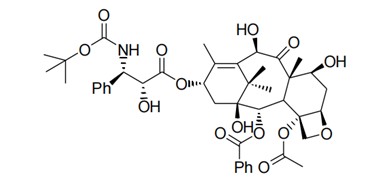
    Docetaxel is an antineoplastic agent belonging to the taxoid family. The chemical name for docetaxel is (2R,3S)-N-carboxy-3-phenylisoserine,N-tert-butyl ester, 13-ester with 5β, 20-epoxy-1,2α,4,7β,10β,13α-hex-ahydroxytax-11-en-9-one4-acetate 2-benzoate. Docetaxel has the following structural formula:
    structure.jpg
    Docetaxel is a white to almost-white powder with an empirical formula of C
    BEIZRAY Injection for intravenous use is a sterile, non-pyrogenic, clear colorless liquid at 20 mg/mL concentration. Each mL contains 20 mg docetaxel (anhydrous) in 0.770 grams dehydrated alcohol (100% v/v) solution, with citric acid for pH adjustment.
    The BEIZRAY kit also contains a single dose vial of IV Solution Stabilizer, 50 mL of 25% Albumin Human USP solution.
    25% Albumin Human USP is a clear, slightly viscous liquid; it is almost colorless or slightly yellow or green. The product contains 0.25 g Albumin Human USP per mL and is stabilized with 0.08 mmol sodium acetyltryptophanate and 0.08 mmol sodium caprylate per gram of albumin.
    7REFERENCES
    1. “OSHA Hazardous Drugs.” http://www.osha.gov/SLTC/hazardousdrugs/index.html
    8PATIENT COUNSELING INFORMATION
    Advise the patient to read the FDA-approved patient labeling (Patient Information).
    9Package/Label Display Panel
    BEIZRAY (docetaxel) Injection
    80 mg/4 mL (20 mg/mL)
    For Intravenous Infusion Only
    Must be diluted in a prepared solution containing Albumin Human USP and 0.9% Sodium Chloride Injection
    Do not substitude BEIZRAY for other docetaxel products
    Discard unused portion
    Warning: Hazardous Drug
    BEIZRAY (docetaxel) Injection, 80 mg/4 mL -Vial Label
    80mg vial
    BEIZRAY (docetaxel) Injection, 20 mg/mL -Vial Label
    20mg vial
    BEIZRAY (docetaxel) Injection, 80 mg Kit -Carton Label
    Each kit Contains:
    -One 4 mL Single-dose vials of Beizray (docetaxel) Injection
    -One 50 mL Single-dose vial of IV Solution Stabilizer (25% Albumin Human USP)
    80mg kit
    BEIZRAY (docetaxel) Injection, 160 mg Kit -Carton Label
    Each kit Contains:
    -Two 4 mL Single-dose vials of Beizray (docetaxel) Injection
    -One 50 mL Single-dose vial of IV Solution Stabilizer (25% Albumin Human USP)
    160mg kit
    BEIZRAY (docetaxel) Injection, 80 mg single-dose vial -Carton Label
      Contains One 4 mL Single-dose vial of Beizray (docetaxel) Injection only
    80mg single dosevial
    BEIZRAY (docetaxel) Injection, 20 mg single-dose vial -Carton Label
      Contains One 1 mL Single-dose vial of Beizray (docetaxel) Injection only
    20mg single dosevial
    Beizray has been selected.