Severe Acute Respiratory Syndrome (SARS) Treatments
Find Severe Acute Respiratory Syndrome (SARS) Treatments
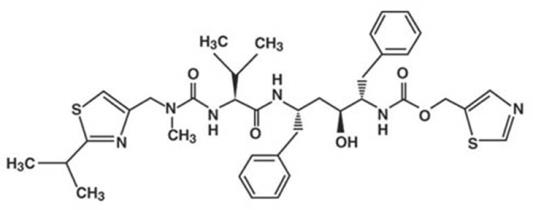
Ritonavir
What is Kaletra (Ritonavir)?
Approved To Treat
Top Global Experts


Related Clinical Trials
Summary: The study will explore the effects of early intensive antiretroviral therapy (ART) with or without a broadly neutralizing antibody (bNAb) on achieving HIV remission (HIV RNA below the limit of detection of the assay) among infants living with HIV.
Summary: The goal of this clinical study is to provide continued access to the study drug(s) to children and adolescents with human immunodeficiency virus type 1 (HIV-1) who completed their participation in an applicable parent study and to monitor for adverse events. The primary objectives of this study are as follows: * To provide continued access to the study drug received in the parent protocol or swit...
Summary: The AGILE platform master protocol allows incorporation of a range of identified and yet-to-be-identified candidates as potential treatments for adults with COVID-19 into the trial. Candidates will be added into the trial via candidate-specific trial (CST) protocols of this master protocol as appendices. Having one master protocol ensures different candidates are evaluated in the same consistent m...
Related Latest Advances
Brand Information
- Genotypic or phenotypic testing and/or treatment history should guide the use of KALETRA. The number of baseline lopinavir resistance-associated substitutions affects the virologic response to KALETRA
- Tablets:
- Oral Solution:
- KALETRA is contraindicated in patients with previously demonstrated clinically significant hypersensitivity (e.g., toxic epidermal necrolysis, Stevens-Johnson syndrome, erythema multiforme, urticaria, angioedema) to any of its ingredients, including ritonavir.
- KALETRA is contraindicated with drugs that are highly dependent on CYP3A for clearance and for which elevated plasma concentrations are associated with serious and/or life-threatening reactions
- KALETRA is contraindicated with drugs that are potent CYP3A inducers where significantly reduced lopinavir plasma concentrations may be associated with the potential for loss of virologic response and possible resistance and cross-resistance
- QT Interval Prolongation, PR Interval Prolongation
- Drug Interactions
- Pancreatitis
- Hepatotoxicity

- Red tablets containing 200 mg of lopinavir and 50 mg of ritonavir
- Pink tablets containing 100 mg of lopinavir and 25 mg of ritonavir.
- Advise patients to pay special attention to accurate administration of their dose to minimize the risk of accidental overdose or underdose of KALETRA.
- Advise patients and caregivers that the oral solution should be administered using the calibrated dosing cup (supplied) or oral dosing syringe.
- Advise caregivers to inform their healthcare provider if the child’s weight changes in order to make sure that the child’s KALETRA dose is adjusted as needed.
- Inform patients and caregivers that KALETRA tablets may be taken with or without food but KALETRA oral solution should be taken with food to enhance absorption.
- Advise patients to remain under the care of a healthcare provider while using KALETRA and to take KALETRA in combination with other antiretroviral drugs as prescribed.
- Advise patients not to alter the dose or discontinue therapy without consulting with their healthcare provider. If a dose of KALETRA is missed patients should take the dose as soon as possible and then return to their normal schedule. However, if a dose is skipped the patient should not double the next dose.
- Inform patients that it is important to take KALETRA on a regular dosing schedule as directed and to avoid missing doses as that can result in development of resistance.
- Inform patients that there may be a greater chance of developing diarrhea with the once daily regimen as compared with the twice daily regimen.
- Inform patients that Kaletra is not a cure for HIV-1 infection and that they may continue to experience illnesses associated with HIV-1 infection, including opportunistic infections.