Azithromycin
What is Zithromax (Azithromycin)?
Top Global Experts


Related Clinical Trials
Summary: Amoxicillin is recommended by the World Health Organization (WHO) as adjunctive therapy for the treatment of uncomplicated severe acute malnutrition (SAM). Because children with uncomplicated SAM may have asymptomatic infection due to immune suppression, presumptive treatment with a broad-spectrum antibiotic may be beneficial by clearing any existing infection and improving outcomes. Two randomize...
Summary: The goal of this clinical trial is to learn if adding contezolid works to shorten the length of treatment in mycobacterium avium pulmonary disease in adults. It will also learn about the safety of extended usage of contezolid. The main questions it aims to answer are: Does adding contezolid to standard regimen decrease the bacterial load, lesion severity and improve the life quality of patients wi...
Summary: The purpose of this study is to compare effectiveness and safety of Azithromycin versus Doxycycline in adult patients hospitalized with community acquired pneumonia (CAP) treated with Beta-lactams.
Related Latest Advances
Brand Information
- Acute bacterial exacerbations of chronic bronchitis due to
- Acute bacterial sinusitis due to
- Community-acquired pneumonia due to
- Pharyngitis/tonsillitis caused by
- Uncomplicated skin and skin structure infections due to
- Urethritis and cervicitis due to
- Genital ulcer disease in men due to
- Acute otitis media
- Community-acquired pneumonia
- Pharyngitis/tonsillitis
- patients with cystic fibrosis,
- patients with nosocomial infections,
- patients with known or suspected bacteremia,
- patients requiring hospitalization,
- elderly or debilitated patients, or
- patients with significant underlying health problems that may compromise their ability to respond to their illness (including immunodeficiency or functional asplenia).
- Hypersensitivity
- Hepatotoxicity
- Infantile Hypertrophic Pyloric Stenosis (IHPS)
- QT Prolongation
- Cardiovascular Death
- Clostridioides difficile-Associated Diarrhea (CDAD) [see
- Exacerbation of Myasthenia Gravis

(azithromycin)
Tablets
(azithromycin)
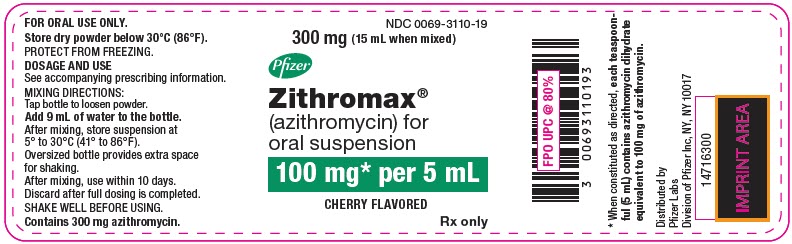
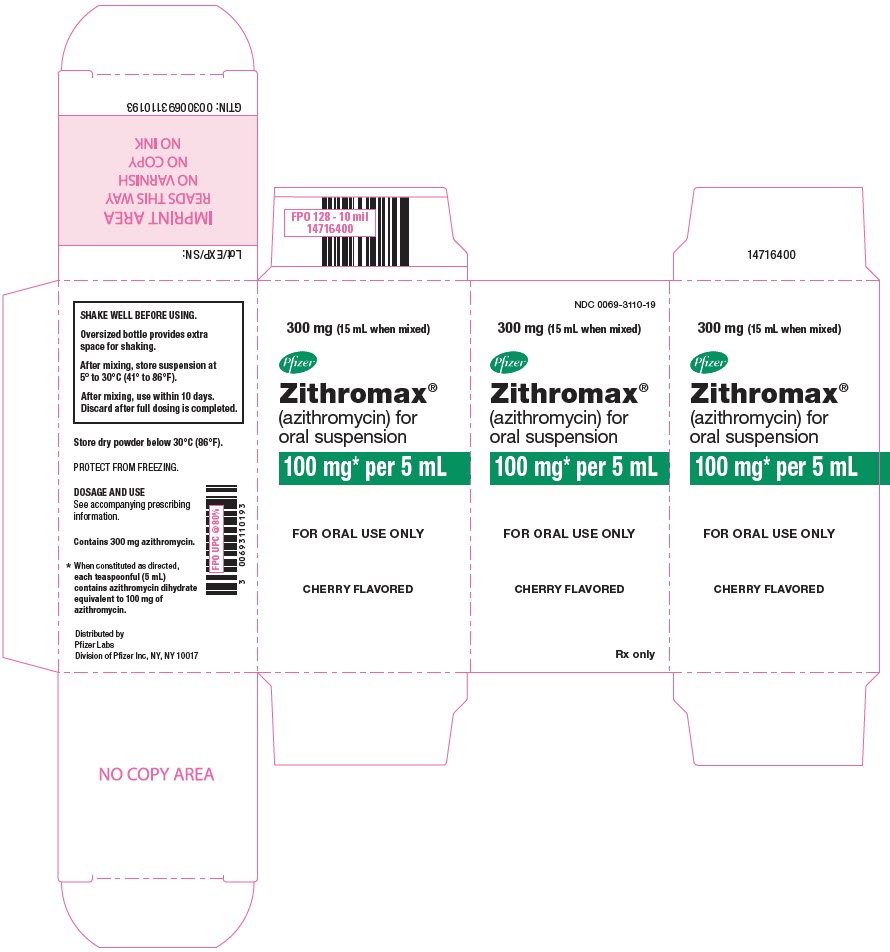
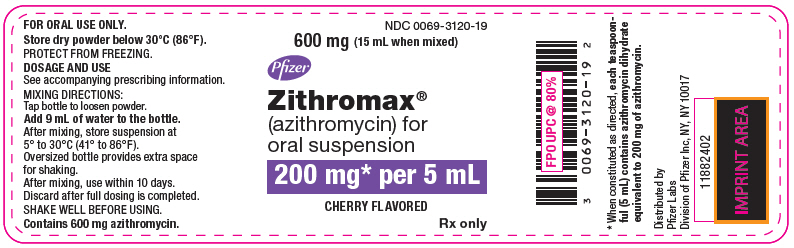
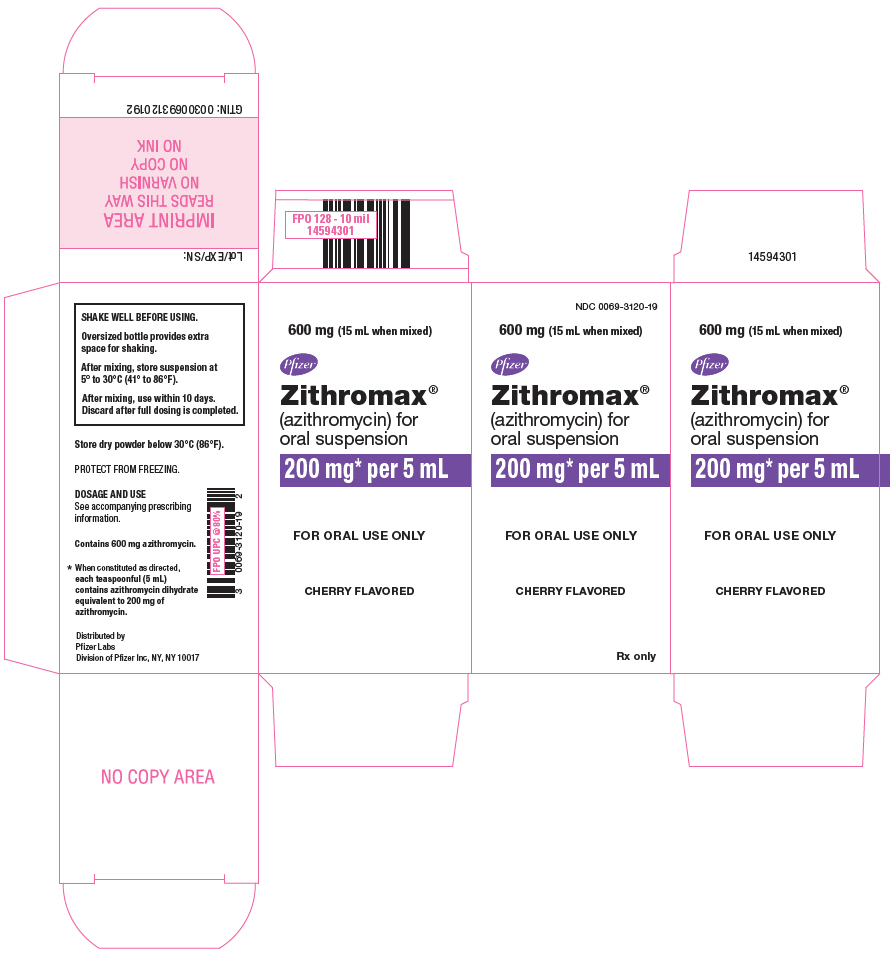
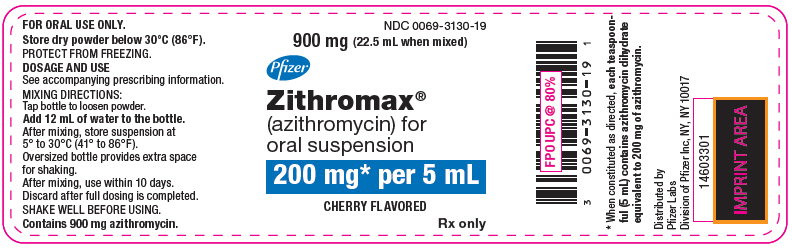
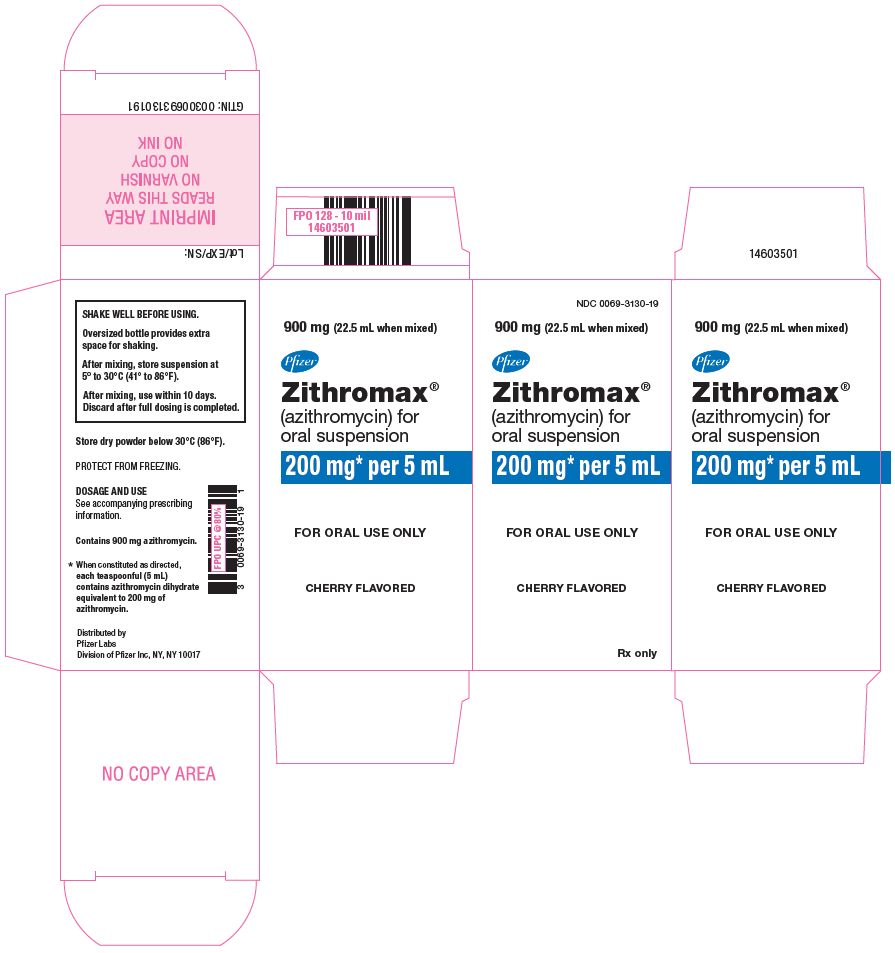
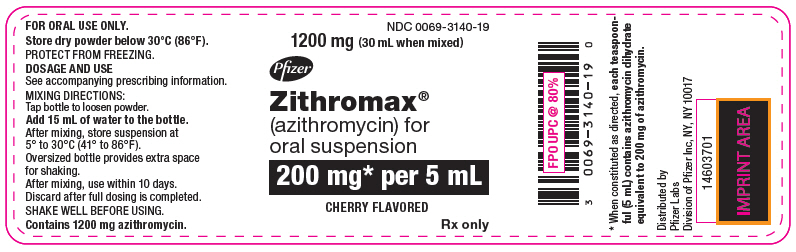
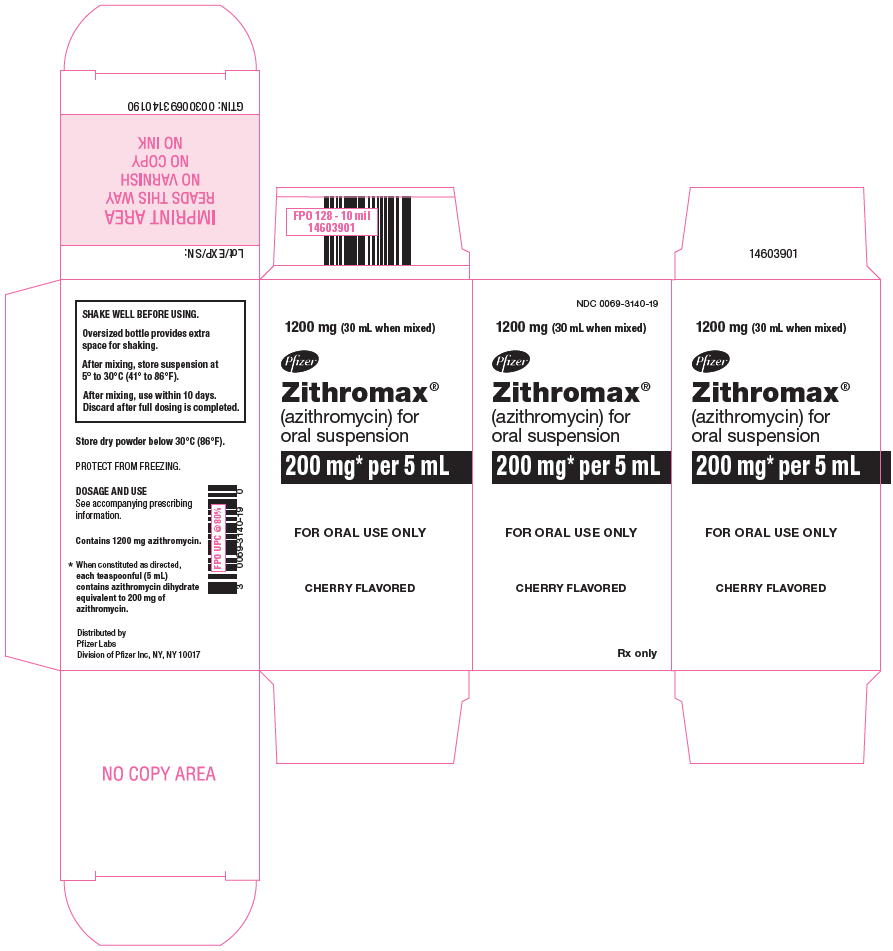
Oral Suspension
- acute worsening of chronic bronchitis
- acute sinus infection
- community-acquired pneumonia
- infected throat or tonsils
- skin infections
- infections of the urethra or cervix
- genital ulcers in men
- ear infections
- community-acquired pneumonia
- infected throat or tonsils
- have cystic fibrosis
- have hospital acquired infections
- have known or suspected bacteria in the blood
- need to be in the hospital
- are elderly
- have any medical problems that can lower the ability of the immune system to fight infections
- have had a severe allergic reaction to certain antibiotics known as macrolides or ketolides including azithromycin and erythromycin.
- have a history of cholestatic jaundice or hepatic dysfunction that happened with the use of azithromycin.
- have pneumonia
- have cystic fibrosis
- have known or suspected bacteremia (bacterial infection in the blood)
- have liver or kidney problems
- have an irregular heartbeat, especially a problem called "QT prolongation"
- have a problem that causes muscle weakness (myasthenia gravis)
- have any other medical problems
- are pregnant or plan to become pregnant. It is not known if ZITHROMAX will harm your unborn baby.
- are breastfeeding or plan to breastfeed. ZITHROMAX has been reported to pass into breast milk. Talk to your healthcare provider about the best way to feed your baby while you take ZITHROMAX.
- nelfinavir
- a blood thinner (warfarin)
- digoxin
- colchicine
- phenytoin
- an antacid that contains aluminum or magnesium
- Take ZITHROMAX exactly as your healthcare provider tells you to take it.
- ZITHROMAX can be taken with or without food.
- If you take ZITHROMAX Oral Suspension, shake the bottle well just before you take it.
- Do not skip any doses of ZITHROMAX or stop taking it, even if you begin to feel better, until you finish your prescribed treatment unless you have a serious allergic reaction or your healthcare provider tells you to stop taking ZITHROMAX.
- If the bacteria becomes resistant to ZITHROMAX, ZITHROMAX and other antibiotic medicines may not work for you in the future.
- If you take too much ZITHROMAX, call your healthcare provider or get medical help right away.
- Serious allergic reactions.Allergic reactions can happen in people taking azithromcyin the active ingredient in ZITHROMAX, even after only 1 dose. Stop taking ZITHROMAX and get emergency medical help right away if you have any of the following symptoms of a severe allergic reaction:
- trouble breathing or swallowing
- swelling of the lips, tongue, face
- throat tightness, hoarseness
- rapid heartbeat
- faintness
- skin rash (hives)
- new onset of fever and swollen lymph nodes
- Stop taking ZITHROMAX at the first sign of a skin rash and call your healthcare provider. Skin rash may be a sign of a more serious reaction to ZITHROMAX.
- Liver damage (hepatotoxicity).Hepatotoxicity can happen in people who take ZITHROMAX. Call your healthcare provider right away if you have unexplained symptoms such as:
- Stop taking ZITHROMAX and tell your healthcare provider right away if you have yellowing of your skin or white part of your eyes, or if you have dark urine. These can be signs of a serious reaction to ZITHROMAX (a liver problem).
- Serious heart rhythm changes that can be life-threatening, including heart stopping (cardiac arrest), QT prolongation, torsades de pointes, feeling that your heart is pounding or racing (palpitations), chest discomfort, or irregular heartbeat.
Tell your healthcare provider right away if you or your child feel a fast or irregular heartbeat, get dizzy or faint. ZITHROMAX may cause a rare heart problem known as prolongation of the QT interval. This condition can cause an abnormal heartbeat and can be very dangerous. The chances of this happening are higher in people:- who are elderly
- with a family history of prolonged QT interval
- with low blood potassium
- who take certain medicines to control heart rhythm (antiarrhythmics)
- Worsening of myasthenia gravis (a problem that causes muscle weakness).Certain antibiotics like ZITHROMAX may cause worsening of myasthenia gravis symptoms, including muscle weakness and breathing problems. Call your healthcare provider right away if you have any worsening muscle weakness or breathing problems.
- Diarrhea.Tell your healthcare provider right away if you have watery diarrhea, diarrhea that does not go away, or bloody stools. You may experience cramping and a fever. This could happen after you have finished your ZITHROMAX.
The most common side effects of ZITHROMAX include:- nausea
- stomach pain
- vomiting
- Store ZITHROMAX Tablets at 59°F to 86°F (15°C to 30°C).
- Store ZITHROMAX Oral Suspension at 41°F to 86°F (5°C to 30°C).
- Keep ZITHROMAX Oral Suspension in a tightly closed container.
- Safely throw away any medicine that is out of date or no longer needed.

(azithromycin) tablets
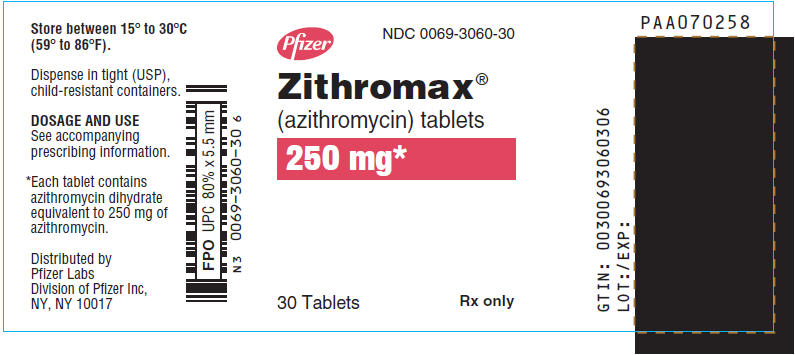
(AZITHROMYCIN)
250 mg*
Tablets
Z-PAK ®

(azithromycin) Tablet
(AZITHROMYCIN) 250 mg*
Tablets

(azithromycin) tablets
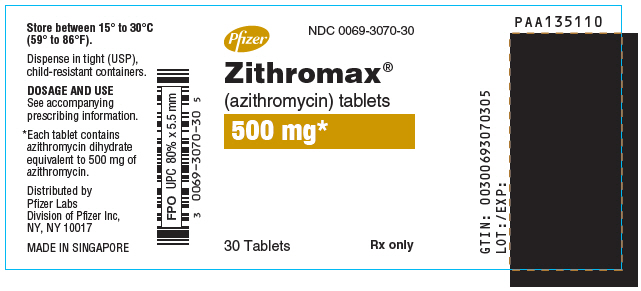
(AZITHROMYCIN)500 mg Tablets
antibiotic therapy in
3 DAILY DOSES

(AZITHROMYCIN)500 mg Tablets