Turbinectomy ProcedureDescription, Latest Information and Doctors
Learn About Turbinectomy

Richard Douglas practices practicing medicine in Grafton, New Zealand. Mr. Douglas is rated as a Distinguished expert by MediFind in Turbinectomy. He is also highly rated in 8 other conditions, according to our data. His clinical expertise encompasses Tonsillitis, Sinusitis, Otitis Media with Effusion, Turbinectomy, and Adenoidectomy.
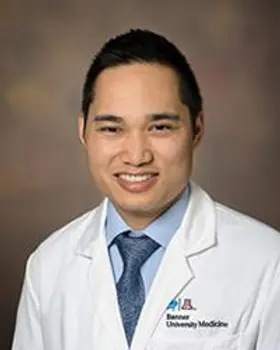
Banner - University Medicine North
He enjoys anything pertaining to Spider-Man or the Dallas Cowboys and craft beers. Dr. Le is rated as an Advanced provider by MediFind in Turbinectomy. He is also highly rated in 13 other conditions, according to our data. His clinical expertise encompasses Chronic Rhinosinusitis with Nasal Polyps (CRSwNP), Empyema, Sinusitis, Septoplasty, and Turbinectomy. Dr. Le is board certified in American Board Of Otolaryngology-Head & Neck Surgery. Dr. Le is currently accepting new patients.
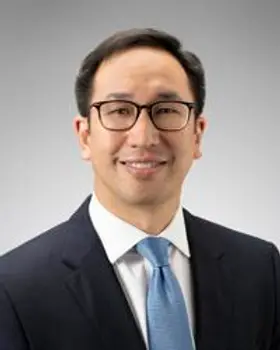
University Ear Nose And Throat Specialists
Eric W. Wang, MD, is professor of Otolaryngology, Neurological Surgery, and Ophthalmology at the University of Pittsburgh School of Medicine, Director of the Division of Rhinology, and Co-Director of the UPMC Center for Cranial Base Surgery. Dr. Wang is also Executive Vice Chair of the Department of Otolaryngology. Dr. Wang completed his undergraduate studies in biochemistry at Rice University and his medical degree at Baylor College of Medicine in Houston. He completed his internship and residency at Barnes-Jewish Hospital and Washington University School of Medicine in Saint Louis. Dr. Wang is rated as an Advanced provider by MediFind in Turbinectomy. He is also highly rated in 6 other conditions, according to our data. His clinical expertise encompasses Pituitary Tumor, Chronic Rhinosinusitis with Nasal Polyps (CRSwNP), Sinus Cancer, Turbinectomy, and Septoplasty. Dr. Wang is board certified in American Board Of Otolaryngology - Head And Neck Surgery. Dr. Wang is currently accepting new patients.
Summary: Nasal turbinectomy surgeries are usually done as day case surgeries as most patients are young with unremarkable comorbidities. However, considerations are still present towards patients of old age or those suffering from obesity or obstructive sleep apnea (OSA). Different techniques are still evolving to improve handling those patients to decrease complications, enhance recovery after surgery and...