Adalimumab-ADAZ
What is Amjevita (Adalimumab-ADAZ)?
Approved To Treat
Top Global Experts


Related Clinical Trials
Summary: The purpose of this study is to estimate and compare the incidence of overall malignancy, serious infection, and opportunistic infections between new users of ustekinumab and new users of other biologic therapies among adult participants with Crohn's disease (CD) or ulcerative colitis (UC).
Summary: HS is relatively common in the United States with a prevalence of 0.1-1.0%. 1 HS has a dramatic impact on quality of life, significantly more so than other chronic skin diseases, such as psoriasis or atopic dermatitis (AD). HS also has a large economic impact, due to frequent emergency department and inpatient care utilization, and re-hospitalization rates similar to congestive heart failure. Unfo...
Summary: The aim of this study is to establish comparability of pharmacokinetic parameters and similarity of the safety and immunogenicity profiles of single subcutaneous doses of BCD 057 100 mg/mL and BCD-057 50 mg/mL, as well as BCD-057 100 mg/mL and Humira 100 mg/mL, in healthy subjects. The study is conducted in a population of healthy male subjects aged 18-45 years inclusive at the time of signing the...
Related Latest Advances
Brand Information
- Prefilled SureClick Autoinjector
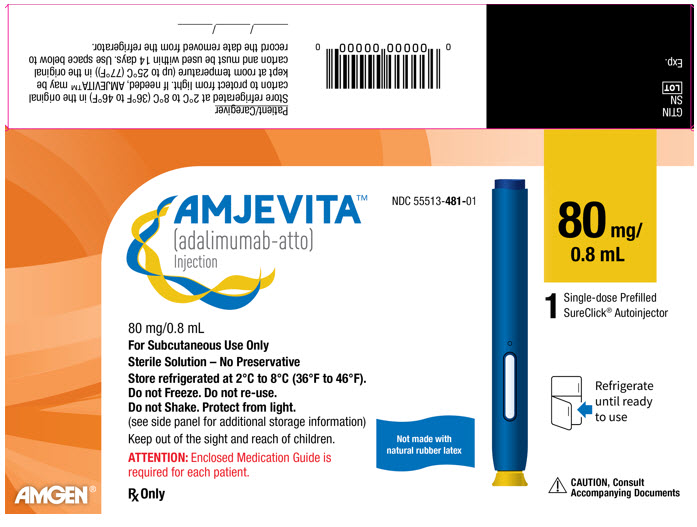
- Injection: 80 mg/0.8 mL in a single-dose prefilled SureClick autoinjector.
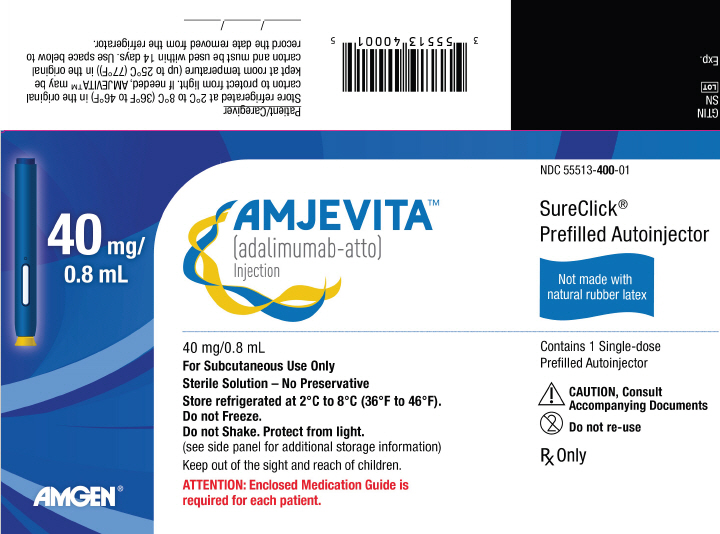
- Injection: 40 mg/0.8 mL in a single-dose prefilled SureClick autoinjector.
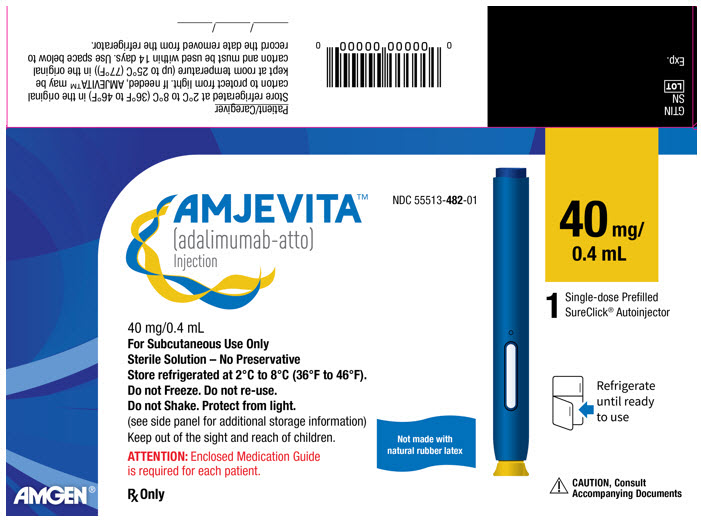
- Injection: 40 mg/0.4 mL in a single-dose prefilled SureClick autoinjector.
- Prefilled Syringe
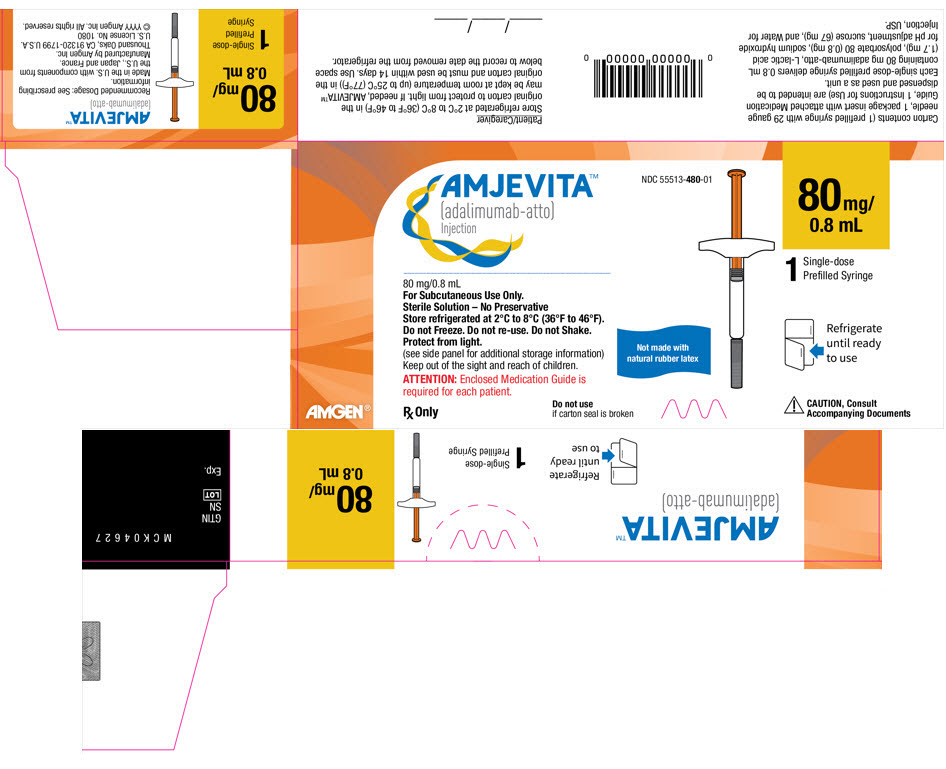
- Injection: 80 mg/0.8 mL in a single-dose prefilled glass syringe.
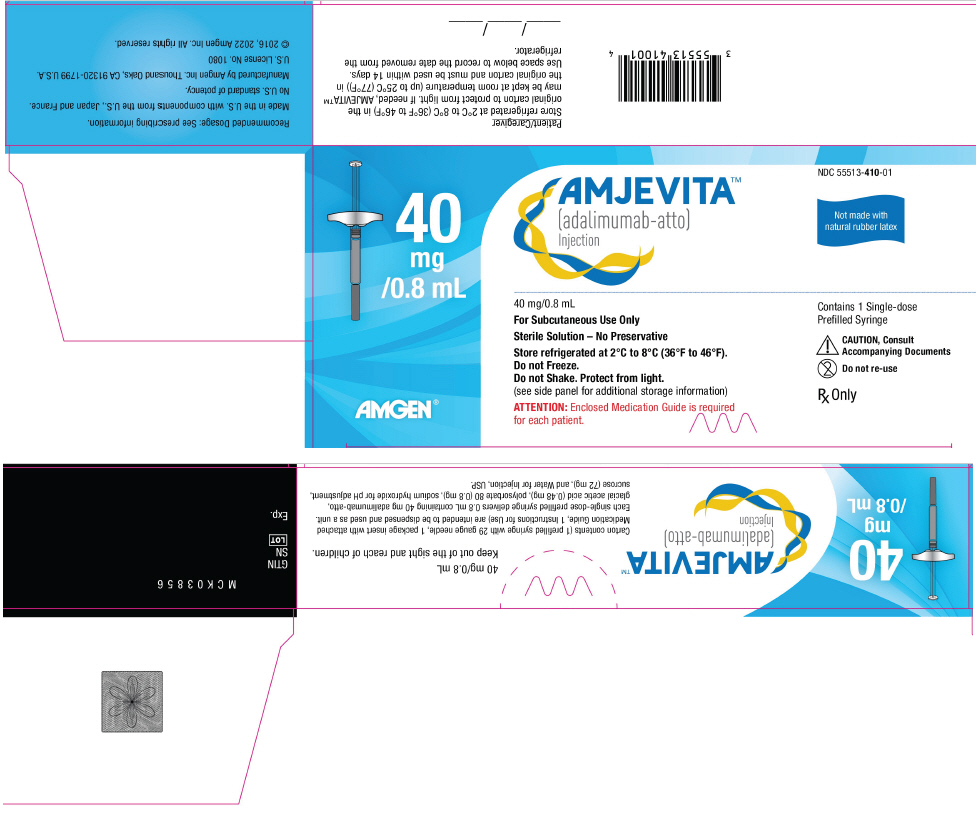
- Injection: 40 mg/0.8 mL in a single-dose prefilled glass syringe.
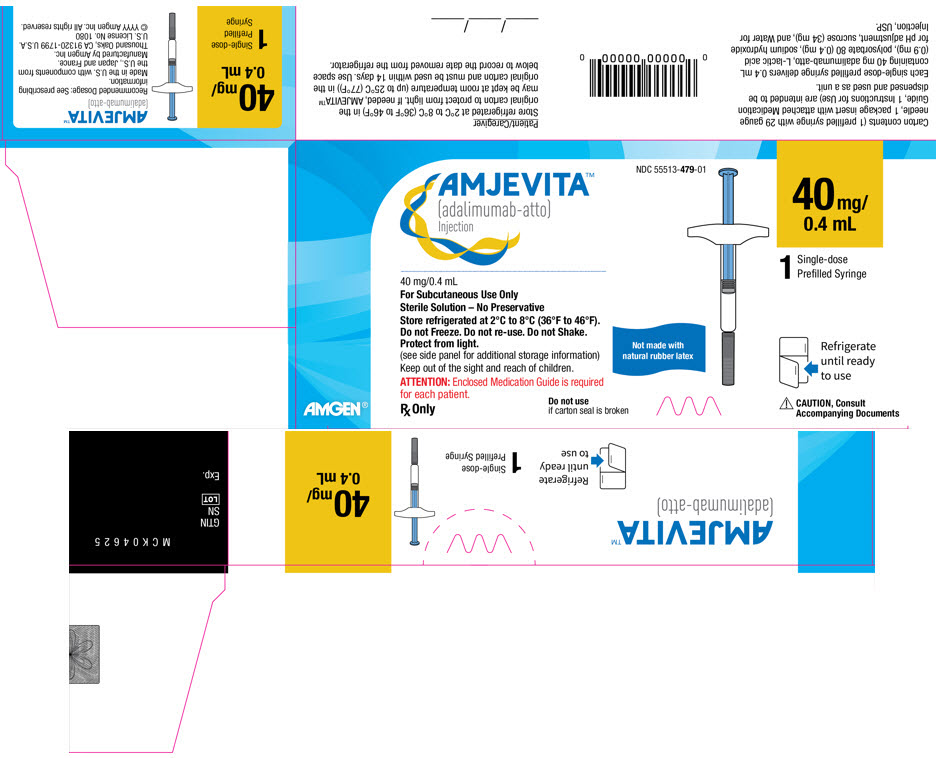
- Injection: 40 mg/0.4 mL in a single-dose prefilled glass syringe.
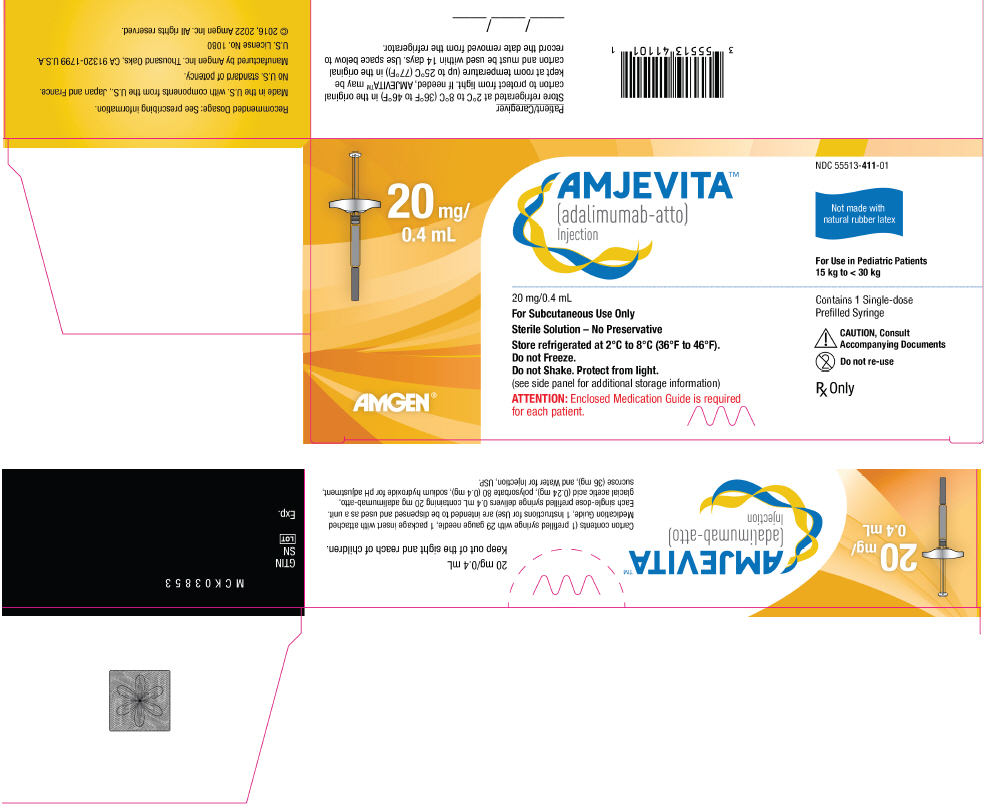
- Injection: 20 mg/0.4 mL in a single-dose prefilled glass syringe.
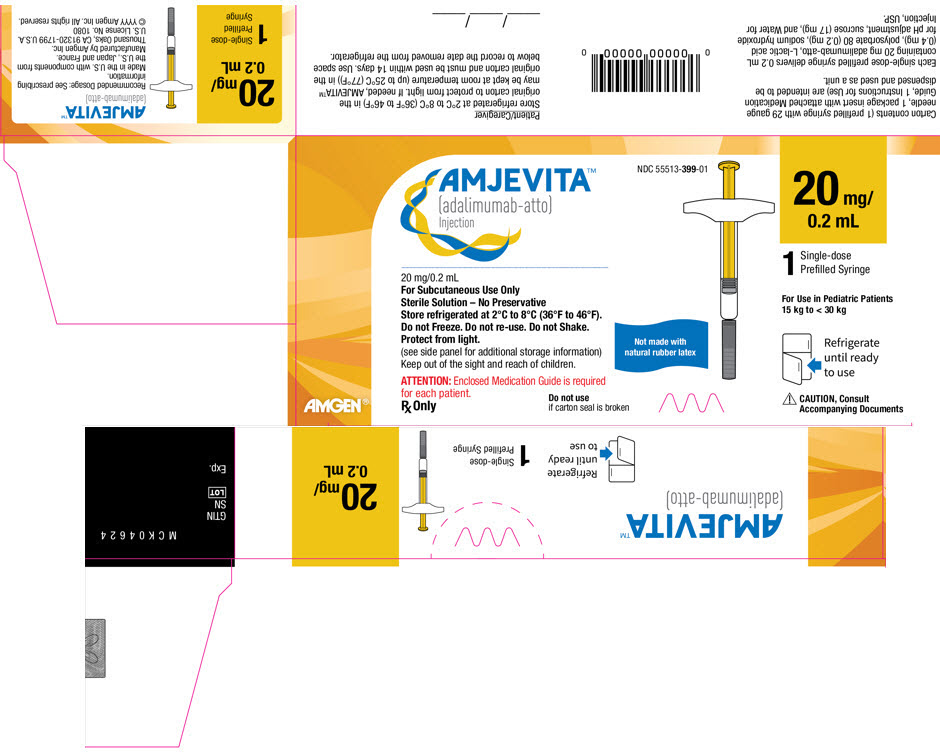
- Injection: 20 mg/0.2 mL in a single-dose prefilled glass syringe.
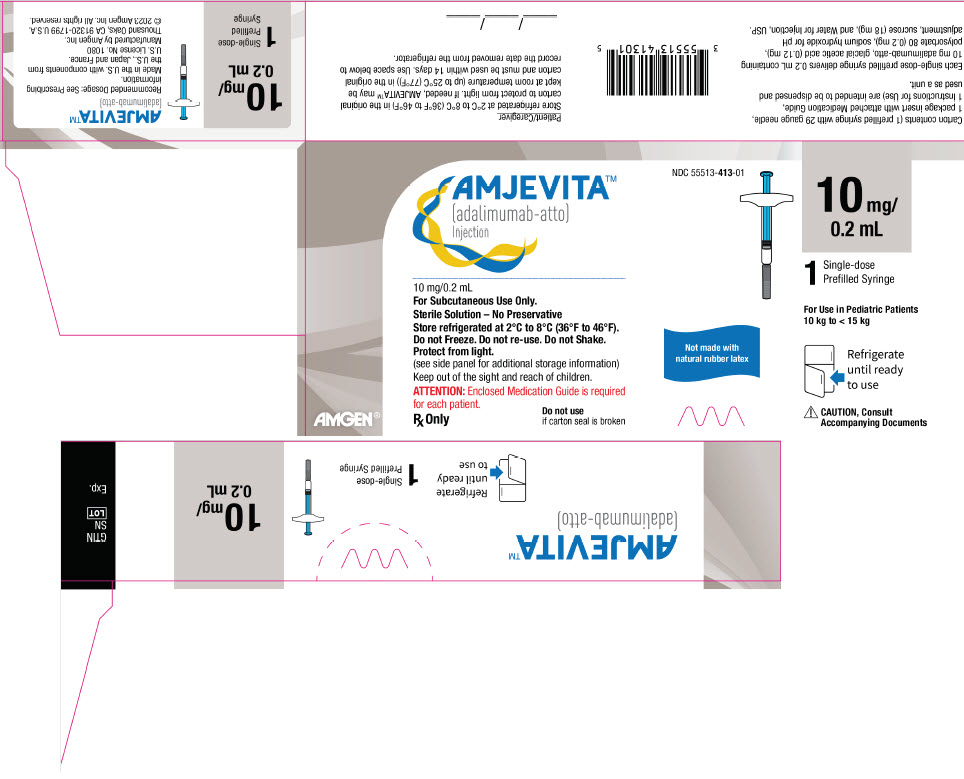
- Injection: 10 mg/0.2 mL in a single-dose prefilled glass syringe.
- Serious Infections
- Malignancies
- Hypersensitivity Reactions
- Hepatitis B Virus Reactivation
- Neurologic Reactions
- Hematological Reactions
- Heart Failure
- Autoimmunity
- National Cancer Institute. Surveillance, Epidemiology, and End Results Database (SEER) Program. SEER Incidence Crude Rates, 17 Registries, 2000-2007.
- It is important that you do not try to give the injection until you have fully read and understood this Instructions for Use.
- Do not use the autoinjector if the carton is damaged or the seal is broken.
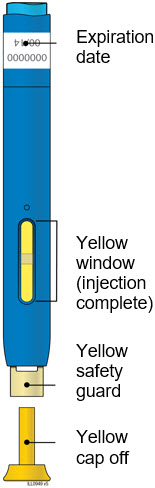
- Do not use the autoinjector after the expiration date on the label.
- Do not shake the autoinjector.
- Do not remove the yellow cap from the autoinjector until you are ready to inject.
- Do not use the autoinjector if it has been frozen.
- Do not use the autoinjector if it has been dropped on a hard surface. Part of the autoinjector may be broken even if you cannot see the break. Use a new autoinjector, and call 1-800-77-AMGEN (1-800-772-6436).
- The autoinjector is not made with natural rubber latex.
For additional information and answers to frequently asked questions, visit www.amjevita.com.
If you want more information or help using AMJEVITA:
- Contact your healthcare provider,
- Visit
- Call 1-800-77-AMGEN (1-800-772-6436)
- Keep the autoinjector in the refrigerator between 36°F to 46°F (2°C to 8°C).
- Keep the autoinjector in the original carton to protect it from light or physical damage.
- Do not freeze the autoinjector.
- Do not store the autoinjector in extreme heat or cold. For example, avoid storing in your vehicle's glove box or trunk.
- Remove the number of autoinjectors you need for your injection and put any unused autoinjectors back into the refrigerator.
- Let the autoinjector warm up naturally.
- Do not heat the autoinjector with hot water, a microwave, or direct sunlight.
- Do not shake the autoinjector at any time.
- Using the autoinjector at room temperature makes sure the full dose is delivered and allows for a more comfortable injection.
- For example, when you are traveling, you may keep AMJEVITA at room temperature.
- It is okay to see air bubbles in the autoinjector.
- Do not use AMJEVITA if the medicine is cloudy, discolored, or has flakes or particles.
- Do not use the autoinjector if the expiration date has passed.
- Do not use the autoinjector if:
- the yellow cap is missing or loose.
- it has cracks or broken parts.
- it has been dropped on a hard surface.
- Make sure you have the right medicine and dose.
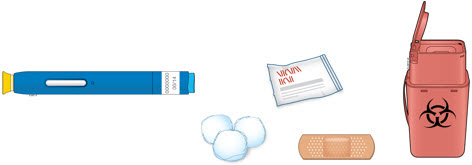
- AMJEVITA autoinjector (room temperature)
- Sharps disposal container [see Disposing of AMJEVITA and Checking the Injection Site]
- Alcohol wipe
- Adhesive bandage
- Cotton ball or gauze pad

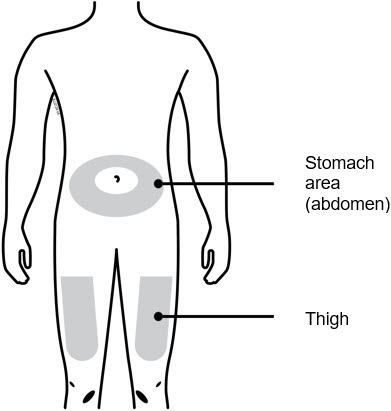
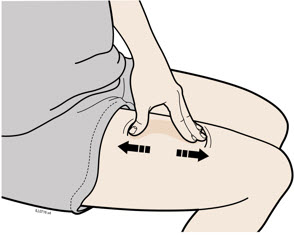
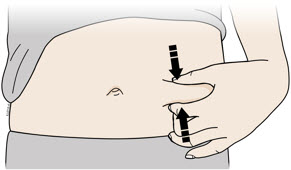
- Inject into the front of your thigh or stomach (except for 2 inches around your belly button).
- Choose a different site for each injection.
- Let the skin dry on its own.
- Do not touch this area again before injecting.
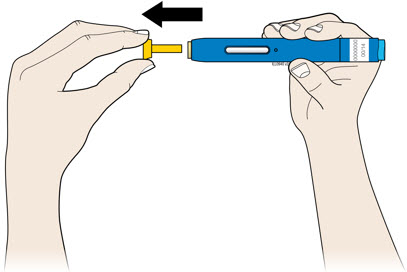
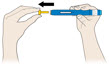
- Do not twist, bend or wiggle the yellow cap to pull it off.
- Never put the yellow cap back on. It may damage the needle.
- Do not put your finger inside the cream safety guard.
- It is normal to see a drop of medicine at the end of the needle or cream safety guard.
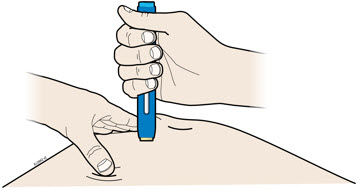
- Keep the skin
- Make sure you can see the window.
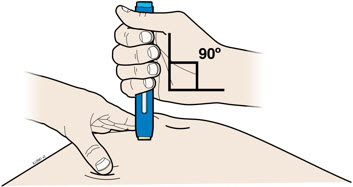
- Make sure the autoinjector is positioned straight on the injection site (at a 90-degree angle).
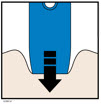
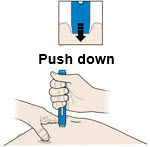
- The cream safety guard pushes in and unlocks the light blue start button.
- You may hear or feel a click.
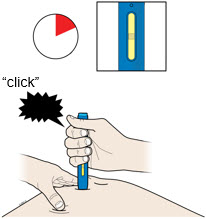
- The window starts to turn yellow.
- It is okay to let go of the light blue start button.
- The injection may take up to
- You may hear or feel a click.
- Lift the autoinjector away from your skin.
- The cream safety guard locks around the needle.
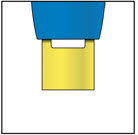
- Do not reuse the autoinjector.
- Do not touch the cream safety guard.
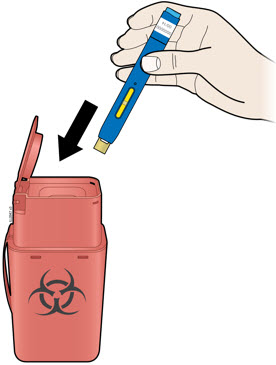
- Do not rub the injection site.
- If there is blood, press a cotton ball or gauze pad on your injection site. Apply an adhesive bandage if necessary.
- made of a heavy-duty plastic,
- can be closed with a tight-fitting, puncture-resistant lid, without sharps being able to come out,
- upright and stable during use,
- leak-resistant, and
- properly labeled to warn of hazardous waste inside the container.
- AMJEVITA comes in 2 different doses: 20 mg/0.4 mL and 40 mg/0.8 mL. Check your prescription to make sure you have the correct dose.
- The color and look of the prefilled syringe will be different for each dose. The amount of medicine in the syringe will also be different for each dose.
- For example, it is okay for the 20 mg/0.4 mL dose to have a small amount of medicine and the 40 mg/0.8 mL to have a large amount of medicine. Check the illustrations below to see what your dose looks like in the syringe.
- It is important that you do not try to give the injection until you have fully read and understood this Instructions for Use.
- Do not use the syringe if the carton is damaged or the seal is broken.
- Do not use the syringe after the expiration date on the label.
- Do not shake the syringe.
- Do not remove the needle cap from the syringe until you are ready to inject.
- Do not use the syringe if it has been frozen.
- Do not use the syringe if it has been dropped on a hard surface. Part of the syringe may be broken even if you cannot see the break. Use a new syringe, and call 1-800-77-AMGEN (1-800-772-6436).
- The syringe is not made with natural rubber latex.
- Contact your healthcare provider,
- Visit
- Call 1-800-77-AMGEN (1-800-772-6436)
- Keep the syringe in the refrigerator between 36°F to 46°F (2°C to 8°C).
- Keep the syringe in the original carton to protect it from light or physical damage.
- Do not freeze the syringe.
- Do not store the syringe in extreme heat or cold. For example, avoid storing in your vehicle's glove box or trunk.
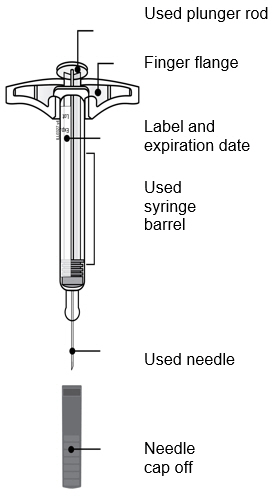
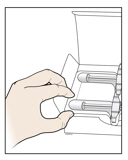
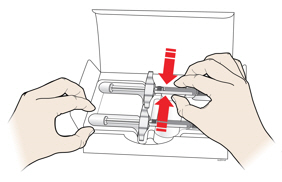
- Do not grab the finger grip, plunger rod, or the needle cap.
- Remove the number of syringes you need for your injection.
- Put any unused syringes back into the refrigerator.
- Let the syringe warm up naturally.
- Do not heat the syringe with hot water, a microwave, or direct sunlight.
- Do not shake the syringe at any time.
- Using the syringe at room temperature allows for a more comfortable injection
- For example, when you are traveling, you may keep AMJEVITA at room temperature.
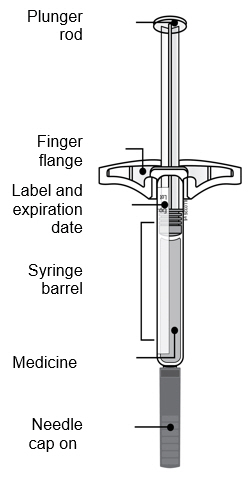
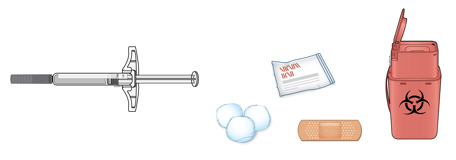
- AMJEVITA syringe (room temperature)
- Sharps disposal container [see Disposing of AMJEVITA and Checking the Injection Site]
- Alcohol wipe
- Adhesive bandage
- Cotton ball or gauze pad
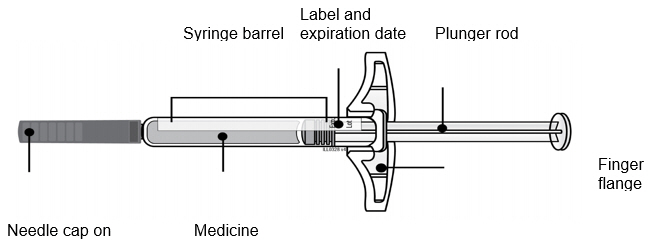
- It is okay to see air bubbles in the syringe.
- Do not use AMJEVITA if the medicine is cloudy, discolored, or has flakes or particles.
- Do not use the syringe if the expiration date has passed.
- Do not use the syringe if:
- the needle cap is missing or loose.
- it has cracks or broken parts.
- it has been dropped on a hard surface.
- Make sure you have the right medicine and dose.
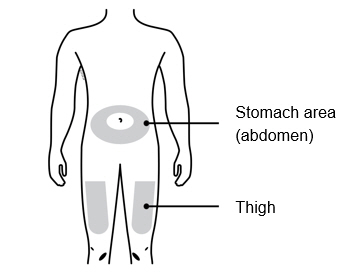
- Inject into the front of your thigh or stomach (except for 2 inches around your belly button).
- Choose a different site for each injection.
- Let the skin dry on its own.
- Do not touch this area again before injecting.
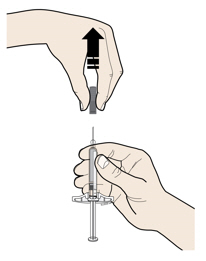
- Do not twist or bend the needle cap.
- Never put the needle cap back on. It may damage the needle.
- Do not let anything touch the needle after you remove the needle cap.
- Do not place the uncapped syringe on any surface after you remove the needle cap.
- Do not try to push air bubbles out of the syringe. It is okay to see air bubbles.
- It is normal to see a drop of medicine come out of the needle.
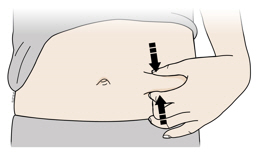
- Pinch the skin between the thumb and pointer (index) finger to create a bump for the injection.
- If possible, the bump should be about 2 inches wide.
- Do not place your finger on the plunger rod while inserting the needle, as this may result in lost medicine.
- Do not pull back on the plunger rod at any time.
- Do not remove the syringe until all of the medicine has been injected.
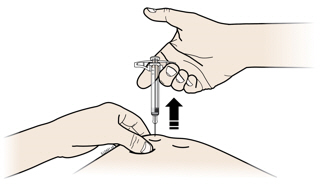
- Do not reuse the syringe.
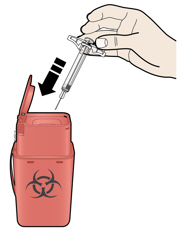
- Do not rub the injection site.
- If there is blood, press a cotton ball or gauze pad on your injection site. Apply an adhesive bandage if necessary.
- made of a heavy-duty plastic,
- can be closed with a tight-fitting, puncture-resistant lid, without sharps being able to come out,
- upright and stable during use,
- leak-resistant, and
- properly labeled to warn of hazardous waste inside the container.
- It is important that you do not try to give the injection until you have fully read and understood this Instructions for Use.
- Do not use the syringe if the carton is damaged or the seal is broken.
- Do not use the syringe after the expiration date on the label.
- Do not shake the syringe.
- Do not remove the needle cap from the syringe until you are ready to inject.
- Do not use the syringe if it has been frozen.
- Do not use the syringe if it has been dropped on a hard surface. Part of the syringe may be broken even if you cannot see the break. Use a new syringe, and call 1-800-77-AMGEN (1-800-772-6436).
- The syringe is not made with natural rubber latex.
- Contact your healthcare provider,
- Visit www.amjevita.com, or
- Call 1-800-77-AMGEN (1-800-772-6436)
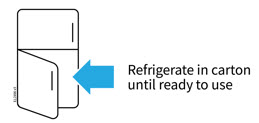
- Keep the syringe in the refrigerator between 36°F to 46°F (2°C to 8°C).
- Keep the syringe in the original carton to protect it from light or physical damage.
- Do not freeze the syringe.
- Do not store the syringe in extreme heat or cold. For example, avoid storing in your vehicle's glove box or trunk.
Important: Keep the syringe out of the sight and reach of children.
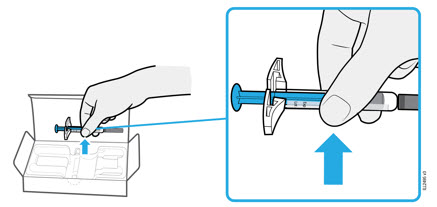
- Do not grab the finger grip, plunger rod, or the needle cap.
- Remove the number of syringes you need for your injection.
- Put any unused syringes back into the refrigerator.
- Let the syringe warm up naturally.
- Do not heat the syringe with hot water, a microwave or direct sunlight.
- Do not shake the syringe at any time.
- Using the syringe at room temperature allows for a more comfortable injection
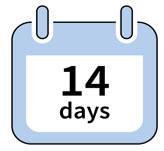
- For example when you are traveling, you may keep AMJEVITA at room temperature.
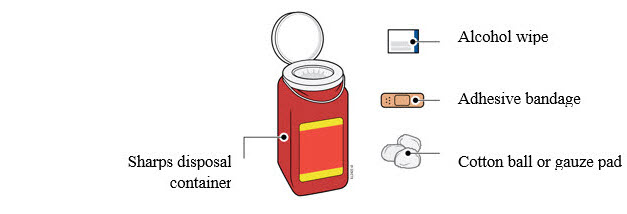
- AMJEVITA syringe (room temperature)
- Sharps disposal container [see
- Alcohol wipe
- Adhesive bandage
- Cotton ball or gauze pad
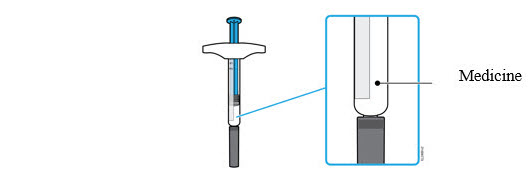
- It is okay to see air bubbles in the syringe.
- Do not use AMJEVITA if the medicine is cloudy, discolored or has flakes.
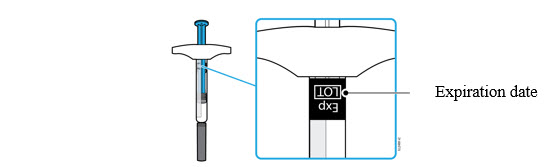
- Do not use the syringe if the expiration date has passed.
- Do not use the syringe if:
- the needle cap is missing or loose.
- it has cracks or broken parts.
- it has been dropped on a hard surface.
- Make sure you have the right medicine and dose.
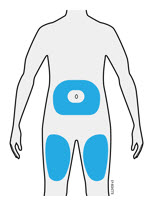
- Inject into the front of your thigh or stomach (except for 2 inches around your belly button).
- Choose a different site for each injection.
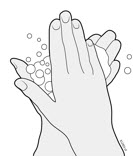
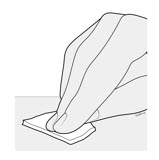
- Let the skin dry on its own.
- Do not touch this area again before injecting.
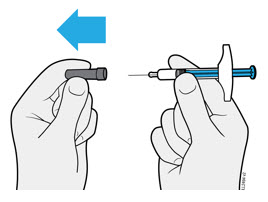
- Do not twist or bend the needle cap.
- Never put the needle cap back on. It may damage the needle.
- Do not let anything touch the needle after you remove the needle cap.
- Do not place the uncapped syringe on any surface after you remove the needle cap.
- Do not try to push air bubbles out of the syringe. It is okay to see air bubbles.
- It is normal to see a drop of medicine come out of the needle.
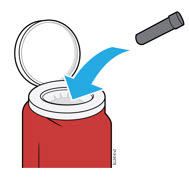
- Pinch the skin between the thumb and pointer (index) finger to create a bump for injection.
- If possible, the bump should be about 2 inches wide.
- Do not place your finger on the plunger rod while inserting the needle, as this may result in lost medicine.
- Do not pull back on the plunger rod at any time.
- Do not remove the syringe until all of the medicine has been injected.
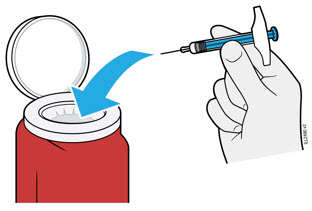
- Do not reuse the syringe.
- Do not rub the injection site.
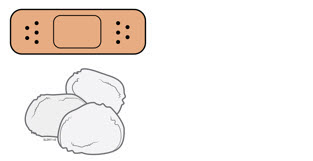
- If there is blood, press a cotton ball or gauze pad on the injection site. Apply an adhesive bandage if necessary.
- It is important that you do not try to give the injection until you have fully read and understood this Instructions for Use.
- Do not use the autoinjector if the carton is damaged or the seal is broken.
- Do not use the autoinjector after the expiration date on the label.
- Do not shake the autoinjector.
- Do not remove the yellow cap from the autoinjector until you are ready to inject.
- Do not use the autoinjector if it has been frozen.
- Do not use the autoinjector if it has been dropped on a hard surface. Part of the autoinjector may be broken even if you cannot see the break. Use a new autoinjector, and call 1-800-77-AMGEN (1-800-772-6436).
- The autoinjector is not made with natural rubber latex.
- Contact your healthcare provider,
- Visit
- Call 1-800-77-AMGEN (1-800-772-6436)
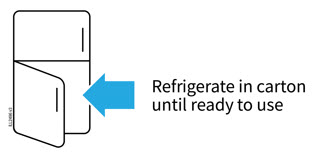
- Keep the autoinjector in the refrigerator between 36°F to 46°F (2°C to 8°C).
- Keep the autoinjector in the original carton to protect it from light or physical damage.
- Do not freeze the autoinjector.
- Do not store the autoinjector in extreme heat or cold. For example, avoid storing in your vehicle's glove box or trunk.
- Remove the number of autoinjectors you need for your injection and put any unused autoinjectors back into the refrigerator.
- Let the autoinjector warm up naturally.
- Do not heat the autoinjector with hot water, a microwave, or direct sunlight.
- Do not shake the autoinjector at any time.
- Using the autoinjector at room temperature makes sure the full dose is delivered and allows for a more comfortable injection.
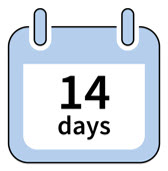
- For example, when you are traveling, you may keep AMJEVITA at room temperature.
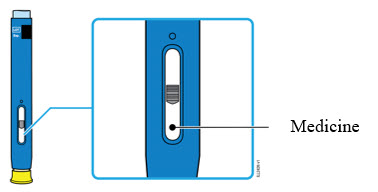
- It is okay to see air bubbles in the autoinjector.
- Do not use AMJEVITA if the medicine is cloudy, discolored, or has flakes or particles.
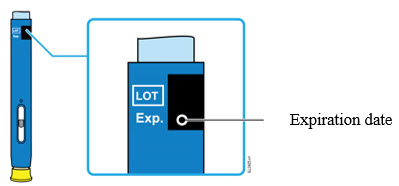
- Do not use the autoinjector if the expiration date has passed.
- Do not use the autoinjector if:
- the yellow cap is missing or loose.
- it has cracks or broken parts.
- it has been dropped on a hard surface.
- Make sure you have the right medicine and dose.
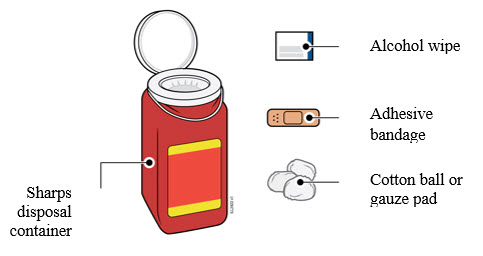
- AMJEVITA autoinjector (room temperature)
- Sharps disposal container [see
- Alcohol wipe
- Adhesive bandage
- Cotton ball or gauze pad
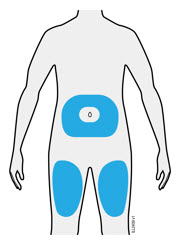
- Inject into the front of your thigh or stomach (except for 2 inches around your belly button).
- Choose a different site for each injection.
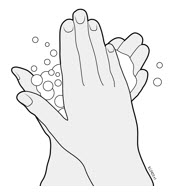
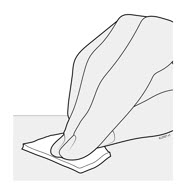
- Let the skin dry on its own.
- Do not touch this area again before injecting.
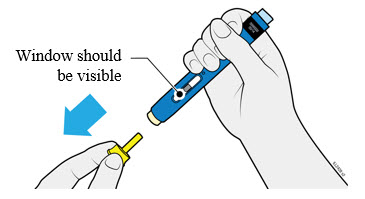
- Do not twist, bend or wiggle the yellow cap to pull it off.
- Never put the yellow cap back on. It may damage the needle.
- Do not put your finger inside the cream safety guard.
- It is normal to see a drop of medicine at the end of the needle or cream safety guard.
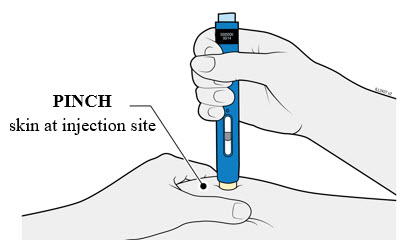
- Keep the skin
- Make sure you can see the window.
- Make sure the autoinjector is positioned straight on the injection site (at a 90-degree angle).
- The cream safety guard pushes in and unlocks the light blue start button.
- You may hear or feel a click.
- The window starts to turn yellow.
- It is okay to let go of the light blue start button.
- The injection may take up to
- You may hear or feel a click.
- Lift the autoinjector away from your skin.
- The cream safety guard locks around the needle.
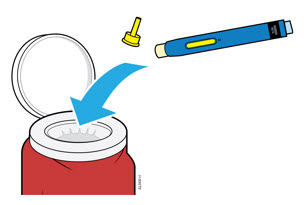
- Do not reuse the autoinjector.
- Do not touch the cream safety guard.
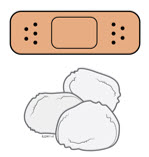
- Do not rub the injection site.
- If there is blood, press a cotton ball or gauze pad on your injection site. Apply an adhesive bandage if necessary.
- It is important that you do not try to give the injection until you have fully read and understood this Instructions for Use.
- Do not use the autoinjector if the carton is damaged or the seal is broken.
- Do not use the autoinjector after the expiration date on the label.
- Do not shake the autoinjector.
- Do not remove the yellow cap from the autoinjector until you are ready to inject.
- Do not use the autoinjector if it has been frozen.
- Do not use the autoinjector if it has been dropped on a hard surface. Part of the autoinjector may be broken even if you cannot see the break. Use a new autoinjector, and call 1-800-77-AMGEN (1-800-772-6436).
- The autoinjector is not made with natural rubber latex.
- Contact your healthcare provider,
- Visit
- Call 1-800-77-AMGEN (1-800-772-6436)
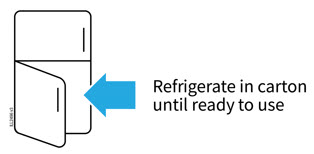
- Keep the autoinjector in the refrigerator between 36°F to 46°F (2°C to 8°C).
- Keep the autoinjector in the original carton to protect it from light or physical damage.
- Do not freeze the autoinjector.
- Do not store the autoinjector in extreme heat or cold. For example, avoid storing in your vehicle's glove box or trunk.
- Remove the number of autoinjectors you need for your injection and put any unused autoinjectors back into the refrigerator.
- Let the autoinjector warm up naturally.
- Do not heat the autoinjector with hot water, a microwave, or direct sunlight.
- Do not shake the autoinjector at any time.
- Using the autoinjector at room temperature makes sure the full dose is delivered and allows for a more comfortable injection.
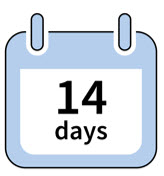
- For example, when you are traveling, you may keep AMJEVITA at room temperature.
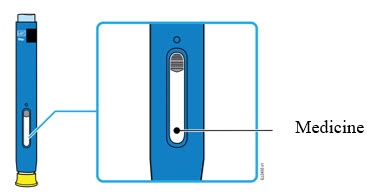
- It is okay to see air bubbles in the autoinjector.
- Do not use AMJEVITA if the medicine is cloudy, discolored, or has flakes or particles.
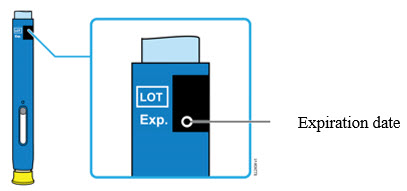
- Do not use the autoinjector if the expiration date has passed.
- Do not use the autoinjector if:
- the yellow cap is missing or loose.
- it has cracks or broken parts.
- it has been dropped on a hard surface.
- Make sure you have the right medicine and dose.
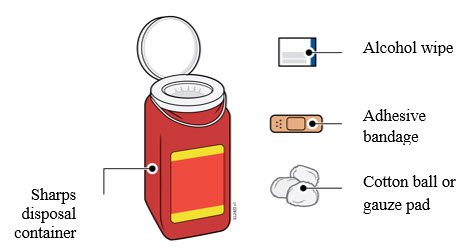
- AMJEVITA autoinjector (room temperature)
- Sharps disposal container [see
- Alcohol wipe
- Adhesive bandage
- Cotton ball or gauze pad
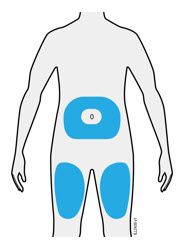
- Inject into the front of your thigh or stomach (except for 2 inches around your belly button).
- Choose a different site for each injection.
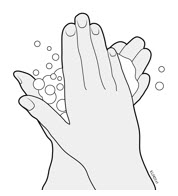
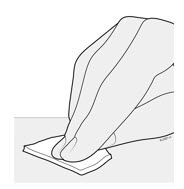
- Let the skin dry on its own.
- Do not touch this area again before injecting.
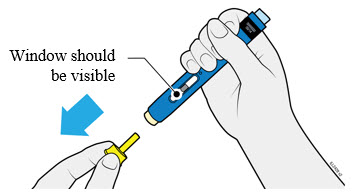
- Do not twist, bend or wiggle the yellow cap to pull it off.
- Never put the yellow cap back on. It may damage the needle.
- Do not put your finger inside the cream safety guard.
- It is normal to see a drop of medicine at the end of the needle or cream safety guard.
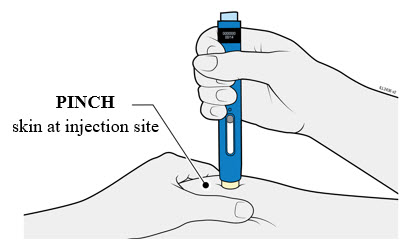
- Keep the skin
- Make sure you can see the window.
- Make sure the autoinjector is positioned straight on the injection site (at a 90-degree angle).
- The cream safety guard pushes in and unlocks the light blue start button.
- You may hear or feel a click.
- The window starts to turn yellow.
- It is okay to let go of the light blue start button.
- The injection may take up to
- You may hear or feel a click.
- Lift the autoinjector away from your skin.
- The cream safety guard locks around the needle.
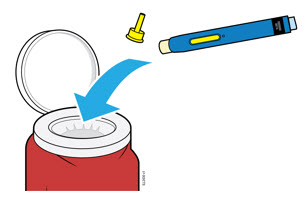
- Do not reuse the autoinjector.
- Do not touch the cream safety guard.
- Do not rub the injection site.
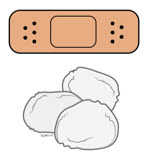
- If there is blood, press a cotton ball or gauze pad on your injection site. Apply an adhesive bandage if necessary.
- AMJEVITA comes in 3 different doses: 20 mg/0.2 mL, 40 mg/0.4 mL, and 80 mg/0.8 mL. Check your prescription to make sure you have the correct dose.
- The color and look of the prefilled syringe will be different for each dose. The amount of medicine in the syringe will also be different for each dose.
- For example, it is okay for the 20 mg/0.2 mL dose to have a small amount of medicine and the 80 mg/0.8 mL to have a large amount of medicine. Check the illustrations below to see what your dose looks like in the syringe.
- It is important that you do not try to give the injection until you have fully read and understood this Instructions for Use.
- Do not use the syringe if the carton is damaged or the seal is broken.
- Do not use the syringe after the expiration date on the label.
- Do not shake the syringe.
- Do not remove the needle cap from the syringe until you are ready to inject.
- Do not use the syringe if it has been frozen.
- Do not use the syringe if it has been dropped on a hard surface. Part of the syringe may be broken even if you cannot see the break. Use a new syringe, and call 1-800-77-AMGEN (1-800-772-6436).
- The syringe is not made with natural rubber latex.
- Contact your healthcare provider,
- Visit
- Call 1-800-77-AMGEN (1-800-772-6436)
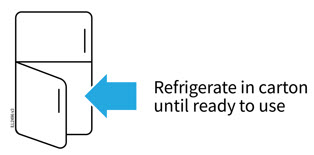
- Keep the syringe in the refrigerator between 36°F to 46°F (2°C to 8°C).
- Keep the syringe in the original carton to protect it from light or physical damage.
- Do not freeze the syringe.
- Do not store the syringe in extreme heat or cold. For example, avoid storing in your vehicle's glove box or trunk.
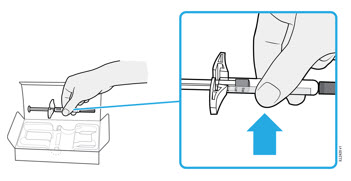
- Do not grab the finger grip, plunger rod, or the needle cap.
- Remove the number of syringes you need for your injection.
- Put any unused syringes back into the refrigerator.
- Let the syringe warm up naturally.
- Do not heat the syringe with hot water, a microwave, or direct sunlight.
- Do not shake the syringe at any time.
- Using the syringe at room temperature allows for a more comfortable injection
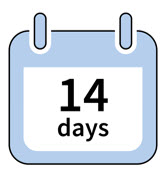
- For example, when you are traveling, you may keep AMJEVITA at room temperature.
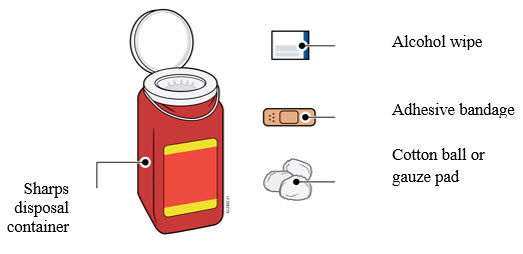
- AMJEVITA syringe (room temperature)
- Sharps disposal container [see
- Alcohol wipe
- Adhesive bandage
- Cotton ball or gauze pad
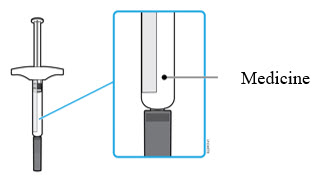
- It is okay to see air bubbles in the syringe.
- Do not use AMJEVITA if the medicine is cloudy, discolored, or has flakes or particles.
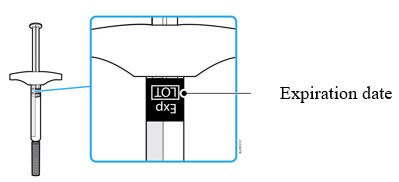
- Do not use the syringe if the expiration date has passed.
- Do not use the syringe if:
- the needle cap is missing or loose.
- it has cracks or broken parts.
- it has been dropped on a hard surface.
- Make sure you have the right medicine and dose.
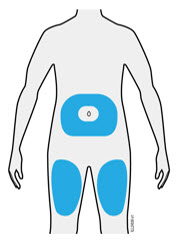
- Inject into the front of your thigh or stomach (except for 2 inches around your belly button).
- Choose a different site for each injection.
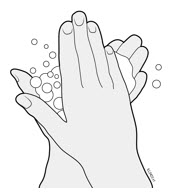
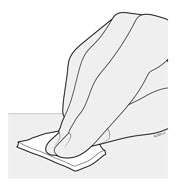
- Let the skin dry on its own.
- Do not touch this area again before injecting.
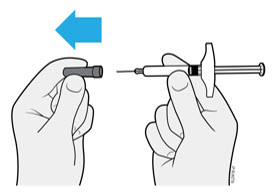
- Do not twist or bend the needle cap.
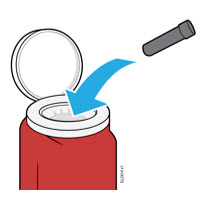
- Never put the needle cap back on. It may damage the needle.
- Do not let anything touch the needle after you remove the needle cap.
- Do not place the uncapped syringe on any surface after you remove the needle cap.
- Do not try to push air bubbles out of the syringe. It is okay to see air bubbles.
- It is normal to see a drop of medicine come out of the needle.
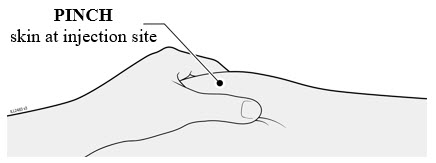
- Pinch the skin between the thumb and pointer (index) finger to create a bump for the injection.
- If possible, the bump should be about 2 inches wide.
- Do not place your finger on the plunger rod while inserting the needle, as this may result in lost medicine.
- Do not pull back on the plunger rod at any time.
- Do not remove the syringe until all of the medicine has been injected.
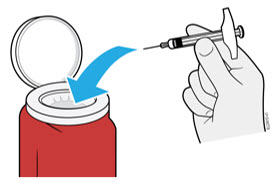
- Do not reuse the syringe.
- Do not rub the injection site.
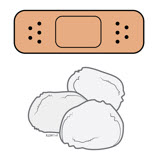
- If there is blood, press a cotton ball or gauze pad on your injection site. Apply an adhesive bandage if necessary.