Ventricular Tachycardia Treatments
Find Ventricular Tachycardia Treatments
Sotalol
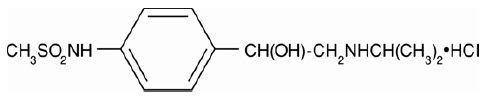
What is Betapace (Sotalol)?
Approved To Treat


Related Clinical Trials
Summary: The goal of this clinical trial is to learn whether the antiarrhythmic drug flecainide can be used as safely as standard rhythm-control drugs in people with atrial fibrillation (AF) and stable coronary artery disease (CAD). The study includes adults aged 18 years and older who have AF and known but stable coronary artery disease. The main questions this study aims to answer are: * Is treatment wit...
Summary: Premature ventricular complexes (PVCs) are extra, abnormal heart beats arising from the ventricles of the heart and are the most common ventricular arrhythmia. PVCs can be treated with medication or with a procedure called catheter ablation. It is not known which provides a better cure or provides better quality of life. The purpose of this research project is to study the best way to treat PVCs b...
Summary: To investigate the effect of VTA ablation at the time of LVAD implant to see if it can reduce the incidence of VTA after surgery
Related Latest Advances
Brand Information
- 80 mg imprinted with “BETAPACE” on one side and 80 mg on the other
- 120 mg imprinted with “BETAPACE” on one side and 120 mg on the other
- 160 mg imprinted with “BETAPACE” on one side and 160 mg on the other
- 80 mg imprinted with “BHCP” on one side and 80 mg on the other
- 120 mg imprinted with “BHCP” on one side and 120 mg on the other
- 160 mg imprinted with “BHCP” on one side and 160 mg on the other
- Sinus bradycardia, sick sinus syndrome, second and third degree AV block, unless a functioning pacemaker is present
- Congenital or acquired long QT syndromes
- Cardiogenic shock or decompensated heart failure
- Serum potassium <4 mEq/L
- Bronchial asthma or related bronchospastic conditions
- Hypersensitivity to sotalol
- Baseline QT interval >450 msec
- Advise patients to contact their healthcare provider in the event of syncope, pre-syncopal symptoms or cardiac palpitations.
- Advise patients that their electrolytes and ECG will be monitored during treatment
- Advise patients to contact their healthcare provider in the event of conditions that could lead to electrolyte changes such as severe diarrhea, unusual sweating, vomiting, less appetite than normal, or excessive thirst
- Advise patients not to change the Betapace/Betapace AF dose prescribed by their healthcare provider.
- Advise patients that they should not miss a dose, but if they do miss a dose they should not double the next dose to compensate for the missed dose: they should take the next dose at the regularly scheduled time
- Advise patients to not interrupt or discontinue Betapace/Betapace AF without their physician’s advice, that they should get their prescription for sotalol filled and refilled on time, so they do not interrupt treatment
- Advise patients to not start taking other medications without first discussing new medications with their healthcare provider.
- Advise patients to avoid taking Betapace/Betapace AF within two hours of taking antacids that contain aluminum oxide or magnesium hydroxide
- Inform patients or caregivers that there is a risk of hypoglycemia when Betapace/Betapace AF is given to patients who are fasting or who are vomiting. Inform patients to notify their healthcare provider if they experience symptoms of hypoglycemia.
- Advise women not to breastfeed while on treatment with Betapace



(sotalol HCl)
Patient Pack

(sotalol HCl)
Patient Pack

(sotalol HCl)
Patient Pack