Ellence
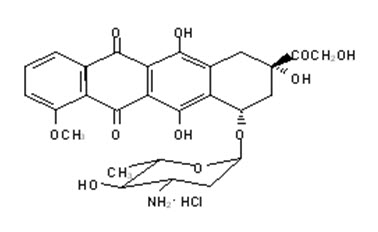
What is Ellence (Epirubicin)?
Approved To Treat
Top Global Experts


Related Clinical Trials
Summary: Researchers are looking for new ways to treat types of breast cancer that are both: * High-risk, which means the cancer may have a higher chance of getting worse or coming back after treatment * Early-stage, which means the cancer is in the breast or the lymph nodes around the breast The 2 types of breast cancer in this study are triple-negative breast cancer (TNBC) and hormone receptor (HR)-low p...
Summary: This is a randomized, controlled, open-label, multicenter, Phase Ⅲ clinical study designed to compare the efficacy and safety of KN026 combined with HB1801 and chemotherapy versus trastuzumab combined with pertuzumab and chemotherapy as adjuvant therapy in participants with HER2-positive breast cancer.
Summary: The objectives of this study are to determine if pharmacogenetic (PG) analysis of an individual enable optimal selection of antiemetic regimen for patients undergoing the first cycle of AC (Adriamycin + Cyclophosphamide) or FEC (Fluorouracil + Epirubicin + Cyclophosphamide) chemotherapy. It also aims to compare the quality of life of patients in the first cycle of AC / FEC chemotherapy with and wi...
Related Latest Advances
Brand Information
- Cardiac Toxicity: Myocardial damage, including acute left ventricular failure, can occur with ELLENCE. The risk of cardiomyopathy is proportional to the cumulative exposure with incidence rates from 0.9% at a cumulative dose of 550 mg/m
- Secondary Malignancies: Secondary acute myelogenous leukemia (AML) and myelodysplastic syndrome (MDS) occur at a higher incidence in patients treated with anthracyclines, including ELLENCE
- Extravasation and Tissue Necrosis: Extravasation of ELLENCE can result in severe local tissue injury and necrosis requiring wide excision of the affected area and skin grafting. Immediately terminate the drug and apply ice to the affected area
- Severe myelosuppression resulting in serious infection, septic shock, requirement for transfusions, hospitalization, and death may occur
- Severe myocardial insufficiency
- Recent myocardial infarction or severe arrhythmias, or previous treatment with maximum cumulative dose of anthracyclines
- Severe persistent drug-induced myelosuppression
- Severe hepatic impairment (defined as Child-Pugh Class C or serum bilirubin level greater than 5 mg/dL)
- Severe hypersensitivity to ELLENCE, other anthracyclines, or anthracenediones
- Cardiac Toxicity
- Secondary Malignancies
- Extravasation and Tissue Necrosis
- Severe Myelosuppression
- Tumor-Lysis Syndrome
- Thrombophlebitis and Thromboembolic Events
- Potentiation of Radiation Toxicity and Radiation Recall
- "Hazardous Drugs".