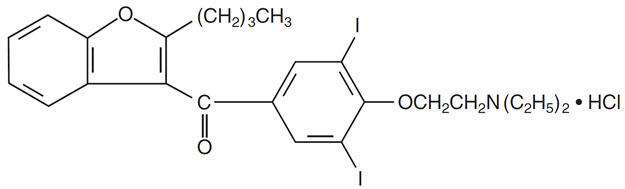
Amiodarone

Introduction to Amiodarone

Living with an irregular heartbeat can be frightening, especially when episodes come unexpectedly, causing palpitations, dizziness, or even fainting. For people with serious heart rhythm problems (arrhythmias), controlling these abnormal beats can prevent dangerous complications such as fainting, stroke, or cardiac arrest. Amiodarone is a long-established medication that helps the heart maintain a steady rhythm when other treatments haven’t worked or aren’t suitable.

Amiodarone belongs to a group of medicines called antiarrhythmics, which correct irregular heartbeats. It’s most often prescribed for ventricular arrhythmias (irregular heartbeats that begin in the lower chambers) or atrial fibrillation/flutter (abnormal rhythms in the upper chambers). Doctors usually reserve Amiodarone for severe or potentially life-threatening rhythm disturbances, since it’s one of the most potent rhythm-control medications available.

What Does Amiodarone Do?

Amiodarone helps restore and maintain a normal heart rhythm in people whose heartbeat is dangerously fast or irregular. It’s often used when other antiarrhythmic drugs such as sotalol or flecainide are ineffective or poorly tolerated.

This drug treats fast heart rhythms including:

  • Ventricular tachycardia (VT): A rapid rhythm from the lower chambers
  • Ventricular fibrillation (VF): A chaotic rhythm that can cause cardiac arrest
  • Atrial fibrillation (AFib): An upper-chamber rhythm that increases stroke risk
  • Atrial flutter: A rapid but more organized rhythm from the upper chambers

For some patients, especially those with heart failure or prior heart attack, Amiodarone can reduce hospitalizations and the risk of sudden cardiac death. Clinical studies have shown that Amiodarone helps maintain sinus rhythm longer than most other antiarrhythmic drugs, though close monitoring is required for safety (U.S. Food and Drug Administration [FDA], 2023; Mayo Clinic, 2024).

How Does Amiodarone Work?

Amiodarone works by slowing abnormal electrical signals in the heart, helping the heartbeat return to a normal and steady rhythm.

To understand this, think of the heart as a synchronized electrical system. In arrhythmias, those electrical impulses become erratic, firing too fast or in the wrong place. Amiodarone blocks several electrical channels in heart muscle cells (including potassium, sodium, and calcium channels) and slightly slows nerve conduction, giving the heart time to reset between beats.

This means the drug helps prevent sudden bursts of fast heart rate or chaotic rhythms that can lead to collapse or cardiac arrest. It also reduces the heart’s oxygen demand, which is especially helpful for patients with underlying heart disease.

What makes Amiodarone unique is its broad mechanism of action—it works in multiple ways. Though classified as a “Class III” antiarrhythmic, it also has properties of all four Vaughan-Williams classes. This versatility explains why it remains a go-to treatment when others fail.

Side Effects of Amiodarone

Because Amiodarone acts on many parts of the body and stays in tissues for a long time, it can cause a wide range of side effects. Most are mild and reversible with dose adjustment, but serious reactions can occur, particularly with long-term use.

Common Side Effects

  • Fatigue, dizziness, or nausea
  • Sensitivity to sunlight or bluish skin discoloration
  • Tremor, tingling, or coordination problems
  • Mild visual changes (seeing halos around lights)

Serious Side Effects

  • Lung toxicity (pneumonitis or fibrosis): Persistent cough, shortness of breath, or chest pain should be reported immediately.
  • Thyroid problems: Amiodarone contains iodine and can cause either overactive or underactive thyroid function.
  • Liver injury: Signs include yellowing of the skin or eyes, dark urine, or unusual fatigue.
  • Eye changes: Corneal deposits are common but harmless; rarely, optic nerve damage can occur.
  • Heart effects: Excess slowing of the heart rate or worsening arrhythmia.

Because the drug can affect several organs, regular blood tests, chest X-rays, and eye exams are essential during treatment (MedlinePlus, 2024; NIH, 2023).

Who Should Avoid Amiodarone?

  • People with severe sinus node disease or heart block (unless they have a pacemaker)
  • Those with iodine allergy or severe thyroid disease
  • Pregnant women (Amiodarone may harm the unborn baby)

Seek immediate medical help if you experience shortness of breath, swelling, fainting, or vision loss.

Amiodarone Dosage

Amiodarone comes in oral and IV forms. Treatment starts with a loading phase, followed by a maintenance dose. It builds up and clears slowly, so effects and side effects can take weeks to appear and months to vanish.

Doctors monitor lung, thyroid, liver, and kidney function, vision, heart rhythm, and electrolytes every 6–12 months for safety. Older adults or those with liver or lung disease may need lower doses. Grapefruit juice or certain antibiotics can increase toxicity, so it’s important to check drug interactions regularly.

Does Amiodarone Have a Generic Version?

Yes. Amiodarone is available in generic form, approved by the U.S. FDA and widely used worldwide. The brand name versions include Cordarone and Pacerone, but generic Amiodarone contains the same active ingredient and has been proven to be equally effective and safe.

Generics are typically more affordable, making long-term therapy accessible for most patients. Some people may notice different tablet colors or shapes depending on the manufacturer, but the medication’s action remains the same.

Conclusion

Amiodarone remains one of the most effective medications for managing serious or life-threatening heart rhythm disorders, especially when other drugs fall short. Its unique, multi-channel blocking action helps stabilize dangerous arrhythmias and prevent cardiac complications.

When prescribed and managed by a qualified healthcare provider, Amiodarone can be lifesaving, helping people with severe arrhythmias live longer, safer, and more active lives. Staying informed, following your doctor’s guidance, and reporting new symptoms promptly are key to getting the best results from this powerful heart rhythm medication.

References

  1. Mayo Clinic. (2024). Amiodarone (oral route) – Description and precautions. Retrieved from https://www.mayoclinic.org
  2. MedlinePlus. (2024). Amiodarone – Drug information. U.S. National Library of Medicine. Retrieved from https://medlineplus.gov/druginfo/meds/a687009.html
  3. U.S. Food and Drug Administration. (2023). Amiodarone Hydrochloride labeling information. Retrieved from https://www.accessdata.fda.gov
  4. National Institutes of Health. (2023). Amiodarone – Drug record. LiverTox: Clinical and Research Information on Drug-Induced Liver Injury. Retrieved from https://www.nih.gov/
  5. American Heart Association. (2024). Treatment options for arrhythmia. Retrieved from https://www.heart.org