Brand Name

Zolgensma

Generic Name
Onasemnogene Abeparvovec-Xioi
View Brand Information
FDA approval date: May 24, 2019
Form: Kit

What is Zolgensma (Onasemnogene Abeparvovec-Xioi)?

ZOLGENSMA is an adeno-associated virus vector-based gene therapy indicated for the treatment of pediatric patients less than 2 years of age with spinal muscular atrophy with bi-allelic mutations in the survival motor neuron 1 gene. Limitations of Use The safety and effectiveness of repeat administration of ZOLGENSMA have not been evaluated [see Adverse Reactions.
Save this treatment for later
Sign Up
Not sure about your diagnosis?
Check Your Symptoms

Related Clinical Trials

Pilot Study Exploring the Physiologic, Pharmacodynamic, and Clinical Responses of Skeletal Muscle in Patients With Spinal Muscular Atrophy Treated With SMN-Directed Therapies

Summary: In this observational study, researchers are looking at the effects of spinal muscular atrophy (SMA) drugs on the muscles and nerve cells in patients with SMA. Primary Objectives * To evaluate the feasibility and reliability of performing MR functional imaging in exercising muscle in patients with SMA. * To evaluate patients with SMA types 2 and 3 at baseline and longitudinally at 6 and 12 months ...

Adult SMA REACH: Development and Implementation of a Standardised Data Set and Data Collection Research Study in the UK Adult SMA Population

Summary: Adult SMA REACH is a data collection study aiming to gain a better understanding of the impact of standards of care and new treatments on the natural history of Spinal Muscular Atrophy (SMA). This study is sponsored by The Newcastle upon Tyne Hospitals NHS Foundation Trust. Adult SMA REACH is funded by Biogen and Roche. Currently, there are three drug treatments available for SMA in the UK: Zolgen...

A Prospective, Long-Term Registry of Patients With a Diagnosis of Spinal Muscular Atrophy (SMA)

Summary: Spinal muscular atrophy (SMA) is a neurogenetic disorder caused by a loss or mutation in the survival motor neuron 1 gene (SMN1) on chromosome 5q13, which leads to reduced SMN protein levels and a selective dysfunction of motor neurons. SMA is an autosomal recessive, early childhood disease with an incidence of 1:10,000 live births. SMA is the leading cause of infant mortality due to genetic disea...

Brand Information

Zolgensma (onasemnogene abeparvovec-xioi)
WARNING: SERIOUS LIVER INJURY and ACUTE LIVER FAILURE
  • Cases of acute liver failure with fatal outcomes have been reported. Acute serious liver injury and elevated aminotransferases can also occur with ZOLGENSMA
  • Patients with preexisting liver impairment may be at higher risk
  • Prior to infusion, assess liver function of all patients by clinical examination and laboratory testing. Administer systemic corticosteroid to all patients before and after ZOLGENSMA infusion. Continue to monitor liver function for at least 3 months after infusion, and at other times as clinically indicated
1INDICATIONS AND USAGE
ZOLGENSMA is an adeno-associated virus (AAV) vector-based gene therapy indicated for the treatment of pediatric patients less than 2 years of age with spinal muscular atrophy (SMA) with bi-allelic mutations in the
Limitations of Use
  • The safety and effectiveness of repeat administration of ZOLGENSMA have not been evaluated
  • The use of ZOLGENSMA in patients with advanced SMA (e.g., complete paralysis of limbs, permanent ventilator-dependence) has not been evaluated
2DOSAGE AND ADMINISTRATION
For single-dose intravenous infusion only.
2.1Dose and Administration
The recommended dose of ZOLGENSMA is 1.1 × 10
  • Prior to ZOLGENSMA infusion:
  • One day prior to ZOLGENSMA infusion, begin administration of systemic corticosteroids equivalent to oral prednisolone at 1 mg per kg of body weight per day (mg/kg/day) for a total of 30 days.
  • Administer ZOLGENSMA as a single-dose intravenous infusion through a venous catheter.
Follow the steps below for infusion:
  1. Place a primary catheter into a vein (generally a peripheral vein in the arm or leg). Insertion of a back-up catheter is recommended.
  2. Program syringe pump for saline priming, or prime tubing manually with saline.
  3. Administer ZOLGENSMA as a slow infusion over 60 minutes. DO NOT INFUSE AS AN INTRAVENOUS PUSH OR BOLUS.
  4. Flush line with saline following completion of infusion.
  • Monitor liver function by clinical examination and by laboratory testing on a regular basis, and at other times as clinically indicated
  • At the end of the 30-day period of systemic corticosteroid treatment, check liver status clinically and by assessing alanine aminotransferase (ALT), aspartate aminotransferase (AST), total bilirubin, prothrombin time, and international normalized ratio (INR).
  • Promptly assess and closely monitor patients with worsening liver function test results and/or signs or symptoms of acute illness (e.g., vomiting, deterioration in health)
  • For patients with unremarkable findings (normal clinical exam, total bilirubin, prothrombin time, and INR and ALT and AST levels below 2 × upper limit of normal [ULN]): Taper the corticosteroid dose gradually over the next 28 days. Do not stop systemic corticosteroids abruptly
  • If liver function abnormalities persist, continue systemic corticosteroids (equivalent to oral prednisolone at 1 mg/kg/day) until AST and ALT values are both below 2 × ULN and all other assessments return to normal range, and then taper the corticosteroid dose gradually over the next 28 days or longer if needed. Do not stop systemic corticosteroids abruptly
  • If liver function abnormalities continue to persist ≥ 2 × ULN after the 30-day period of systemic corticosteroids, promptly consult a pediatric gastroenterologist or hepatologist
  • If oral corticosteroid therapy is not tolerated, consider intravenous corticosteroids as clinically indicated
2.2Preparation
  • Thaw ZOLGENSMA before use. The contents of the ZOLGENSMA kit will thaw in approximately 16 hours if placed in a refrigerator, or in approximately 6 hours if placed at room temperature. If thawed in a refrigerator, remove from refrigerator on day of dosing.
  • When thawed, ZOLGENSMA is a clear to slightly opaque, colorless to faint white liquid, free of particles. Visually inspect vials for particulate matter and discoloration prior to infusion. Do not use vials if particulates or discoloration are present.
  • DO NOT SHAKE.
  • Draw the appropriate dose volume from all vials into a syringe, remove air from the syringe, cap the syringe, and deliver the syringe at room temperature to the patient infusion location.
  • Use ZOLGENSMA within 8 hours of drawing into syringe. Discard the vector-containing syringe if the drug is not infused within the 8-hour timeframe.
  • DO NOT REFREEZE.
2.3Laboratory Testing and Monitoring to Assess Safety
Perform baseline anti-AAV9 antibody testing prior to ZOLGENSMA infusion. Retesting may be performed if anti-AAV9 antibody titers are reported as > 1:50
Conduct the following tests at baseline and as directed below
  • Liver function (clinical exam, AST, ALT, total bilirubin, albumin, prothrombin time, partial thromboplastin time [PTT], and INR) at baseline. Monitor liver function (AST, ALT, total bilirubin, prothrombin time, INR) weekly for the first month after ZOLGENSMA infusion and during the corticosteroid taper period (28 days or longer if needed). If the patient is clinically stable with unremarkable findings (normal clinical exam, total bilirubin, and prothrombin and INR results, and ALT and AST levels below 2 × ULN) at the end of the corticosteroid taper period, continue to monitor liver function every other week for another month.
  • Platelet counts weekly for the first month, and then every other week for the second and third months, until platelet counts return to baseline.
3DOSAGE FORMS AND STRENGTHS
ZOLGENSMA is a suspension for intravenous infusion.
ZOLGENSMA is provided in a kit containing 2 to 14 vials. Vials are provided in 2 fill volumes: 5.5 mL or 8.3 mL.
ZOLGENSMA has a nominal concentration of 2.0 × 10
The intravenous dosage is determined by patient body weight, with a recommended dose of 1.1 × 10
4CONTRAINDICATIONS
None.
5ADVERSE REACTIONS
The most common adverse reactions (incidence ≥ 5%) were elevated aminotransferases and vomiting.
5.1Clinical Trials Experience
Because clinical trials are conducted under widely varying conditions, adverse reaction rates observed in the clinical trials of a drug cannot be directly compared to rates in the clinical trials of another product and may not reflect the rates observed in practice.
The safety data described in this section reflect exposure to ZOLGENSMA in five clinical studies enrolling a total of 68 patients. This includes four prospective open-label clinical trials [NCT03306277 (Study 1), NCT02122952 (Study 2), NCT03505099, NCT04851873 (Study 3)], and one observational long-term follow-up study [NCT03421977]. The patient population in NCT03306277, NCT03505099, and NCT02122952 ranged in age from 0.3 months to 7.9 months at the time of infusion (median age, 3.3 months), with weight range from 3.0 kg to 8.4 kg (median weight, 5.5 kg)
In an open-label, post-authorization clinical study (Study 3, NCT04851873), safety of ZOLGENSMA was evaluated in 24 children, aged between 1.5 to 9.1 years (median age, 4.9 years), with weight range from ≥ 8.5 kg to ≤ 21 kg (median weight, 15.8 kg). Only one of the 24 patients was under the age of 2 years at the time of ZOLGENSMA administration. Patients in Study 3 had 2 to 4 copies of
The most frequent adverse reactions (incidence ≥ 5%) and increases in alanine aminotransferase in the 4 studies (data cut-off date: September 27, 2018) are summarized in
One death occurred in a patient, who received ZOLGENSMA at the age of 5 months (6 kg), in a completed non-United States clinical trial (NCT03461289). The patient initially presented with respiratory insufficiency 12 days after ZOLGENSMA infusion and was found to have RSV and parainfluenza in respiratory secretions. The patient had episodes of serious hypotension, followed by seizures, and was found to have leukoencephalopathy (brain white matter defects) approximately 30 days after ZOLGENSMA infusion. The patient died after withdrawal of life support 52 days after ZOLGENSMA infusion.
5.2Immunogenicity
In ZOLGENSMA clinical trials, patients were required to have baseline anti-AAV9 antibody titers of ≤ 1:50, measured using an enzyme-linked immunosorbent assay (ELISA). Evidence of prior exposure to AAV9 was uncommon. The safety and efficacy of ZOLGENSMA in patients with anti-AAV9 antibody titers above 1:50 have not been evaluated. Perform baseline testing for the presence of anti-AAV9 antibodies prior to ZOLGENSMA infusion. Retesting may be performed if anti-AAV9 antibody titers are reported as > 1:50
Following ZOLGENSMA infusion, increases from baseline in anti-AAV9 antibody titers occurred in all patients. In Study 2, anti-AAV9 antibody titers reached at least 1:102,400 in every patient, and titers exceeded 1:819,200 in most patients. Re-administration of ZOLGENSMA in the presence of high anti-AAV9 antibody titer has not been evaluated.
5.3Postmarketing Experience
The following adverse reactions have been identified during post-approval use of ZOLGENSMA. Because these reactions are reported voluntarily, it is not always possible to reliably estimate their frequency or establish a causal relationship to drug exposure.
Blood and Lymphatic System Disorders: thrombotic microangiopathy [see Warnings and Precautions (, thrombocytopenia [see Warnings and Precautions (
Hepatobiliary Disorders: acute liver failure (fatal and non-fatal), acute liver injury [see Warnings and Precautions (
General Disorders and Administration Site Conditions: pyrexia, infusion-related reactions [see Warnings and Precautions (
Investigations: troponin increased [see Warnings and Precautions (
6DRUG INTERACTIONS
Where feasible, adjust a patient’s vaccination schedule to accommodate concomitant corticosteroid administration prior to and following ZOLGENSMA infusion
7DESCRIPTION
ZOLGENSMA is a suspension of an adeno-associated viral vector-based gene therapy for intravenous infusion. It is a recombinant self-complementary AAV9 containing a transgene encoding the human survival motor neuron (SMN) protein, under the control of a cytomegalovirus enhancer/chicken-β-actin hybrid promoter.
ZOLGENSMA has a nominal concentration of 2.0 × 10
8CLINICAL STUDIES
The efficacy of ZOLGENSMA in pediatric patients less than 2 years of age with SMA with bi-allelic mutations in the
Efficacy was established on the basis of survival, and achievement of developmental motor milestones, such as sitting without support. Survival was defined as time from birth to either death or permanent ventilation. Permanent ventilation was defined as requiring invasive ventilation (tracheostomy), or respiratory assistance for 16 or more hours per day (including noninvasive ventilatory support) continuously for 14 or more days in the absence of an acute reversible illness, excluding perioperative ventilation. Efficacy was also supported by assessments of ventilator use, nutritional support and scores on the Children's Hospital of Philadelphia Infant Test of Neuromuscular Disorders (CHOP-INTEND). CHOP-INTEND is an assessment of motor skills in patients with infantile-onset SMA.
Study 1 enrolled 21 patients (10 male and 11 female) with infantile-onset SMA. Before treatment with ZOLGENSMA, none of the 21 patients required noninvasive ventilator (NIV) support, and all patients could exclusively feed orally (i.e., no need for non-oral nutrition). The mean CHOP-INTEND score at baseline was 31.0 (range, 18 to 47). All the patients received 1.1 × 10
As of the March 2019 data cutoff, 19 patients were alive without permanent ventilation (i.e., event-free survival) and were continuing in the trial, while one patient died at age 7.8 months due to disease progression, and one patient withdrew from the study at age 11.9 months. The 19 surviving patients who were continuing in the trial ranged in age from 9.4 to 18.5 months. By the data cutoff, 13 of the 19 patients continuing in the trial reached 14 months of age without permanent ventilation, one of the study’s co-primary efficacy endpoints. In addition to survival, assessment of the other co-primary efficacy endpoint found that 10 of the 21 patients (47.6%) achieved the ability to sit without support for ≥ 30 seconds between 9.2 and 16.9 months of age (mean age was 12.1 months). Based on the natural history of the disease, patients who met the study entry criteria would not be expected to attain the ability to sit without support, and only approximately 25% of these patients would be expected to survive (i.e., being alive without permanent ventilation) beyond 14 months of age. In addition, 16 of the 19 patients had not required daily NIV use.
Comparison of the results of Study 1 to available natural history data of patients with infantile-onset SMA provides primary evidence of the effectiveness of ZOLGENSMA.
Study 2 enrolled 15 patients (6 male and 9 female) with infantile-onset SMA, 3 in a low-dose cohort and 12 in a high-dose cohort. At the time of treatment, the mean age of patients in the low-dose cohort was 6.3 months (range, 5.9 to 7.2 months), and 3.4 months (range, 0.9 to 7.9 months) in the high-dose cohort. The dosage received by patients in the low-dose cohort was approximately one-third of the dosage received by patients in the high-dose cohort. However, the precise dosages of ZOLGENSMA received by patients are unclear due to a change in the method of measuring ZOLGENSMA concentration, and to decreases in the concentration of stored ZOLGENSMA over time. The retrospectively-estimated dosage range in the high-dose cohort is approximately 1.1 × 10
By 24 months following ZOLGENSMA infusion, one patient in the low-dose cohort met the endpoint of permanent ventilation; all 12 patients in the high-dose cohort were alive without permanent ventilation. None of the patients in the low-dose cohort were able to sit without support, or to stand or walk; in the high-dose cohort, 9 of the 12 patients (75.0%) were able to sit without support for ≥ 30 seconds, and 2 patients (16.7%) were able to stand and walk without assistance. Comparison of the results of the low-dose cohort to the results of the high-dose cohort shows a dose-response relationship that supports the effectiveness of ZOLGENSMA.
9PATIENT COUNSELING INFORMATION
Acute Serious Liver Injury, Acute Liver Failure or Elevated Aminotransferases
Inform caregivers that ZOLGENSMA could increase liver enzyme levels and cause acute serious liver injury or acute liver failure, and death. Inform caregivers that patients will receive an oral corticosteroid medication before and after infusion with ZOLGENSMA, and will undergo regular blood tests to monitor liver function. Advise caregivers to contact their healthcare provider immediately if the patient’s skin and/or whites of the eyes appear yellowish, if the patient misses a dose of corticosteroid or vomits it up, or if the patient experiences a decrease in alertness
Vaccination Before and After Infusion With ZOLGENSMA
Advise caregivers to consult with their healthcare provider to determine if adjustments to the patient’s vaccination schedule are necessary during corticosteroid use. Inform caregivers that where feasible, the vaccination schedule should be adjusted appropriately to accommodate treatment with corticosteroid. Prophylaxis against influenza and RSV is recommended and vaccination status should be up-to-date prior to ZOLGENSMA administration. Please consult your healthcare provider
Systemic Immune Response
Caregivers should be aware that an infection (e.g., cold, flu, gastroenteritis, otitis media, bronchiolitis, etc.) before or after ZOLGENSMA infusion could lead to more serious complications. Caregivers and close contacts of patients should follow infection prevention practices (e.g., hand hygiene, coughing/sneezing etiquette, limiting potential contacts). Advise caregivers of the signs of a possible infection, such as coughing, wheezing, sneezing, runny nose, sore throat, or fever. Caregivers should contact their healthcare provider immediately if the patient experiences any symptoms suggestive of infection before or after ZOLGENSMA infusion
Thrombocytopenia
Inform caregivers that ZOLGENSMA could decrease blood platelet count and increase the risk of bruising or bleeding. Inform caregivers that thrombocytopenia has been reported to generally occur within the first two weeks after ZOLGENSMA infusion. Advise caregivers to seek medical attention if the patient experiences unexpected bruising or bleeding
Thrombotic Microangiopathy
Inform caregivers that ZOLGENSMA could decrease blood platelet and red blood cell counts, cause acute kidney injury, and increase the risk of bruising or bleeding, which may be indicative of TMA. Inform caregivers that TMA has been reported to generally occur within the first two weeks after ZOLGENSMA infusion. Advise caregivers to seek immediate medical attention if the patient experiences unexpected bruising or bleeding, seizures, or decreased urine output
AAV Vector Integration and Risk of Tumorigenicity
Inform caregivers that there is a theoretical risk of tumorigenicity with AAV therapies such as ZOLGENSMA. Advise caregivers to contact their healthcare provider and Novartis Gene Therapies, Inc. (1-833-828-3947) if the patient who received ZOLGENSMA develops a tumor
Vector Shedding
Temporary vector shedding of ZOLGENSMA occurs primarily through body waste. Advise caregivers on the proper handling of patient feces; recommended procedures include sealing disposable diapers in disposable trash bags and then discarding into regular trash. Provide instructions to caregivers and family members regarding proper hand hygiene when coming into direct contact with patient body waste. These precautions should be followed for one month after ZOLGENSMA infusion.
Infusion-Related Reactions
Inform caregivers that infusion-related reactions may occur during and after ZOLGENSMA infusion. Advise caregivers to seek immediate medical evaluation if signs and symptoms of infusion related reaction occur which may include rash, urticaria, vomiting, dyspnea, respiratory symptoms and/or alterations in heart rate and blood pressure
Manufactured by, Packed by, Distributed by:
Novartis Gene Therapies, Inc.
2275 Half Day Road
Bannockburn, IL 60015 USA
U.S. License Number 2250
©2025 Novartis Gene Therapies, Inc.
T2025-04
10PRINCIPAL DISPLAY PANEL
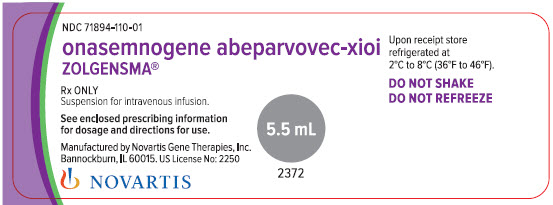
NDC 71894-110-01
onasemnogene abeparvovec-xioi
Rx ONLY
Suspension for intravenous infusion.
See enclosed prescribing information
Manufactured by Novartis Gene Therapies, Inc.
5.5 mL
NOVARTIS
PRINCIPAL DISPLAY PANEL
								NDC 71894-110-01
								onasemnogene abeparvovec-xioi ZOLGENSMA®
								Rx ONLY
								Suspension for intravenous infusion.
								See enclosed prescribing information for dosage and directions for use.
								Manufactured by Novartis Gene Therapies, Inc. Bannockburn, IL 60015. US License No: 2250
								5.5 mL
								NOVARTIS
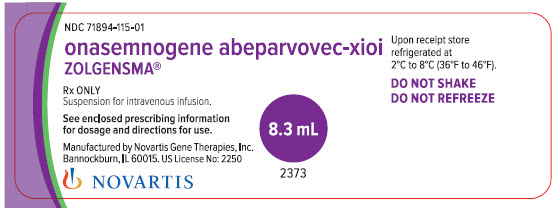
11PRINCIPAL DISPLAY PANEL
NDC 71894-115-01
onasemnogene abeparvovec-xioi
Rx ONLY
Suspension for intravenous infusion.
See enclosed prescribing information
Manufactured by Novartis Gene Therapies, Inc.
8.3 mL
NOVARTIS
PRINCIPAL DISPLAY PANEL
								NDC 71894-115-01
								onasemnogene abeparvovec-xioi ZOLGENSMA®
								Rx ONLY
								Suspension for intravenous infusion.
								See enclosed prescribing information for dosage and directions for use.
								Manufactured by Novartis Gene Therapies, Inc. Bannockburn, IL 60015. US License No: 2250
								8.3 mL
								NOVARTIS
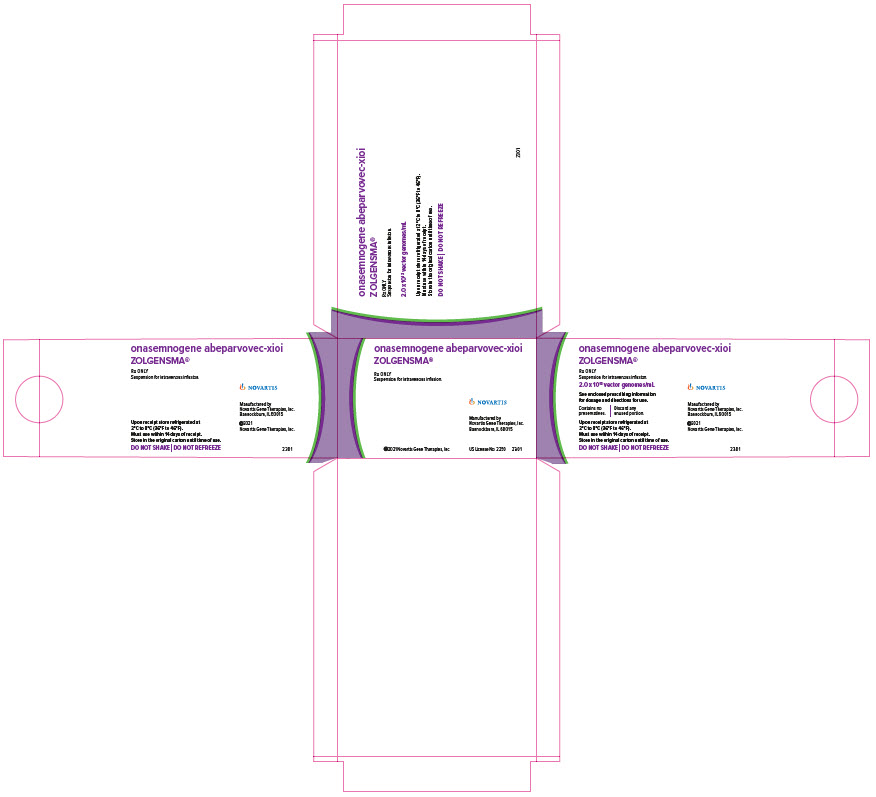
12PRINCIPAL DISPLAY PANEL
onasemnogene abeparvovec-xioi
Rx ONLY
Suspension for intravenous infusion.
NOVARTIS
Manufactured by
US License No: 2250
PRINCIPAL DISPLAY PANEL
								onasemnogene abeparvovec-xioi ZOLGENSMA®
								Rx ONLY
								Suspension for intravenous infusion.
								NOVARTIS
								Manufactured by Novartis Gene Therapies, Inc. Bannockburn, IL 60015. US License No: 2250
								US License No: 2250 ©2021 Novartis Gene Therapies, Inc.
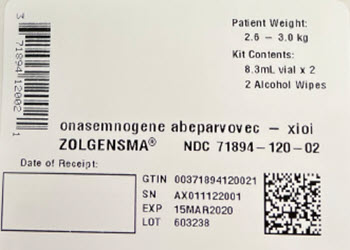
13PRINCIPAL DISPLAY PANEL - NDC: 71894-120-02 - 2.6 - 3.0 kg Kit Variable Label
2.6 - 3.0 kg Kit Variable Label
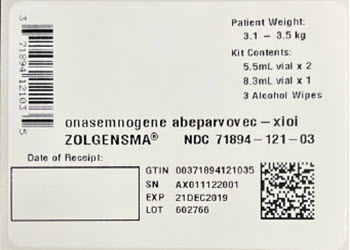
14PRINCIPAL DISPLAY PANEL - NDC: 71894-121-03 - 3.1 - 3.5 kg Kit Variable Label
3.1 - 3.5 kg Kit Variable Label
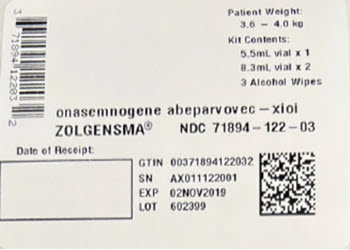
15PRINCIPAL DISPLAY PANEL - NDC: 71894-122-03 - 3.6 - 4.0 kg Kit Variable Label
3.6 - 4.0 kg Kit Variable Label
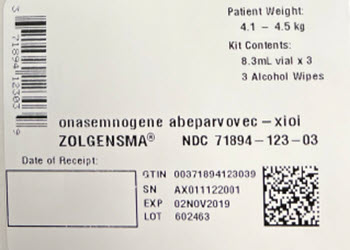
16PRINCIPAL DISPLAY PANEL - NDC: 71894-123-03 - 4.1 - 4.5 kg Kit Variable Label
4.1 - 4.5 kg Kit Variable Label
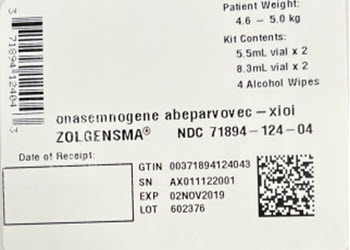
17PRINCIPAL DISPLAY PANEL - NDC: 71894-124-04 - 4.6 - 5.0 kg Kit Variable Label
4.6 - 5.0 kg Kit Variable Label
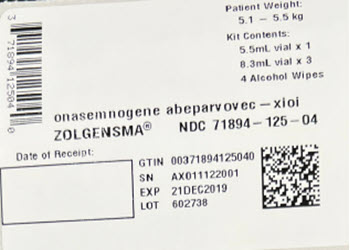
18PRINCIPAL DISPLAY PANEL - NDC: 71894-125-04 - 5.1 - 5.5 kg Kit Variable Label
5.1 - 5.5 kg Kit Variable Label
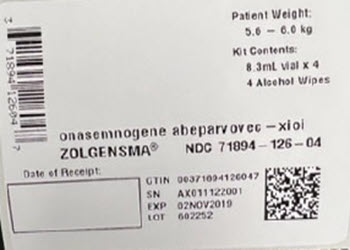
19PRINCIPAL DISPLAY PANEL - NDC: 71894-126-04 - 5.6 - 6.0 kg Kit Variable Label
5.6 - 6.0 kg Kit Variable Label
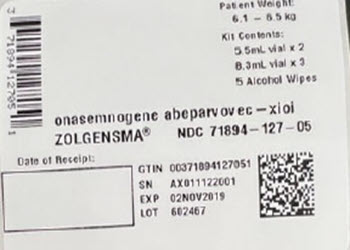
20PRINCIPAL DISPLAY PANEL - NDC: 71894-127-05 - 6.1 - 6.5 kg Kit Variable Label
6.1 - 6.5 kg Kit Variable Label
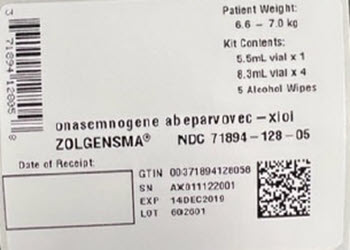
21PRINCIPAL DISPLAY PANEL - NDC: 71894-128-05 - 6.6 - 7.0 kg Kit Variable Label
6.6 - 7.0 kg Kit Variable Label
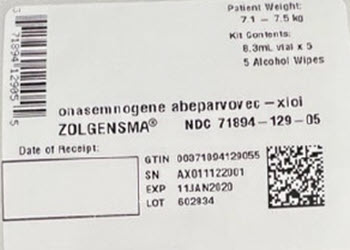
22PRINCIPAL DISPLAY PANEL - NDC: 71894-129-05 - 7.1 - 7.5 kg Kit Variable Label
7.1 - 7.5 kg Kit Variable Label
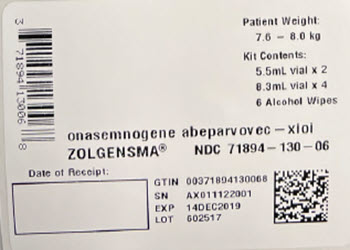
23PRINCIPAL DISPLAY PANEL - NDC: 71894-130-06 - 7.6 - 8.0 kg Kit Variable Label
7.6 - 8.0 kg Kit Variable Label
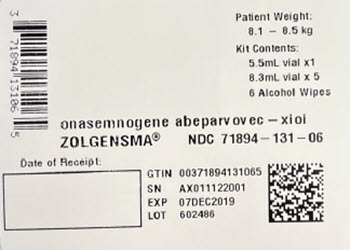
24PRINCIPAL DISPLAY PANEL - NDC: 71894-131-06 - 8.1 - 8.5 kg Kit Variable Label
8.1 - 8.5 kg Kit Variable Label
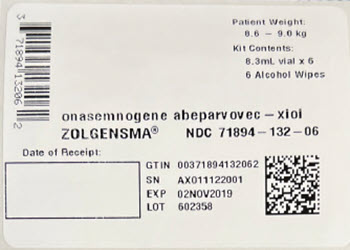
25PRINCIPAL DISPLAY PANEL - NDC: 71894-132-06 - 8.6 – 9.0 kg Kit Variable Label
8.6 – 9.0 kg Kit Variable Label
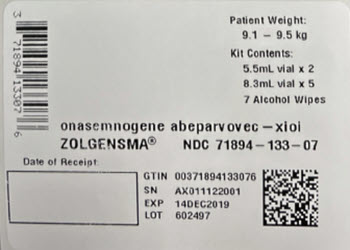
26PRINCIPAL DISPLAY PANEL - NDC: 71894-133-07 – 9.1 – 9.5 kg Kit Variable Label
9.1 – 9.5 kg Kit Variable Label
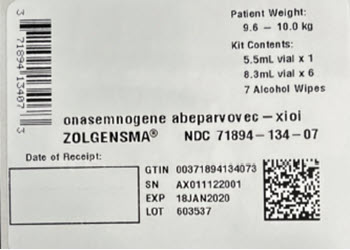
27PRINCIPAL DISPLAY PANEL - NDC: 71894-134-07 – 9.6 – 10.0 kg Kit Variable Label
9.6 – 10.0 kg Kit Variable Label
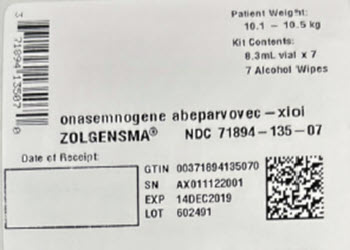
28PRINCIPAL DISPLAY PANEL - NDC: 71894-135-07 – 10.1 – 10.5 kg Kit Variable Label
10.1 – 10.5 kg Kit Variable Label
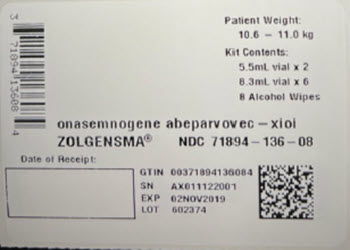
29PRINCIPAL DISPLAY PANEL - NDC: 71894-136-08 – 10.6 – 11.0 kg Kit Variable Label
10.6 – 11.0 kg Kit Variable Label
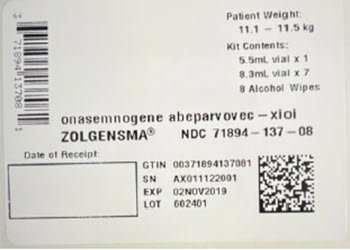
30PRINCIPAL DISPLAY PANEL - NDC: 71894-137-08 – 11.1 – 11.5 kg Kit Variable Label
11.1 – 11.5 kg Kit Variable Label
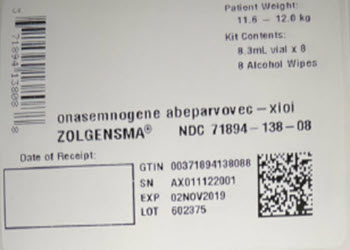
31PRINCIPAL DISPLAY PANEL - NDC: 71894-138-08 – 11.6 – 12.0 kg Kit Variable Label
11.6 – 12.0 kg Kit Variable Label
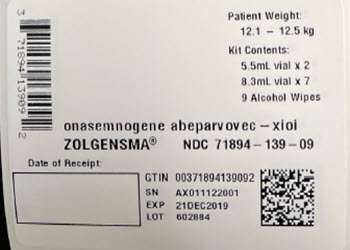
32PRINCIPAL DISPLAY PANEL - NDC: 71894-139-09 – 12.1 – 12.5 kg Kit Variable Label
12.1 – 12.5 kg Kit Variable Label
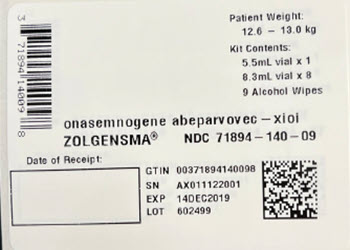
33PRINCIPAL DISPLAY PANEL - NDC: 71894-140-09 – 12.6 – 13.0 kg Kit Variable Label
12.6 – 13.0 kg Kit Variable Label
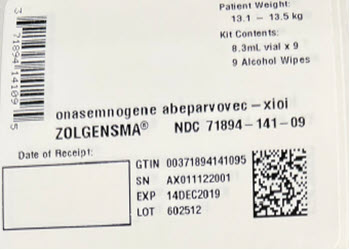
34PRINCIPAL DISPLAY PANEL - NDC: 71894-141-09 – 13.1 – 13.5 kg Kit Variable Label
13.1 – 13.5 kg Kit Variable Label
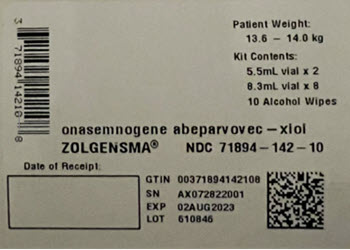
35PRINCIPAL DISPLAY PANEL - NDC: 71894-142-10 – 13.6 – 14.0 kg Kit Variable Label
13.6 – 14.0 kg Kit Variable Label
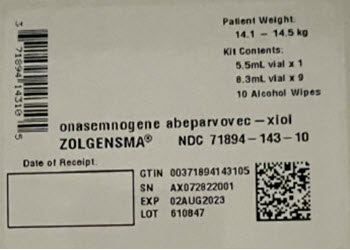
36PRINCIPAL DISPLAY PANEL - NDC: 71894-143-10 – 14.1 – 14.5 kg Kit Variable Label
14.1 – 14.5 kg Kit Variable Label
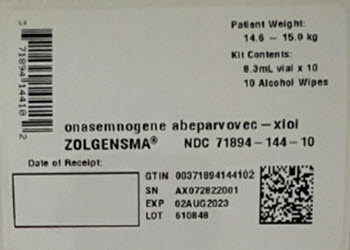
37PRINCIPAL DISPLAY PANEL - NDC: 71894-144-10 – 14.6 – 15.0 kg Kit Variable Label
14.6 – 15.0 kg Kit Variable Label
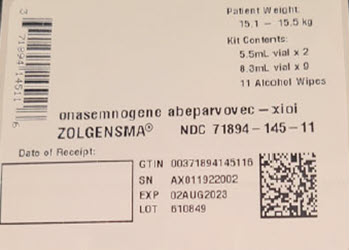
38PRINCIPAL DISPLAY PANEL - NDC: 71894-145-11 – 15.1 – 15.5 kg Kit Variable Label
15.1 – 15.5 kg Kit Variable Label
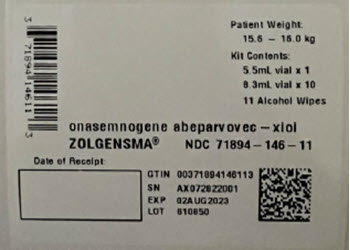
39PRINCIPAL DISPLAY PANEL - NDC: 71894-146-11 – 15.6 – 16.0 kg Kit Variable Label
15.6 – 16.0 kg Kit Variable Label
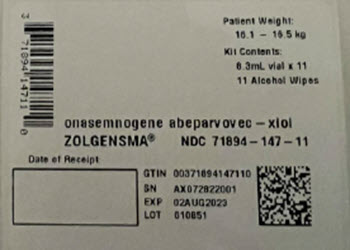
40PRINCIPAL DISPLAY PANEL - NDC: 71894-147-11 – 16.1 – 16.5 kg Kit Variable Label
16.1 – 16.5 kg Kit Variable Label
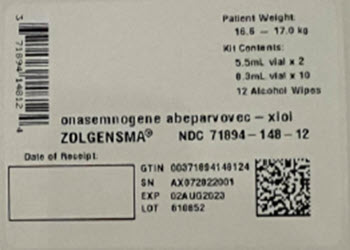
41PRINCIPAL DISPLAY PANEL - NDC: 71894-148-12 – 16.6 – 17.0 kg Kit Variable Label
16.6 – 17.0 kg Kit Variable Label
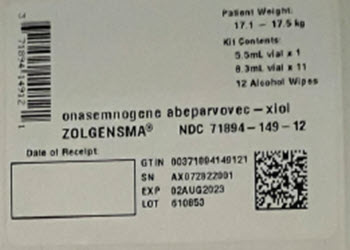
42PRINCIPAL DISPLAY PANEL - NDC: 71894-149-12 – 17.1 – 17.5 kg Kit Variable Label
17.1 – 17.5 kg Kit Variable Label
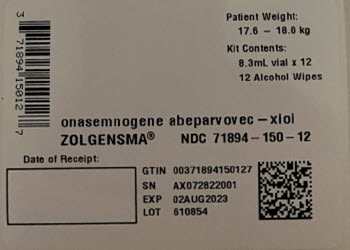
43PRINCIPAL DISPLAY PANEL - NDC: 71894-150-12 – 17.6 – 18.0 kg Kit Variable Label
17.6 – 18.0 kg Kit Variable Label
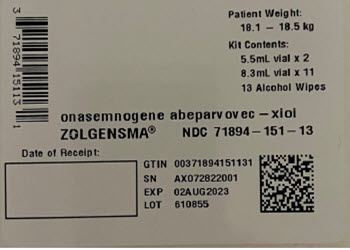
44PRINCIPAL DISPLAY PANEL - NDC: 71894-151-13 – 18.1 – 18.5 kg Kit Variable Label
18.1 – 18.5 kg Kit Variable Label
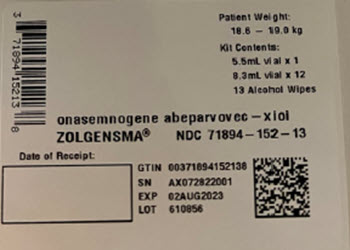
45PRINCIPAL DISPLAY PANEL - NDC: 71894-152-13 – 18.6 – 19.0 kg Kit Variable Label
18.6 – 19.0 kg Kit Variable Label
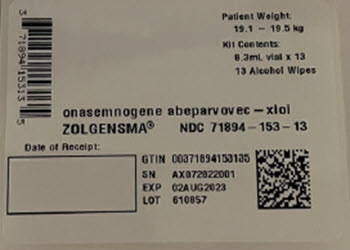
46PRINCIPAL DISPLAY PANEL - NDC: 71894-153-13 – 19.1 – 19.5 kg Kit Variable Label
19.1 – 19.5 kg Kit Variable Label
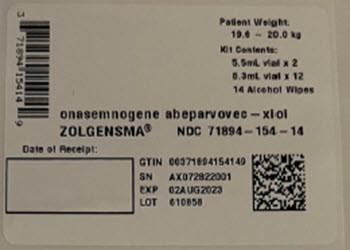
47PRINCIPAL DISPLAY PANEL - NDC: 71894-154-14 – 19.6 – 20.0 kg Kit Variable Label
19.6 – 20.0 kg Kit Variable Label
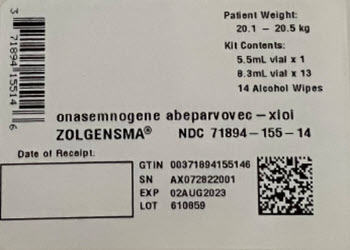
48PRINCIPAL DISPLAY PANEL - NDC: 71894-155-14 – 20.1 – 20.5 kg Kit Variable Label
20.1 – 20.5 kg Kit Variable Label
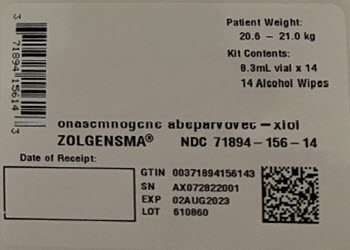
49PRINCIPAL DISPLAY PANEL - NDC: 71894-156-14 – 20.6 – 21.0 kg Kit Variable Label
20.6 – 21.0 kg Kit Variable Label