Brand Name

Temodar

Generic Name
Temozolomide
View Brand Information
FDA approval date: August 11, 1999
Classification: Alkylating Drug
Form: Injection, Capsule

What is Temodar (Temozolomide)?

Temozolomide capsules are an alkylating drug indicated for the treatment of adult patients with: Newly diagnosed glioblastoma concomitantly with radiotherapy and then as maintenance treatment.
Save this treatment for later
Sign Up
Not sure about your diagnosis?
Check Your Symptoms

Related Clinical Trials

A Phase 2, Multicenter, Clinical Study to Evaluate the Efficacy and Safety of Safusidenib Erbumine in Patients With Isocitrate Dehydrogenase 1 (IDH1) Mutant Glioma

Summary: This is a 2-part study. The purpose of Part 1 of the study is to evaluate the efficacy, safety, and pharmacokinetic (PK) characteristics of safusidenib in participants with recurrent/progressive IDH1-mutant World Health Organization (WHO) Grade 2 or Grade 3 glioma. The purpose of Part 2 will be to evaluate the efficacy of maintenance safusidenib treatment versus placebo in IDH1-mutant Grade 3 astr...

A Phase 3 Study of Dinutuximab Added to Intensive Multimodal Therapy for Children With Newly Diagnosed High-Risk Neuroblastoma

Summary: This phase III trial tests how well the addition of dinutuximab to Induction chemotherapy along with standard of care surgical resection of the primary tumor, radiation, stem cell transplantation, and immunotherapy works for treating children with newly diagnosed high-risk neuroblastoma. Dinutuximab is a monoclonal antibody that binds to a molecule called GD2, which is found on the surface of neur...

Phase Ib Trial of ABBV-637 or ABBV-155 in Combination With ERAS-801 for Glioblastoma With Amplification of the Epidermal Growth Factor Receptor

Summary: The researchers are doing this study to find out whether the drugs ABBV-637 and ABBV-155 are safe treatments that cause few or mild side effects when given alone or in combination with ERAS-801 in people with recurrent GBM.

Brand Information

TEMODAR (Temozolomide)
1DOSAGE FORMS AND STRENGTHS
  • Capsules:
  • For injection: 100 mg white to light tan or light pink lyophilized powder for reconstitution in a single-dose vial.
2CONTRAINDICATIONS
TEMODAR is contraindicated in patients with a history of serious hypersensitivity reactions to:
  • temozolomide or any other ingredients in TEMODAR; and
  • dacarbazine, since both temozolomide and dacarbazine are metabolized to the same active metabolite 5-(3-methyltriazen-1-yl)-imidazole-4-carboxamide.
Reactions to TEMODAR have included anaphylaxis
3ADVERSE REACTIONS
The following clinically significant adverse reactions are described elsewhere in the labeling:
  • Myelosuppression
  • Hepatotoxicity
  • Pneumocystis Pneumonia [see
  • Secondary Malignancies
3.1Clinical Trials Experience
Because clinical trials are conducted under widely varying conditions, adverse reaction rates observed in the clinical trials of a drug cannot be directly compared to rates in the clinical trials of another drug and may not reflect the rates observed in practice.
Newly Diagnosed Glioblastoma
The safety of TEMODAR was evaluated in study MK-7365-051
Severe or life-threatening adverse reactions occurred in 49% of patients treated with TEMODAR; the most common were fatigue (13%), convulsions (6%), headache (5%), and thrombocytopenia (5%).
The most common adverse reactions (≥20%) in patients treated with TEMODAR were alopecia, fatigue, nausea, anorexia, headache, constipation, and vomiting.
Table 3 summarizes the adverse reactions in MK-7365-051.
Clinically relevant adverse reactions in <10% of patients are presented below:
Central & Peripheral Nervous System: memory impairment, confusion
Eye: vision blurred
Gastrointestinal System: stomatitis, abdominal pain
General: weakness, dizziness
Immune System: allergic reaction
Injury: radiation injury not otherwise specified
Musculoskeletal System: arthralgia
Platelet, Bleeding, & Clotting: thrombocytopenia
Psychiatric: insomnia
Respiratory System: coughing, dyspnea
Special Senses Other: taste perversion
Skin & Subcutaneous Tissue: dry skin, pruritus, erythema
When laboratory abnormalities and adverse reactions were combined, Grade 3 or Grade 4 neutrophil abnormalities including neutropenic reactions were observed in 8% of patients, and Grade 3 or Grade 4 platelet abnormalities including thrombocytopenic reactions were observed in 14% of patients.
Newly Diagnosed Anaplastic Astrocytoma
The safety of TEMODAR for the adjuvant treatment of adults with newly diagnosed anaplastic astrocytoma was derived from published literature
Refractory Anaplastic Astrocytoma
The safety of TEMODAR was evaluated in study MK-7365-006
The most common adverse reactions (≥20%) were nausea, vomiting, headache, fatigue, constipation, and convulsions.
Tables 4 and 5 summarize the adverse reactions and hematological laboratory abnormalities in MK-7365-006.
Clinically relevant adverse reactions in <10% of patients are presented below:
Central and Peripheral Nervous System: paresthesia, somnolence, paresis, urinary incontinence, ataxia, dysphasia, convulsions local, gait abnormal, confusion
Endocrine: adrenal hypercorticism
Gastrointestinal System: abdominal pain, anorexia
General: back pain
Metabolic: weight increase
Musculoskeletal System: myalgia
Psychiatric: anxiety, depression
Reproductive Disorders: breast pain female
Respiratory System: upper respiratory tract infection, pharyngitis, sinusitis, coughing
Skin & Appendages: rash, pruritus
Urinary System: urinary tract infection, micturition increased frequency
Vision: diplopia, vision abnormalThis term includes blurred vision; visual deficit; vision changes; and vision troubles.
3.2Postmarketing Experience
The following adverse reactions have been identified during post-approval use of TEMODAR. Because these reactions are reported voluntarily from a population of uncertain size, it is not always possible to reliably estimate their frequency or establish a causal relationship to the drug exposure.
Dermatologic: Toxic epidermal necrolysis and Stevens-Johnson syndrome.
Immune System: Hypersensitivity reactions, including anaphylaxis. Erythema multiforme, which resolved after discontinuation of TEMODAR and, in some cases, recurred upon rechallenge.
Hematopoietic: Prolonged pancytopenia, which may result in aplastic anemia and fatal outcomes.
Hepatobiliary: Fatal and severe hepatotoxicity, elevation of liver enzymes, hyperbilirubinemia, cholestasis, and hepatitis.
Infections: Serious opportunistic infections, including some cases with fatal outcomes, with bacterial, viral (primary and reactivated), fungal, and protozoan organisms.
Pulmonary: Interstitial pneumonitis, pneumonitis, alveolitis, and pulmonary fibrosis.
Endocrine: Diabetes insipidus.
4OVERDOSAGE
Dose-limiting toxicity was myelosuppression and was reported with any dose but is expected to be more severe at higher doses. An overdose of 2000 mg per day for 5 days was taken by one patient and the adverse reactions reported were pancytopenia, pyrexia, multi-organ failure, and death. There are reports of patients who have taken more than 5 days of treatment (up to 64 days), with adverse reactions reported including myelosuppression, which in some cases was severe and prolonged, and infections and resulted in death. In the event of an overdose, monitor complete blood count and provide supportive measures as necessary.
5DESCRIPTION
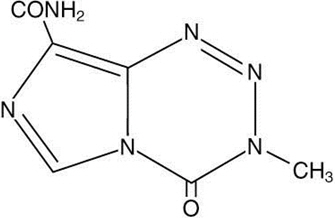
Temozolomide is an alkylating drug. The chemical name of temozolomide is 3,4-dihydro-3-methyl-4-oxoimidazo[5,1-d]-
Chemical Structure
The material is a white to light tan or light pink powder with a molecular formula of C
TEMODAR capsules
TEMODAR (temozolomide) capsules for oral use contains either 5 mg, 20 mg, 100 mg, 140 mg, 180 mg, or 250 mg of temozolomide. The inactive ingredients are as follows:
  • TEMODAR 5 mg: lactose anhydrous (132.8 mg), colloidal silicon dioxide (0.2 mg), sodium starch glycolate (7.5 mg), tartaric acid (1.5 mg), and stearic acid (3 mg).
  • TEMODAR 20 mg: lactose anhydrous (182.2 mg), colloidal silicon dioxide (0.2 mg), sodium starch glycolate (11 mg), tartaric acid (2.2 mg), and stearic acid (4.4 mg).
  • TEMODAR 100 mg: lactose anhydrous (175.7 mg), colloidal silicon dioxide (0.3 mg), sodium starch glycolate (15 mg), tartaric acid (3 mg), and stearic acid (6 mg).
  • TEMODAR 140 mg: lactose anhydrous (246 mg), colloidal silicon dioxide (0.4 mg), sodium starch glycolate (21 mg), tartaric acid (4.2 mg), and stearic acid (8.4 mg).
  • TEMODAR 180 mg: lactose anhydrous (316.3 mg), colloidal silicon dioxide (0.5 mg), sodium starch glycolate (27 mg), tartaric acid (5.4 mg), and stearic acid (10.8 mg).
  • TEMODAR 250 mg: lactose anhydrous (154.3 mg), colloidal silicon dioxide (0.7 mg), sodium starch glycolate (22.5 mg), tartaric acid (9 mg), and stearic acid (13.5 mg).
The body of the capsules is made of gelatin and is opaque white. The cap is also made of gelatin, and the colors vary based on the dosage strength. The capsule body and cap are imprinted with pharmaceutical branding ink, which contains shellac, dehydrated alcohol, isopropyl alcohol, butyl alcohol, propylene glycol, purified water, strong ammonia solution, potassium hydroxide, and ferric oxide.
  • TEMODAR 5 mg: The green cap contains gelatin, titanium dioxide, iron oxide yellow, sodium lauryl sulfate, and FD&C Blue #2.
  • TEMODAR 20 mg: The yellow cap contains gelatin, sodium lauryl sulfate, and iron oxide yellow.
  • TEMODAR 100 mg: The pink cap contains gelatin, titanium dioxide, sodium lauryl sulfate, and iron oxide red.
  • TEMODAR 140 mg: The blue cap contains gelatin, sodium lauryl sulfate, and FD&C Blue #2.
  • TEMODAR 180 mg: The orange cap contains gelatin, iron oxide red, iron oxide yellow, titanium dioxide, and sodium lauryl sulfate.
  • TEMODAR 250 mg: The white cap contains gelatin, titanium dioxide, and sodium lauryl sulfate.
TEMODAR for injection
TEMODAR (temozolomide) for injection is for intravenous use. Each single-dose vial contains 100 mg of sterile and pyrogen-free lyophilized powder. The inactive ingredients are: mannitol (600 mg), L-threonine (160 mg), polysorbate 80 (120 mg), sodium citrate dihydrate (235 mg), and hydrochloric acid (160 mg).
6REFERENCES
  1. “OSHA Hazardous Drugs.” OSHA.
7HOW SUPPLIED/STORAGE AND HANDLING
TEMODAR is a hazardous drug. Follow applicable special handling and disposal procedures.
8PATIENT COUNSELING INFORMATION
Advise the patient to read the FDA-approved patient labeling (
Myelosuppression
Inform patients that TEMODAR can cause low blood cell counts and the need for frequent monitoring of blood cell counts. Advise patients to contact their healthcare provider immediately for bleeding, fever, or other signs of infection
Hepatotoxicity
Advise patients of the increased risk of hepatotoxicity and to contact their healthcare provider immediately for signs or symptoms of hepatotoxicity. Inform patients that they will have periodic liver enzyme tests during treatment and following the last dose of TEMODAR
Pneumocystis Pneumonia
Advise patients of the increased risk of
Secondary Malignancies
Advise patients of the increased risk of myelodysplastic syndrome and secondary malignancies
Exposure to Opened Capsules
Advise patient to not open, chew, or dissolve the capsules. If capsules are accidentally opened or damaged, advise patients to take rigorous precautions with capsule contents to avoid inhalation or contact with the skin or mucous membranes
Embryo-Fetal Toxicity
Advise pregnant women and females of reproductive potential of the potential risk to a fetus. Advise females to inform their healthcare provider of a known or suspected pregnancy
Advise females of reproductive potential to use effective contraception during treatment with TEMODAR and for 6 months after the last dose
Advise male patients with pregnant partners or female partners of reproductive potential to use condoms during treatment with TEMODAR and for 3 months after the last dose
Advise male patients not to donate semen during treatment with TEMODAR and for 3 months after the last dose
Lactation
Advise women not to breastfeed during treatment with TEMODAR and for 1 week after the last dose
Infertility
Advise males of reproductive potential that TEMODAR may impair fertility
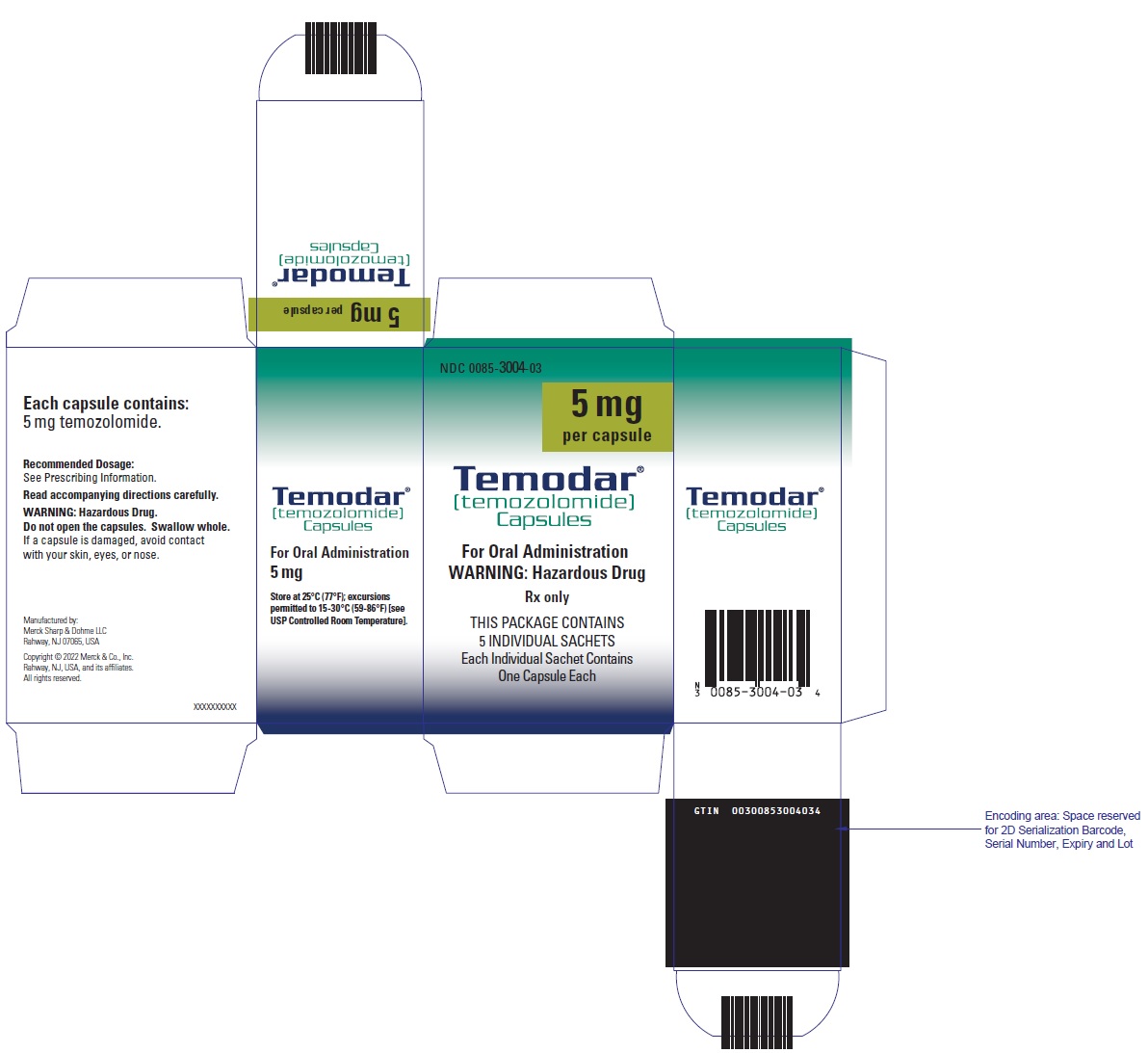
9PRINCIPAL DISPLAY PANEL - 5 mg Capsule Sachet Carton
NDC 0085-3004-03
5 mg
Temodar
[temozolomide]
Capsules
For Oral Administration
THIS PACKAGE CONTAINS
Each Individual Sachet Contains
PRINCIPAL DISPLAY PANEL - 5 mg Capsule Sachet Carton
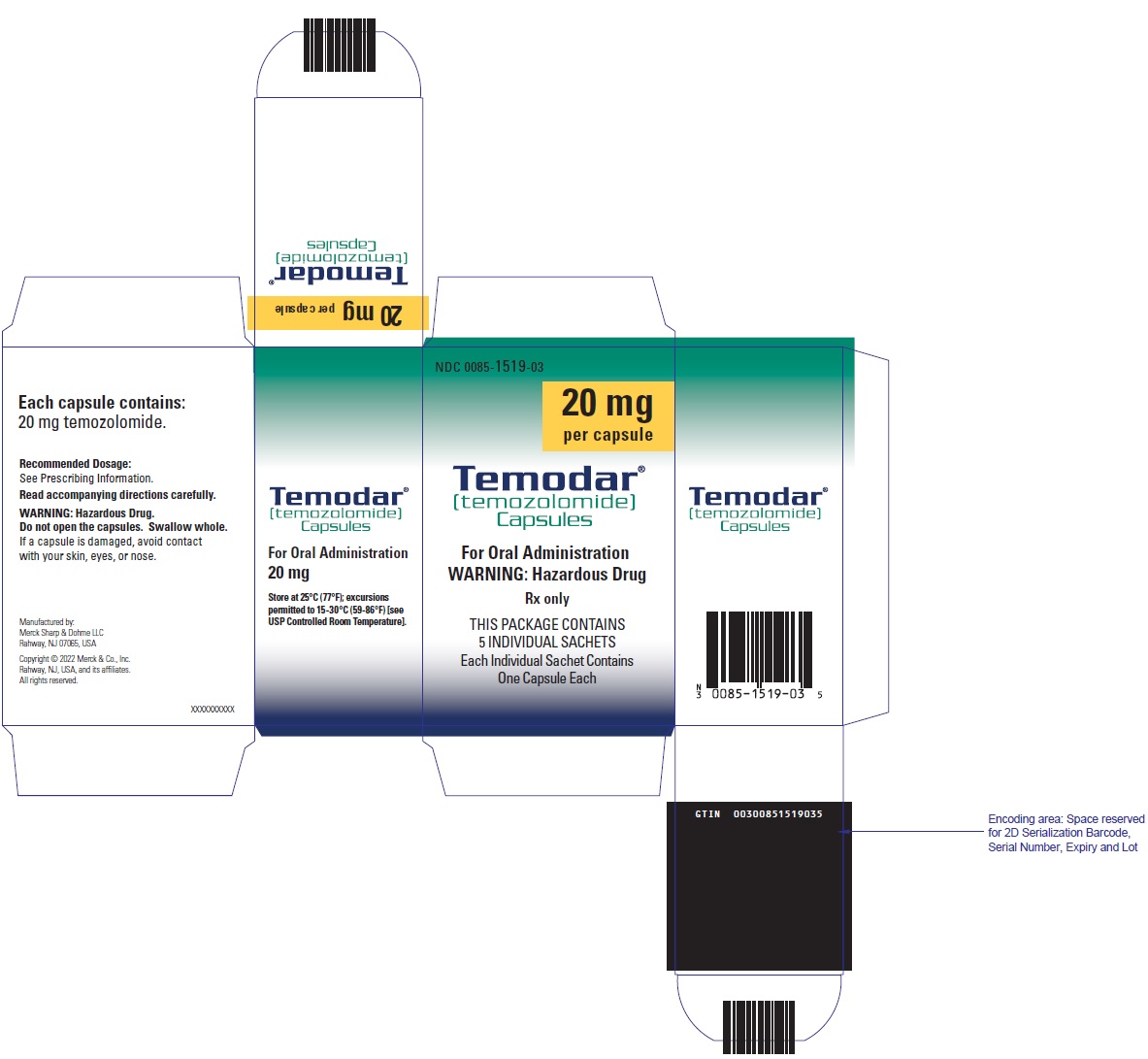
10PRINCIPAL DISPLAY PANEL - 20 mg Capsule Sachet Carton
NDC 0085-1519-03
20 mg
Temodar
[temozolomide]
Capsules
For Oral Administration
THIS PACKAGE CONTAINS
Each Individual Sachet Contains
PRINCIPAL DISPLAY PANEL - 20 mg Capsule Sachet Carton
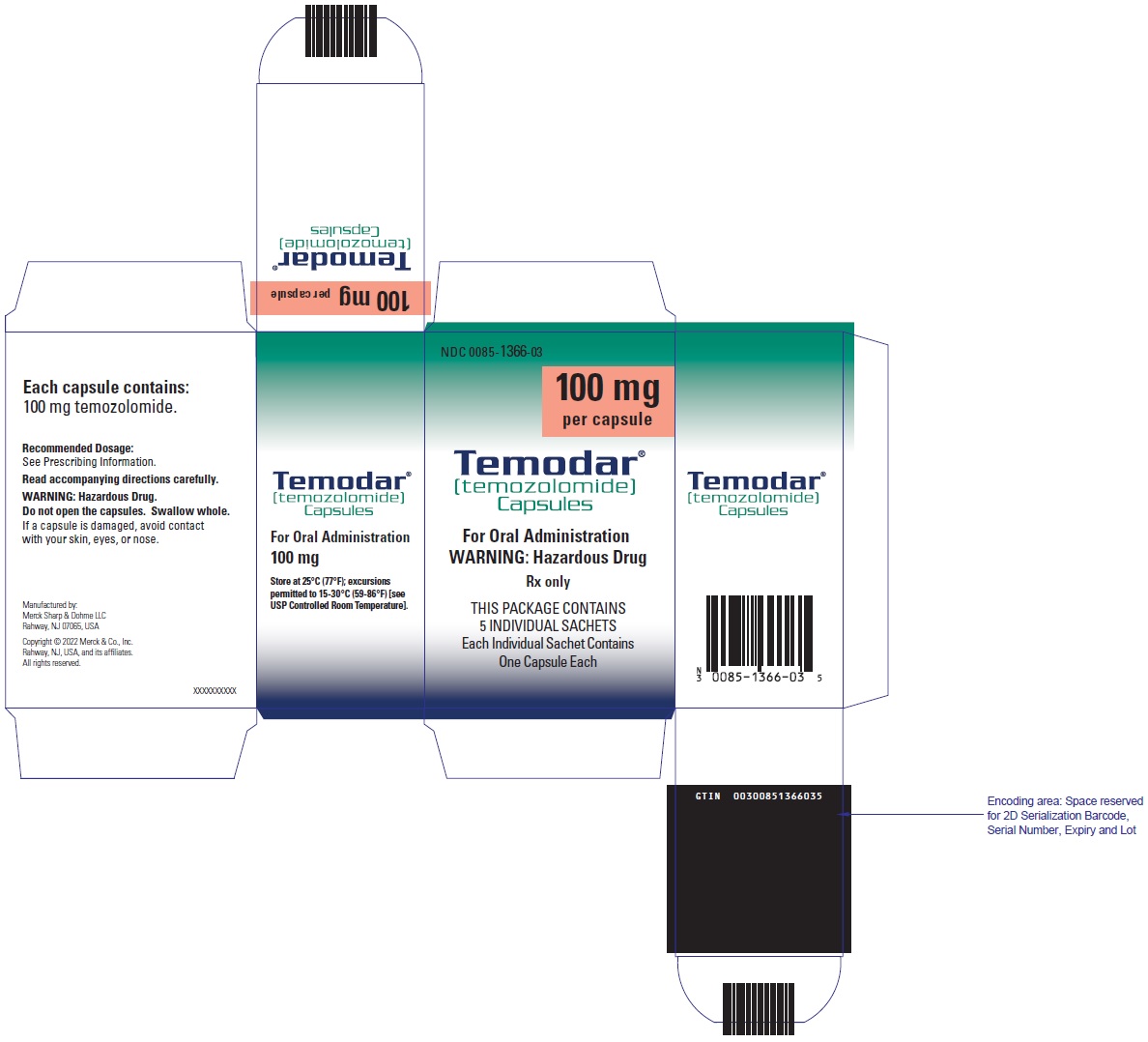
11PRINCIPAL DISPLAY PANEL - 100 mg Capsule Sachet Carton
NDC 0085-1366-03
100 mg
Temodar
[temozolomide]
Capsules
For Oral Administration
THIS PACKAGE CONTAINS
Each Individual Sachet Contains
PRINCIPAL DISPLAY PANEL - 100 mg Capsule Sachet Carton
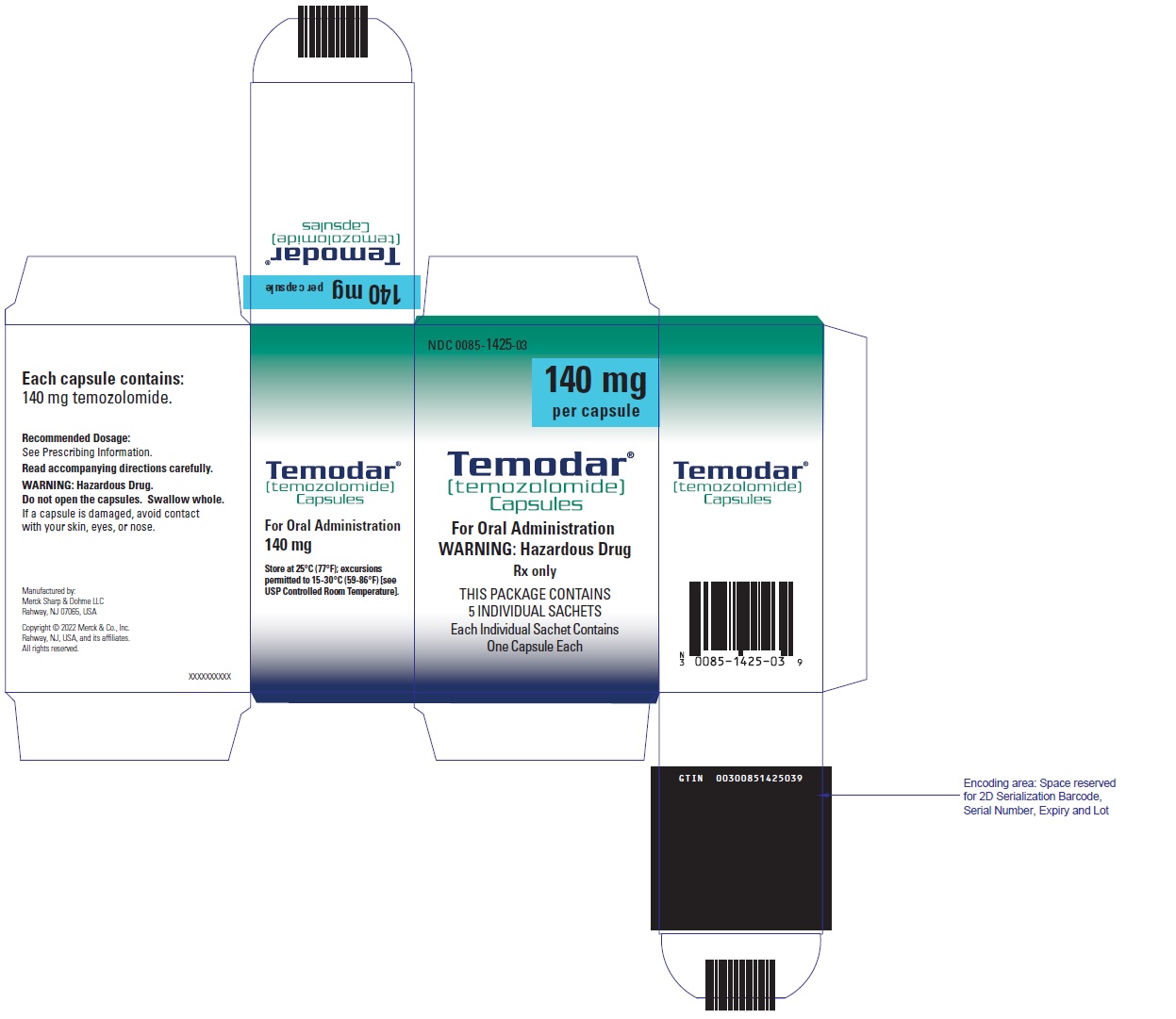
12PRINCIPAL DISPLAY PANEL - 140 mg Capsule Sachet Carton
NDC 0085-1425-03
140 mg
Temodar
[temozolomide]
Capsules
For Oral Administration
THIS PACKAGE CONTAINS
Each Individual Sachet Contains
PRINCIPAL DISPLAY PANEL - 140 mg Capsule Sachet Carton
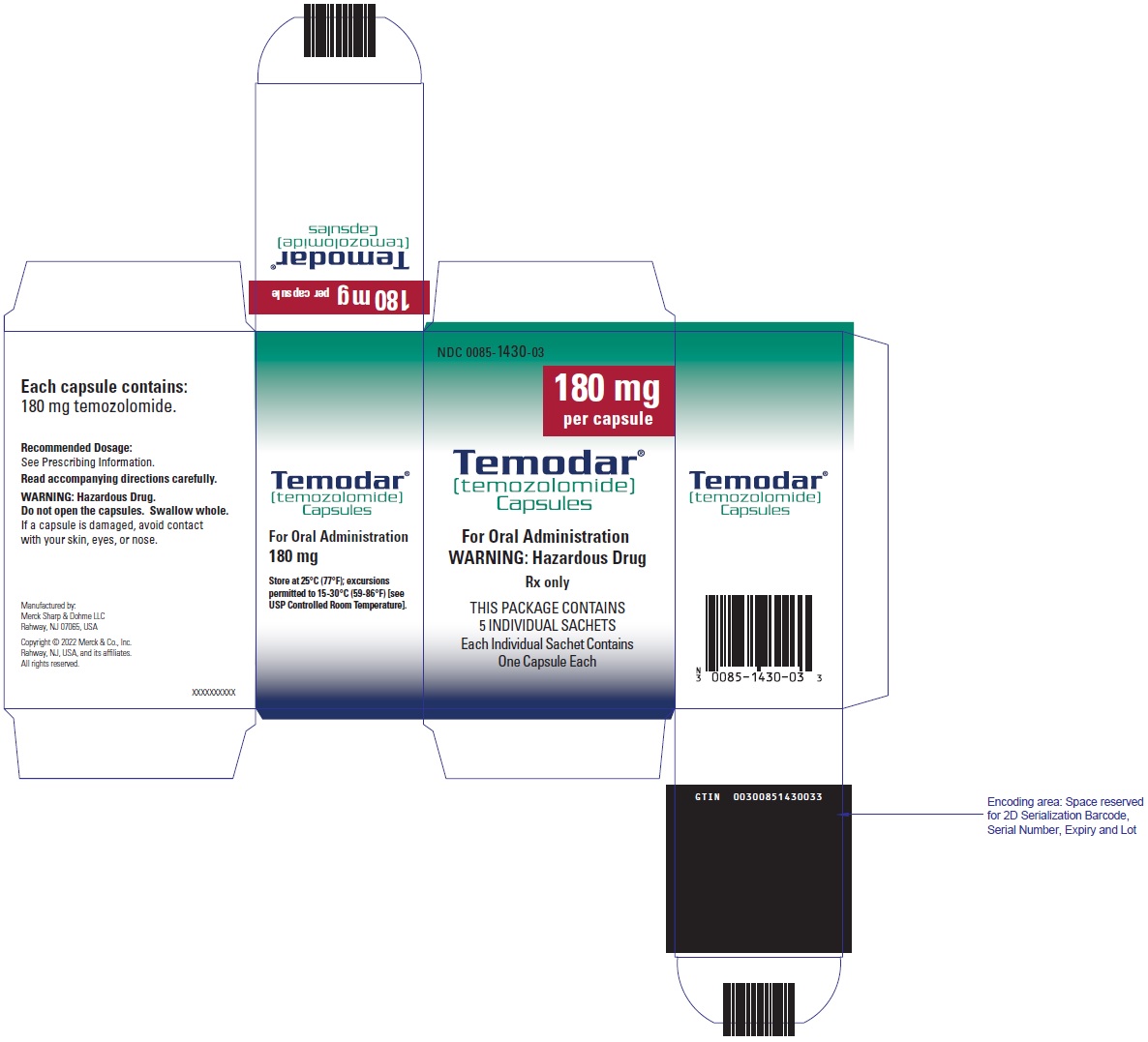
13PRINCIPAL DISPLAY PANEL - 180 mg Capsule Sachet Carton
NDC 0085-1430-03
180 mg
Temodar
[temozolomide]
Capsules
For Oral Administration
THIS PACKAGE CONTAINS
Each Individual Sachet Contains
PRINCIPAL DISPLAY PANEL - 180 mg Capsule Sachet Carton
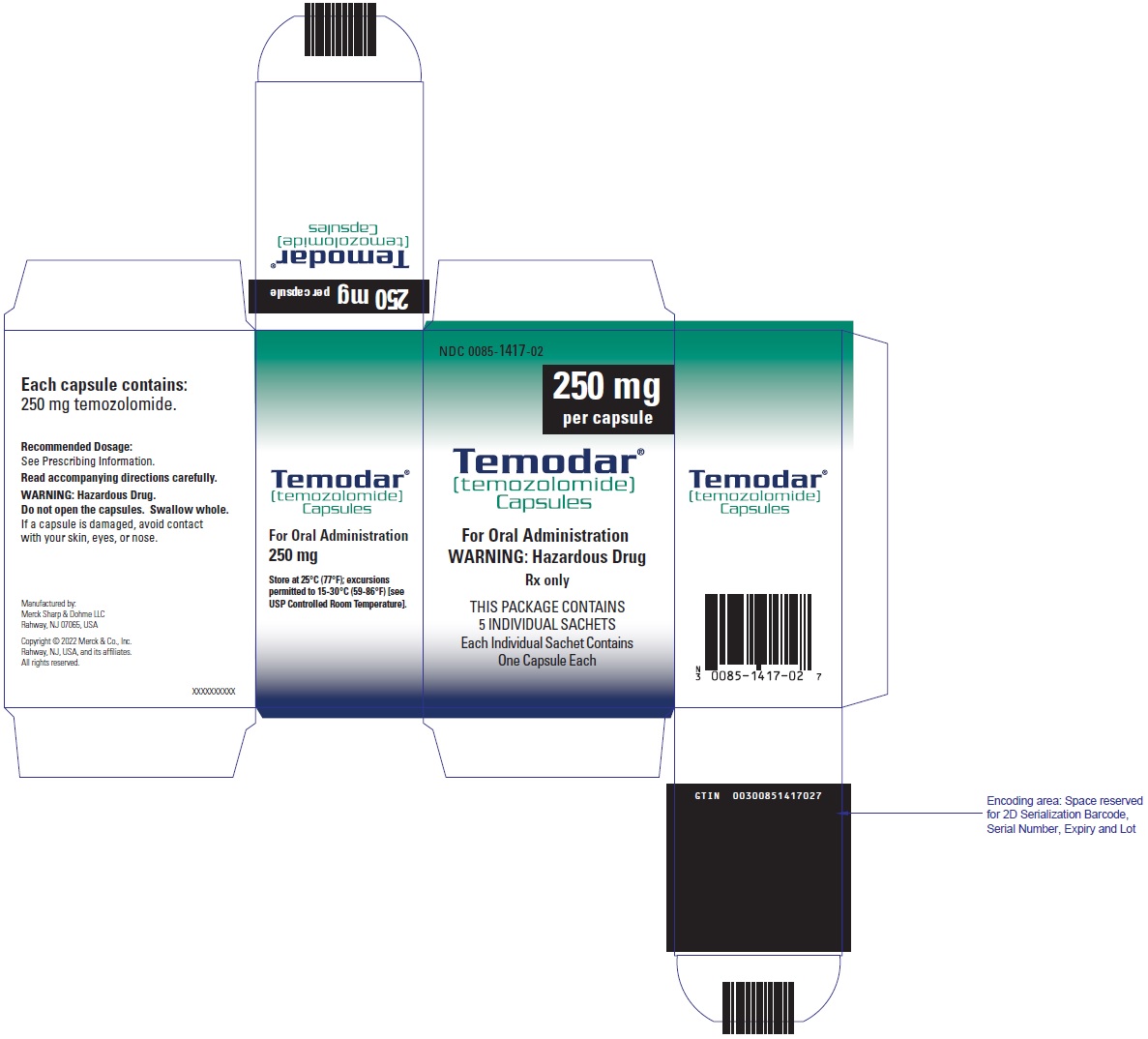
14PRINCIPAL DISPLAY PANEL - 250 mg Capsule Sachet Carton
NDC 0085-1417-02
250 mg
Temodar
[temozolomide]
Capsules
For Oral Administration
THIS PACKAGE CONTAINS
Each Individual Sachet Contains
PRINCIPAL DISPLAY PANEL - 250 mg Capsule Sachet Carton
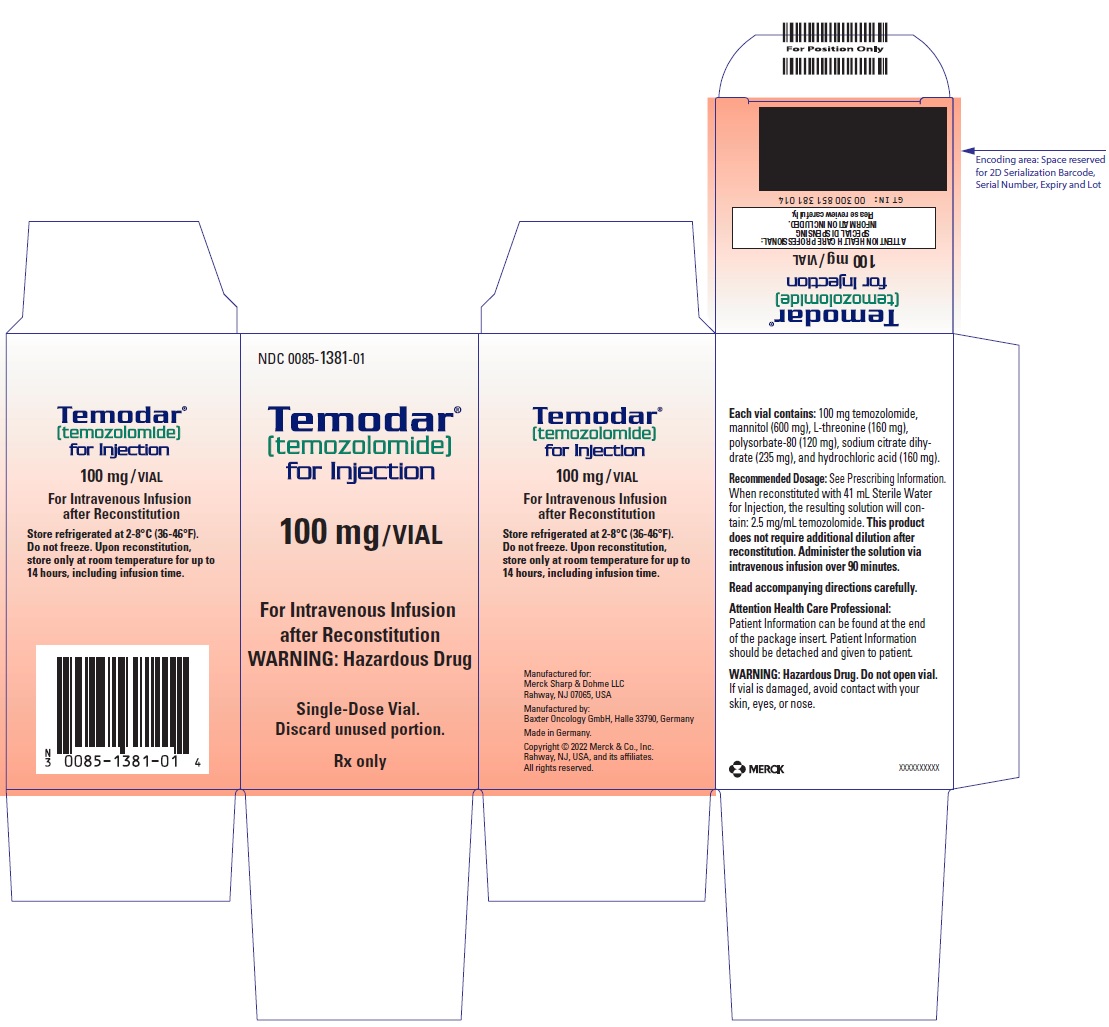
15PRINCIPAL DISPLAY PANEL - 100 mg Vial Carton
NDC 0085-1381-01
Temodar
[temozolomide]
for Injection
100 mg / VIAL
For Intravenous Infusion
Single-Dose Vial.
Rx only
Principal Display Panel - 100 mg Vial Carton