Sulfasalazine
What is Azulfidine (Sulfasalazine)?
Approved To Treat
Top Global Experts


Related Clinical Trials
Summary: Rheumatoid arthritis (RA) is a common disease with approximately 1% prevalence. RA is also a chronic, progressive disease with no cure. Current treatment goals are to minimize pain, limit joint damage, and prevent loss of function. Drugs used to treat RA include non-steroidal anti-inflammatory drugs (NSAIDS), glucocorticoids, and disease-modifying anti-rheumatic drugs (DMARDs), including biologics...
Summary: The goal of this randomized clinical trial is to assess sulfasalazine as a potential treatment to prevent recurrent preterm birth. The main questions it aims to answer are: * Does sulfasalazine down regulate corticotropin releasing hormone (CRH) levels in pregnant persons with a prior history of preterm birth? * Does sulfasalazine reduce the incidence of recurrent preterm birth in pregnant persons...
Summary: Approximately, 40 to 50% of patients with rheumatoid arthritis (RA), the most frequent inflammatory arthritide, are non responders to the consensual 1st line of treatment : methotrexate. In these patients, it is well demonstrated that the addition of other immunomodulatory drug(s) often results in a significant improvement. However, the best option regarding the drug(s) to add remains unclear. Rhe...
Related Latest Advances
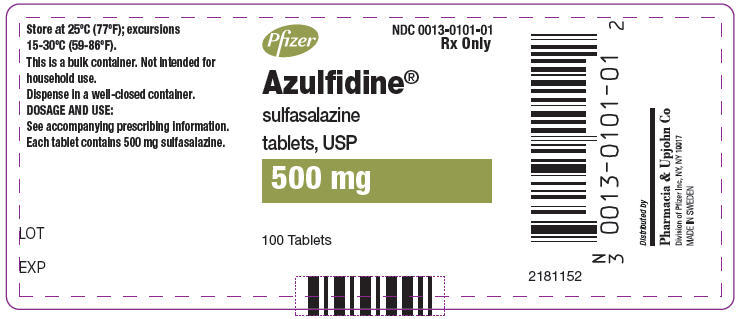
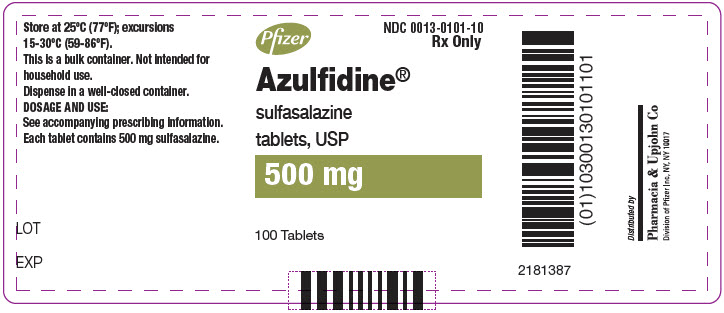
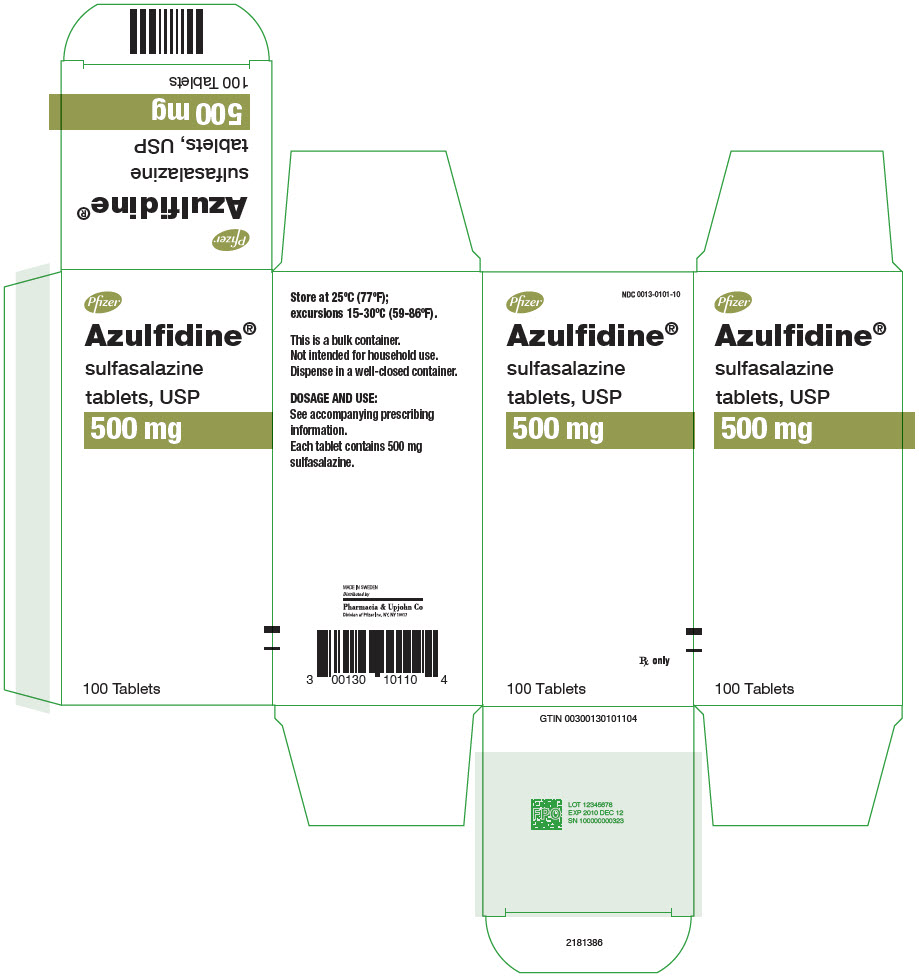
Brand Information
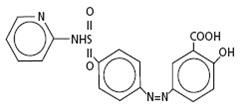
- in the treatment of mild to moderate ulcerative colitis, and as adjunctive therapy in severe ulcerative colitis; and
- for the prolongation of the remission period between acute attacks of ulcerative colitis.
- Patients with intestinal or urinary obstruction,
- Patients with porphyria as sulfonamides have been reported to precipitate an acute attack,
- Patients hypersensitive to sulfasalazine, its metabolites, sulfonamides, or salicylates.
- Mogadam M, et al. Pregnancy in inflammatory bowel disease: effect of sulfasalazine and corticosteroids on fetal outcome. Gastroenterology 1981;80:72–6.
- Kaufman DW, editor. Birth defects and drugs during pregnancy. Littleton, MA: Publishing Sciences Group, Inc, 1977: 296–313.
- Jarnerot G. Fertility, sterility and pregnancy in chronic inflammatory bowel disease. Scand J Gastroenterol 1982;17:1–4.
- Korelitz B, et al. Desensitization to sulfasalazine in allergic patients with IBD: an important therapeutic modality. Gastroenterology 1982;82:1104.
- Holdworth CG. Sulphasalazine desensitization. Br Med J 1981;282:110.
- Taffet SL, Das KM. Desensitization of patients with inflammatory bowel disease to sulfasalazine. Am J Med 1982;73:520–4.