Kadcyla
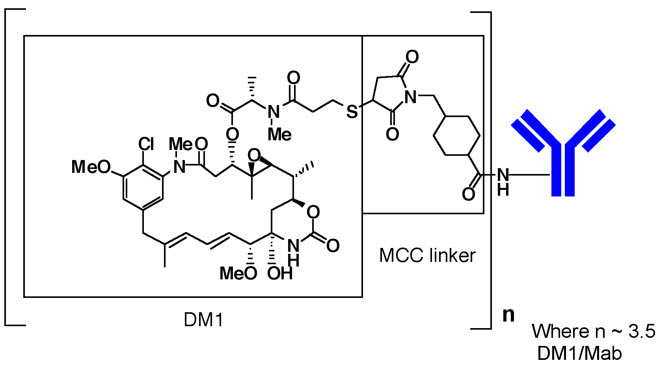
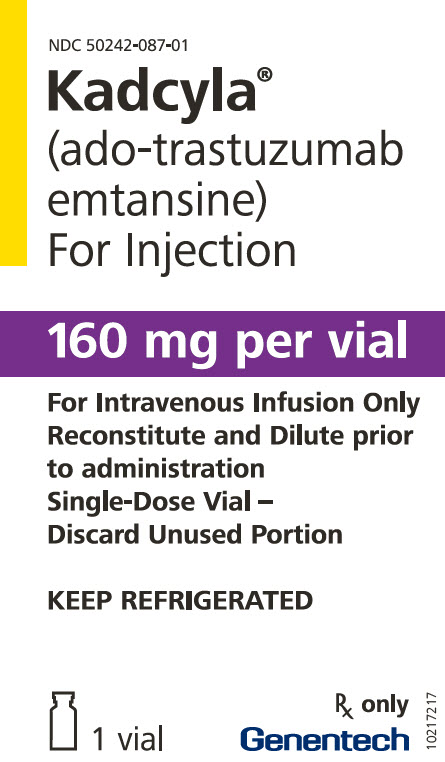
What is Kadcyla (Ado-Trastuzumab Emtansine)?
Approved To Treat
Top Global Experts


Related Clinical Trials
Summary: This is a Phase Ib/II, open-label, multicenter, randomized umbrella study in participants with breast cancer. The study is designed with the flexibility to open new treatment arms as new treatments become available, close existing treatment arms that demonstrate minimal clinical activity or unacceptable toxicity, or modify the patient population. Cohort 1 will focus on participants with inoperable...
Objective: To assess the treatment safety and effectiveness as measured by investigator criteria in metastatic breast cancer patients within the real-world setting treated with tucatinib in combination with trastuzumab and capecitabine according to standard local clinical practice following approved Summary of Product Characteristics (SmPC) indication and dose. The primary purpose of this study is to evaluat...
Summary: The purpose of this study is to further advance the ability to practice personalized medicine by learning which new drug agents are most effective with which types of breast cancer tumors and by learning more about which early indicators of response (tumor analysis prior to surgery via magnetic resonance imaging (MRI) images along with tissue and blood samples) are predictors of treatment success.
Related Latest Advances
Brand Information
- Hepatotoxicity: Serious hepatotoxicity has been reported, including liver failure and death in patients treated with KADCYLA. Monitor serum transaminases and bilirubin prior to initiation of KADCYLA treatment and prior to each KADCYLA dose. Reduce dose or discontinue KADCYLA as appropriate in cases of increased serum transaminases or total bilirubin. (
- Cardiac Toxicity: KADCYLA administration may lead to reductions in left ventricular ejection fraction (LVEF). Evaluate left ventricular function in all patients prior to and during treatment with KADCYLA. Withhold treatment for clinically significant decrease in left ventricular function. (
- Embryo-Fetal Toxicity: Exposure to KADCYLA during pregnancy can result in embryo-fetal harm. Advise patients of these risks and the need for effective contraception. (
- Hepatotoxicity
- Left Ventricular Dysfunction
- Embryo-Fetal Toxicity
- Pulmonary Toxicity
- Infusion-Related Reactions, Hypersensitivity Reactions
- Hemorrhage
- Thrombocytopenia
- Neurotoxicity