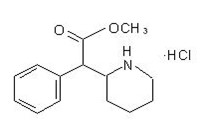
methYLphenidate
What is Relexxii (methYLphenidate)?
Living with Attention-Deficit/Hyperactivity Disorder (ADHD) or narcolepsy can be challenging, affecting focus, energy and daily functioning. For many individuals, the right medication can make a meaningful difference. Methylphenidate is one of the most widely prescribed treatments for ADHD and certain sleep disorders, helping patients regain control of attention, energy, and quality of life.
Methylphenidate belongs to a class of medicines called central nervous system (CNS) stimulants. It has been used for decades and is considered a first-line therapy for ADHD in both children and adults. When prescribed and monitored properly, it helps balance brain chemicals that regulate attention, impulse control and alertness, allowing patients to function more effectively in daily life.
What does Methylphenidate do?
Methylphenidate is primarily used to treat attention-deficit/hyperactivity disorder (ADHD) and narcolepsy, a sleep disorder characterized by excessive daytime sleepiness.
For people with ADHD, methylphenidate helps improve:
- Concentration and attention span
- Organization and task completion
- Impulse control and hyperactivity
It doesn’t cure ADHD but helps manage core symptoms, allowing children to perform better in school and adults to focus more effectively at work or in social settings.
In patients with narcolepsy, methylphenidate promotes wakefulness and helps reduce sudden sleep attacks during the day.
Clinical studies and decades of experience confirm that methylphenidate is effective and well-tolerated when used under medical supervision. Many patients notice improvements in focus and behavior within days of starting treatment (NIH, 2023).
How does Methylphenidate work?
Methylphenidate works by increasing the levels of two key neurotransmitters in the brain, dopamine and norepinephrine. These chemicals play major roles in regulating attention, motivation, and alertness.
In individuals with ADHD, these neurotransmitters may be underactive in certain brain regions. By blocking their reuptake (or reabsorption) into nerve cells, methylphenidate helps keep these signaling chemicals active longer. The result is improved communication between brain cells, which enhances focus and reduces impulsive behavior.
Clinically, this mechanism matters because it targets the neurochemical imbalance believed to underlie ADHD and certain sleep disorders. Unlike sedatives or mood stabilizers, methylphenidate helps the brain function more efficiently, improving attention without causing drowsiness.
There are immediate-release and extended-release formulations, which allow doctors to tailor treatment to a patient’s needs. Extended-release forms provide steady symptom control throughout the day, which can be especially useful for school-age children or working adults.
Methylphenidate side effects
Like all medications, methylphenidate can cause side effects, though not everyone experiences them. Most are mild and manageable with dose adjustments or monitoring.
Common side effects include:
- Decreased appetite or weight loss
- Trouble sleeping (insomnia)
- Nervousness or anxiety
- Stomach pain or nausea
- Headache or dizziness
Less common or serious side effects:
- Elevated heart rate or blood pressure
- Mood changes such as irritability or depression
- Tics or muscle twitches
- Rare allergic reactions (rash, swelling, difficulty breathing)
Seek immediate medical attention: If you experience chest pain, shortness of breath, fainting, or signs of an allergic reaction.
Who should avoid methylphenidate:
- Individuals with certain heart conditions or arrhythmias
- Those with a history of severe anxiety, agitation, or psychosis
- People taking monoamine oxidase inhibitors (MAOIs) or who have used them in the past two weeks
Your doctor may recommend regular monitoring of blood pressure, heart rate, and weight especially in children to ensure safe, long-term use.
When used properly, methylphenidate has a strong safety record and does not typically lead to addiction in patients with ADHD. However, because it is a controlled substance, it should be taken only as prescribed and never shared with others.
Methylphenidate dosage
Methylphenidate is available in tablet, capsule, liquid and transdermal patch forms. The exact formulation and dosing schedule depend on the patient’s age, condition, and how long symptom control is needed during the day.
- Immediate-release tablets typically act within minutes but last only a few hours.
- Extended-release or long-acting capsules provide steady medication levels for 8–12 hours, offering convenience for school or work schedules.
- Transdermal patches (e.g., Daytrana) deliver the drug through the skin for a consistent effect and may be preferred for children who struggle with pills.
Your healthcare provider may start with a low dose and gradually adjust based on your response and side effects.
Monitoring:
Doctors typically check:
- Heart rate and blood pressure to ensure cardiovascular safety
- Weight and appetite, particularly in children and adolescents
- Mood and sleep patterns to detect overstimulation or anxiety
These checkups help ensure methylphenidate continues to work safely and effectively.
Does Methylphenidate have a generic version?
Yes. Methylphenidate is available in several FDA-approved generic forms, which are considered as effective and safe as their brand-name counterparts.
Common brand names include:
- Ritalin (immediate-release tablets)
- Concerta (extended-release tablets)
- Daytrana (transdermal patch)
- Metadate and Methylin (various formulations)
Generic versions contain the same active ingredient and deliver identical therapeutic benefits, though minor differences in release patterns may exist between brands.
If cost or availability is a concern, patients can discuss generic alternatives or manufacturer assistance programs with their healthcare provider or pharmacist.
Conclusion
Methylphenidate remains one of the most trusted and effective medications for managing ADHD and narcolepsy. By enhancing attention, focus, and alertness, it helps individuals perform better academically, professionally, and socially.
While side effects can occur, most are manageable with careful dosing and regular medical supervision. Patients benefit most when methylphenidate is part of a comprehensive treatment plan that includes behavioral therapy, lifestyle support, and regular follow-up care.
When prescribed and monitored by a qualified healthcare provider, methylphenidate is a safe, effective, and empowering option that helps patients achieve better control of their symptoms and improve overall quality of life.
References
- Mayo Clinic. (2024). Methylphenidate (oral route): Uses, side effects, and precautions. https://www.mayoclinic.org/
- MedlinePlus. (2024). Methylphenidate: Drug information. https://medlineplus.gov/
- U.S. Food and Drug Administration (FDA). (2023). FDA-approved medications for ADHD. https://www.fda.gov/
- National Institutes of Health (NIH). (2023). Attention-deficit/hyperactivity disorder: Treatment overview. https://www.nih.gov/
Approved To Treat
Top Global Experts
There are no experts for this drug
Related Clinical Trials
There is no clinical trials being done for this treatment
Related Latest Advances
There is no latest advances for this treatment
Brand Information
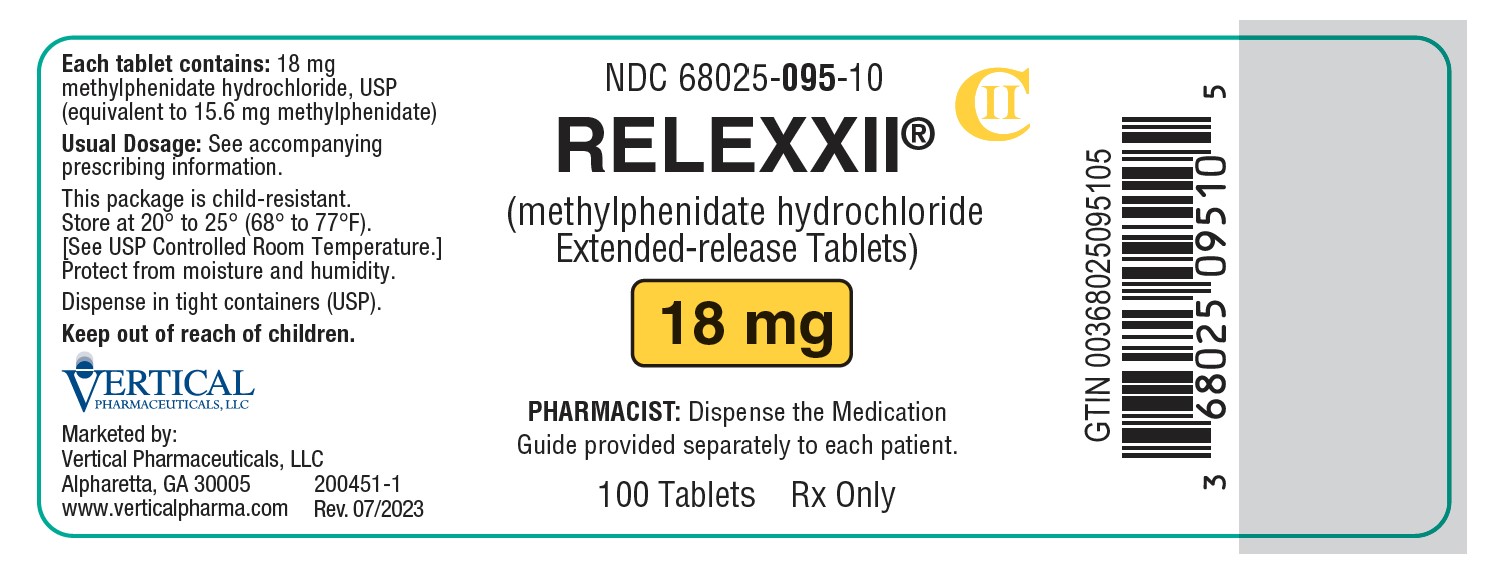
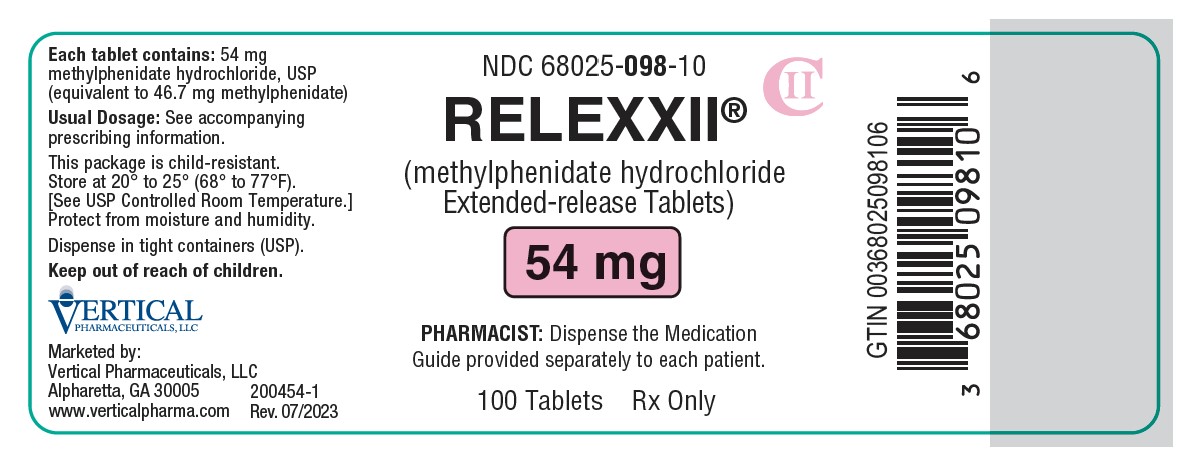
- 18 mg: yellow with “TL706” imprinted in black ink
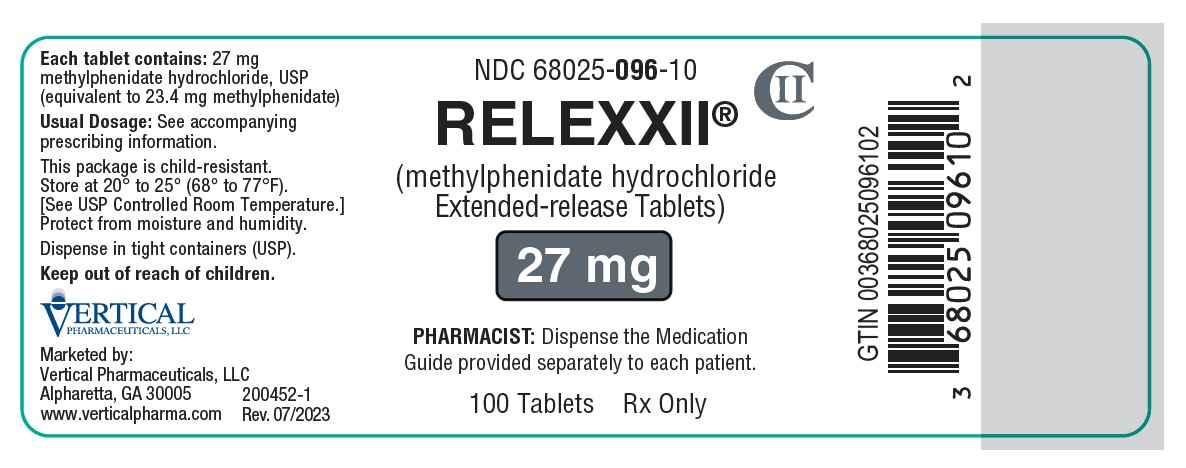
- 27 mg: gray with “TL707” imprinted in black ink
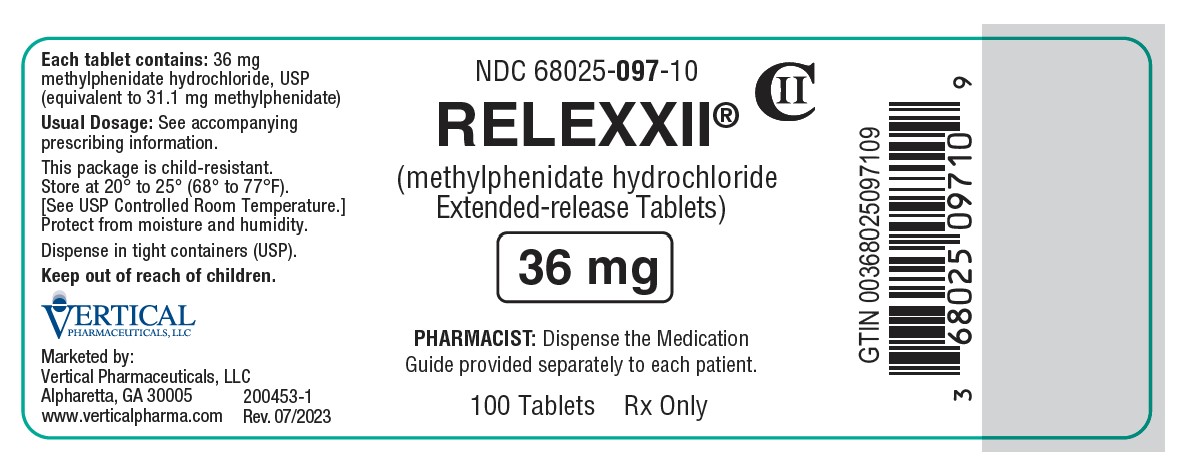
- 36 mg: white with “TL708” imprinted in black ink
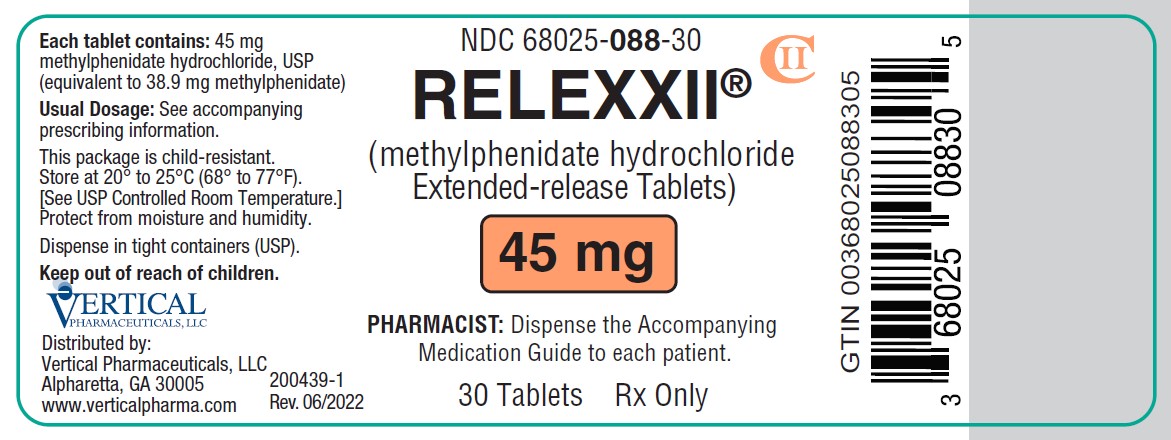
- 45 mg: pink with “TL711” imprinted in black ink
- 54 mg: pink with “TL709” imprinted in black ink
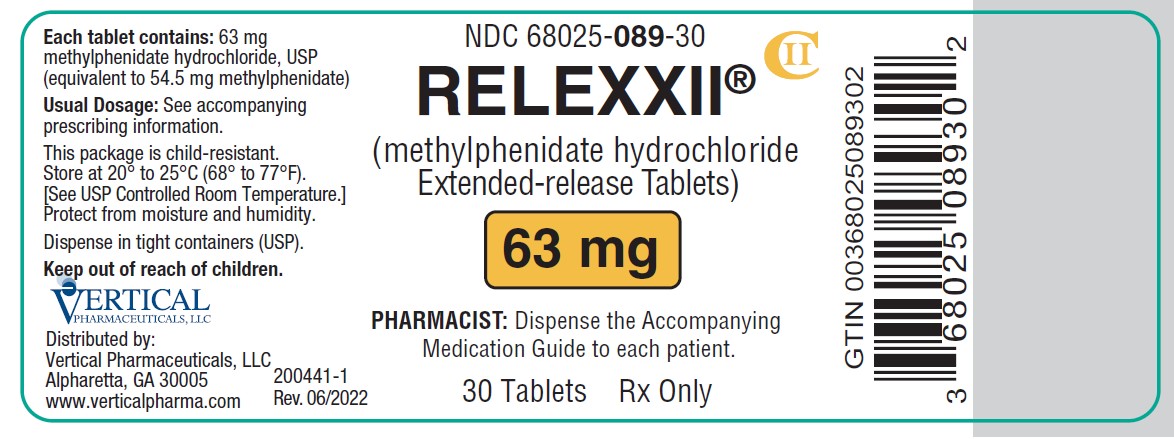
- 63 mg: orange with “TL700” imprinted in black ink and
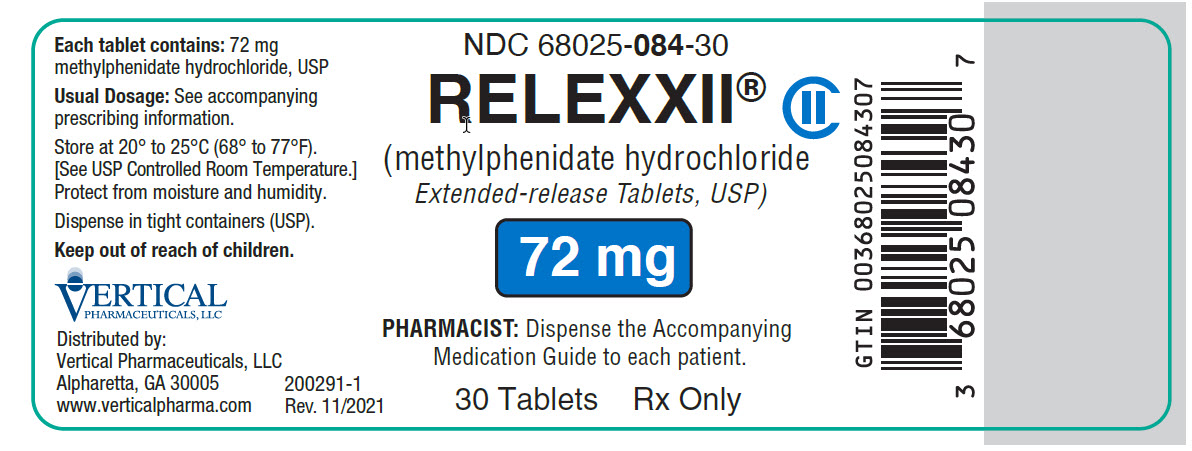
- 72 mg: blue with “TL710” imprinted in black ink.
- with a known hypersensitivity to methylphenidate or other components of RELEXXII. Hypersensitivity reactions such as angioedema and anaphylactic reactions have been reported in patients treated with other methylphenidate products
- receiving concomitant treatment with monoamine oxidase inhibitors (MAOIs), and also within 14 days following discontinuation of treatment with a MAOI, because of the risk of hypertensive crisis
- Abuse, Misuse, and Addiction
- Known hypersensitivity to methylphenidate or other ingredients
- Hypertensive crisis when used concomitantly with monoamine oxidase inhibitors
- Risks to Patients with Serious Cardiac Disease
- Increased Blood Pressure and Heart Rate
- Psychiatric Adverse Reactions
- Priapism
- Peripheral Vasculopathy, including Raynaud’s Phenomenon
- Long-Term Suppression of Growth in Pediatric Patients
- Potential for Gastrointestinal Obstruction
- Acute Angle Closure Glaucoma
- Increased Intraocular Pressure and Glaucoma
- Motor and Verbal Tics, and Worsening of Tourette’s Syndrome
- Pediatric patients 6 to 17 years: abdominal pain upper (see Table 4).
- Adults: decreased appetite, headache, dry mouth, nausea, insomnia, anxiety, dizziness, weight decreased, irritability, and hyperhidrosis (see Table 5).
- Cardiovascular effects including tachyarrhythmias, and hypertension or hypotension. Vasospasm, myocardial infarction, or aortic dissection may precipitate sudden cardiac death. Takotsubo cardiomyopathy may develop.
- CNS effects including psychomotor agitation, confusion, and hallucinations. Serotonin syndrome, seizures, cerebral vascular accidents, and coma may occur.
- Life-threatening hyperthermia (temperatures greater than 104°F) and rhabdomyolysis may develop.
- 18 mg yellow tablets with "TL706" imprinted in black ink
- 27 mg gray tablets with "TL707" imprinted in black ink
- 36 mg white tablets with "TL708" imprinted in black ink
- 45 mg pink tablets with "TL711" imprinted in black ink
- 54 mg pink tablets with "TL709" imprinted in black ink
- 63 mg orange tablets with "TL700" imprinted in black ink
- 72 mg blue tablets with "TL710" imprinted in black ink
- Instruct patients beginning treatment with RELEXXII about the risk of peripheral vasculopathy, including Raynaud’s phenomenon, and associated signs and symptoms: fingers or toes may feel numb, cool, painful, and/or may change color from pale, to blue, to red.
- Instruct patients to report to their healthcare provider any new numbness, pain, skin color change, or sensitivity to temperature in fingers or toes.
- Instruct patients to call their physician immediately with any signs of unexplained wounds appearing on fingers or toes while taking RELEXXII.
- Further clinical evaluation (e.g., rheumatology referral) may be appropriate for certain patients.