Brand Name

Siliq

Generic Name
Brodalumab
View Brand Information
FDA approval date: February 15, 2017
Classification: Interleukin-17 Receptor A Antagonist
Form: Injection

What is Siliq (Brodalumab)?

SILIQ ® is indicated for the treatment of moderate to severe plaque psoriasis in adult patients who are candidates for systemic therapy or phototherapy and have failed to respond or have lost response to other systemic therapies. SILIQ is a human interleukin-17 receptor A antagonist indicated for the treatment of moderate to severe plaque psoriasis in adult patients who are candidates for systemic therapy or phototherapy and have failed to respond or have lost response to other systemic therapies.

Approved To Treat

Save this treatment for later
Sign Up
Not sure about your diagnosis?
Check Your Symptoms

Related Clinical Trials

Safety and Efficacy of Brodalumab in the Treatment of Immune-Related Adverse Events: A Pilot Study

Summary: The purpose of this study is to test the safety and effectiveness of using brodalumab in patients who develop side effects from cancer immune therapy. Immune-related side effects are due to activation of the immune system in patients who previously received immunotherapy and the goal of this study is to help better control these side effects. Brodalumab is often used to treat patients with autoimm...

Evaluation of the Predictive Value of Early Serum Trough Concentrations and Anti-drug Antibodies of Brodalumab and the Development of Concentration-response Curve of Brodalumab of Psoriasis Patients.

Summary: Biologics, such as brodalumab, are currently the most effective treatment option for patients with moderate-to-severe psoriasis. But they are costly for health care systems and prescribed according to a 'one dose fits all' dosing regimen, leading to potential over- and undertreatment. Within this study we aim to investigate the predictive value of early serum trough levels of brodalumab and determ...

Brand Information

Siliq (Brodalumab)
WARNING: SUICIDAL IDEATION AND BEHAVIOR
Suicidal ideation and behavior, including completed suicides, have occurred in patients treated with SILIQ. Prior to prescribing SILIQ, weigh the potential risks and benefits in patients with a history of depression and/or suicidal ideation or behavior. Patients with new or worsening suicidal ideation and behavior should be referred to a mental health professional, as appropriate. Advise patients and caregivers to seek medical attention for manifestations of suicidal ideation or behavior, new onset or worsening depression, anxiety, or other mood changes [ 5.1)
Because of the observed suicidal behavior in subjects treated with SILIQ, SILIQ is available only through a restricted program under a Risk Evaluation and Mitigation Strategy (REMS) called the SILIQ REMS Program
1INDICATIONS AND USAGE
SILIQ
2DOSAGE FORMS AND STRENGTHS
Injection: 210 mg/1.5 mL solution in a single-dose prefilled syringe. SILIQ is a clear to slightly opalescent, colorless to slightly yellow solution.
3CONTRAINDICATIONS
SILIQ is contraindicated in patients with:
  • Crohn’s disease because SILIQ may cause worsening of disease [see Warnings and Precautions (
  • Clinically significant hypersensitivity to brodalumab or to any of the excipients in SILIQ or component of the container. Hypersensitivity reactions, including anaphylaxis, have been reported with postmarket use of SILIQ [see Warnings and Precautions (
4ADVERSE REACTIONS
The following serious adverse reactions are discussed in greater detail in other sections of labeling:
  • Suicidal Ideation and Behavior
  • Hypersensitivity Reactions
  • Infections [
  • Crohn’s Disease
4.1Clinical Trial Experience
Because clinical trials are conducted under widely varying conditions, adverse reaction rates observed in the clinical trials of a drug cannot be directly compared to rates in the clinical trials of another drug and may not reflect the rates observed in practice.
The overall safety population included 4,558 subjects (3,066 SILIQ, 613 ustekinumab, 879 placebo) in controlled clinical trials and open-label extension studies. The majority of subjects were male (69%), white (91%), and aged 40-64 years old (58%). One third of subjects reported previous biologic use prior to enrollment. Across the clinical development program, 4,464 subjects received at least one dose of SILIQ; 3,755 subjects were exposed to SILIQ for at least 1 year.
Weeks 0 to 12:
Data from one multicenter, randomized, placebo-controlled trial (Trial 1), two multicenter, randomized, placebo- and active-controlled trials (Trials 2 and 3), and one dose-finding trial (Trial 4) in plaque psoriasis were pooled to evaluate the safety of SILIQ (210 mg weekly at Weeks 0, 1, and 2, followed by treatments every 2 weeks [Q2W]) compared to placebo for up to 12 weeks after treatment initiation.
During the 12-week, randomized treatment period, about 1% of the subjects in the treatment groups (SILIQ, ustekinumab, and placebo) discontinued treatment because of adverse events. Adverse events leading to discontinuation of SILIQ included neutropenia, arthralgia, and urticaria. The proportion of subjects who developed serious adverse events was similar among the SILIQ, ustekinumab, and placebo groups.
Table 1summarizes the adverse reactions that occurred at a rate of at least 1% and at a higher rate in the SILIQ 210 mg Q2W group than in the placebo group during the 12-week randomized treatment period of the pooled trials.
Adverse reactions that occurred in less than 1% of subjects in the SILIQ group through Week 12 were conjunctivitis and candida infections (including oral [0.2%], genital [0.1%], and esophageal [0.1%] versus none in the placebo group).
Week 0 to End of Trial:
Through Week 52, exposure-adjusted rates of serious adverse events were similar between subjects treated with SILIQ and those treated with ustekinumab. Through the end of the trial, the exposure-adjusted rates of treatment-emergent serious adverse events were similar to those seen in the 52-week period in the subjects treated with SILIQ.
Specific Adverse Reactions:
Suicidal Ideation and Behavior
During the 12-week randomized treatment period in the pooled trials, one subject in the SILIQ group attempted suicide and none in the placebo or ustekinumab groups. From initiation through Week 52 of the trials, suicidal ideation or behavior occurred in 7 of 4,019 subjects (0.2 per 100 subject-years) treated with SILIQ and in 2 of 613 subjects (0.4 per 100 subject-years) treated with ustekinumab.
During the course of the clinical trials for plaque psoriasis, suicidal ideation or behavior occurred in 34 of 4,464 subjects treated with SILIQ (0.37 per 100 subject-years). Eight of the 10 subjects who attempted or completed suicide had a history of depression and/or suicidal ideation or behavior
Infections
During the 12-week randomized treatment period, infections occurred in 25.4% of the SILIQ group compared to 23.4% of the placebo group. The majority of infections consisted of nasopharyngitis, upper respiratory tract infection, pharyngitis, urinary tract infections, bronchitis, and influenza, and did not necessitate treatment discontinuation. The SILIQ group had a higher rate of fungal infections compared to the placebo group (1.8% vs 0.9%). The fungal infections were primarily non-serious skin and mucosal candida infections [
Neutropenia
During the 12-week randomized treatment period, neutropenia occurred in 0.7% of subjects in the SILIQ group. Most adverse reactions of neutropenia were transient. In subjects with normal absolute neutrophil count (ANC) at baseline, a reduction in ANC occurred in 6.8% of subjects in the SILIQ group, compared to 3.3% in the ustekinumab group, and 3.6% in the placebo group. Neutropenia ≥ Grade 3 (< 1,000/mm
4.2Immunogenicity
As with all therapeutic proteins, there is potential for immunogenicity with SILIQ. Approximately 3% of subjects treated with SILIQ developed antibodies to brodalumab through the 52-week treatment period. Of the subjects who developed antibodies to brodalumab, none had antibodies that were classified as neutralizing. However, the assay to test for neutralizing antibodies had limitations detecting neutralizing antibodies in the presence of brodalumab; therefore, the incidence of neutralizing antibody development could be underestimated.
The detection of antibody formation is highly dependent on the sensitivity and specificity of the assay. Additionally, the observed incidence of antibody (including neutralizing antibody) positivity in an assay may be influenced by several factors, including assay methodology, sample handling, timing of sample collection, concomitant medications, and underlying disease. For these reasons, comparison of the incidence of antibodies to SILIQ with the incidence of antibodies to other products may be misleading.
4.3Postmarketing Experience
The following adverse reactions have been identified during post-approval use of SILIQ. Because these reactions are reported voluntarily from a population of uncertain size, it is not always possible to reliably estimate their frequency or establish a causal relationship to drug exposure.
Immune System Disorders:Hypersensitivity reactions, anaphylaxis, including anaphylactic shock, pruritus, rashes, eczema, urticaria, and dermatitis [see Contraindications ( .
Skin and Subcutaneous Tissue Disorders: Eczematous eruptions (atopic dermatitis-like eruptions) [see Warnings and Precautions ( .
5DRUG INTERACTIONS
CYP450 Substrates
The formation of CYP450 enzymes can be altered by increased levels of certain cytokines (e.g., IL-1, IL-6, IL-10, TNFα, IFN) during chronic inflammation. Treatment with SILIQ may modulate serum levels of some cytokines.
Therefore, upon initiation or discontinuation of SILIQ in patients who are receiving concomitant drugs which are CYP450 substrates, particularly those with a narrow therapeutic index, consider monitoring for effect (e.g., for warfarin) or drug concentration (e.g., for cyclosporine) and consider dosage modification of the CYP450 substrate
6DESCRIPTION
Brodalumab is a human monoclonal IgG2κ antibody directed against human interleukin-17 receptor A (IL-17RA). It is expressed in a Chinese Hamster Ovary (CHO) cell line. Brodalumab is comprised of 1312 amino acids and has an estimated molecular mass of 144,000 Daltons.
SILIQ (brodalumab) injection is a sterile, preservative-free, clear to slightly opalescent, colorless to slightly yellow solution delivered via subcutaneous injection. SILIQ is supplied in a single-dose syringe made from type 1 glass with stainless steel 27G x ½” needle. Each SILIQ single-dose prefilled syringe delivers 1.5 mL of solution containing 210 mg of brodalumab formulated in glutamate (6.5 mg), polysorbate 20 (0.15 mg), proline (36 mg), and Water for Injection, USP at pH 4.8.
7CLINICAL STUDIES
Three multicenter, randomized, double-blind, controlled trials (Trials 1, 2, and 3) enrolled a total of 4373 subjects 18 years of age and older with at least a 6-month history of moderate to severe plaque psoriasis, defined as having a minimum affected body surface area (BSA) of 10%, a Psoriasis Area and Severity Index (PASI) score ≥ 12, a static Physician’s Global Assessment (sPGA) score ≥3 in the overall assessment (plaque thickness/induration, erythema, and scaling) of psoriasis on a severity scale of 0 to 5, and who were candidates for systemic therapy or phototherapy. In all three trials, subjects were randomized to subcutaneous treatment with placebo or SILIQ 210 mg at Weeks 0, 1, and 2, followed by treatments every 2 weeks [Q2W] through Week 12. In the two active comparator trials (Trials 2 and 3), subjects randomized to ustekinumab received a 45 mg dose if their weight was less than or equal to 100 kg and a 90 mg dose if their weight was greater than 100 kg at Weeks 0, 4, and 16, followed by the same dose every 12 weeks.
All three trials assessed the change from baseline to Week 12 compared to placebo in the two co-primary endpoints: 1) PASI 75, the proportion of subjects who achieved at least a 75% reduction in the PASI composite score that takes into consideration both the percentage of body surface area affected and the nature and severity of psoriatic changes (induration, erythema, and scaling) within the affected region, and 2) the proportion of subjects with an sPGA of 0 (clear) or 1 (almost clear), and at least a 2-point improvement from baseline. In Trials 2 and 3, comparisons were also made to ustekinumab for the primary endpoint of the proportion of subjects who achieved a reduction in PASI score of 100% (PASI 100) from baseline at Week 12.
Other evaluated outcomes included the proportion of subjects who achieved an sPGA of 0 (clear) at Week 12, and the proportion of subjects who achieved a Psoriasis Symptom Inventory (PSI) score of 0 (not at all) or 1 (mild) on every item (itch, redness, scaling, burning, stinging, cracking, flaking, and pain) at Week 12. Baseline demographics and disease characteristics were generally consistent across all treatment groups in all three trials. Subjects were predominantly men (69%) and white (91%), with a mean age of 45 years. The mean baseline body weight was 90.5 kg and 28% of subjects had body weight greater than 100 kg. The baseline PASI score ranged from 9.4 to 72 (median: 17.4) and the baseline- affected BSA ranged from 10 to 97% (median: 21%). Baseline sPGA scores ranged from “3 (moderate)” (58%) to “5 (very severe)” (5%).
Approximately 21% of subjects had a history of psoriatic arthritis. Approximately 30% of subjects had previously received a biologic therapy and 12% of subjects had failed previous biologic therapy.
Clinical Response at Week 12
The results of Trials 1, 2, and 3 are presented in
Examination of age, gender, race, use of prior systemic or phototherapy, and use of prior biologics did not identify differences in response to SILIQ among these subgroups.
At Week 12, compared to subjects in the placebo group, a greater proportion of subjects in SILIQ 210 mg Q2W group achieved a Psoriasis Symptom Inventory (PSI) score of 0 (not at all) or 1 (mild) on every item (itch, redness, scaling, burning, stinging, cracking, flaking, pain).
Maintenance of Effect
In Trial 1, subjects randomized to receive SILIQ and who were responders at Week 12 (i.e., sPGA of 0 or 1) were re-randomized to receive either placebo or SILIQ. Among responders at Week 12, 83% (69/83) of subjects re-randomized to continued treatment with SILIQ 210 mg Q2W maintained this response (sPGA of 0 or 1) at Week 52 compared to none (0/84) who were re-randomized to placebo and withdrawn from SILIQ. In addition, 87% (72/83) of subjects re-randomized to continued treatment with SILIQ 210 mg Q2W achieved PASI 75 response at Week 52 compared to none (0/84) who were re-randomized to placebo and withdrawn from SILIQ.
Trials 2 and 3 included a re-randomized phase during which subjects originally randomized to receive SILIQ during the first 12 weeks were re-randomized to one of four SILIQ regimens at the Week 12 visit and placebo subjects were crossed over to receive SILIQ 210 mg Q2W. Subjects receiving ustekinumab continued the same treatment until crossed over at Week 52 to SILIQ 210 mg Q2W. For sPGA 0 or 1 responders at Week 12, the percentage of subjects who maintained this response at Week 52 was 79% for subjects treated with SILIQ 210 mg Q2W. For PASI 100 responders at Week 12, 72% of the subjects who continued on SILIQ 210 mg Q2W maintained the response at Week 52.
8HOW SUPPLIED/STORAGE AND HANDLING
How Supplied
SILIQ
  • NDC 0187-0004-02: Carton of two 210 mg/1.5 mL single-dose prefilled syringes
Storage and Handling
  • Store refrigerated at 2°C to 8°C (36°F to 46°F) in the original carton to protect from light and physical damage during storage.
  • When necessary, prefilled syringes can be stored at room temperature up to a maximum of 77°F (25°C) in the original carton for a maximum single period of 14 days with protection from light and sources of heat. Once the prefilled syringe has reached room temperature, do not place back into the refrigerator. Discard after 14 days at room temperature.
  • Do not freeze.
  • Do not shake.
9PATIENT COUNSELING INFORMATION
Advise the patient to read the FDA-approved patient labeling (
Suicidal Thoughts and Behavior
Instruct patients and their caregivers to monitor for the emergence of suicidal thoughts and behavior and promptly seek medical attention if the patient experiences suicidal thoughts, new or worsening depression, anxiety, or other mood changes
Instruct patients to carry the wallet card provided and to call the National Suicide Prevention Lifeline at 1-800-273-8255 if they experience suicidal thoughts.
SILIQ REMS Program
Because of the observed suicidal thoughts and behavior in subjects treated with SILIQ, SILIQ is available only through a restricted program called the SILIQ REMS Program
  • Patients must enroll in the program
  • Patients will be given a SILIQ Patient Wallet Card that they should carry with them at all times. This card describes symptoms which, if experienced, should prompt the patient to immediately seek medical evaluation. Advise the patient to show the SILIQ Patient Wallet Card to other treating healthcare providers.
SILIQ is available only from certified pharmacies participating in the program. Therefore, provide patients with the telephone number and website for information on how to obtain the product.
Hypersensitivity Reactions
Advise patients to seek immediate medical attention if they experience any symptoms of serious hypersensitivity reactions
Infections
Inform patients that SILIQ may lower the ability of their immune system to fight infections. Instruct patients of the importance of communicating any history of infections to their healthcare providers and to contact their healthcare providers if they develop any signs or symptoms of infection [
Eczematous Eruptions
Inform patients that skin reactions resembling eczema may occur with the use of SILIQ. Instruct patients to seek medical advice if they develop signs or symptoms of eczema
Crohn’s Disease
Instruct patients to seek medical advice if they develop signs and symptoms of Crohn’s disease [
Immunization
Instruct patients to inform their healthcare provider that they are taking SILIQ prior to a potential vaccination
Instructions for Injection
Instruct the patient to perform the first self-injection under the guidance and supervision of a qualified healthcare professional for proper training in subcutaneous injection technique.
Instruct patients who are self-administering to inject the full dose of SILIQ
Instruct patients or caregivers in the technique of proper syringe and needle disposal
Distributed by:
Bausch Health US, LLC
Bridgewater, NJ 08807 USA
Manufactured by:
Bausch Health Ireland, Limited
Dublin, Leinster, Ireland 24
U.S. License Number: 2365
Patented. See https://patents.ortho-dermatologics.com for US patent information.
SILIQ is a trademark of Bausch Health Companies Inc. or its affiliates.
© 2024 Bausch Health Companies Inc. or its affiliates
9643802
10Medication Guide
This Medication Guide has been approved by the U.S. Food and Drug Administration. Revised: 08/2024
Instructions for Use
SILIQ is supplied as a single-dose prefilled syringe. Each prefilled syringe contains one 210 mg dose of SILIQ.
Your healthcare provider has prescribed SILIQ and will tell you how often it should be injected. If your healthcare provider decides that you or a caregiver may be able to give your injections of SILIQ at home, you should receive training on the right way to prepare and inject SILIQ. Do not try to inject yourself until you have been shown the right way to give the injections by your healthcare provider.
Read all of the instructions before using the SILIQ prefilled syringe. Call your healthcare provider if you or your caregiver have any questions about the right way to inject SILIQ.
INSTRUCTIONS FOR USE
Siliq
(brodalumab)
Injection, for subcutaneous use
Single-Dose Prefilled Syringe
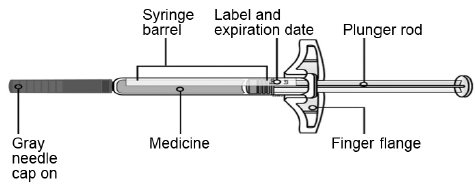
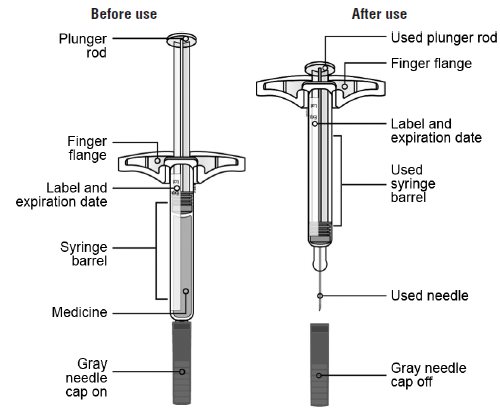
Guide to parts
Singledose PFS
Important:Needle is inside the gray needle cap.
Important
Storing your SILIQ prefilled syringe
  • Store SILIQ prefilled syringe in the refrigerator at 36°F to 46°F (2°C to 8°C) in the original carton to protect from light and physical damage.
  • If needed, SILIQ prefilled syringe may be stored at room temperature up to 77°F (25°C) for up to 14 days.
  • Throw away SILIQ prefilled syringe that has been stored at room temperature after 14 days.
  • Protect SILIQ prefilled syringe from heat.
  • Do notfreeze.
  • Do notshake.
  • Keep SILIQ prefilled syringe in the original carton to protect from light and physical damage.
  • Keep SILIQ prefilled syringe and all medicines out of the reach of children.
Using your SILIQ prefilled syringe
  • It is important that you do not try to give the injection unless you or your caregiver has received training from your healthcare provider.
  • Do notuse a SILIQ prefilled syringe after the expiration date on the label.
  • Do notshake the SILIQ prefilled syringe.
  • Do notremove the gray needle cap from the SILIQ prefilled syringe until you are ready to inject.
  • Do notuse a SILIQ prefilled syringe if it has been dropped on a hard surface. Part of the SILIQ prefilled syringe may be broken even if you cannot see the break. Use a new SILIQ prefilled syringe, and call 1-800-321-4576.
Step 1: Prepare
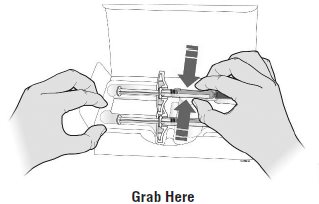
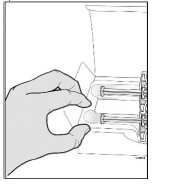
A Remove one SILIQ prefilled syringe from the package.
Grab the syringe by the barrel to remove the prefilled syringe from the tray.
Step A
Place your finger or thumb
on the edge of the tray to
hold it while you remove
the prefilled syringe.
Put the original package with any unused prefilled syringes back in the refrigerator.
For safety reasons:
  • Do notgrab the plunger rod.
  • Do notgrab the gray needle cap.
  • Do notremove the gray needle cap until you are ready to inject.
Wait about 30 minutes to let the prefilled syringe warm to room temperature before you use it.
  • Do notput the prefilled syringe back in the refrigerator after it has reached room temperature.
  • Do nottry to warm the prefilled syringe by using a heat source such as hot water or microwave.
  • Do notleave the prefilled syringe in direct sunlight.
  • Do notshake the prefilled syringe.
Important: Always hold the prefilled syringe by the syringe barrel.
B Inspect the SILIQ prefilled syringe.
Step 1-B
Make sure the medicine in the prefilled syringe is clear and colorless to slightly yellow.
  • Do notuse the syringe if:
  • The medicine is cloudy or discolored or contains flakes or particles.
  • Any part appears cracked or broken.
  • The gray needle cap is missing or not securely attached.
  • The expiration date printed on the label has passed.
In all cases, use a new prefilled syringe, and call 1-800-321-4576.
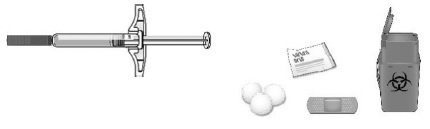
C Gather all materials needed for your injection.
Wash your hands thoroughly with soap and water.
On a clean, well-lit work surface, place the:
  • Prefilled syringe
  • Alcohol wipes
  • Cotton ball or gauze pad
  • Adhesive bandage
  • Sharps disposal container
Figure C
D Prepare and clean your injection site.
You can use:
  • Your thigh
  • Stomach area (abdomen), except for a
  • Outer area of upper arm (only if someone else is giving you the injection)
Step D
Clean your injection site with an alcohol wipe. Let your skin dry.
  • Do nottouch this area again before injecting.
  • Choose a different site each time you give yourself an injection. If you want to use the same injection site, make sure it is not the same spot on the injection site that you used for a previous injection.
  • Do notinject into areas where the skin is tender, bruised, red, or hard. Avoid injecting into areas with scars or stretch marks.
  • Avoid injecting directly into raised, thick, red, or scaly skin patch or lesion.

Step 2: Get ready
EPull the gray needle cap straight off and away from your body when you are ready to inject.
Step E
It is normal to see a drop of liquid at the end of the needle.
  • Do nottwist or bend the gray needle cap.
  • Do notput the gray needle cap back onto the prefilled syringe.
  • Do notremove the gray needle cap from the prefilled syringe until you are ready to inject.
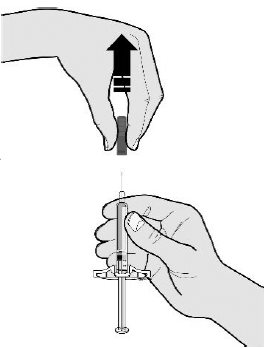
Important:Throw the needle cap into the sharps disposal container provided.
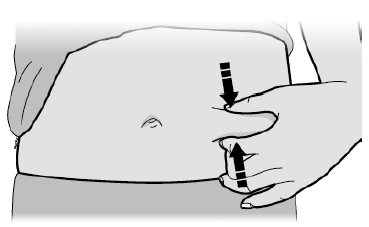
F Pinch your injection site to create a firm surface.
Step F
Pinch skin firmly between your thumb and fingers, creating an area about
Important:Keep skin pinched while injecting.
Step 3: Inject
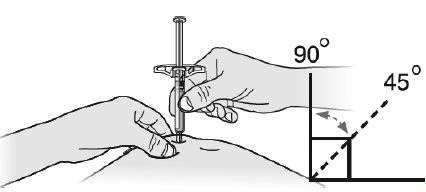
GHold the pinch. Insert the needle into your skin at 45 to 90 degrees.
Step 3-G
Do notplace your finger on the plunger rod while inserting the needle.
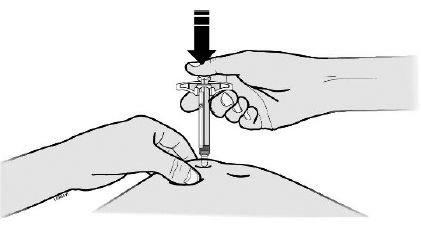
HUsing slow and constant pressure, push the plunger rod all the way down until it reaches the bottom.
Step 3-H
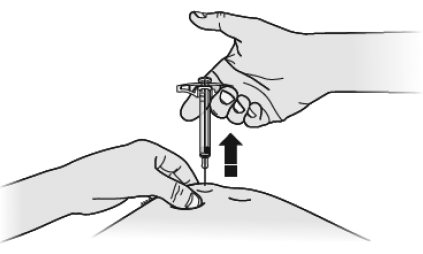
IWhen done, release your thumb, and gently lift the syringe and pull the needle out of your skin.
Step 3-I
JInspect the syringe. If there is still medicine in the syringe barrel, this means you have not received a full dose. Call your healthcare provider right away.
Step 4: Finish
KDiscard (throw away) the used syringe.
figure k
  • Put the used SILIQ syringe in an FDA-cleared sharps disposal container right away after use.
  • If you do not have an FDA-cleared sharps disposal container, you may use a household container that is:
  • made of a heavy-duty plastic,
  • can be closed with a tight-fitting, puncture-resistant lid, without sharps being able to come out,
  • upright and stable during use,
  • leak-resistant, and
  • properly labeled to warn of hazardous waste inside the container.
  • When your sharps disposal container is almost full, you will need to follow your community guidelines for the right way to dispose of your sharps disposal container. There may be state or local laws about how you should throw away used needles and syringes. For more information about safe sharps disposal, and for specific information about sharps disposal in the state that you live in, go to the FDA’s website at:
  • Do notreuse the syringe.
  • Do notrecycle the syringe or sharps disposal container or throw them into household trash.
Important:Always keep the sharps disposal container out of the reach of children.
L Examine the injection site.
If there is blood, press a cotton ball or gauze pad on your injection site.
Distributed by:
Bausch Health US, LLC
Bridgewater, NJ 08807 USA
Manufactured by:
Bausch Health Ireland, Limited
Dublin, Leinster, Ireland 24
U.S. License Number: 2365
Patented. See https://patents.ortho-dermatologics.com for US patent information.
SILIQ is a trademark of Bausch Health Companies Inc. or its affiliates.
© 2024 Bausch Health Companies Inc. or its affiliates
For more information, go to www.SILIQ.com or call Bausch Health US, LLC at 1-800-321-4576.
This Instructions for Use has been approved by the U.S. Food and Drug Administration.
9643802 Revised: 08/2024
11PACKAGE/LABEL PRINCIPAL DISPLAY PANEL
carton

Contains 2 Single-Dose Prefilled Syringes

NDC0187-0004-02

SILIQ ®
(brodalumab)
Injection
210 mg/1.5 mL
For Subcutaneous Use Only
See package insert for dosing
ATTENTION: Dispense with enclosed Medication Guide.
Sterile Solution – No Preservative
KEEP OUT OF REACH OF CHILDREN.
Rx only