Generic Name

Leflunomide

Brand Names
Lefluniclo, Arava
FDA approval date: September 10, 1998
Classification: Antirheumatic Agent
Form: Tablet, Kit

What is Lefluniclo (Leflunomide)?

Leflunomide tablets is indicated for the treatment of adults with active rheumatoid arthritis . Leflunomide tablets are a pyrimidine synthesis inhibitor indicated for the treatment of adults with active rheumatoid arthritis.
Save this treatment for later
Sign Up
Not sure about your diagnosis?
Check Your Symptoms

Related Clinical Trials

A Phase 1b Study of Gemcitabine and Leflunomide in Patients With Unresectable Pancreatic Cancer

Summary: This phase Ib trial tests the safety, side effects, and best dose of leflunomide in combination with gemcitabine in treating patients with pancreatic cancer that may have spread from where it first started to nearby tissue, lymph nodes, or distant parts of the body (advanced) and cannot be removed by surgery (unresectable). Improving the effectiveness of gemcitabine without increasing side effects...

Treatment Strategies for IgG4-RD Patients With Superficial Organ Involvement

Summary: This study has been designed as a 12-month, open-label randomized controlled clinical trial. The study aims to compare the efficacy and safety of two treatment strategies in IgG4-RD patients with superficial organ involvement: prednisone plus iguratimod and prednisone plus leflunomide.

Evaluation of the Effect of Vitamin E (α-tocopherol) Supplementation on Clinical Activity and Inflammation in Patients With Rheumatoid Arthritis

Summary: The objective of this clinical trial is to determine whether α-tocopherol (vitamin E) supplementation decreases inflammation and clinical activity in patients with rheumatoid arthritis (RA).The main questions to be answered are: * Is supplementation with vitamin E (α-tocopherol) for one month associated with decreased clinical activity and inflammation in patients with RA? Researchers will compare...

Brand Information

    Lefluniclo (Leflunomide and Diclofenac Sodium Gel)
    WARNING: EMBRYO-FETAL TOXICITY and HEPATOTOXICITY
    Embryo-Fetal Toxicity
    Leflunomide tablet is contraindicated for use in pregnant women because of the potential for fetal harm. Teratogenicity and embryo-lethality occurred in animals administered leflunomide at doses lower than the human exposure level. Exclude pregnancy before the start of treatment with leflunomide tablets in females of reproductive potential. Advise females of reproductive potential to use effective contraception during leflunomide tablets treatment and during an accelerated drug elimination procedure after leflunomide tablets treatment. Stop leflunomide tablets and use an accelerated drug elimination procedure if the patient becomes pregnant. [see Contraindications (4), Warnings and Precautions (5.1, 5.3), Use in Special Populations (8.1, 8.3)], and Clinical Pharmacology (12.3)]
    Hepatotoxicity
    Severe liver injury, including fatal liver failure, has been reported in patients treated with leflunomide tablets. Leflunomide tablet is contraindicated in patients with severe hepatic impairment. Concomitant use of leflunomide tablets with other potentially hepatotoxic drugs may increase the risk of liver injury. Patients with pre-existing acute or chronic liver disease, or those with serum alanine aminotransferase (ALT) >2xULN before initiating treatment, are at increased risk and should not be treated with leflunomide tablets. Monitor ALT levels at least monthly for six months after starting leflunomide tablets, and thereafter every 6 to 8 weeks. If leflunomide-induced liver injury is suspected, stop leflunomide tablets treatment, start an accelerated drug elimination procedure, and monitor liver tests weekly until normalized. [see Contraindications (4), Warnings and Precautions (5.2, 5.3), Use in Special Populations (8.6)]
    1LEFLUNICLO DESCRIPTION
    LEFFLUNICLO is supplied as 2 components in a kit:
    1 BOTTLE OF LEFLUNOMIDE TABLETS USP; 20MG (30 TABLETS) White to off-white, round film coated tablet, debossed with "L" on one side and "A5" on the other side.
    1 TUBE OF DICLOFENAC SODIUM (NSAID*) 1% (equivalent to 0.93% diclofenac), 100 g TUBE.
    2INDICATION AND USAGE
    For the treatment of adults with active rheumatoid arthritis (RA). For the temporary relief of arthritis pain.
    3DOSAGE AND ADMINISTRATION
    SEE PRESCRIBING DIRECTIONS FOR EACH COMPONENT CONTAINED IN THIS KIT
    Take one leflunimide 20 mg once daily. The maximum recommended daily dosage is 20 mg once per day.
    Apply 2-4 grams of diclofenac 1% gel to treated area as needed up to 4 times per day. Do not usea on more than 2 body areas at the same time. 
    4CONTRADICTIONS
    Do not use if known hypersensitivity to any of the listed ingredients of any of the components included on the kit.
    5PRECAUTIONS
    Keep this and all other medications out of the reach of children. Please read all precautions of each component within this kit. 
    5.1PREGNANCY
    If pregnant or breast feeding, ask a health professional before use.
    6Leflunomide 20mg
    RX Only
    7DOSAGE FORMS AND STRENGTHS
    Tablets: 20 mg, supplied as Yellow colour, film coated, round shaped tablet, debossed with "L" on one side and "A5" on the other side
    8CONTRAINDICATIONS
    Leflunomide tablet is contraindicated in:
    9ADVERSE REACTIONS
    The following serious adverse reactions are described elsewhere in the labeling:
    9.1Clinical Trials Experience
    Because clinical studies are conducted under widely varying conditions, adverse reaction rates observed in the clinical studies of a drug cannot be directly compared to rates in the clinical studies of another drug and may not reflect the rates observed in practice.
    In a 6 month study of 263 patients with persistent active rheumatoid arthritis despite methotrexate therapy, and with normal LFTs, leflunomide tablets was administered to a group of 130 patients starting at 10 mg per day and increased to 20 mg as needed. An increase in ALT greater than or equal to three times the ULN was observed in 3.8% of patients compared to 0.8% in 133 patients continued on methotrexate with placebo.
    10DRUG INTERACTIONS
    Following oral administration, leflunomide is metabolized to an active metabolite, teriflunomide, which is responsible for essentially all of leflunomide's in vivo activity. Drug interaction studies have been conducted with both leflunomide and with its active metabolite, teriflunomide, where the metabolite was directly administered to the test subjects.
    Effect on CYP2C8 substrates
    11OVERDOSAGE
    There have been reports of chronic overdose in patients taking leflunomide tablets at daily dose up to five times the recommended daily dose and reports of acute overdose in adults and children.  Adverse events were consistent with the safety profile for leflunomide tablets
    In the event of a significant overdose or toxicity, perform an accelerated drug elimination procedure to accelerate elimination
    Studies with both hemodialysis and CAPD (chronic ambulatory peritoneal dialysis) indicate that teriflunomide, the primary metabolite of leflunomide, is not dialyzable
    12DESCRIPTION
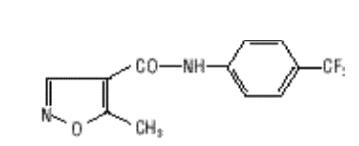
    Leflunomide USP is a pyrimidine synthesis inhibitor. The chemical name for leflunomide is N-(4´-trifluoromethylphenyl)-5-methylisoxazole-4-carboxamide.  It has an empirical formula C
    Image
    Leflunomide USP is available for oral administration as film coated tablets containing 10, 20 mg of active drug.  Combined with leflunomide are the following inactive ingredients: colloidal silicon dioxide, crospovidone, hypromellose, lactose monohydrate, magnesium stearate, corn starch, HPMC 2910/Hypromellose USP (6 mPas), Titanium Dioxide USP, Macrogol/PEG 6000 NF, Talc USP and Iron Oxide Yellow NF (20 mg tablet only).
    13CLINICAL STUDIES
    The efficacy of leflunomide tablets in the treatment of rheumatoid arthritis (RA) was demonstrated in three controlled trials showing reduction in signs and symptoms, and inhibition of structural damage. In two placebo controlled trials, efficacy was demonstrated for improvement in physical function.  In these trials, efficacy was evaluated by:
    1.      Reduction of signs and symptoms
    Relief of signs and symptoms was assessed using the American College of Rheumatology (ACR) 20 Responder Index, a composite of clinical, laboratory, and functional measures in rheumatoid arthritis.  An "ACR20 Responder" is a patient who had ≥ 20% improvement in both tender and swollen joint counts and in 3 of the following 5 criteria: physician global assessment, patient global assessment, functional ability measure [Modified Health Assessment Questionnaire (MHAQ)], visual analog pain scale, and erythrocyte sedimentation rate or C-reactive protein. An "ACR20 Responder at Endpoint" is a patient who completed the study and was an ACR20 Responder at the completion of the study.
    2.      Inhibition of structural damage
    Inhibition of structural damage compared to control was assessed using the Sharp Score, a composite score of X-ray erosions and joint space narrowing in hands/wrists and forefeet.
    3.      Improvement in physical function
    Improvement in physical function was assessed using the Health Assessment Questionnaire (HAQ) and the Medical Outcomes Survey Short Form (SF-36).In all leflunomide tablets trials, participants of at least 18 years of age and in ARA functional class of I, II or III received an initial loading dosage of 100 mg leflunomide per day for three days, followed by 20 mg per day thereafter.
    Exclusion criteria included patients with a history of hypersensitivity to the study medication; women who were pregnant or breast feeding and men or women of child bearing age and potential who had not received contraceptives for at least 4 weeks before entering the study and to be maintained throughout the study and for at least 6 months after discontinuing treatment; patients with a history of inflammatory disease, impaired renal function or liver impairment, cardiac failure, congenital or acquired immunodeficiency, impaired coagulation, or a history of recent major traumatic injury; patients taking intra-articular or systemic concomitant medications which could affect the safety and/or efficacy of the study medication.
    Trial 1
    Trial 1, a 2 year study, randomized 482 patients with active RA of at least 6 months duration to leflunomide 20 mg/day (n=182), methotrexate 7.5 mg/week increasing to 15 mg/week (n=182), or placebo (n=118). All patients received folate 1 mg BID.  The primary analysis was at 52 weeks with blinded treatment to 104 weeks.
    Overall, 235 of the 508 randomized treated patients (482 in primary data analysis and an additional 26 patients), continued into a second 12 months of double-blind treatment (98 leflunomide, 101 methotrexate, 36 placebo).  Leflunomide dose continued at 20 mg/day and the methotrexate dose could be increased to a maximum of 20 mg/week.  In total, 190 patients (83 leflunomide, 80 methotrexate, 27 placebo) completed 2 years of double-blind treatment.
    Trial 2
    Trial 2 randomized 358 patients with active RA to leflunomide 20 mg/day (n=133), sulfasalazine 2.0 g/day (n=133), or placebo (n=92).  Treatment duration was 24 weeks.  An extension of the study was an optional 6-month blinded continuation of Trial 2 without the placebo arm, resulting in a 12-month comparison of leflunomide and sulfasalazine.
    Of the 168 patients who completed 12 months of treatment , 146 patients (87%) entered a 1-year extension study of double blind active treatment; (60 leflunomide, 60 sulfasalazine, 26 placebo/ sulfasalazine).  Patients continued on the same daily dosage of leflunomide or sulfasalazine that they had been taking at the completion of Trial 2.  A total of 121 patients (53 leflunomide, 47 sulfasalazine, 21 placebo/sulfasalazine) completed the 2 years of double-blind treatment.
    Trial 3
    Trial 3 randomized 999 patients with active RA to leflunomide 20 mg/day (n=501) or methotrexate at 7.5 mg/week increasing to 15 mg/week (n=498).  Folate supplementation was used in 10% of patients.  Treatment duration was 52 weeks.
    Of the 736 patients who completed 52 weeks of treatment in study Trial 3, 612 (83%) entered the double-blind, 1-year extension study (292 leflunomide, 320 methotrexate). Patients continued on the same daily dosage of leflunomide or methotrexate that they had been taking at the  completion of Trial 3. There were 533 patients (256 leflunomide, 277 methotrexate) who completed 2 years of double-blind treatment.
    Clinical Trial Results
    Clinical Response
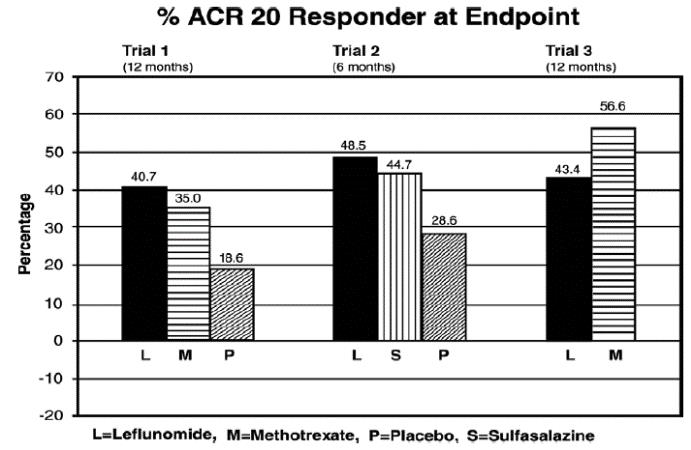
    The ACR20 Responder at Endpoint rates are shown in Figure 1. Leflunomide tablets was statistically significantly superior to placebo in reducing the signs and symptoms of RA by the primary efficacy analysis, ACR20 Responder at Endpoint, in study Trial 1 (at the primary 12 months endpoint) and Trial 2 (at 6 month endpoint).  ACR20 Responder at Endpoint rates with leflunomide tablets treatment were consistent across the 6 and 12 month studies (41 to 49%). No consistent differences were demonstrated between leflunomide and methotrexate or between leflunomide and sulfasalazine. Leflunomide tablets treatment effect was evident by 1 month, stabilized by 3 to 6 months, and continued throughout the course of treatment as shown in Figure 1.
    Figure 1. Percentage of ACR20 Responders at Endpoint in Patients with Active RA in Trials 1, 2, and 3
    Image
    Figure 2. ACR20 Responders over Time in Patients with Active RA in Trial 1*
    ACR50 and ACR70 Responders are defined in an analogous manner to the ACR 20 Responder, but use improvements of 50% or 70%, respectively (Table 3). Mean change for the individual components of the ACR Responder Index are shown in Table 4.
    Table 4 shows the results of the components of the ACR response criteria for Trial 1, Trial 2 and Trial 3.  Leflunomide tablets was significantly superior to placebo in all components of the ACR Response criteria in study Trial 1 and Trial 2.  In addition, leflunomide tablets was significantly superior to placebo in improving morning stiffness, a measure of RA disease activity, not included in the ACR Response criteria.  No consistent differences were demonstrated between leflunomide tablets and the active comparators.
    Maintenance of effect
    After completing 12 months of treatment, patients continuing on study treatment were evaluated for an additional 12 months of double-blind treatment (total treatment period of 2 years) ,. ACR Responder rates at 12 months were maintained over 2 years in most patients continuing a second year of treatment.
    Improvement from baseline in the individual components of the ACR responder criteria was also sustained in most patients during the second year of leflunomide tablets treatment in all three trials.
    Radiographic Response
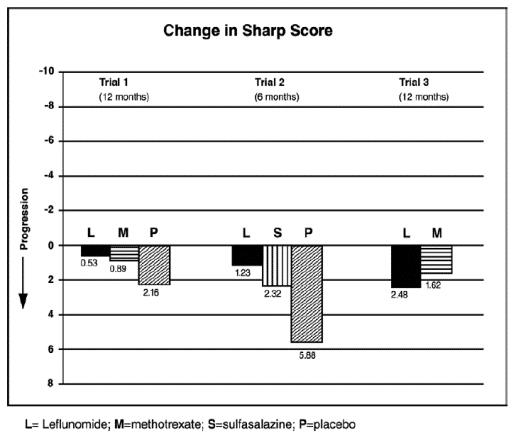
    The change from baseline to endpoint in progression of structural disease, as measured by the Sharp X-ray score, is displayed in Figure 3.  Leflunomide tablets was statistically significantly superior to placebo in inhibiting the progression of disease by the Sharp Score. No consistent differences were demonstrated between leflunomide and methotrexate or between leflunomide and sulfasalazine.
    Figure 3. Change in Sharp Score in Patients with Active RA in Trials 1, 2, and 3
    Image
    Physical Function Response
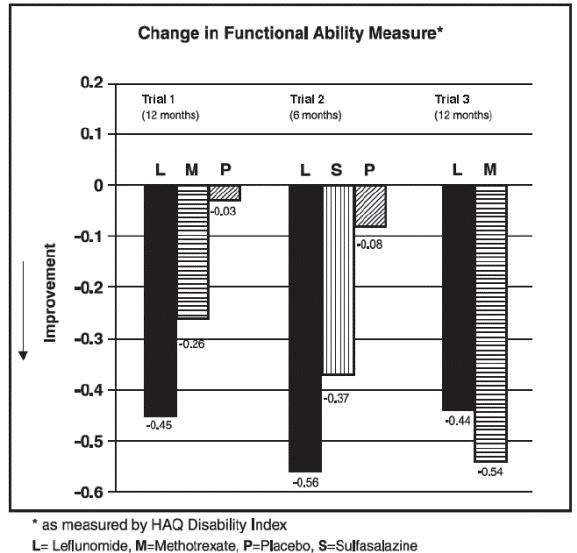
    The Health Assessment Questionnaire (HAQ) assesses a patient's physical function and degree of disability.  The mean change from baseline in functional ability as measured by the HAQ Disability Index (HAQ DI) in the 6 and 12 month placebo and active controlled trials is shown in Figure 4. Leflunomide tablets was statistically significantly superior to placebo in improving physical function. Superiority to placebo was demonstrated consistently across all eight HAQ DI subscales (dressing, arising, eating, walking, hygiene, reach, grip and activities) in both placebo controlled studies.
    The Medical Outcomes Survey Short Form 36 (SF-36), a generic health-related quality of life questionnaire, further addresses physical function.  In Trial 1, at 12 months, leflunomide tablets provided statistically significant improvements compared to placebo in the Physical Component Summary (PCS) Score.
    Figure 4. Change in Functional Ability Measure in Patients with Active RA in Trials 1, 2, and 3
    Image
    Maintenance of effect
    The improvement in physical function demonstrated at 6 and 12 months was maintained over two years.  In those patients continuing therapy for a second year, this improvement in physical function as measured by HAQ and SF-36 (PCS) was maintained.
    14HOW SUPPLIED/STORAGE AND HANDLING
    How Supplied
    Leflunomide tablets USP; 10 mg and 20 mg
    Store at 20°C to 25°C (68°F to 77°F); excursions permitted to 15°C to 30°C (59°F to 86°F) [see USP Controlled Room Temperature]. Protect from light.
    15PATIENT COUNSELING INFORMATION
    Embryo-Fetal Toxicity
    Advise females of reproductive potential
    • Of the potential for fetal harm if leflunomide tablets are taken during pregnancy.
    • To notify their healthcare provider immediately if a pregnancy occurs or is suspected.
    • To use effective contraception during treatment with leflunomide tablets and until the active metabolite (teriflunomide) plasma concentration is verified to be less than 0.02 mg/L
    Lactation
    Advise nursing women to discontinue breastfeeding during treatment with leflunomide tablets
    Advise patients of the possibility of rare, serious skin reactions.  Instruct patients to promptly report if they develop a skin rash or mucous membrane lesions.
    Advise patients of the potential hepatotoxic effects of leflunomide tablets and of the need for monitoring liver enzymes. Instruct patients to report if they develop symptoms such as unusual tiredness, abdominal pain or jaundice.
    Advise patients that they may develop a lowering of their blood counts and should have frequent hematologic monitoring. This is particularly important for patients who are receiving other immunosuppressive therapy concurrently with leflunomide tablets, who have recently discontinued such therapy before starting treatment with leflunomide tablets, or who have had a history of a significant hematologic abnormality.  Instruct patients to promptly report if they notice symptoms consistent with pancytopenia, such as easy bruising or bleeding, recurrent infections, fever, paleness or unusual tiredness.
    Inform patients about the early warning signs of interstitial lung disease and ask to promptly if these symptoms appear or worsen during therapy.
    16Active ingredient
    Diclofenac sodium (NSAID*) 1% (equivalent to 0.93% diclofenac)
    *nonsteroidal anti-inflammatory drug
    17Purpose
    Arthritis pain reliever
    18Uses
    • for the temporary relief of arthritis pain
    • hand, wrist, elbow (upper body areas)
    • foot, ankle, knee (lower body areas)
    • this product may take up to 7 days to work for arthritis pain; it is not for immediate relief. If no pain relief in 7 days, stop use.
    19Warnings
    For external use only
    Allergy alert: Diclofenac may cause a severe allergic reaction, especially in people allergic to aspirin.
    Symptoms may include:
    • hives
    • asthma (wheezing)
    • skin reddening
    • blisters
    • facial swelling
    • shock
    • rash
    If an allergic reaction occurs, stop use and seek medical help right away.
    Liver warning: This product contains diclofenac. Liver damage may occur if you apply
    • more or for a longer time than directed
    • when using other drugs containing diclofenac
    Stomach bleeding warning: This product contains an NSAID, which may cause severe stomach bleeding. The chance is small but higher if you
    • are age 60 or older
    • have had stomach ulcers or bleeding problems
    • take a blood thinning (anticoagulant) or steroid drug
    • take other drugs containing prescription or nonprescription NSAIDs (aspirin, ibuprofen, naproxen, or others)
    • have 3 or more alcoholic drinks every day while using this product
    • apply more or for longer than directed
    Heart attack and stroke warning: NSAIDs, except aspirin, increase the risk of heart attack, heart failure, and stroke. These can be fatal. The risk is higher if you use more than directed or for longer than directed.
    19.1Do not use
    • if you have ever had an allergic reaction to any other pain reliever or to a fever reducer
    • for strains, sprains, bruises or sports injuries. This product has not been shown to work for these types of injuries.
    • right before or after heart surgery
    • on more than 2 body areas at the same time
    • in the eyes, nose or mouth
    19.2Ask a doctor before use if
    • you have problems or serious side effects from taking pain relievers or fever reducers
    • stomach bleeding warning applies to you
    • you have a history of stomach problems, such as heartburn
    • you have high blood pressure, heart disease, liver cirrhosis, kidney disease, asthma, or had a stroke
    • you are taking a diuretic
    • you are under age 18 years. It is not known if this drug works or is safe in children under age 18 years.
    19.3Ask a doctor or pharmacist before use if you are
    • under a doctor’s care for any serious condition
    • taking any other drug
    19.4When using this product
    • avoid contact with eyes, nose, or mouth
    • if eye contact occurs, rinse thoroughly with water
    19.5Stop use and ask a doctor if
    • pain gets worse or lasts more than 21 days
    • redness or swelling is present in the painful area
    • fever occurs
    • skin irritation occurs
    • any new symptoms appear. These could be signs of a serious condition.
    • you experience any of the following signs of stomach bleeding:
    • feel faint
    • have bloody or black stools
    • vomit blood
    • have stomach pain that does not get better
    • you have symptoms of heart problems or stroke:
    • chest pain
    • trouble breathing
    • leg swelling
    • weakness in one part or side of body
    • slurred speech
    19.6If pregnant or breast-feeding,
    ask a health professional before use. It is especially important not to use this product during the last 3 months of pregnancy unless definitely directed to do so by a doctor because it may cause problems in the unborn child or complications during delivery.
    19.7Keep out of reach of children.
    If swallowed, get medical help or contact a Poison Control Center right away (1-800-222-1222).
    20Directions
    Use up to 21 days unless directed by your doctor
    Not for strains, sprains, bruises or sports injuries. This product has not been shown to work for these types of injuries.
    Read the enclosed
    • use only as directed
    • do not use more than directed or for longer than directed
    • apply only to clean, dry skin that does not have any cuts, open wounds, infections or rashes
    • do not apply in same area as any other product
    • do not apply with external heat such as heating pad
    • do not apply a bandage over the treated area
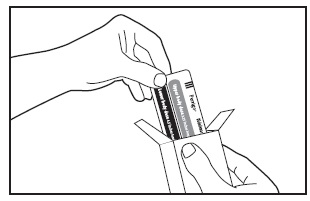
    • store ENCLOSED DOSING CARD with your Diclofenac Sodium Topical Gel, 1% product. The dosing card is re-usable.
    21Other information
    • store at 20-25°C (68-77°F). Keep from freezing.
    • read all product information before using. Keep the dosing card, this carton and accompanying User Guide for important information.
    22Inactive ingredients
    carbomer homopolymer Type C, cocoyl caprylocaprate, fragrance, isopropyl alcohol, mineral oil, polyoxyl 20 cetostearyl ether, propylene glycol, purified water, strong ammonia solution
    23Questions or comments?
    1-800-719-9260
    24Diclofenac Sodium Topical Gel, 1% (NSAID)
    Arthritis Pain Reliever
    User Guide
    How to use Diclofenac Sodium Topical Gel, 1% with answers to frequently asked questions
    Quick Start
    How to get started right away with Diclofenac Sodium Topical Gel, 1%
    Understanding Diclofenac Sodium Topical Gel, 1%
    Diclofenac Sodium Topical Gel, 1%
    Before You Use Diclofenac Sodium Topical Gel, 1%
    Read the Drug Facts Label, which appears on the carton.
    dicolfenac-image1
    Remove the dosing card from the inside of the carton. You should always use the dosing card to measure out the correct dose of Diclofenac Sodium Topical Gel, 1%.
    The first time you use a tube of Diclofenac Sodium Topical Gel, 1%:
    Image 2
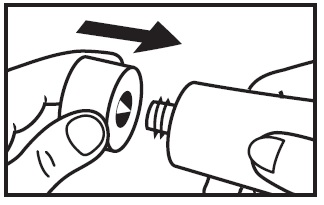
    1. Take the cap off the tube.
    Image 3
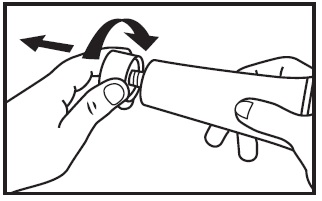
    2. Open the safety seal by firmly pressing the point on the top of the cap onto the seal on the tube. Do not open the safety seal with scissors or other sharp objects.
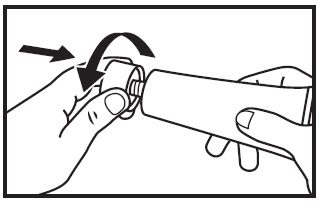
    Image 4
    3. After use, put the cap back on the end of the tube.
    Using Diclofenac Sodium Topical Gel, 1%
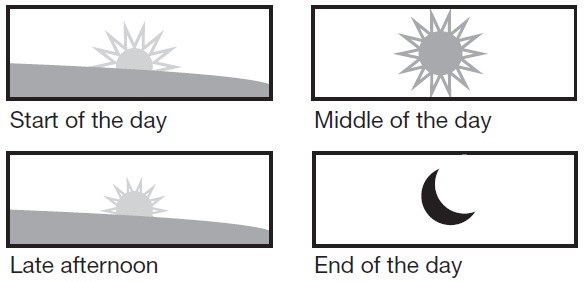
    How often to use Diclofenac Sodium Topical Gel, 1%
    Use 4 times a day for best results.
    For example:
    Image 5
    Where to apply Diclofenac Sodium Topical Gel, 1%
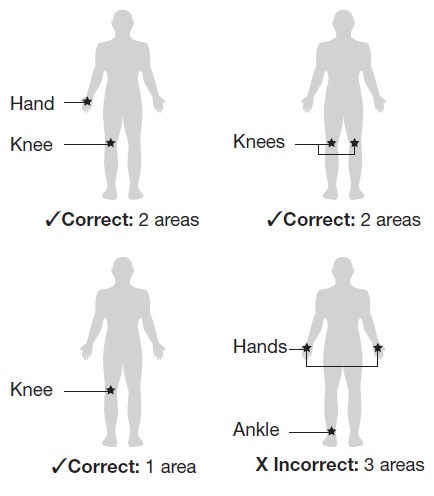
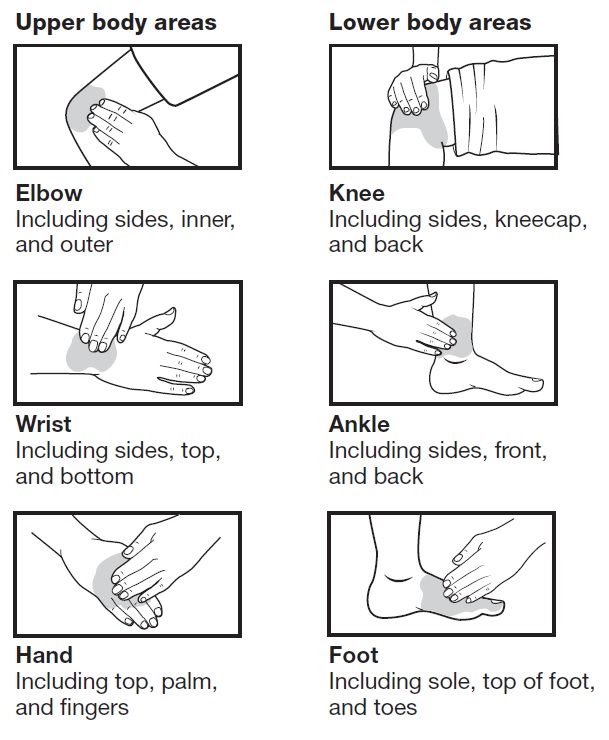
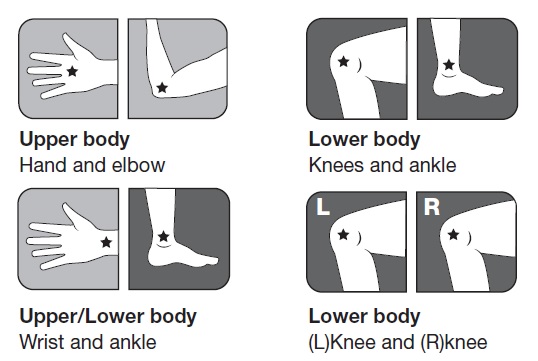
    Diclofenac Sodium Topical Gel, 1% can be used on up to 2 body areas from the following list: a hand, a wrist, an elbow, a foot, an ankle, a knee. Do not use on more than 2 body areas at once.
    Some examples include:
    Image 6
    Measuring the correct amount using the dosing card
    diclofenac-graphic2
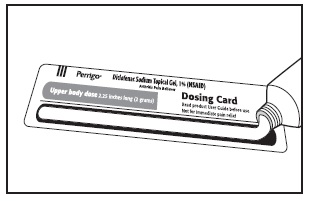
    For each upper body area (a hand, a wrist, or an elbow): Squeeze gel from the tube equal to the length shown on the upper body section of the dosing card (2.25 inches).
    diclofenac-graphic3
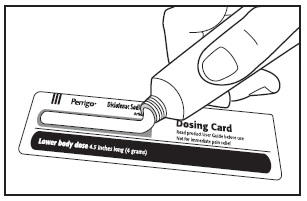
    For each lower body area (a foot, an ankle, or a knee): Squeeze gel from the tube equal to the length shown on the lower body section of the dosing card (4.5 inches).
    Lost Your Dosing Card? Don’t worry!
    Call 1-800-719-9260 to get a free replacement.
    Applying Diclofenac Sodium Topical Gel, 1%
    Gently rub Diclofenac Sodium Topical Gel, 1% into the skin using your hand. Apply 4 times a day for best results. Do not use on more than 2 body areas at once.
    Apply only to clean, dry skin that doesn’t have any cuts, open wounds, infections or rashes. Do not apply in the same area as any other medicines or products that are applied to the skin.
    Image 9
    After You Use Diclofenac Sodium Topical Gel, 1%
    Image 10
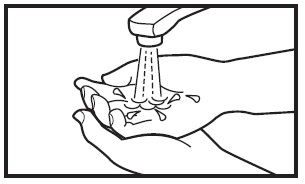
    Wash your hands after applying Diclofenac Sodium Topical Gel, 1%. If the treated area is the hands wait up to 1 hour to wash the hands.
    diclofenac-graphic4
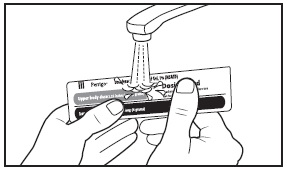
    Wash the dosing card with water. Store dosing card with your Diclofenac Sodium Topical Gel, 1% and keep out of reach of children.
    Image 12
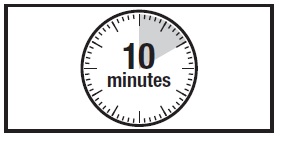
    Wait ten minutes before covering the treated areas with clothes or gloves.
    Avoid:
    •showering or bathing for at least 1 hour after use•exposing the treated area to sunlight or artificial light (such as in tanning booths)•use in same area as other products applied to the skin•applying a bandage over the treated area•eye, nose, or mouth contact•if eye contact occurs, rinse thoroughly with water
    Facts you need to know
    Important information about Diclofenac Sodium Topical Gel, 1%
    Do not use Diclofenac Sodium Topical Gel, 1%...
    •if you have ever had an allergic reaction to any other pain reliever or to a fever reducer•for strains, sprains, bruises or sports injuries. This product has not been shown to work for these types of injuries.•right before or after heart surgery•on more than 2 body areas at the same time•in the eyes, nose or mouth
    Ask a doctor before use if...
    •you have problems or serious side effects from taking pain relievers or fever reducers•stomach bleeding warning applies to you•you have a history of stomach problems such as heartburn•you have high blood pressure, heart disease, liver cirrhosis, kidney disease, asthma, or had a stroke•you are taking a diuretic•you are under age 18 years. It is not known if this drug works or is safe in children under age 18 years.
    Ask a doctor or pharmacist before use if...
    •you are under a doctor’s care for any serious condition•you are taking any other drug•you are pregnant or breast-feeding
    It is especially important not to use this product during the last 3 months of pregnancy unless definitely directed to do so by a doctor because it may cause problems in the unborn child or complications during delivery.
    Warnings to consider before use...
    Allergy alert
    Diclofenac may cause a severe allergic reaction, especially in people allergic to aspirin. Symptoms may include:
    •hives•blisters•asthma (wheezing)•facial swelling•skin reddening•shock•rash
    If an allergic reaction occurs, stop use and seek medical help right away.
    Liver warning
    This product contains diclofenac. Liver damage may occur if you apply
    •more or for a longer time than directed•when using other drugs containing diclofenac
    Stomach bleeding warning
    This product contains an NSAID, which may cause stomach bleeding. The chance is small but higher if you
    •are age 60 or older•have had stomach ulcers or bleeding problems•take a blood thinning (anticoagulant) or steroid drug•take other drugs containing prescription or nonprescription NSAIDs (aspirin, ibuprofen, naproxen, or others)•have 3 or more alcoholic drinks every day while using this product•apply more or for longer than directed
    Heart attack and stroke warning
    NSAIDs, except aspirin, increase the risk of heart attack, heart failure, and stroke. This can be fatal. The risk is higher if you use more than directed or for longer than directed.
    Follow these important guidelines when using Diclofenac Sodium Topical Gel, 1%...
    •use only as directed•apply only to clean, dry skin that does not have any cuts, open wounds, infections or rashes•do not apply in the same area as any other product used on the skin•do not apply with external heat such as heating pad•do not apply a bandage over the treated area•do not get gel in eyes, nose or mouth•store ENCLOSED DOSING CARD with your Diclofenac Sodium Topical Gel, 1%. The dosing card is re-usable.
    Keep out of reach of children.
    If swallowed, get medical help or contact a Poison Control Center right away (1-800-222-1222).
    Stop using Diclofenac Sodium Topical Gel, 1% and ask a doctor if...
    •pain gets worse or lasts more than 21 days•redness or swelling is present in the painful area•fever occurs•skin irritation occurs•any new symptoms appear. These could be signs of a serious condition.•you experience any of the following signs of stomach bleeding:•feel faint•have bloody or black stools•vomit blood•have stomach pain that does not get better•you have symptoms of heart problems or stroke:•chest pain•trouble breathing•leg swelling•weakness in one part of side of body•slurred speech
    Questions and Answers
    Answers to questions you may ask about Diclofenac Sodium Topical Gel, 1%
    Can I use Diclofenac Sodium Topical Gel, 1% for the immediate relief of pain like that associated with sprains, strains, bruises, or sports injuries?
    No.
    Do not use for strains, sprains, bruises, or sports injuries. This product has not been shown to work for these types of injuries. It’s intended only for the temporary relief of arthritis pain.
    How quickly will Diclofenac Sodium Topical Gel, 1% work for arthritis pain?
    Diclofenac Sodium Topical Gel, 1% may take up to 7 days to work for your arthritis pain; it is not for immediate relief. With 4 times-a-day use, you may start to feel relief within a few days. You should feel significant pain relief within 7 days of continuous use. If no pain relief in 7 days, stop use.
    What is Diclofenac Sodium Topical Gel, 1% used for?
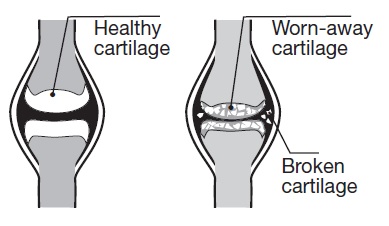
    Diclofenac Sodium Topical Gel, 1% can be used for the temporary relief of arthritis pain in the hands, wrists, elbows, feet, ankles, and knees. Osteoarthritis (OA) is the most common form of arthritis. It mainly affects a type of tissue called cartilage, which cushions the joints and prevents the bones from rubbing against each other.
    With OA, cartilage begins to break down and wear away, resulting in joint pain and stiffness. OA occurs more frequently as you get older. Pain develops slowly and can gradually worsen over time.
    Image 13
    How does Diclofenac Sodium Topical Gel, 1% work?
    Diclofenac sodium, the medicine in Diclofenac Sodium Topical Gel, 1%, is a nonsteroidal anti-inflammatory drug (NSAID). NSAIDs are used to treat pain from medical conditions such as arthritis. Diclofenac Sodium Topical Gel, 1% works similarly to oral NSAIDs like ibuprofen or naproxen by temporarily blocking the production of pain signaling chemicals called prostaglandins. However, when taking a pill, the medication is distributed to the site of pain through the bloodstream. Compared to oral diclofenac, only 6% of the medicine in Diclofenac Sodium Topical Gel, 1% is absorbed in the bloodstream. It works by penetrating through your skin at the application site to deliver arthritis pain relief.
    How does over-the-counter Diclofenac Sodium Topical Gel, 1% differ from prescription Diclofenac Sodium Topical Gel, 1%?
    Over-the-counter Diclofenac Sodium Topical Gel, 1% is the same strength and formula as original full prescription strength Diclofenac Sodium Topical Gel, 1% but is available without a prescription.
    Apply Diclofenac Sodium Topical Gel, 1% 4 times a day to ensure you get the full effect of the medicine.
    Can I apply Diclofenac Sodium Topical Gel, 1% to upper and lower body areas at the same time?
    Yes.
    You can use Diclofenac Sodium Topical Gel, 1% on up to 2 body areas at the same time. The areas can include the foot, ankle, knee, hand, wrist, and elbow.
    Some correct examples include:
    Image 14
    Do not use Diclofenac Sodium Topical Gel, 1% on more than 2 body areas at once.
    Can I apply Diclofenac Sodium Topical Gel, 1% without measuring it out on the dosing card first?
    No.
    Use the dosing card to make sure you are getting the correct amount of medicine.
    Can I use Diclofenac Sodium Topical Gel, 1% on my spine, hips, or shoulders?
    No.
    The use of Diclofenac Sodium Topical Gel, 1% on the spine, hips, and shoulders has not been studied.
    Can I take any other pain medications with Diclofenac Sodium Topical Gel, 1%?
    Ask your doctor or pharmacist before using Diclofenac Sodium Topical Gel, 1% if you are taking any other pain reliever or are planning on taking any other pain reliever, especially prescription or nonprescription NSAIDs (aspirin, ibuprofen, naproxen, or others).
    Can I take any other pain medications during the first 7 days I use Diclofenac Sodium Topical Gel, 1%?
    Taking other pain medications is generally not recommended. Speak with your doctor or pharmacist before taking other pain medications when using Diclofenac Sodium Topical Gel, 1%.
    How long can I use Diclofenac Sodium Topical Gel, 1%?
    Use Diclofenac Sodium Topical Gel, 1% 4 times a day every day for up to 21 days for treatment of arthritis pain or as directed by your doctor.
    Diclofenac Sodium Topical Gel, 1% should be part of an overall program for managing your arthritis pain. The program should also include activities such as appropriate movement or exercise, specific lifestyle changes, and weight maintenance. Regular visits and discussions with your doctor can help incorporate Diclofenac Sodium Topical Gel, 1% into a complete program to help manage your arthritis pain.
    What do I do if I get Diclofenac Sodium Topical Gel, 1% in my eyes?
    If eye contact occurs, rinse thoroughly with water and consult a doctor if irritation lasts more than an hour.
    How do I clean the dosing card?
    Wash the dosing card with water, and store dosing card and tube out of reach of children.
    What if I miss a dose of Diclofenac Sodium Topical Gel, 1%?
    If you forget to apply Diclofenac Sodium Topical Gel, 1% don’t double your dose. Just apply the next dose as scheduled.
    How should I store Diclofenac Sodium Topical Gel, 1%?
    •Store at 20-25°C (68-77°F).•Do not freeze Diclofenac Sodium Topical Gel, 1%.•Store the dosing card with your Diclofenac Sodium Topical Gel, 1%.•Keep out of reach of children.
    Additional Questions?
    Call 1-800-719-9260.
    Made in Israel
    Distributed By
    Perrigo
    Allegan, MI 49010
    87A00 00 J1
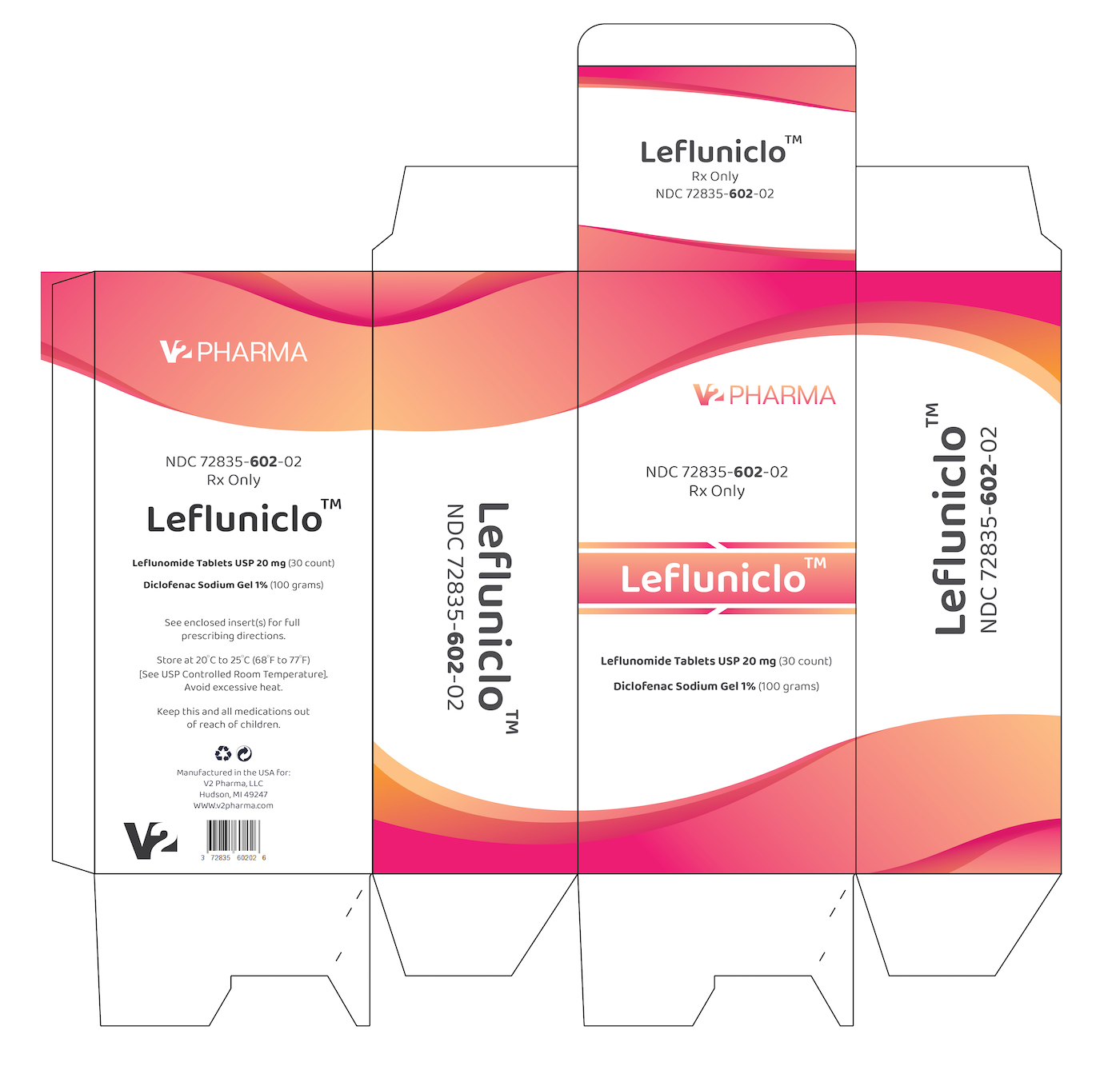
    25Lefluniclo Packaging
    The packaging for Lefluniclo is shown below
    Lefluniclo Packaging