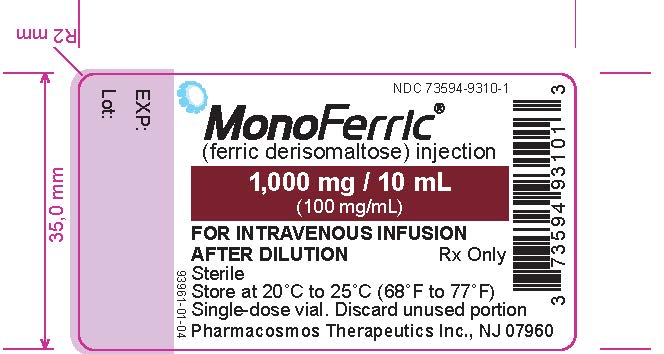
Monoferric
What is Monoferric (Derisomaltose)?
Iron deficiency anemia can leave people feeling constantly tired, weak, and unable to keep up with daily life. When oral iron supplements aren’t enough or can’t be tolerated, patients may need a faster and more effective option to restore healthy iron levels. Monoferric (ferric derisomaltose) offers such a solution.
Monoferric is a prescription intravenous (IV) iron replacement therapy used to treat iron deficiency anemia (IDA) in adults who cannot use or have not responded well to oral iron supplements. It belongs to a class of medications known as parenteral iron preparations, which deliver iron directly into the bloodstream for quick absorption.
Approved by the U.S. Food and Drug Administration (FDA) in 2020, Monoferric is one of the newer IV iron therapies designed to provide a complete iron repletion in a single treatment session, helping patients restore their energy and quality of life more conveniently than older regimens.
What does Monoferric do?
Monoferric is prescribed to treat iron deficiency anemia, a condition that occurs when the body lacks enough iron to produce adequate hemoglobin, the protein in red blood cells responsible for carrying oxygen throughout the body. Without enough iron, tissues and organs don’t receive the oxygen they need, leading to fatigue, shortness of breath, dizziness, and pale skin.
While oral iron tablets are often the first treatment option, some patients can’t absorb iron properly through the digestive system or experience stomach upset from pills. Monoferric helps by bypassing the digestive tract entirely, delivering iron directly into the bloodstream for immediate use.
It is typically used for adults with:
- Chronic kidney disease (CKD) not on dialysis
- Gastrointestinal disorders that limit iron absorption
- Ongoing blood loss
- Inflammatory conditions like inflammatory bowel disease (IBD)
Clinical studies have shown that Monoferric effectively raises hemoglobin and ferritin levels after just one infusion, with results comparable or superior to other IV iron products (NIH, 2024). Most patients report feeling stronger and less fatigued within a few weeks.
How does Monoferric work?
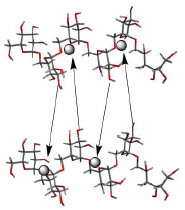
Monoferric contains ferric derisomaltose, a stable iron–carbohydrate complex. Once injected into the bloodstream, it slowly releases iron (Fe³⁺), which binds to the body’s natural transport protein called transferrin. Transferrin then delivers iron to the bone marrow, where it is used to make new red blood cells.
This controlled release mechanism is key, it prevents sudden spikes in free iron levels, which could otherwise cause toxicity. Instead, Monoferric provides a steady and safe supply of iron to replenish the body’s stores efficiently.
Clinically, this matters because iron is vital for oxygen transport, energy metabolism, and cell function. By restoring normal iron and hemoglobin levels, Monoferric helps relieve the hallmark symptoms of anemia such as fatigue, weakness, and lightheadedness allowing patients to return to normal activity and energy levels more quickly.
Monoferric side effects
Most people tolerate Monoferric well, but as with any medication, side effects can occur. The majority are mild and temporary.
Common side effects include:
- Nausea
- Rash or mild itching
- Headache
- Dizziness
- Flushing or warmth at the injection site
Serious but rare side effects:
- Allergic or hypersensitivity reactions, including swelling, wheezing, or difficulty breathing
- Low blood pressure during or shortly after infusion
- Dizziness or fainting
Severe allergic reactions are uncommon but can happen with any IV iron therapy. Therefore, Monoferric infusions are always administered in a clinical setting under medical supervision, allowing immediate treatment if a reaction occurs.
People who have had previous allergic reactions to IV iron or who have iron overload disorders (such as hemochromatosis) should avoid using Monoferric. Patients with liver disease, infections, or inflammatory conditions should inform their doctor before starting therapy, as iron levels must be carefully balanced.
If you experience chest pain, severe shortness of breath, swelling of the face or throat, or lightheadedness during treatment, seek emergency care right away.
Monoferric dosage
Monoferric is a single-session intravenous iron infusion administered by a healthcare professional, typically taking about 20 minutes. Dosage is individualized based on body weight and iron deficiency, and patients are observed briefly post-infusion for side effects.
Doctors often monitor:
- Hemoglobin and ferritin levels before and after infusion
- Liver function tests if there are concerns about iron storage
- Blood pressure and vital signs during administration
These checks help ensure the treatment is effective and safe. For patients with chronic kidney disease or inflammatory diseases, periodic re-evaluation of iron levels is important to decide if and when another infusion might be needed.
Does Monoferric have a generic version?
As of 2025, no generic version of Monoferric (ferric derisomaltose) is available in the United States. It is currently marketed only as the brand-name product Monoferric, developed by Pharmacosmos Therapeutics. However, international versions may exist in other markets.
Other IV iron formulations like Injectafer, Feraheme, and Venofer are distinct products, not generics of Monoferric. An FDA-approved generic will share the same active ingredient, strength, safety, and effectiveness. Patients should discuss insurance, infusion options, and cost assistance with their healthcare providers.
Conclusion
Monoferric (ferric derisomaltose) offers an innovative, single-dose solution for adults struggling with iron deficiency anemia, especially when oral supplements fall short. By delivering iron directly into the bloodstream, it allows the body to rebuild healthy red blood cells efficiently helping restore energy, vitality, and quality of life.
Monoferric offers a safe and convenient option for anemia, with mild side effects and rare serious reactions. Its benefits include fewer clinic visits and faster symptom relief. Optimal outcomes require patient-provider collaboration, monitoring, and follow-up, helping patients regain strength and resume daily activities.
References
- U.S. Food and Drug Administration (FDA). (2024). Monoferric (ferric derisomaltose) prescribing information. Retrieved from https://www.accessdata.fda.gov
- Mayo Clinic. (2024). Ferric derisomaltose injection: Uses and precautions. Retrieved from https://www.mayoclinic.org
- MedlinePlus. (2024). Ferric derisomaltose injection drug information. National Library of Medicine. Retrieved from https://medlineplus.gov
- National Institutes of Health (NIH). (2024). IV iron therapies in the management of iron deficiency anemia. Retrieved from https://www.nih.gov
Approved To Treat


Related Clinical Trials
Summary: The goal of this clinical trial is to compare the pharmacokinetic profile of the developed drug product and reference product in participants with iron deficiency anemia under fasting condition. The main questions it aims to answer are: * \[Question 1\] Is there significant difference in the pharmacokinetic profile between the ferric derisomaltose injection 10mL:1000mg \[calculated by iron\]) prov...
Summary: Several clinical trials have been reported for ferric derisomaltose where it has been shown to be well tolerated and to improve markers of IDA. All clinical trials with ferric derisomaltose have been performed in adults, however, IDA is not specific to the adult population. In fact, children are likely to develop IDA due to their rapid growth. The aim in this trial is to evaluate the efficacy and ...
Summary: The primary aim of this clinical trial is to investigate the effects of intravenous iron on recovery in mobility compared to the pre-fracture level in patients with a hip fracture The main questions it aims to answer are: It is hypothesize that intravenous iron will enhance gains in mobility and hereby recovery of mobility, increase hemoglobin (Hgb), lower fatigue, have a positive effect on skelet...
Related Latest Advances
Brand Information
- who have intolerance to oral iron or have had unsatisfactory response to oral iron
- who have non-hemodialysis dependent chronic kidney disease (NDD-CKD)
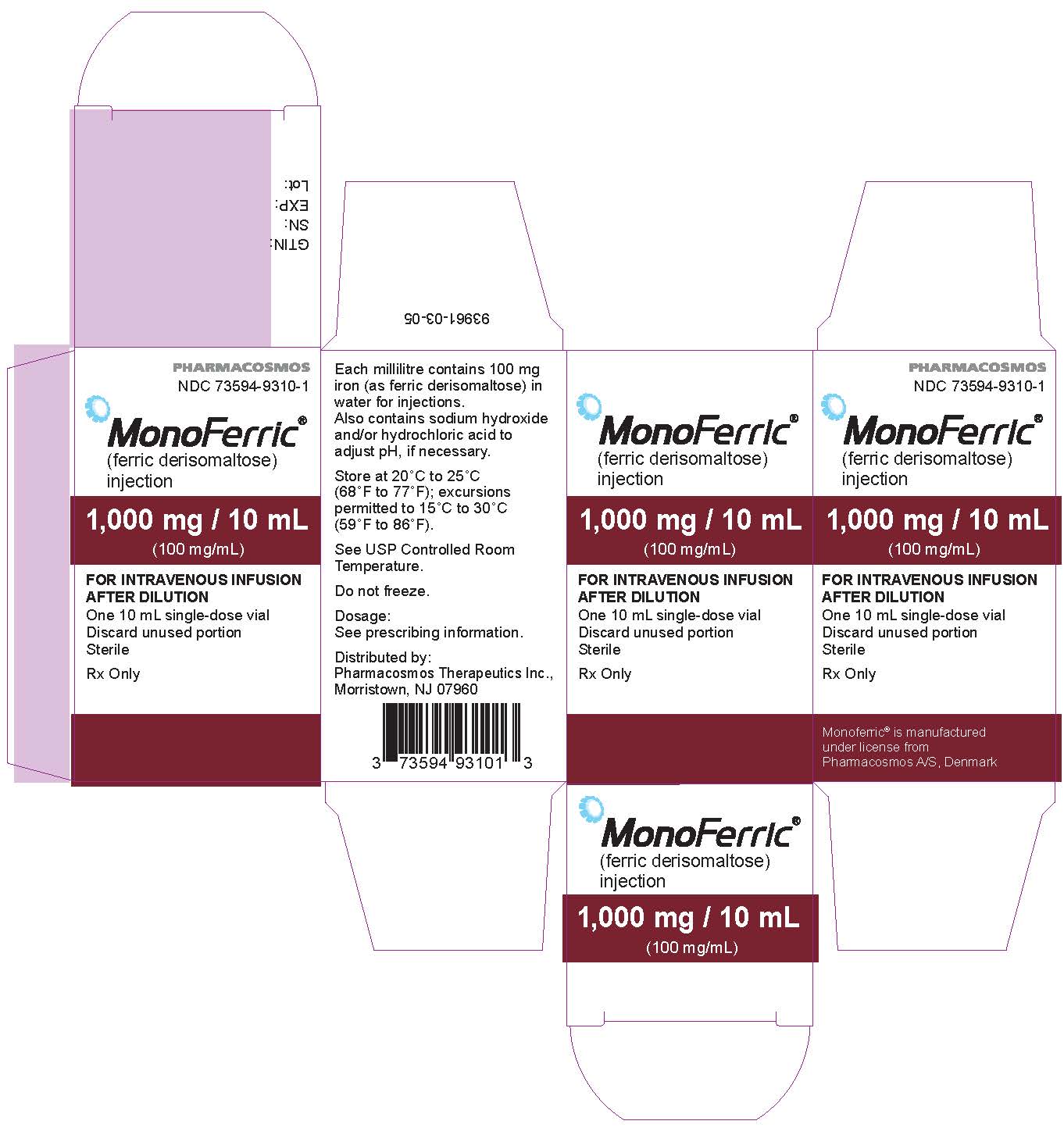
- Injection: 1,000 mg iron/10 mL (100 mg/mL) single-dose vial
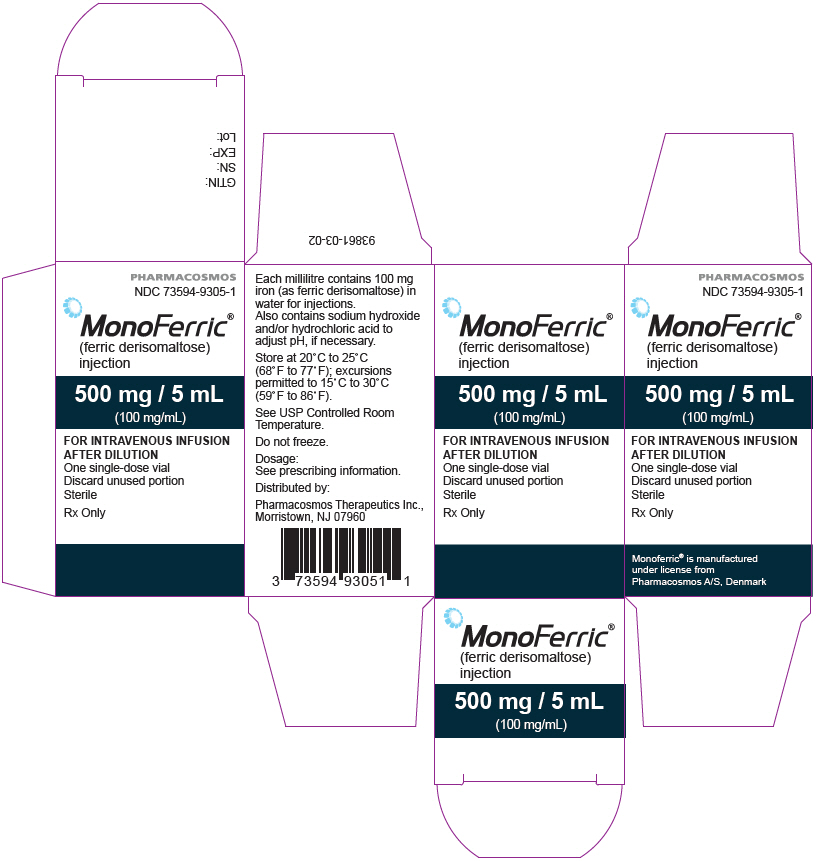
- Injection: 500 mg iron/5 mL (100 mg/mL) single-dose vial
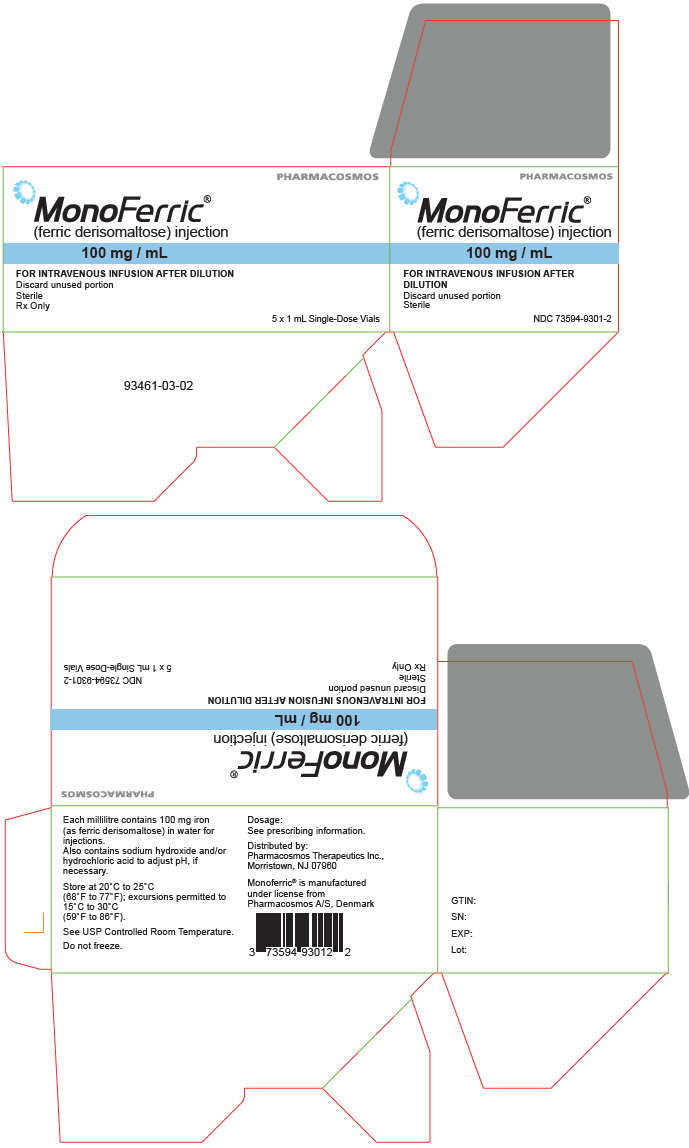
- Injection: 100 mg iron/mL single-dose vial
- Hypersensitivity Reactions
- Iron Overload