Brand Name

Fludarabine

View Brand Information
FDA approval date: November 16, 2007
Classification: Nucleoside Metabolic Inhibitor
Form: Injection

What is Fludarabine?

Fludarabine Phosphate Injection is a nucleotide metabolic inhibitor indicated for: The treatment of adult patients with B-cell chronic lymphocytic leukemia who have not responded to or whose disease has progressed during treatment with at least one standard alkylating-agent containing regimen. Benefit in treatment-naïve or non-refractory CLL patients is not established.
Save this treatment for later
Sign Up
Not sure about your diagnosis?
Check Your Symptoms

Related Clinical Trials

Phase 1 Study of Autologous Anti-EGFRvIII synNotch Receptor Induced Anti-EphA2/IL-13R alpha2 CAR (E-SYNC) T Cells in Adult Participants With EGFRvIII+ Glioblastoma

Summary: This phase I trial tests the safety, side effects, and best dose of E-SYNC chimeric antigen receptor (CAR) T cells after lymphodepleting chemotherapy in treating patients with EGFRvIII positive (+) glioblastoma. Chimeric antigen receptor (CAR) T-cell therapy is a type of treatment in which a patient's T cells (a type of immune system cell) are changed in the laboratory so the CAR T cells will atta...

Master Screening and Reassessment Protocol (MSRP) for the NCI MyeloMATCH Clinical Trials

Summary: This MyeloMATCH Master Screening and Reassessment Protocol (MSRP) evaluates the use of a screening tool and specific laboratory tests to help improve participants' ability to register to clinical trials throughout the course of their myeloid cancer (acute myeloid leukemia or myelodysplastic syndrome) treatment. This study involves testing patients' bone marrow and blood for certain biomarkers. A b...

The CAROLYN Trial: Lisocabtagene Maraleucelas First-Line Therapy for Primary Central Nervous System Lymphoma (PCNSL) in Transplant-Ineligible Patients

Summary: The purpose of this study is to evaluate the safety and efficacy of lisocabtagene maraleucel (Breyanzi/liso-cel/BMS-986387) in adults as first-line treatment in transplant-ineligible Primary Central Nervous System Lymphoma (PCNSL).

Brand Information

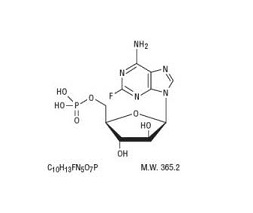
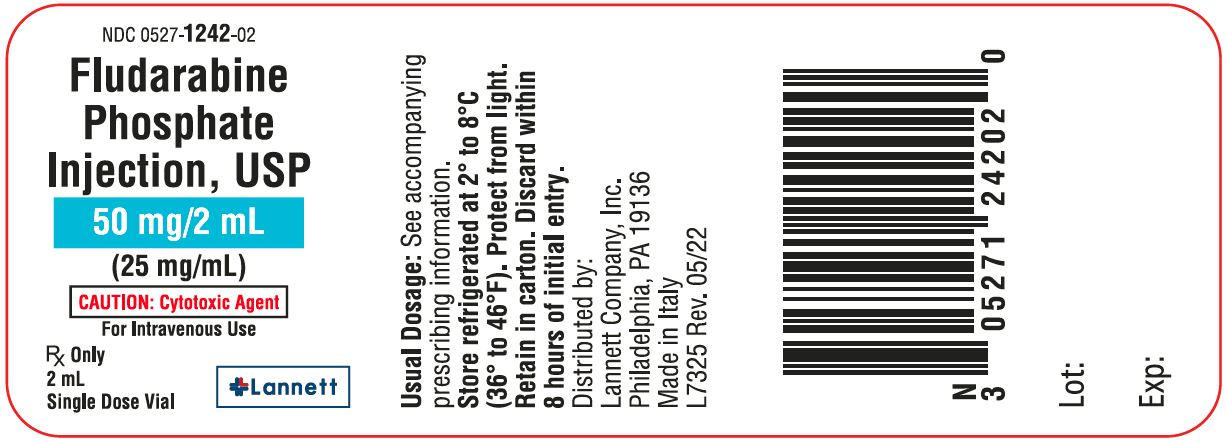
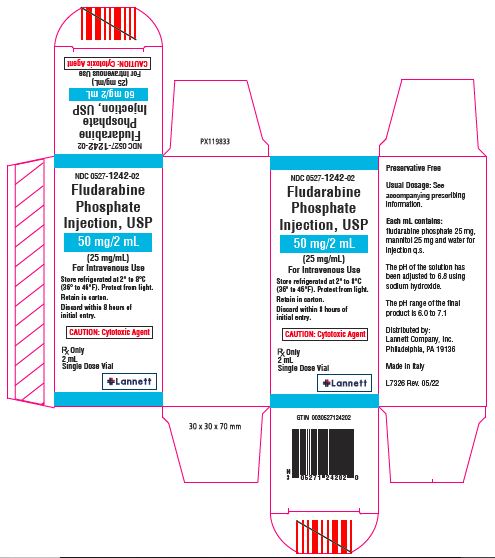
Fludarabine Phosphate (Fludarabine Phosphate)
WARNING: SEVERE BONE MARROW SUPPRESSION, CNS TOXICITY, HEMOLYTIC ANEMIA, AND PULMONARY TOXICITY
Fludarabine Phosphate Injection should be administered under the supervision of a qualified physician experienced in the use of antineoplastic therapy. Fludarabine phosphate injection can severely suppress bone marrow function. When used at high doses in dose-ranging studies in patients with acute leukemia, fludarabine phosphate was associated with severe neurologic effects, including blindness, coma, and death. This severe central nervous system toxicity occurred in 36% of patients treated with doses approximately four times greater (96 mg/m
Instances of life-threatening and sometimes fatal autoimmune phenomena such as hemolytic anemia, autoimmune thrombocytopenia/thrombocytopenic purpura (ITP), Evans syndrome, and acquired hemophilia have been reported to occur after one or more cycles of treatment with Fludarabine Phosphate Injection. Patients undergoing treatment with Fludarabine Phosphate Injection should be evaluated and closely monitored for hemolysis 
In a clinical investigation using fludarabine phosphate in combination with pentostatin (deoxycoformycin) for the treatment of refractory chronic lymphocytic leukemia (CLL), there was an unacceptably high incidence of fatal pulmonary toxicity. Therefore, the use of Fludarabine Phosphate Injection in combination with pentostatin is not recommended