Nayzilam
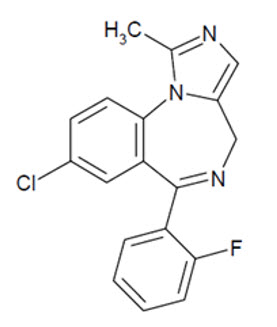
What is Nayzilam (Midazolam)?
Approved To Treat
Top Global Experts


Related Clinical Trials
Summary: This is a Phase 1/2A, open label, multicenter, nonrandomized, multiple dose, safety, tolerability, pharmacokinetic and pharmacodynamic study of PF-07220060 administered as a single agent and in combination with endocrine therapy. Part 1 includes dose escalation cohorts evaluating PF-07220060 as single agent or in combination with endocrine therapy or enzalutamide, as well as a food effect cohort a...
Summary: Pulsed Field Ablation (PFA) has created a 'paradigm shift' within cardiac electrophysiology and the initial experience demonstrates that PFA is safe, rapid and effective compared to both radiofrequency ablation and cryoablation in atrial fibrillation (AF). Presently, AF ablation procedures in the UK using PFA are routinely performed using general anaesthetic (GA) support requiring an anaesthetist ...
Summary: The goal of this clinical trial is to determine the appropriate Bispectral Index (BIS) range and propofol effect-site concentration required to maintain adequate anesthesia depth during total intravenous anesthesia (TIVA) combined with midazolam, dexmedetomidine, or esketamine in patients undergoing unilateral knee replacement surgery. The main questions it aims to answer are: 1. What are the appr...
Related Latest Advances
Brand Information
- Concomitant use of benzodiazepines and opioids may result in profound sedation, respiratory depression, coma, and death
- The use of benzodiazepines, including NAYZILAM, exposes users to risks of abuse, misuse, and addiction, which can lead to overdose or death. Abuse and misuse of benzodiazepines commonly involve concomitant use of other medications, alcohol, and/or illicit substances, which is associated with an increased frequency of serious adverse outcomes. Before prescribing NAYZILAM and throughout treatment, assess each patient's risk for abuse, misuse, and addiction
- The continued use of benzodiazepines may lead to clinically significant physical dependence. The risks of dependence and withdrawal increase with longer treatment duration and higher daily dose. Although NAYZILAM is indicated only for intermittent use
- Known hypersensitivity to midazolam.
- Acute narrow-angle glaucoma
- Risks from Concomitant Use with Opioids
- Abuse, Misuse, and Addiction
- Dependence and Withdrawal Reactions After Use of NAYZILAM More Frequently Than Recommended
- Risks of Cardiorespiratory Adverse Reactions
- CNS Depression from Concomitant Use with Other CNS Depressants or Moderate or Strong CYP3A4 Inhibitors
- Suicidal Behavior and Ideation
- Impaired Cognitive Function
- Glaucoma
- Neonatal Sedation and Withdrawal Syndrome
- Other Adverse Reactions