Diflucan
What is Diflucan (Fluconazole)?
Fungal infections are more common than many people realize, affecting millions each year. They can range from simple skin infections to more serious internal infections that impact overall health and comfort. Diflucan is a trusted medication that helps manage these infections effectively and safely.
Diflucan (generic name: fluconazole) is an antifungal medication belonging to the azole antifungal class. It’s widely used to treat and prevent various fungal and yeast infections, including vaginal yeast infections, oral thrush, esophageal candidiasis, and certain systemic fungal infections.
Approved by the U.S. Food and Drug Administration (FDA) in 1990, Diflucan has become a cornerstone antifungal treatment due to its proven effectiveness, broad spectrum of activity, and convenient oral dosing. It is often prescribed as a first-line therapy for both mild and serious fungal infections, providing patients with relief and protection when fungal overgrowth disrupts daily life.
What does Diflucan do?
Diflucan is used to treat and prevent fungal infections caused by Candida and other susceptible fungi. It’s effective against infections in both superficial and deep tissues, offering versatility in clinical use.
Common conditions treated with Diflucan include:
- Vaginal yeast infections (vulvovaginal candidiasis)[Text Wrapping Break]
- Oral thrush (oropharyngeal candidiasis)[Text Wrapping Break]
- Esophageal candidiasis[Text Wrapping Break]
- Systemic candidiasis (a serious bloodstream infection)[Text Wrapping Break]
- Cryptococcal meningitis, a fungal infection of the brain and spinal cord, often seen in immunocompromised patients
For many patients, Diflucan offers rapid symptom relief reducing itching, irritation, and discharge in vaginal infections, or clearing painful white patches in oral thrush.
Clinical studies have shown high success rates, with single doses effectively treating uncomplicated vaginal yeast infections and longer regimens successfully addressing more complex or systemic infections (FDA, 2023; Mayo Clinic, 2024).
Its flexibility in dosing and availability in multiple forms make Diflucan suitable for both outpatient and hospital use, especially in patients who require reliable antifungal coverage.
How does Diflucan work?
To understand how Diflucan works, it helps to look at how fungi grow. Fungal cells need a substance called ergosterol to build strong, protective cell membranes. Without it, their structure weakens, and the fungus can no longer survive or multiply.
Diflucan works by blocking an enzyme called lanosterol 14α-demethylase, which is essential for making ergosterol. When this enzyme is inhibited, the fungal cell membrane becomes damaged and leaky, leading to the death of the fungus.
This mechanism is highly targeted, meaning Diflucan disrupts fungal growth without affecting human cells. It also has excellent penetration into various body tissues, including cerebrospinal fluid, making it effective even for infections in the brain and spinal cord.
Clinically, this action helps control infection, reduce inflammation, and prevent recurrence, allowing the body’s immune system to recover and restore balance.
Diflucan side effects
Most people tolerate Diflucan well, but like all medications, it can cause side effects in some individuals. Side effects are typically mild and temporary, though serious reactions are possible.
Common side effects include:
- Headache[Text Wrapping Break]
- Nausea or upset stomach[Text Wrapping Break]
- Abdominal pain[Text Wrapping Break]
- Diarrhea[Text Wrapping Break]
- Dizziness
Less common or serious side effects:
- Liver problems (signs may include yellowing of the skin or eyes, dark urine, or fatigue)[Text Wrapping Break]
- Severe skin reactions such as rash or peeling[Text Wrapping Break]
- Irregular heart rhythm (rare)[Text Wrapping Break]
- Allergic reactions with swelling, itching, or difficulty breathing
If you develop symptoms of liver issues or a severe rash, seek immediate medical attention.
Avoid Diflucan if allergic to fluconazole or similar antifungals (ketoconazole, itraconazole), have certain heart rhythm conditions (QT prolongation), or liver/kidney disease (inform doctor for dosage adjustment).
Diflucan may interact with blood thinners, diabetes, seizure, or heart medications. Inform your doctor about all drugs you are taking. Most patients tolerate the drug well, with mild side effects being common and serious reactions rare, leading to significant improvement within days.
Diflucan dosage
Diflucan is available as oral tablets, liquid suspension, and IV injections. For vaginal yeast infections, a single oral tablet is often prescribed. Other infections may require longer courses.
Because Diflucan can affect liver function, doctors may order periodic liver or kidney tests, especially for patients on prolonged therapy or those with existing organ issues. Monitoring ensures the treatment remains both safe and effective.
Diflucan dose adjustments may be needed for older adults and those with reduced kidney function. Pregnant or breastfeeding women should use it only under a doctor’s guidance due to potential high-dose risks. Your healthcare provider will determine the appropriate dosage and duration based on your infection type, overall health, and treatment response.
Does Diflucan have a generic version?
Yes. The generic form of Diflucan is fluconazole, and it is FDA-approved and widely available. Generic fluconazole is considered equally safe and effective as the brand-name version because it contains the same active ingredient, strength, and formulation.
Generic fluconazole, once patented by Pfizer as Diflucan, is now widely available from various manufacturers at a lower cost, increasing global accessibility. Both Diflucan and generic fluconazole are equally effective and safe when purchased from a reputable pharmacy.
Conclusion
Diflucan has earned its reputation as one of the most effective and reliable antifungal medications available. By targeting fungal growth at its source, it helps patients overcome infections ranging from mild yeast infections to life-threatening systemic diseases.
Diflucan, with its convenient single-dose option and proven safety, is a trusted choice for fungal infections. Most tolerate it well, but discuss all medications and health conditions with your doctor for safe use. It offers a reliable path to relief and recovery, helping patients regain normal life with confidence.
References
- U.S. Food and Drug Administration (FDA). (2023). Diflucan (fluconazole) Prescribing Information. Retrieved from https://www.accessdata.fda.gov[Text Wrapping Break]
- Mayo Clinic. (2024). Fluconazole (oral route) description and side effects. Retrieved from https://www.mayoclinic.org[Text Wrapping Break]
- MedlinePlus. (2024). Fluconazole – Drug Information. National Library of Medicine. Retrieved from https://medlineplus.gov[Text Wrapping Break]
- NIH. (2023). Clinical Use and Safety of Fluconazole. National Institutes of Health. Retrieved from https://www.nih.gov[Text Wrapping Break]
- Drugs.com. (2024). Fluconazole – Uses, Dosage, and Side Effects. Retrieved from https://www.drugs.com[Text Wrapping Break]
Top Global Experts
There are no experts for this drug
Related Clinical Trials
There is no clinical trials being done for this treatment
Related Latest Advances
There is no latest advances for this treatment
Brand Information

- Vaginal candidiasis (vaginal yeast infections due to
- Oropharyngeal and esophageal candidiasis. In open noncomparative studies of relatively small numbers of patients, DIFLUCAN was also effective for the treatment of
- Cryptococcal meningitis. Before prescribing DIFLUCAN (fluconazole) for AIDS patients with cryptococcal meningitis, please see
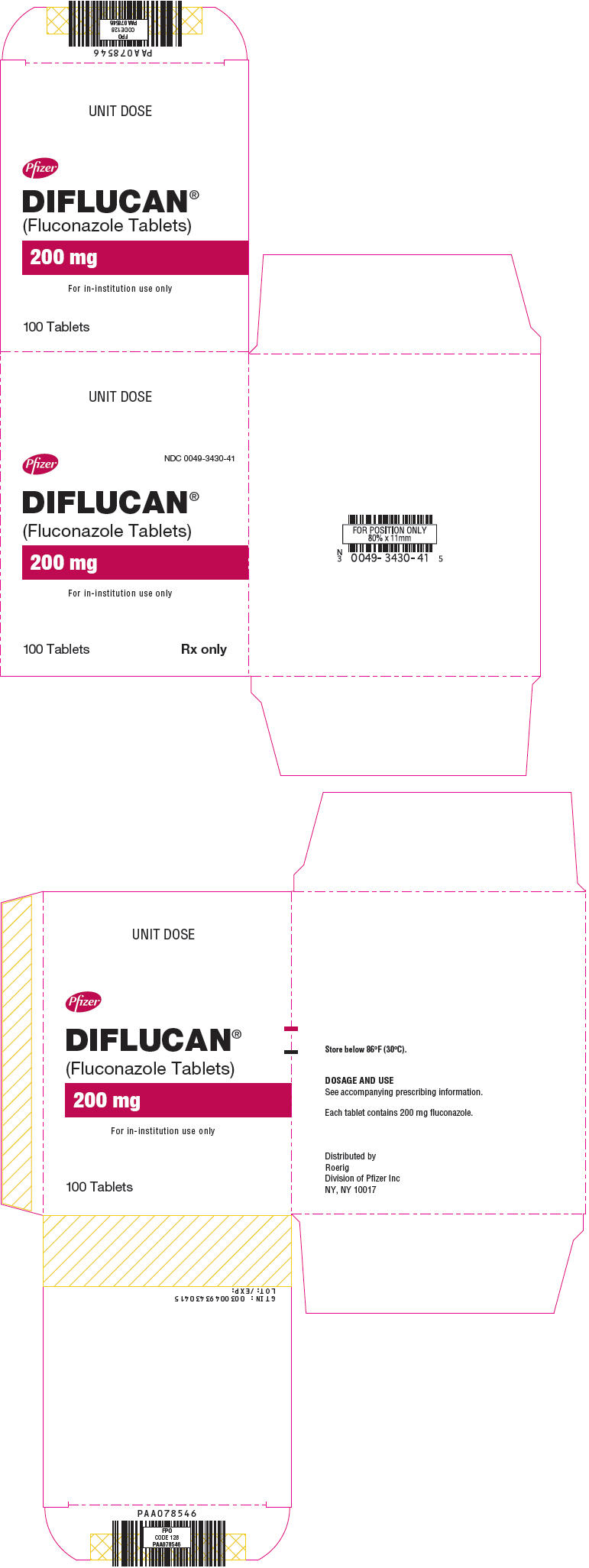
(Fluconazole Tablets)
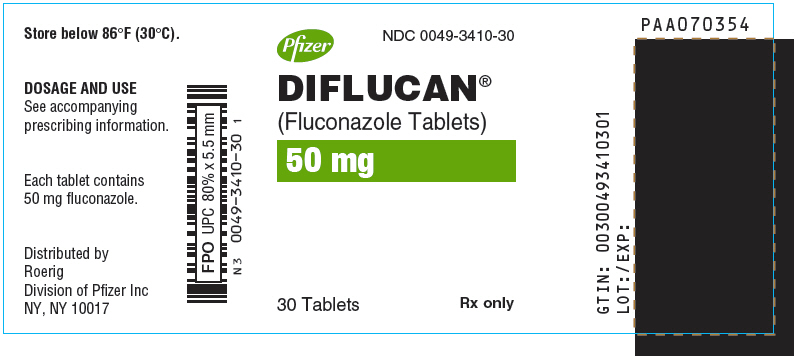
(Fluconazole Tablets)
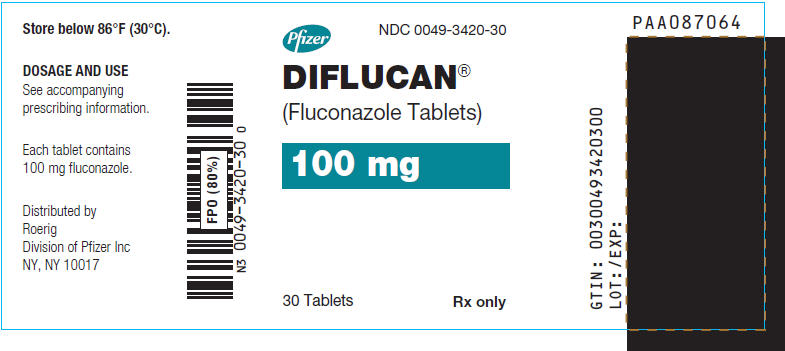
(Fluconazole Tablet)

(Fluconazole Tablets)
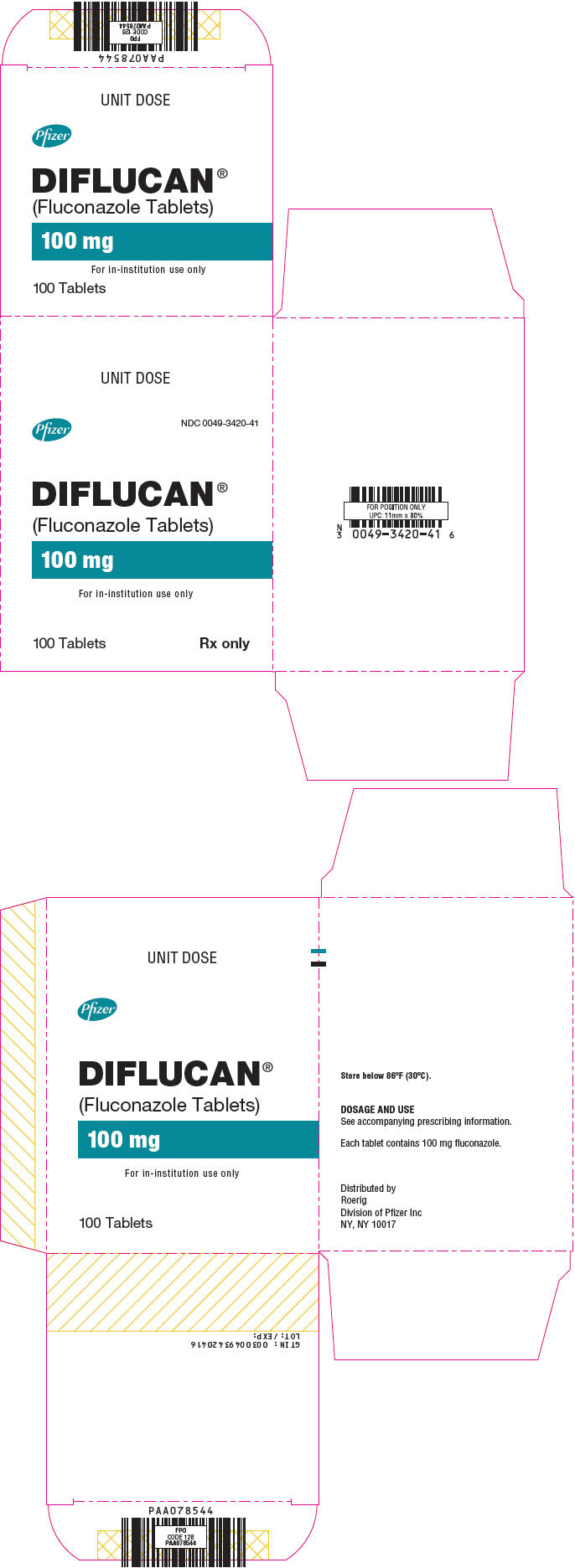
(fluconazole tablet)
150 mg
Push tablet through
foil and take by mouth
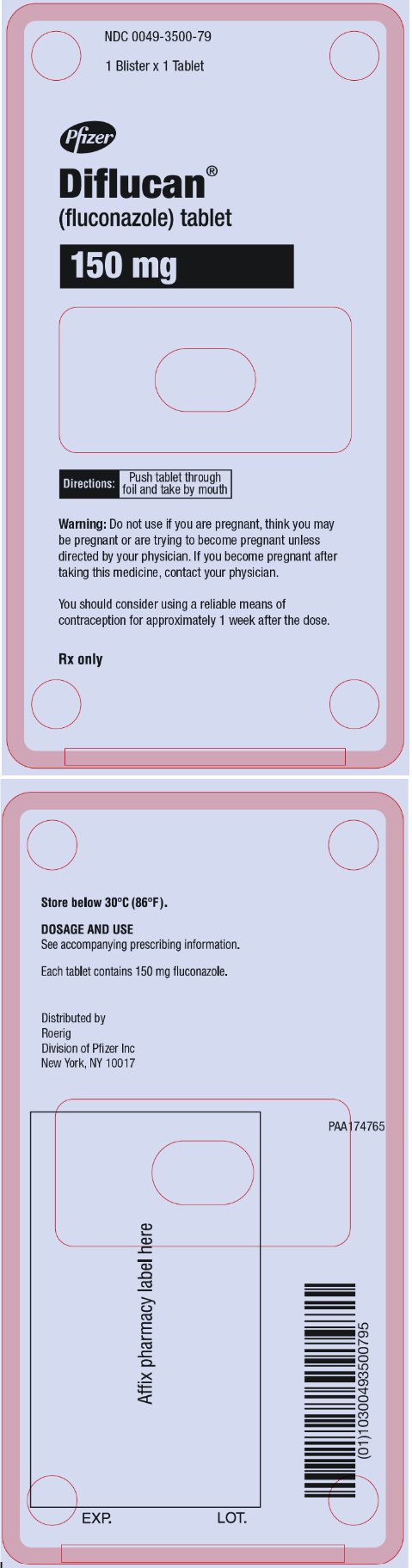
(fluconazole tablet)
150 mg
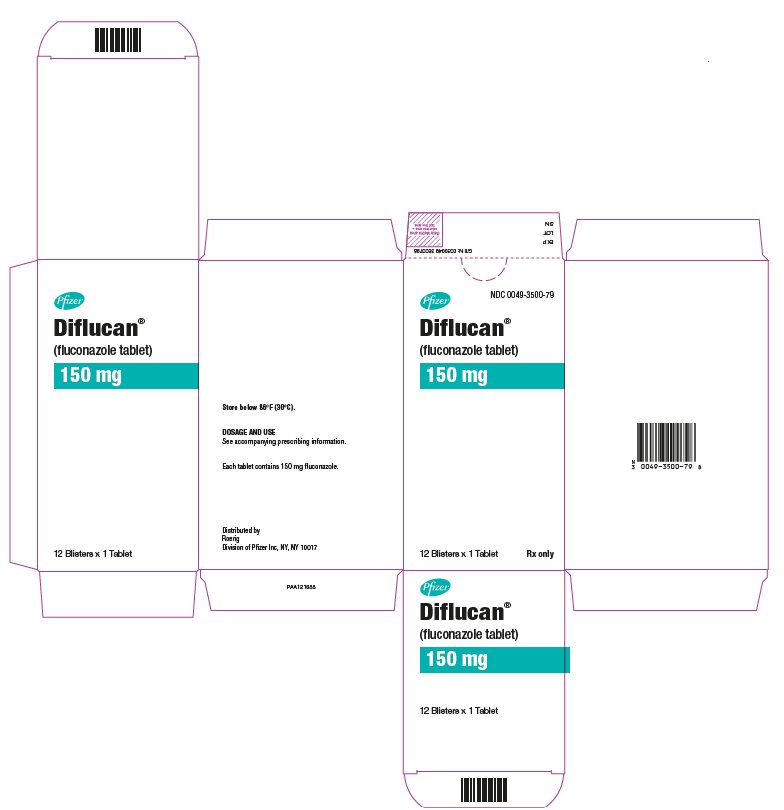
(Fluconazole Tablets)
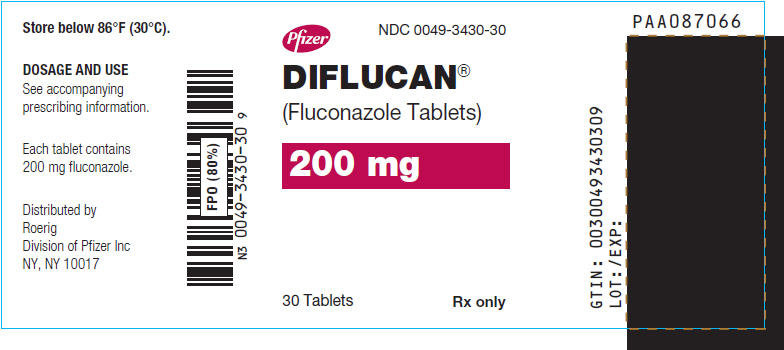
(Fluconazole Tablet)
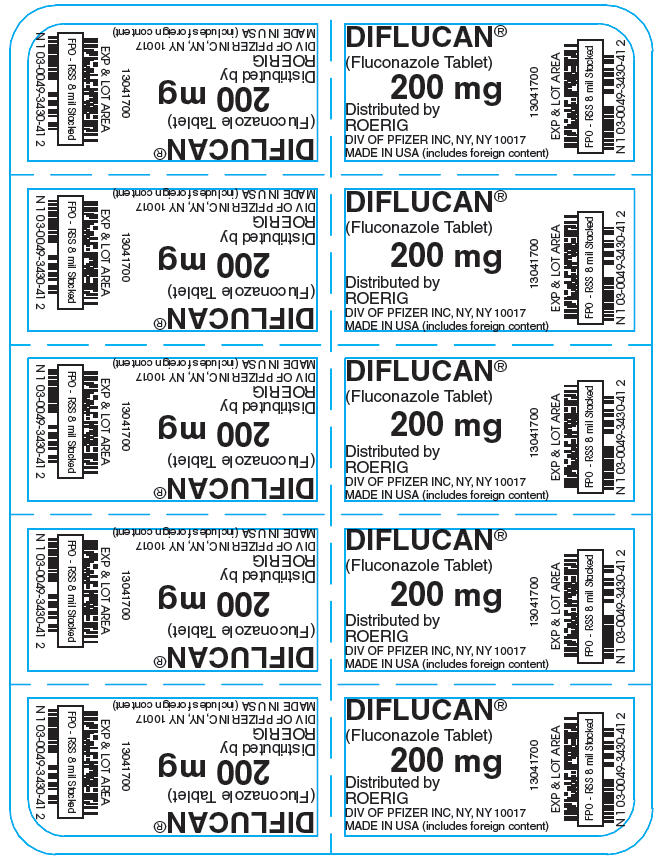
(Fluconazole Tablets)
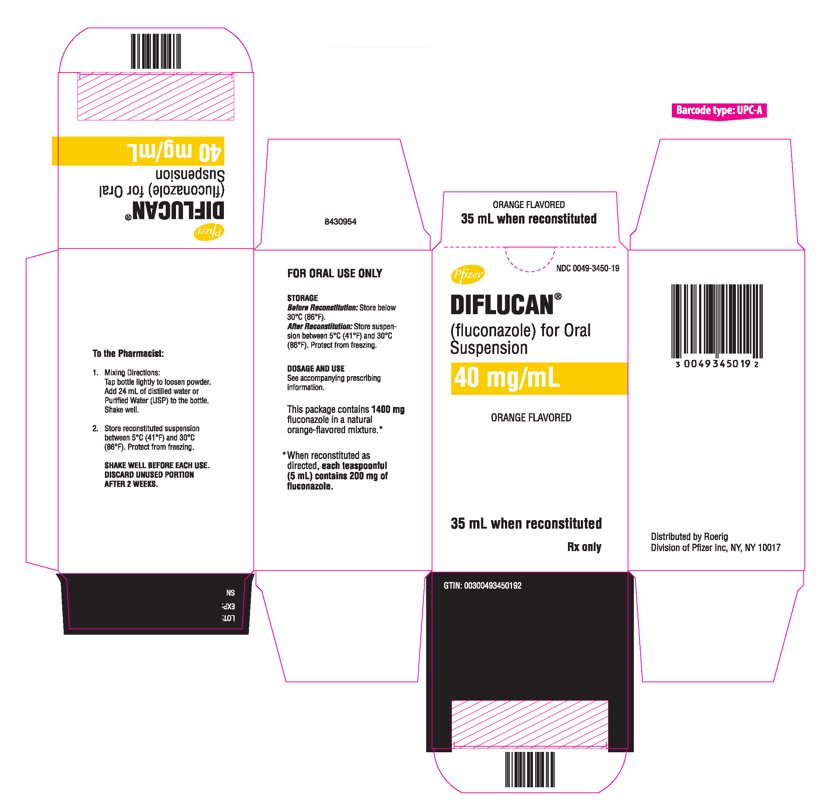
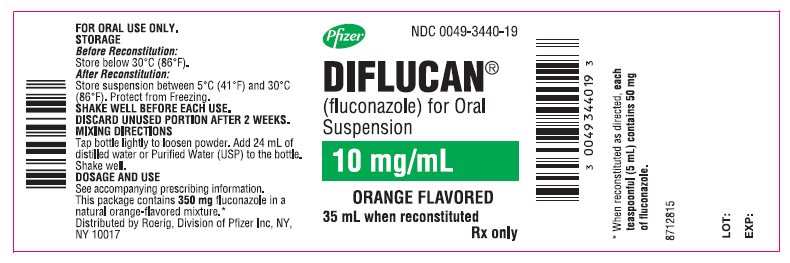
(fluconazole) for Oral
Suspension
35 mL when reconstituted
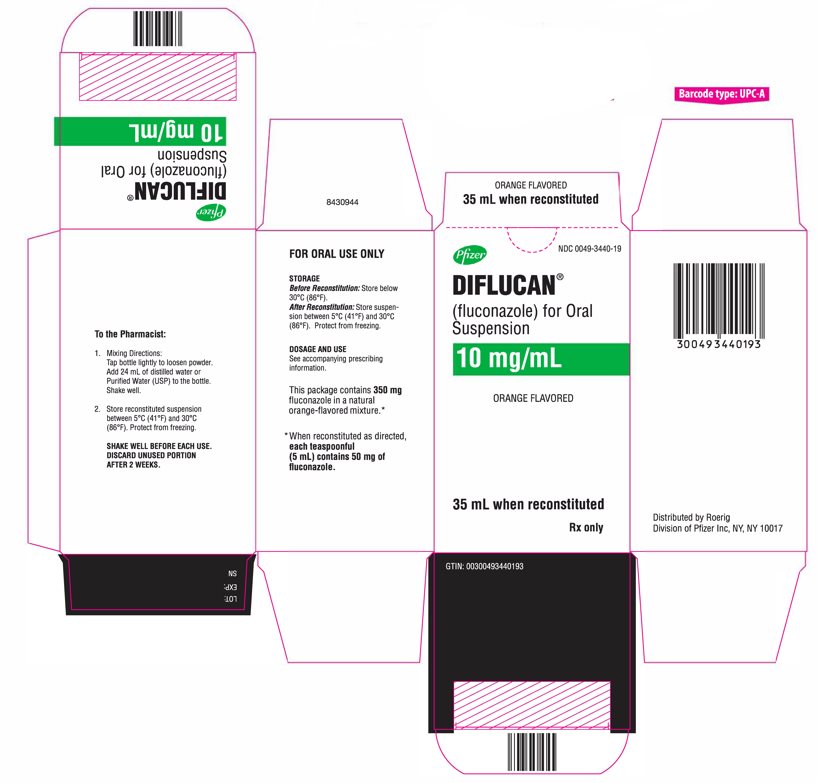
(fluconazole) for Oral
Suspension
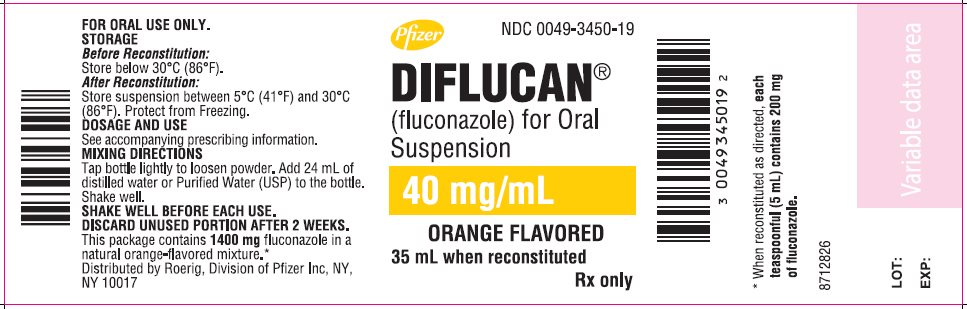
(fluconazole) for Oral
Suspension
35 mL when reconstituted
(fluconazole) for Oral
Suspension