Generic Name

Liraglutide

Brand Names
Victoza, Saxenda, Xultophy
FDA approval date: January 25, 2010
Classification: GLP-1 Receptor Agonist
Form: Injection

What is Victoza (Liraglutide)?

Managing type 2 diabetes isn’t just about numbers on a glucose monitor, it’s about living life with more stability, energy, and confidence. For many adults, controlling blood sugar can be a daily challenge, especially when diet and exercise alone aren’t enough. Victoza (liraglutide) is a medication designed to help people with type 2 diabetes take back control of their health by improving blood sugar management and supporting overall metabolic balance. 

Victoza is a prescription injectable medication belonging to a class of drugs called GLP-1 receptor agonists (glucagon-like peptide-1 receptor agonists). It works by mimicking a natural hormone that helps regulate blood sugar, insulin levels, and appetite. Approved by the U.S. Food and Drug Administration (FDA) in 2010, Victoza has become a trusted, long-term therapy for adults with type 2 diabetes. Victoza has also shown heart health benefits in certain patients. 

What does Victoza do? 

Victoza is primarily used to improve blood sugar control in adults with type 2 diabetes mellitus, alongside diet and exercise. It helps the body lower blood sugar after meals and maintain steadier glucose levels throughout the day. 

By improving how the body responds to food, Victoza helps reduce common diabetes symptoms such as fatigue, thirst, and frequent urination. Many patients also experience gradual weight loss, which can further support blood sugar management and reduce the risk of diabetes complications. 

In clinical studies, patients taking Victoza achieved significant reductions in hemoglobin A1C (HbA1c), a key measure of long-term blood sugar control (NIH, 2024). Additionally, Victoza has been shown to lower the risk of major cardiovascular events, including heart attack and stroke, in adults with type 2 diabetes who have established heart disease (FDA, 2023). 

Victoza is not intended to treat type 1 diabetes or diabetic ketoacidosis, and it should not be used as a substitute for insulin in patients who require insulin therapy. 

How does Victoza work? 

Victoza contains liraglutide, a synthetic version of a natural hormone called GLP-1 (glucagon-like peptide-1). GLP-1 plays a key role in controlling blood sugar levels, especially after eating. 

Victoza works through several mechanisms: 

  1. Stimulates insulin release: It helps the pancreas release more insulin when blood sugar levels rise after meals. 
     
  1. Suppresses glucagon production: Glucagon is a hormone that raises blood sugar. Victoza reduces its release, preventing unnecessary spikes. 
     
  1. Slows stomach emptying: By slowing digestion, it helps control how quickly sugar enters the bloodstream, reducing after-meal glucose surges. 
     
  1. Reduces appetite: Many people taking Victoza feel fuller sooner, which can support weight loss and improve metabolic health. 

Clinically, these effects help maintain smoother, more stable blood sugar levels throughout the day and night. This mechanism not only improves glucose control but also reduces strain on the pancreas and cardiovascular system, helping patients feel better and reduce long-term risks. 

Victoza side effects 

Like all prescription medications, Victoza can cause side effects, though many are mild and improve with continued use. 

Common side effects include: 

  • Nausea or upset stomach (usually improves over time) 
     
  • Vomiting or diarrhea 
     
  • Loss of appetite 
     
  • Headache or fatigue 
     
  • Mild injection site reactions (such as redness or swelling) 

Serious side effects (less common) include: 

  • Signs of pancreatitis (severe abdominal pain, nausea, or vomiting) 
     
  • Gallbladder problems 
     
  • Kidney issues (changes in urination or swelling) 
     
  • Possible thyroid tumors (rare, based on animal studies) 

Patients should contact their healthcare provider immediately if they experience severe stomach pain, difficulty swallowing, shortness of breath, or a lump in the neck, as these could indicate serious complications. 

Victoza is contraindicated in individuals with a personal or family history of medullary thyroid carcinoma (MTC) or multiple endocrine neoplasia syndrome type 2 (MEN 2). Patients on other oral medications should consult their provider about timing due to slowed digestion. Regular monitoring of blood sugar, kidney function, and overall response is crucial for safety and efficacy. 

Victoza dosage 

Victoza is a once-daily subcutaneous injection (abdomen, thigh, or upper arm) that can be taken at any time, with or without food, as long as it’s consistent. Patients usually begin with a low dose to lessen stomach-related side effects, and the dose may be adjusted by a healthcare provider for optimal blood sugar control. Correct use of the multi-dose, prefilled Victoza pen is essential. 

Patients should maintain their diabetes plan (diet, exercise, blood sugar checks). Physicians may order periodic HbA1c tests, and monitor weight and kidney function. Victoza is generally safe for older adults and those with mild kidney or liver impairment, though dose adjustments or closer monitoring may be needed. 

Does Victoza have a generic version? 

As of 2025, no generic version of Victoza (liraglutide) has been approved in the United States. The medication is currently manufactured and marketed by Novo Nordisk. However, international versions may exist in other markets. 

Saxenda, a liraglutide formulation, is FDA-approved for chronic weight management in adults with obesity or overweight conditions, distinct from Victoza. When a generic Victoza becomes available, it must meet FDA standards for bioequivalence, safety, and effectiveness. Patients can explore cost-saving programs or insurance support. 

Conclusion 

Victoza (liraglutide) is a proven and effective treatment that helps adults with type 2 diabetes gain better control over their blood sugar and overall health. By mimicking a natural hormone, it not only stabilizes glucose levels but also supports weight management and cardiovascular protection in high-risk patients. 

While side effects are possible, most are manageable and improve over time. Consistent use, regular follow-up, and open communication with your healthcare provider are key to Victoza’s success. It’s a powerful tool for a long-term, holistic approach to diabetes management, empowering patients to live more freely, confidently, and healthfully. 

References 

  1. U.S. Food and Drug Administration (FDA). (2023). Victoza (liraglutide) prescribing information. Retrieved from https://www.accessdata.fda.gov 
     
  1. Mayo Clinic. (2024). Liraglutide (injection route): Drug information. Retrieved from https://www.mayoclinic.org 
     
  1. MedlinePlus. (2024). Liraglutide injection: Uses, side effects, and precautions. National Library of Medicine. Retrieved from https://medlineplus.gov 
     
  1. National Institutes of Health (NIH). (2024). GLP-1 receptor agonists and type 2 diabetes management. Retrieved from https://www.nih.gov 

Top Global Experts

There are no experts for this drug

Save this treatment for later
Sign Up
Not sure about your diagnosis?
Check Your Symptoms

Related Clinical Trials

There is no clinical trials being done for this treatment

Related Latest Advances

There is no latest advances for this treatment

Brand Information

    Victoza (liraglutide)
    WARNING: RISK OF THYROID C-CELL TUMORS
    • Liraglutide causes dose-dependent and treatment-duration-dependent thyroid C-cell tumors at clinically relevant exposures in both genders of rats and mice. It is unknown whether VICTOZA causes thyroid C-cell tumors, including medullary thyroid carcinoma (MTC), in humans, as the human relevance of liraglutide-induced rodent thyroid C-cell tumors has not been determined
    • VICTOZA is contraindicated in patients with a personal or family history of MTC and in patients with Multiple Endocrine Neoplasia syndrome type 2 (MEN 2). Counsel patients regarding the potential risk for MTC with the use of VICTOZA and inform them of symptoms of thyroid tumors (e.g., a mass in the neck, dysphagia, dyspnea, persistent hoarseness). Routine monitoring of serum calcitonin or using thyroid ultrasound is of uncertain value for early detection of MTC in patients treated with VICTOZA
    1INDICATIONS AND USAGE
    VICTOZA is indicated:
    • as an adjunct to diet and exercise to improve glycemic control in patients 10 years and older with type 2
    • diabetes mellitus,
    • to reduce the risk of major adverse cardiovascular events (cardiovascular death, non-fatal myocardial
    infarction, or non-fatal stroke) in adults with type 2 diabetes mellitus and established cardiovascular disease
    [see Clinical Studies (14.3)].
    Limitations of Use:
    VICTOZA should not be used in patients with type 1 diabetes mellitus.
    VICTOZA contains liraglutide and should not be coadministered with other liraglutide-containing products.
    2DOSAGE FORMS AND STRENGTHS
    Injection: 18 mg/3 mL (6 mg/mL) clear, colorless solution in a pre-filled, single-patient-use pen that delivers doses of 0.6 mg, 1.2 mg, or 1.8 mg.
    3CONTRAINDICATIONS
    • Medullary Thyroid Carcinoma
    VICTOZA is contraindicated in patients with a personal or family history of medullary thyroid carcinoma (MTC) or in patients with Multiple Endocrine Neoplasia syndrome type 2 (MEN 2).
    • Hypersensitivity
    VICTOZA is contraindicated in patients with a serious hypersensitivity reaction to liraglutide or to any of the excipients in VICTOZA. Serious hypersensitivity reactions including anaphylactic reactions and angioedema have been reported with VICTOZA
    4ADVERSE REACTIONS
    The following serious adverse reactions are described below or elsewhere in the prescribing information:
    • Risk of Thyroid C-cell Tumors
    • Pancreatitis
    • Hypoglycemia
    • Renal Impairment
    • Hypersensitivity Reactions
    • Acute Gallbladder Disease
    4.1Clinical Trials Experience
    Because clinical trials are conducted under widely varying conditions, adverse reaction rates observed in the clinical trials of a drug cannot be directly compared to rates in the clinical trials of another drug and may not reflect the rates observed in practice.
    Common Adverse Reactions
    The safety of VICTOZA in subjects with type 2 diabetes was evaluated in 5 glycemic control, placebo-controlled trials in adults and one trial of 52 weeks duration in pediatric patients 10 years of age and older
    Table 1 shows common adverse reactions in adults, excluding hypoglycemia, associated with the use of VICTOZA. These adverse reactions occurred more commonly on VICTOZA than on placebo and occurred in at least 5% of patients treated with VICTOZA. Overall, the type, and severity of adverse reactions in adolescents and children aged 10 years and above were comparable to that observed in the adult population.
    Table 1 Adverse reactions reported in ≥ 5% of VICTOZA-treated patients
    Cumulative proportions were calculated combining studies using Cochran-Mantel-Haenszel weights.
    In an analysis of placebo- and active-controlled trials, the types and frequency of common adverse reactions, excluding hypoglycemia, were similar to those listed in Table 1.
    Other Adverse Reactions
    Gastrointestinal Adverse Reactions
    In the pool of 5 glycemic control, placebo-controlled clinical trials, withdrawals due to gastrointestinal adverse reactions, occurred in 4.3% of VICTOZA-treated patients and 0.5% of placebo-treated patients. Withdrawal due to gastrointestinal adverse events mainly occurred during the first 2-3 months of the trials.
    Injection site reactions
    Injection site reactions (e.g., injection site rash, erythema) were reported in approximately 2% of VICTOZA-treated patients in the five double-blind, glycemic control trials of at least 26 weeks duration. Less than 0.2% of VICTOZA-treated patients discontinued due to injection site reactions.
    Hypoglycemia
    In 5 adult glycemic control, placebo-controlled clinical trials of at least 26 weeks duration, hypoglycemia requiring the assistance of another person for treatment occurred in 8 VICTOZA-treated patients (7.5 events per 1000 patient-years). Of these 8 VICTOZA-treated patients, 7 patients were concomitantly using a sulfonylurea.
    “Patient not able to self-treat” is defined as an event requiring the assistance of another person for treatment.
    In a 26-week pediatric placebo-controlled clinical trial with a 26-week open-label extension, 21.2% of VICTOZA treated patients (mean age 14.6 years) with type 2 diabetes, had hypoglycemia with a blood glucose <54 mg/dL with or without symptoms (335 events per 1000 patient years). No severe hypoglycemic episodes occurred in the VICTOZA treatment group (severe hypoglycemia was defined as an episode requiring assistance of another person to actively administer carbohydrate, glucagon, or other resuscitative actions).
    Papillary thyroid carcinoma
    In glycemic control trials of VICTOZA, there were 7 reported cases of papillary thyroid carcinoma in patients treated with VICTOZA and 1 case in a comparator-treated patient (1.5 vs. 0.5 cases per 1000 patient-years). Most of these papillary thyroid carcinomas were <1 cm in greatest diameter and were diagnosed in surgical pathology specimens after thyroidectomy prompted by findings on protocol-specified screening with serum calcitonin or thyroid ultrasound.
    Cholelithiasis and cholecystitis
    In glycemic control trials of VICTOZA, the incidence of cholelithiasis was 0.3% in both VICTOZA-treated and placebo-treated patients. The incidence of cholecystitis was 0.2% in both VICTOZA-treated and placebo-treated patients.
    In the LEADER trial
    Laboratory Tests
    Bilirubin
    In the five glycemic control trials of at least 26 weeks duration, mildly elevated serum bilirubin concentrations (elevations to no more than twice the upper limit of the reference range) occurred in 4.0% of VICTOZA-treated patients, 2.1% of placebo-treated patients and 3.5% of active-comparator-treated patients. This finding was not accompanied by abnormalities in other liver tests. The significance of this isolated finding is unknown.
    Calcitonin
    Calcitonin, a biological marker of MTC, was measured throughout the clinical development program. At the end of the glycemic control trials, adjusted mean serum calcitonin concentrations were higher in VICTOZA-treated patients compared to placebo-treated patients but not compared to patients receiving active comparator. Between group differences in adjusted mean serum calcitonin values were approximately 0.1 ng/L or less. Among patients with pretreatment calcitonin <20 ng/L, calcitonin elevations to >20 ng/L occurred in 0.7% of VICTOZA-treated patients, 0.3% of placebo-treated patients, and 0.5% of active-comparator-treated patients. The clinical significance of these findings is unknown.
    Lipase and Amylase
    In one glycemic control trial in renal impairment patients, a mean increase of 33% for lipase and 15% for amylase from baseline was observed for VICTOZA-treated patients while placebo-treated patients had a mean decrease in lipase of 3% and a mean increase in amylase of 1%.
    In the LEADER trial, serum lipase and amylase were routinely measured. Among VICTOZA-treated patients, 7.9% had a lipase value at any time during treatment of greater than or equal to 3 times the upper limit of normal compared with 4.5% of placebo-treated patients, and 1% of VICTOZA-treated patients had an amylase value at any time during treatment of greater than or equal to 3 times the upper limit of normal versus 0.7% of placebo-treated patients.
    The clinical significance of elevations in lipase or amylase with VICTOZA is unknown in the absence of other signs and symptoms of pancreatitis
    Vital signs
    VICTOZA did not have adverse effects on blood pressure. Mean increases from baseline in heart rate of 2 to 3 beats per minute have been observed with VICTOZA compared to placebo.
    4.2Immunogenicity
    Consistent with the potentially immunogenic properties of protein and peptide pharmaceuticals, patients treated with VICTOZA may develop anti-liraglutide antibodies. The detection of antibody formation is highly dependent on the sensitivity and specificity of the assay. Additionally, the observed incidence of antibody (including neutralizing antibody) positivity in an assay may be influenced by several factors including assay methodology, sample handling, timing of sample collection, concomitant medications, and underlying disease. For these reasons, the incidence of antibodies to liraglutide cannot be directly compared with the incidence of antibodies of other products.
    Approximately 50-70% of VICTOZA-treated patients in five double-blind clinical trials of 26 weeks duration or longer were tested for the presence of anti-liraglutide antibodies at the end of treatment.  Low titers (concentrations not requiring dilution of serum) of anti-liraglutide antibodies were detected in 8.6% of these VICTOZA-treated patients.  Cross-reacting anti-liraglutide antibodies to native glucagon-like peptide-1 (GLP-1) occurred in 6.9% of the VICTOZA-treated patients in the double-blind 52-week monotherapy trial and in 4.8% of the VICTOZA-treated patients in the double-blind 26-week add-on combination therapy trials.  These cross-reacting antibodies were not tested for neutralizing effect against native GLP-1, and thus the potential for clinically significant neutralization of native GLP-1 was not assessed.  Antibodies that had a neutralizing effect on liraglutide in an
    Antibody formation was not associated with reduced efficacy of VICTOZA when comparing mean HbA1c of all antibody-positive and all antibody-negative patients.  However, the 3 patients with the highest titers of anti-liraglutide antibodies had no reduction in HbA1c with VICTOZA treatment. 
    In five double-blind glycemic control trials of VICTOZA, events from a composite of adverse events potentially related to immunogenicity (e.g., urticaria, angioedema) occurred among 0.8% of VICTOZA-treated patients and among 0.4% of comparator-treated patients. Urticaria accounted for approximately one-half of the events in this composite for VICTOZA-treated patients. Patients who developed anti-liraglutide antibodies were not more likely to develop events from the immunogenicity events composite than were patients who did not develop anti-liraglutide antibodies.
    In the LEADER trial
    Of the 11 VICTOZA-treated patients who developed anti-liraglutide antibodies, none were observed to develop neutralizing antibodies to liraglutide, and 5 patients (0.4%) developed cross-reacting antibodies against native GLP-1.
    In a clinical trial with pediatric patients 10 to 17 years
    4.3Post-Marketing Experience
    The following additional adverse reactions have been reported during post-approval use of VICTOZA. Because these events are reported voluntarily from a population of uncertain size, it is generally not possible to reliably estimate their frequency or establish a causal relationship to drug exposure.
    • Medullary thyroid carcinoma
    • Dehydration resulting from nausea, vomiting and diarrhea.
    • Increased serum creatinine, acute renal failure or worsening of chronic renal failure, sometimes requiring hemodialysis.
    • Angioedema and anaphylactic reactions.
    • Allergic reactions: rash and pruritus
    • Skin and subcutaneous tissue disorder: cutaneous amyloidosis
    • Acute pancreatitis, hemorrhagic and necrotizing pancreatitis sometimes resulting in death
    • Hepatobiliary disorders: hyperbilirubinemia, elevations of liver enzymes, cholestasis, hepatitis, cholecystitis, cholelithiasis requiring cholecystectomy
    5OVERDOSAGE
    Overdoses have been reported in clinical trials and post-marketing use of VICTOZA. Observed effects have included severe nausea, severe vomiting, and severe hypoglycemia. In the event of overdosage, appropriate supportive treatment should be initiated according to the patient’s clinical signs and symptoms.
    6DESCRIPTION
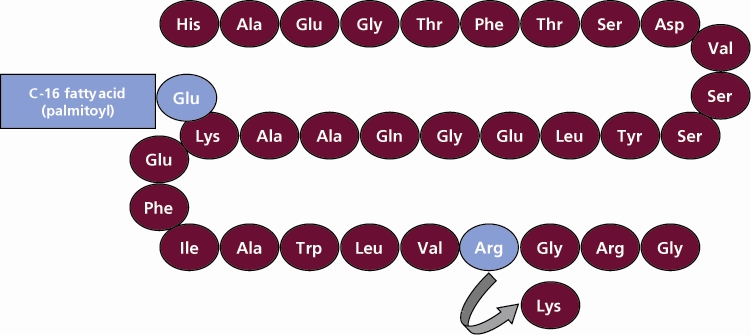
    VICTOZA contains liraglutide, an analog of human GLP-1 and acts as a GLP-1 receptor agonist. The peptide precursor of liraglutide, produced by a process that includes expression of recombinant DNA in
    Figure 1: Structural Formula of liraglutide
    Figure 1 Structural Formula of liraglutide
    VICTOZA injection is a sterile, aqueous, clear, colorless or almost colorless solution for subcutaneous use. Each 1 mL of VICTOZA solution contains 6 mg of liraglutide and the following inactive ingredients: disodium phosphate dihydrate, 1.42 mg; propylene glycol, 14 mg; phenol, 5.5 mg; and water for injection. VICTOZA has a pH of approximately 8.15, hydrochloric acid or sodium hydroxide may be added to adjust pH. Each pre-filled pen contains a 3 mL solution of VICTOZA equivalent to 18 mg liraglutide (free-base, anhydrous).
    7HOW SUPPLIED/STORAGE AND HANDLING
    Product: 50090-2853
    NDC: 50090-2853-0 3 mL in a SYRINGE, PLASTIC / 3 in a CARTON
    8PATIENT COUNSELING INFORMATION
    Advise the patient to read the FDA-approved patient labeling (Medication Guide).
    Risk of Thyroid C-cell Tumors
    Inform patients that liraglutide causes benign and malignant thyroid C-cell tumors in mice and rats and that the human relevance of this finding has not been determined. Counsel patients to report symptoms of thyroid tumors (e.g., a lump in the neck, hoarseness, dysphagia, or dyspnea) to their physician
    Pancreatitis
    Inform patients of the potential risk for pancreatitis. Explain that persistent severe abdominal pain that may radiate to the back and which may or may not be accompanied by vomiting, is the hallmark symptom of acute pancreatitis. Instruct patients to discontinue VICTOZA promptly and contact their physician if persistent severe abdominal pain occurs
    Never Share a VICTOZA Pen Between Patients
    Advise patients that they must never share a VICTOZA pen with another person, even if the needle is changed, because doing so carries a risk for transmission of blood-borne pathogens.
    Hypoglycemia
    Inform patients that hypoglycemia has been reported when VICTOZA is used with insulin secretagogues or insulin and may occur in pediatric patients regardless of concomitant antidiabetic treatment. Educate patients or caregivers on the signs and symptoms of hypoglycemia
    Dehydration and Renal Failure
    Advise patients treated with VICTOZA of the potential risk of dehydration due to gastrointestinal adverse reactions and to take precautions to avoid fluid depletion. Inform patients of the potential risk for worsening renal function, which in some cases may require dialysis
    Hypersensitivity Reactions
    Inform patients that serious hypersensitivity reactions have been reported during postmarketing use of VICTOZA. Advise patients on the symptoms of hypersensitivity reactions and instruct them to stop taking VICTOZA and seek medical advice promptly if such symptoms occur
    Acute Gallbladder Disease
    Inform patients of the potential risk for cholelithiasis or cholecystitis. Instruct patients to contact their physician if cholelithiasis or cholecystitis is suspected for appropriate clinical follow-up
    Jaundice and Hepatitis
    Inform patients that jaundice and hepatitis have been reported during postmarketing use of liraglutide. Instruct patients to contact their physician if they develop jaundice.
    Instructions
    Advise patients that the most common side effects of VICTOZA are headache, nausea and diarrhea. Nausea is most common when first starting VICTOZA, but decreases over time in the majority of patients and does not typically require discontinuation of VICTOZA.
    Inform patients not to take an extra dose of VICTOZA to make up for a missed dose. If a dose is missed, the once-daily regimen should be resumed as prescribed with the next scheduled dose. If more than 3 days have elapsed since the last dose, advise the patient to reinitiate VICTOZA at 0.6 mg to mitigate any gastrointestinal symptoms associated with reinitiation of treatment. VICTOZA should be titrated at the discretion of the prescribing physician
    Manufactured by:
    Novo Nordisk A/S
    DK-2880 Bagsvaerd, Denmark
    Date of Issue: 06/2022
    Version: 15
    VICTOZA
    © 2022 Novo Nordisk
    For information about VICTOZA contact:
    Novo Nordisk Inc.
    800 Scudders Mill Road
    Plainsboro, NJ 08536
    1-877-484-2869
    9MEDICATION GUIDE
    INSTRUCTIONS FOR USE
    Victoza (liraglutide) injection
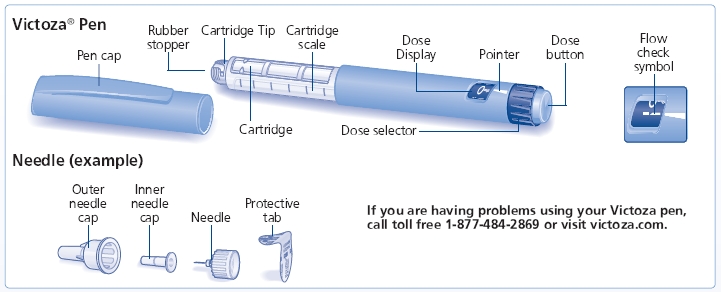
    Victoza Pen and Needle
    First read the Medication Guide that comes with your Victoza single-patient use pen and then read this Patient Instructions for Use for information about how to use your Victoza pen the right way.
    These instructions do not take the place of talking with your healthcare provider about your medical condition or your treatment.
    Do not share your Victoza Pen with other people, even if the needle has been changed. You may give other people a serious infection, or get a serious infection from them.
    Your Victoza pen is a disposable single-patient-use prefilled pen injector that contains 3 mL of Victoza and will deliver doses of 0.6 mg, 1.2 mg or 1.8 mg. The number of doses that you can take with a Victoza pen depends on the dose of medicine that is prescribed for you. Your healthcare provider will tell you how much Victoza to take.
    Victoza pen should be used with Novo Nordisk disposable needles. Talk to your healthcare provider or pharmacist for more information about needles for your Victoza pen.
    Important Information
    • Δ Always use a new needle for each injection to prevent contamination.
    • Δ Always remove the needle after each injection, and store your pen without the needle
    • attached. This reduces the risk of contamination, infection, leakage of liraglutide,
    • blocked needles and inaccurate dosing.
    • Δ Keep your Victoza pen and all medicines out of the reach of children.
    • Δ If you drop your Victoza pen, repeat “First Time Use For Each New Pen” (steps A
    • through D).
    • Δ Be careful not to bend or damage the needle.
    • Δ Do not use the cartridge scale to measure how much Victoza to inject.
    • Δ Be careful when handling used needles to avoid needle stick injuries.
    • Δ You can use your Victoza pen for up to 30 days after you use it the first time.
    First Time Use for Each New Pen
    Step A. Check the Pen
    • Take your new Victoza pen out of the refrigerator.
    • Wash hands with soap and water before use.
    • Check pen label before each use to make sure it is your Victoza pen.
    • Pull off pen cap (See Figure A).
    • Check Victoza in the cartridge. The liquid should be clear, colorless and free of particles. If not, do not use.
    • Wipe the rubber stopper with an alcohol swab.
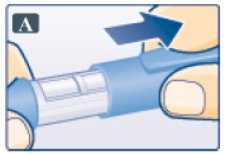
    Fig. A - Pull off pen cap
    Step B. Attach the Needle
    • Remove protective tab from outer needle cap (See Figure B).
    • Push outer needle cap containing the needle straight onto the pen, then screw needle on until secure.
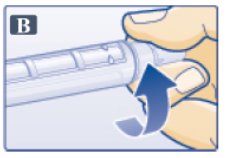
    Fig. B - Remove protective tab.
    • Pull off outer needle cap (See Figure C). Do not throw away
    • Pull off inner needle cap and throw away (See Figure D). A small drop of liquid may appear. This is normal.
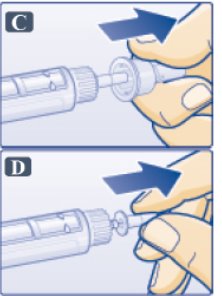
    Fig. C and D -
    Step C. Dial to the Flow Check Symbol
    This step is done only
    • Turn dose selector until flow check symbol (--) lines up with pointer (See Figure E). The flow check symbol does not administer the dose as prescribed by your healthcare provider.
    • To select the dose prescribed by your healthcare provider, continue to Step G under “Routine Use”.
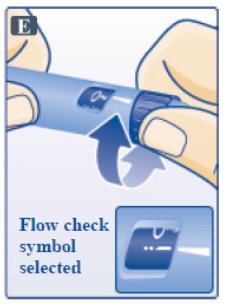
    Fig. E
    Step D. Prepare the Pen
    • Hold pen with needle pointing up.
    • Tap cartridge gently with your finger a few times to bring any air bubbles to the top of the cartridge (See Figure F).
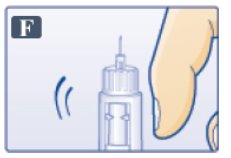
    Fig. F
    • Keep needle pointing up and press dose button until 0 mg lines up with pointer (See Figure G). Repeat steps C and D, up to 6 times, until a drop of Victoza appears at the needle tip.
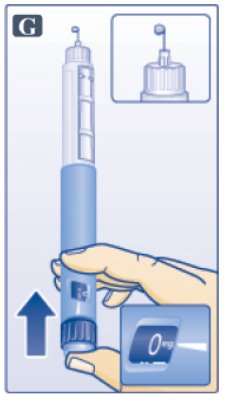
    If you still see no drop of Victoza, use a new pen and contact Novo Nordisk at 1-877-484-2869.
    Continue to Step G under "Routine Use" →
    Fig. G
    Routine Use
    Step E. Check the Pen
    • Take your Victoza pen from where it is stored.
    • Wash hands with soap and water before use.
    • Check pen label before each use to make sure it is your Victoza pen.
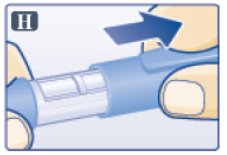
    • Pull off pen cap (See Figure H).
    Fig. H - Pull off pen cap.
    • Check Victoza in the cartridge. The liquid should be clear, colorless and free of particles. If not, do not use.
    • Wipe the rubber stopper with an alcohol swab.
    Step F. Attach the Needle
    • Remove protective tab from outer needle cap.
    • Push outer needle cap containing the needle straight onto the pen, then screw needle on until secure (See Figure I).
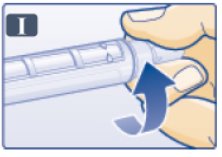
    Fig. I
    • Pull off outer needle cap. Do not throw away (See Figure J).
    • Pull off inner needle cap and throw away (See Figure K). A small drop of liquid may appear. This is normal.
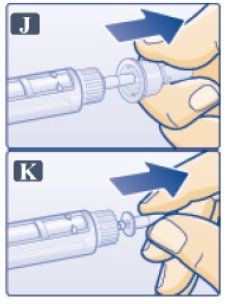
    Fig. J-K
    Step G. Dial the Dose
    • Victoza pen can give a dose of 0.6 mg (starting dose), 1.2 mg or 1.8 mg. Be sure that you know the dose of Victoza that is prescribed for you.
    • Turn the dose selector until your needed dose lines up with the pointer (0.6 mg, 1.2 mg or 1.8 mg) (See Figure L).
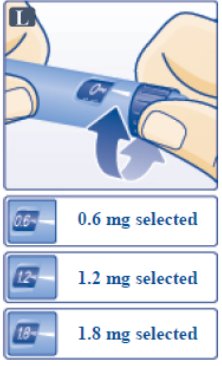
    Fig. L
    • You will hear a "click" every time you turn the dose selector.
    • If you select a wrong dose, change it by turning the dose selector backwards or forwards until the correct dose lines up with the pointer. Be careful not to press the dose button when turning the dose selector. This may cause Victoza to come out.
    Step H. Injecting the Dose
    • Insert needle into your skin in the stomach (abdomen), thigh or upper arm. Use the injection technique shown to you by your healthcare provider.
    • Press down on the center of the dose button to inject until 0 mg lines up with the pointer (See Figure M).
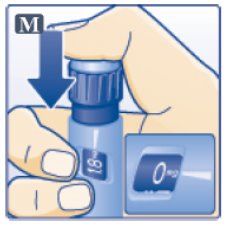
    Fig. M
    • Be careful not to touch the dose display with your other fingers. This may block the injection.
    • Keep the dose button pressed down and make sure that you keep the needle under the skin for a full count of 6 seconds to make sure the full dose is injected. Keep your thumb on the injection button until you remove the needle from your skin (See Figure N).
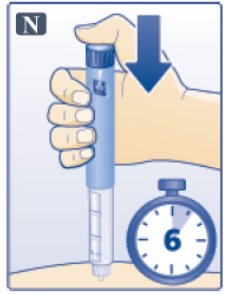
    Fig. N
    • Change (rotate) your injection sites within the area you choose for each dose.
    Step I. Withdraw Needle
    • You may see a drop of Victoza at the needle tip. This is normal and it does not affect the dose you just received. If blood appears after you take the needle out of your skin, apply light pressure, but
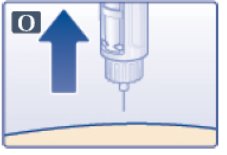
    Fig. O
    Step J. Remove and Dispose of the Needle
    • Carefully put the outer needle cap over the needle (See Figure P). Unscrew the needle.
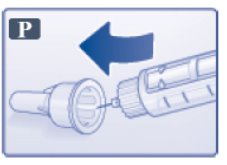
    Fig. P
    • Safely remove the needle from your Victoza pen after each use.
    • Put your used VICTOZA pen and needles in a FDA-cleared sharps disposal container right away after use. Do not throw away (dispose of) loose needles and pens in your household trash.
    • If you do not have a FDA-cleared sharps disposal container, you may use a household container that is:
    • made of a heavy-duty plastic
    • can be closed with a tight-fitting, puncture-resistant lid, without sharps being able to come out
    • upright and stable during use
    • leak-resistant
    • properly labeled to warn of hazardous waste inside the container
    • When your sharps disposal container is almost full, you will need to follow your community guidelines for the right way to dispose of your sharps disposal container. There may be state or local laws about how you should throw away used needles and syringes. Do not reuse or share your needles with other people. For more information about the safe sharps disposal, and for specific information about sharps disposal in the state that you live in, go to the FDA’s website at:
    • Do not dispose of your used sharps disposal container in your household trash unless your community guidelines permit this. Do not recycle your used sharps disposal container.
    Caring for your Victoza pen
    • After removing the needle, put the pen cap on your Victoza pen and store your Victoza pen without the needle attached (See Figure Q).
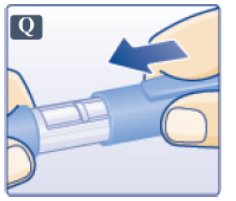
    Fig. Q
    • Do not try to refill your Victoza pen - it is prefilled and is disposable.
    • Do not try to repair your pen or pull it apart.
    • Keep your Victoza pen away from dust, dirt and liquids.
    • If cleaning is needed, wipe the outside of the pen with a clean, damp cloth.
    How should I store Victoza?
    Before use:
    • Store your new, unused Victoza pen in the refrigerator at 36ºF to 46ºF (2ºC to 8ºC).
    • If Victoza is stored outside of refrigeration (by mistake) prior to first use, it should be used or thrown away within 30 days.
    • Do not freeze Victoza or use Victoza if it has been frozen. Do not store Victoza near the refrigerator cooling element.
    Pen in use:
    • Use a Victoza pen for only 30 days. Throw away a used Victoza pen 30 days after you start using it, even if some medicine is left in the pen.
    • Store your Victoza pen at 59ºF to 86ºF (15ºC to 30ºC), or in a refrigerator at 36ºF to 46ºF (2°C to 8°C).
    • When carrying the pen away from home, store the pen at a temperature between 59ºF to 86ºF (15ºC to 30ºC).
    • If Victoza has been exposed to temperatures above 86ºF (30°C), it should be thrown away.
    • Protect your Victoza pen from heat and sunlight.
    • Keep the pen cap on when your Victoza pen is not in use.
    • Always remove the needle after each injection and store your pen without the needle attached. This reduces the risk of contamination, infection, leakage and inaccurate dosing.
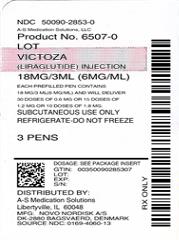
    10liraglutide (rDNA origin) injection
    Label Image
    Victoza has been selected.