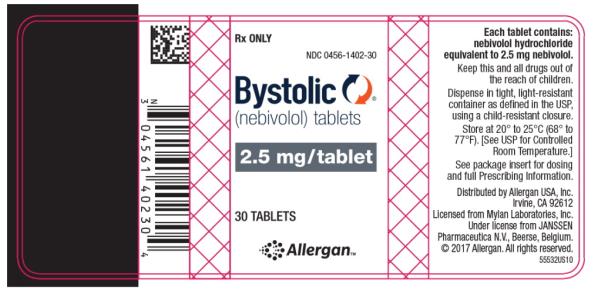
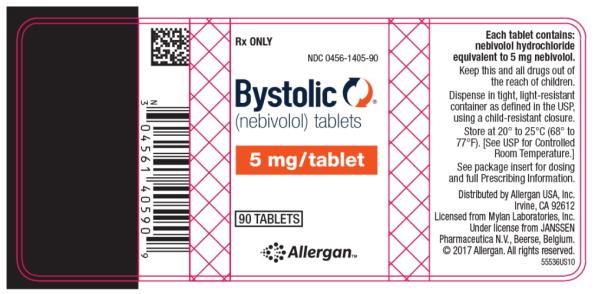
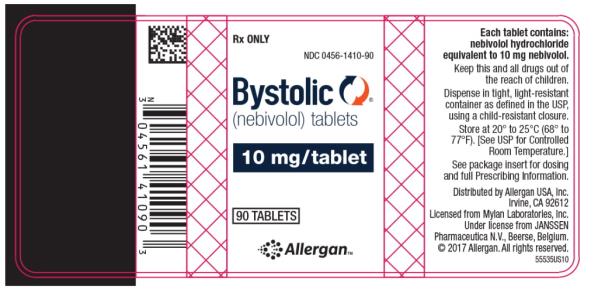
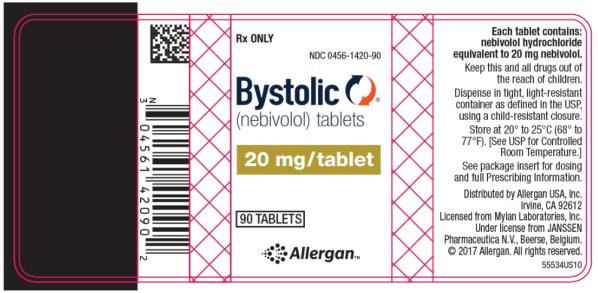
Bystolic
What is Bystolic (Nebivolol)?
Approved To Treat


Related Clinical Trials
Summary: The HYIMPACT study (IMPACT of Nebilet® in Blood Pressure Control in Patients with Hypertension) is a multinational, multicenter, observational, prospective, longitudinal real-world evidence study designed to assess the effectiveness and safety of Nebilet® (nebivolol) in hypertensive patients. The study aims to evaluate changes in systolic and diastolic blood pressure from baseline to 12, 24, and 3...
Summary: The goal of this clinical trial is to test in patients with diabetic neuropathy, * Can Nevibolol at a dose of 2.5 mg- 10 mg compared with standard pain modulating treatment conserve the mean nerve action potential amplitude (sural and tibial nerves) at 24 weeks follow- up. * Can Nevibolol at a dose of 2.5 mg- 10 mg compared with a combination of Alpha Lipoic Acid (600 mg/day)+EPALRESTAT (150 mg/da...
Summary: Investigators will determine whether N-of-1 trials, as a pragmatic, participant-centered approach to medication optimization that can overcome key barriers of deprescribing, can lead to increased participant confidence regarding their preference to continue or discontinue beta-blockers in older adults with Heart Failure with Preserved Ejection Fraction (HFpEF).
Related Latest Advances
Brand Information
- Severe bradycardia
- Heart block greater than first degree
- Patients with cardiogenic shock
- Decompensated cardiac failure
- Sick sinus syndrome (unless a permanent pacemaker is in place)
- Patients with severe hepatic impairment (Child-Pugh >B)
- Patients who are hypersensitive to any component of this product.
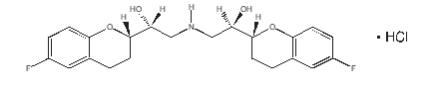
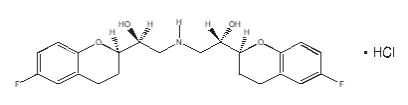
- Patient Advice
- High blood pressure (hypertension)
- Have heart failure and are in the ICU or need medicines to keep up your blood circulation
- Have a slow heartbeat or your heart skips beats (irregular heartbeat)
- Have severe liver damage
- Are allergic to any ingredient in BYSTOLIC. The active ingredient is nebivolol. See the end of this leaflet for a list of ingredients.
- Have asthma or other lung problems (such as bronchitis or emphysema)
- Have problems with blood flow in your feet and legs (peripheral vascular disease) BYSTOLIC can make symptoms of blood flow problems worse.
- Have diabetes and take medicine to control blood sugar
- Have thyroid problems
- Have liver or kidney problems
- Had allergic reactions to medications or have allergies
- Have a condition called pheochromocytoma
- Are pregnant or trying to become pregnant. It is not known if BYSTOLIC is safe for your unborn baby. Talk with your doctor about the best way to treat high blood pressure while you are pregnant.
- Are breastfeeding. It is not known if BYSTOLIC passes into your breast milk. You should not breastfeed while using BYSTOLIC.
- Are scheduled for surgery and will be given anesthetic agents
- Do not suddenly stop taking BYSTOLIC. You could have chest pain or a heart attack. If your doctor decides to stop BYSTOLIC, your doctor may slowly lower your dose over time before stopping it completely.
- Take BYSTOLIC every day exactly as your doctor tells you. Your doctor will tell you how much BYSTOLIC to take and how often. Your doctor may start with a low dose and raise it over time.
- Do not stop taking BYSTOLIC or change your dose without talking with your doctor.
- Take BYSTOLIC with or without food.
- If you miss a dose, take your dose as soon as you remember, unless it is close to the time to take your next dose. Do not take 2 doses at the same time. Take your next dose at the usual time.
- If you take too much BYSTOLIC, call your doctor or poison control center right away.
- Low blood pressure and feeling dizzy. If you feel dizzy, sit or lie down and tell your doctor right away.
- Tiredness
- Slow heartbeat
- Headache
- Leg swelling due to fluid retention (edema). Tell your doctor if you gain weight or have trouble breathing while taking BYSTOLIC.
- If you are diabetic or take medicine for high blood sugar or if you have a tendency to have low blood sugar, Bystolic can mask/cover some of the signs and symptoms that would tell you that your blood sugar may be low, like heart palpitations or rapid heart beating. Ask your doctor for other signs that may alert you when having low blood sugar.
- Store BYSTOLIC between 68° to 77°F (20° - 25°C).
- Safely throw away BYSTOLIC that is out of date or no longer needed.
- Keep BYSTOLIC and all medicines out of the reach of children.
- Only use BYSTOLIC for the medical problem it was prescribed for.
- Do not give BYSTOLIC to other people, even if they have the same symptoms. It may harm them.
- Talk with your doctor.
- Ask your doctor or pharmacist for information about BYSTOLIC that is written for healthcare professionals.
- Visit www.BYSTOLIC.com on the web or call 1-800-678-1605.
Licensed from Mylan Laboratories, Inc.