Glycopyrrolate
What is Robinul (Glycopyrrolate)?
Excessive sweating, drooling, or stomach acid can interfere with daily comfort, confidence, and social interactions. For many people, these symptoms are not just inconveniences, they affect quality of life and emotional well-being. Robinul (glycopyrrolate) is a medication designed to help manage these kinds of problems by reducing the body’s natural secretions.
Robinul belongs to a class of drugs called anticholinergics, which block the effects of a chemical messenger known as acetylcholine. Acetylcholine helps control muscle movements and gland secretions in the body. By limiting its action, Robinul helps reduce saliva, sweat, and stomach acid production.
This medication has been used for decades in hospitals, clinics, and home care settings. It can be prescribed to manage chronic conditions like peptic ulcers, excessive sweating (hyperhidrosis), or excess saliva (sialorrhea), and to control secretions during surgery. Because of its versatility and safety record, Robinul remains a trusted treatment for various conditions affecting the body’s autonomic functions.
What does Robinul do?
Robinul helps reduce the body’s production of fluids such as saliva, stomach acid, mucus, and sweat. Depending on the condition, this can provide meaningful relief and improve comfort.
It is commonly prescribed for:
- Peptic ulcer disease: To lower stomach acid and protect the stomach lining, easing symptoms like burning pain and indigestion.
- Excessive drooling (sialorrhea): Common in neurological conditions like Parkinson’s disease or cerebral palsy, where saliva control is difficult. Robinul helps patients feel more comfortable and confident in social situations.
- Excessive sweating (hyperhidrosis): For people who experience constant sweating unrelated to heat or exercise, glycopyrrolate can help control moisture and improve quality of life.
- Surgical use: Before or during surgery, Robinul may be given to dry respiratory and salivary secretions and to help control heart rhythm.
In studies and clinical practice, patients using Robinul often report reduced secretions and better symptom control within days of consistent use (NIH, 2024). For many, the benefits include improved social ease, reduced skin irritation, and greater day-to-day comfort.
How does Robinul work?
Robinul works by blocking the action of acetylcholine, a natural substance that transmits signals between nerves and muscles. When acetylcholine binds to certain receptors, it stimulates glands to release fluids like saliva, stomach acid, and sweat.
By attaching to these same receptors, glycopyrrolate prevents acetylcholine from activating them, leading to decreased secretions. This effect helps keep the mouth, skin, and digestive tract drier and calmer.
In simple terms, Robinul helps the body “turn down” its overactive secretory functions. Clinically, this mechanism is important because it:
- Reduces stomach acid, helping heal and prevent ulcers.
- Limits saliva production, easing drooling in patients with neurological disorders.
- Controls excessive sweating, especially when topical treatments or other medications have failed.
Unlike some anticholinergic drugs, glycopyrrolate does not easily cross the blood–brain barrier, meaning it typically causes fewer central nervous system side effects such as confusion or drowsiness, a key advantage for older adults and those sensitive to such effects.
Robinul side effects
While Robinul is generally well tolerated, it can cause side effects, especially when higher doses are used. Most are mild and temporary.
Common side effects include:
- Dry mouth or throat
- Constipation
- Blurred vision
- Drowsiness or dizziness
- Difficulty urinating
- Mild headache
Less common but potentially serious side effects:
- Rapid or irregular heartbeat
- Severe allergic reaction (rash, itching, swelling, or breathing difficulty)
- Eye pain or sensitivity to light (possible increase in eye pressure)
- Confusion or agitation, particularly in older adults
Because Robinul decreases sweating, patients should avoid overheating or dehydration, especially in hot weather or during exercise.
Who should avoid Robinul:
People with glaucoma, severe ulcerative colitis, urinary blockage, myasthenia gravis, or certain heart problems should not use glycopyrrolate unless a doctor determines it is safe. Pregnant or breastfeeding women should consult their healthcare provider before starting the medication.
If symptoms like chest pain, extreme dizziness, or trouble breathing occur, immediate medical attention is required.
Robinul dosage
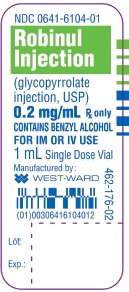
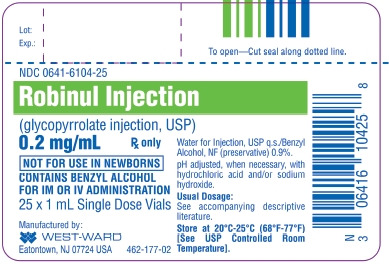
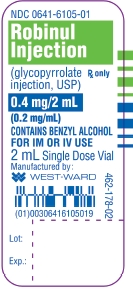
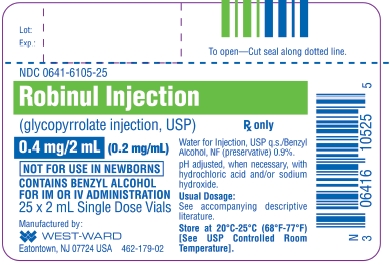
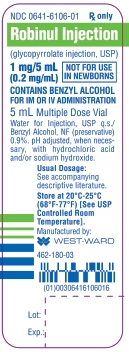
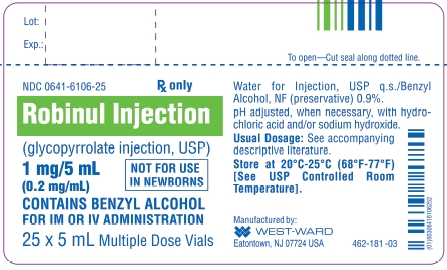
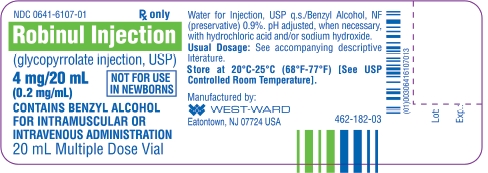
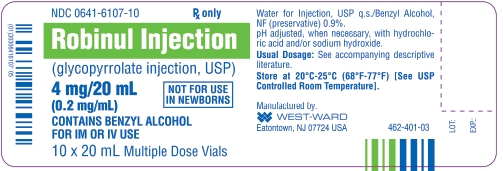
Robinul comes in tablet, liquid, and injectable forms, used for drooling, ulcers, sweating, or surgical secretions/heart rhythm control. Dosage varies by age, condition, and response, often starting low and adjusted by doctors.
Regular follow-up is important. Healthcare providers monitor hydration and electrolyte levels, heart rate and blood pressure (glycopyrrolate may slightly elevate them), and eye pressure in those with glaucoma risk.
Older adults are often more sensitive to anticholinergics; doctors may prescribe lower doses to minimize side effects like confusion or constipation.
Does Robinul have a generic version?
Yes. Glycopyrrolate is the generic version of Robinul and is FDA-approved. It is available in the same forms tablets, liquid, and injection and contains the identical active ingredient.
Generic glycopyrrolate is as effective, safe, and reliable as brand-name Robinul, offering the same benefits at a lower cost. Robinul or Cuvposa may be prescribed for specific needs like liquid formulations.
Conclusion
Robinul (glycopyrrolate) is a trusted and effective medication for controlling excessive secretions, including saliva, stomach acid, and sweat. Whether prescribed for a chronic condition like drooling or sweating, or for short-term surgical preparation, it helps patients feel more comfortable, confident, and in control of their bodies.
Manageable side effects like dry mouth or constipation can occur, but most patients see significant improvement when taking Robinul as prescribed. Open communication with your healthcare provider is crucial for long-term treatment. Report unusual symptoms, follow dosing, and attend checkups for safe, effective therapy. Responsible use of Robinul can significantly improve comfort and quality of life.
References
- Mayo Clinic. (2024). Glycopyrrolate (oral route, injection route) description and precautions. Retrieved from https://www.mayoclinic.org
- MedlinePlus. (2024). Glycopyrrolate: Drug information. National Library of Medicine. Retrieved from https://medlineplus.gov
- U.S. Food and Drug Administration (FDA). (2023). Approved Drug Products: Glycopyrrolate. Retrieved from https://www.accessdata.fda.gov
- National Institutes of Health (NIH). (2024). Anticholinergic medications and their clinical uses. Retrieved from https://www.nih.gov
Top Global Experts
There are no experts for this drug
Related Clinical Trials
There is no clinical trials being done for this treatment
Related Latest Advances
There is no latest advances for this treatment
Brand Information
Eatontown, NJ 07724 USA