Brand Name

Aggrastat

Generic Name
Tirofiban
View Brand Information
FDA approval date: May 14, 1998
Classification: Platelet Aggregation Inhibitor
Form: Injection

What is Aggrastat (Tirofiban)?

Tirofiban hydrochloride injection is indicated to reduce the rate of thrombotic cardiovascular events in patients with non-ST elevation acute coronary syndrome . Tirofiban hydrochloride injection is a platelet aggregation inhibitor indicated to reduce the rate of thrombotic cardiovascular events in patients with non-ST elevation acute coronary syndrome .
Save this treatment for later
Sign Up
Not sure about your diagnosis?
Check Your Symptoms

Related Clinical Trials

Endovascular Therapy Combined With Tirofiban for Intracranial Atherosclerotic Acute Ischemic Stroke: A Multicenter, Prospective, Double-blind, Vehicle-controlled, Randomized Controlled Trial

Summary: This randomized controlled trial aims to evaluate whether adjunctive tirofiban therapy combined with endovascular treatment (EVT) improves neurological outcomes in patients with acute large vessel occlusion due to large-artery atherosclerosis. Patients will be randomized to receive either tirofiban or matching placebo after EVT. The primary efficacy endpoint is the proportion of patients achieving...

Safety and Efficacy of Adjunct Tirofiban Treatment After Successful Mechanical Thrombectomy Recanalization in Acute Anterior Circulation Ischemic Stroke- A Multicenter, Prospective, Double-blind, Randomized Trial

Summary: Acute ischemic stroke with large vessel occlusion is a frequently occurring life-threatening condition. Although endovascular treatment can effectively open occluded vessels, the successful reperfusion rate exceeds 80%, but the rate of good prognosis is less than 50%. The current clinical focus is on how to improve futile recanalization. Tirofiban is widely used in the treatment of stroke, as it c...

Tirofiban With Sequential Dual Antiplatelet Therapy Versus Dual Antiplatelet Therapy Alone in Mild Acute Ischemic Stroke (TiMIS): A Multicenter, Open-Label, Blinded-Endpoint, Parallel-Controlled, Randomized Clinical Trial

Summary: This study aims to evaluate whether initiating intravenous tirofiban within 48 hours of onset (with a 48-hour infusion), followed by sequential DAPT, can improve the likelihood of excellent functional outcomes (modified Rankin Scale score 0-1) in mild stroke patients, compared with standard DAPT therapy based on current guidelines.

Brand Information

AGGRASTAT (TIROFIBAN)
1INDICATIONS AND USAGE
AGGRASTAT® is indicated to reduce the rate of thrombotic cardiovascular events (combined endpoint of death, myocardial infarction, or refractory ischemia/repeat cardiac procedure) in patients with non-ST elevation acute coronary syndrome (NSTE-ACS).
2DOSAGE FORMS AND STRENGTHS
AGGRASTAT is a clear, non-preserved, colorless, isosmotic, sterile premixed injection with sodium chloride for tonicity adjustment available in the following presentations:
3CONTRAINDICATIONS
AGGRASTAT is contraindicated in patients with:
  • Severe hypersensitivity reaction to AGGRASTAT (i.e., anaphylactic reactions)
  • A history of thrombocytopenia following prior exposure to AGGRASTAT
  • Active internal bleeding or a history of bleeding diathesis, major surgical procedure or severe physical trauma within the previous month [see
4DRUG INTERACTIONS
Concomitant use of fibrinolytics, anticoagulants and antiplatelet drugs increases the risk of bleeding.
5OVERDOSAGE
In clinical trials, inadvertent overdosage with AGGRASTAT occurred in doses up to 2 times the recommended dose for initial infusion doses. Inadvertent overdosage occurred in doses up to 9.8 times the 0.15 mcg/kg/min maintenance infusion rate.
The most frequently reported manifestation of overdosage was bleeding, primarily minor mucocutaneous bleeding events and minor bleeding at the sites of cardiac catheterization
Overdosage of AGGRASTAT should be treated by assessment of the patient’s clinical condition and cessation or adjustment of the drug infusion as appropriate.
AGGRASTAT can be removed by hemodialysis.
6DESCRIPTION
AGGRASTAT contains tirofiban hydrochloride, a non-peptide antagonist of the platelet GP IIb/IIIa receptor, which inhibits platelet aggregation.
Tirofiban hydrochloride monohydrate is chemically described as
Its molecular formula is C
structure
Tirofiban hydrochloride monohydrate is a white to off-white, non-hygroscopic, free-flowing powder, with a molecular weight of 495.08. It is very slightly soluble in water.
AGGRASTAT Injection Premixed is supplied as a sterile solution in water for injection, for intravenous use. The pH of the solution ranges from 5.5 to 6.5 adjusted with hydrochloric acid and/or sodium hydroxide.
Each 100 mL of the premixed, isosmotic intravenous injection contains 5.618 mg tirofiban hydrochloride monohydrate equivalent to 5 mg tirofiban (50 mcg/mL) and the following inactive ingredients: 0.9 g sodium chloride, 54 mg sodium citrate dihydrate, and 3.2 mg citric acid anhydrous.
Each 250 mL of the premixed, isosmotic intravenous injection contains 14.045 mg tirofiban hydrochloride monohydrate equivalent to 12.5 mg tirofiban (50 mcg/mL) and the following inactive ingredients: 2.25 g sodium chloride, 135 mg sodium citrate dihydrate, and 8 mg citric acid anhydrous.
AGGRASTAT Injection Premixed Bolus Vial is supplied as a sterile, isosmotic, concentrated solution for intravenous bolus injection, in 15 mL vials. No dilution is required. Each 15 mL of the premixed, isosmotic intravenous injection bolus vial contains 4.215 mg of tirofiban hydrochloride monohydrate equivalent to 3.75 mg of tirofiban and the following inactive ingredients: 120 mg sodium chloride, 40.5 mg sodium citrate dihydrate, and 2.4 mg citric acid anhydrous and water for injection.
7CLINICAL STUDIES
Two large-scale clinical studies established the efficacy of AGGRASTAT in the treatment of patients with NSTE-ACS (unstable angina/non-ST elevation MI). The two studies examined AGGRASTAT alone and added to heparin, prior to and after percutaneous coronary revascularization (if indicated) (PRISM-PLUS) and in comparison to heparin in a similar population (PRISM). These trials are discussed in detail below.
PRISM-PLUS (Platelet Receptor Inhibition for Ischemic Syndrome Management — Patients Limited by Unstable Signs and Symptoms)
In the double-blind PRISM-PLUS trial, 1570 patients with documented NSTE-ACS within 12 hours of entry into the study were randomized to AGGRASTAT (30 minute initial infusion of 0.4 mcg/kg/min followed by a maintenance infusion of 0.10 mcg/kg/min) in combination with heparin (bolus of 5,000 U followed by an infusion of 1,000 U/h titrated to maintain an activated partial thromboplastin time (APTT) of approximately 2 times control) or to heparin alone. All patients received concomitant aspirin unless contraindicated. Patients who were medically managed or who underwent revascularization procedures were studied. Patients underwent 48 hours of medical stabilization on study drug therapy, and they were to undergo angiography before 96 hours (and, if indicated, angioplasty/atherectomy, while continuing on AGGRASTAT and heparin for 12-24 hours after the procedure). AGGRASTAT and heparin could be continued for up to 108 hours. Exclusions included contraindications to anticoagulation, decompensated heart failure, platelet count <150,000/mm
A third group of patients was initially randomized to AGGRASTAT alone (no heparin). This arm was stopped when the group was found, at an interim look, to have greater mortality than the other two groups.
The primary endpoint of the study was a composite of refractory ischemia, new MI and death within 7 days. There was a 32% risk reduction in the overall composite primary endpoint. The components of the composite were examined separately and the results are shown in Table 6. Note that the sum of the individual components may be greater than the composite (if a patient experiences multiple component events only one event counts towards the composite).
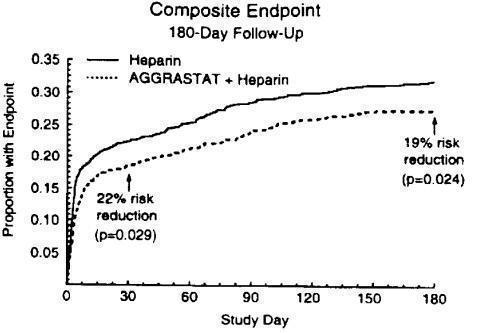
The benefit seen at 7 days was maintained over time. The risk reduction in the composite endpoint at 30 days and 6 months is shown in the Kaplan-Meier curve below.
figure1
Figure 1. Time to first event of death, new MI, or refractory ischemia in PRISM-PLUS
An analysis of the results by sex suggests that women who are medically managed or who undergo subsequent percutaneous transluminal coronary angioplasty (PTCA)/atherectomy may receive less benefit from AGGRASTAT (95% confidence limits for relative risk of 0.61-1.74) than do men (0.43-0.89) (p=0.11). This difference may be a true treatment difference, the effect of other differences in these subgroups, or a chance occurrence.
Approximately 90% of patients in the PRISM-PLUS study underwent coronary angiography and 30% underwent angioplasty/atherectomy during the first 30 days of the study. The majority of these patients continued on study drug throughout these procedures. AGGRASTAT was continued for 12-24 hours (average 15 hours) after angioplasty/atherectomy. The effects of AGGRASTAT at Day 30 did not appear to differ among sub-populations that did or did not receive PTCA or CABG, both prior to and after the procedure.
PRISM (Platelet Receptor Inhibition for Ischemic Syndrome Management)
In the PRISM study, a randomized, parallel, double-blind study, 3232 patients with NSTE-ACS intended to be managed without coronary intervention were randomized to AGGRASTAT (initial dose of 0.6 mcg/kg/min for 30 minutes followed by 0.15 mcg/kg/min for 47.5 hours) or heparin (5000-unit intravenous bolus followed by an infusion of 1000 U/h for 48 hours). The mean age of the population was 62 years; 32% of the population was female and 25% had non-ST elevation MI on presentation. Thirty percent had no ECG evidence of cardiac ischemia. Exclusion criteria were similar to PRISM-PLUS. The primary endpoint was the composite endpoint of refractory ischemia, MI or death at the end of the 48-hour drug infusion. The results are shown in Table 7.
In the PRISM study, no adverse effect of AGGRASTAT on mortality at either 7 or 30 days was detected. This result is different from that in the PRISM-PLUS study, where the arm that included AGGRASTAT without heparin (N=345) was dropped at an interim analysis by the Data Safety Monitoring Committee for increased mortality at 7 days.
8HOW SUPPLIED/STORAGE AND HANDLING
AGGRASTAT is supplied as a clear, non-preserved, colorless, isosmotic, sterile premixed solution with sodium chloride for tonicity adjustment.
 FOR INTRAVENOUS USE ONLY
Store AGGRASTAT at controlled room temperature, 25°C (77°F) with excursions permitted between 15-30°C (59-86°F) [see USP Controlled Room Temperature]. Do not freeze. Protect from light during storage.
9PATIENT COUNSELING INFORMATION
Advise patients to watch closely for any signs of bleeding or bruising and to report these to their health care provider when they occur.
Advise patients to discuss with their health care provider their use of any other medications, including over-the-counter or herbal products prior to AGGRASTAT use.
Patent: www.medicure.com/aggrastat/patents
AGGRASTAT is manufactured for:
MEDICURE INTERNATIONAL, INC.
by:
EMERGENT BIOSOLUTIONS
Baltimore, Maryland 21230 USA
And
LABORATORIOS GRIFOLS S.A
08150 Parets del Vallès (Barcelona), Spain
Distributed by:
MEDICURE PHARMA, INC.
Novaplus is a registered trademark of Vizient, Inc.
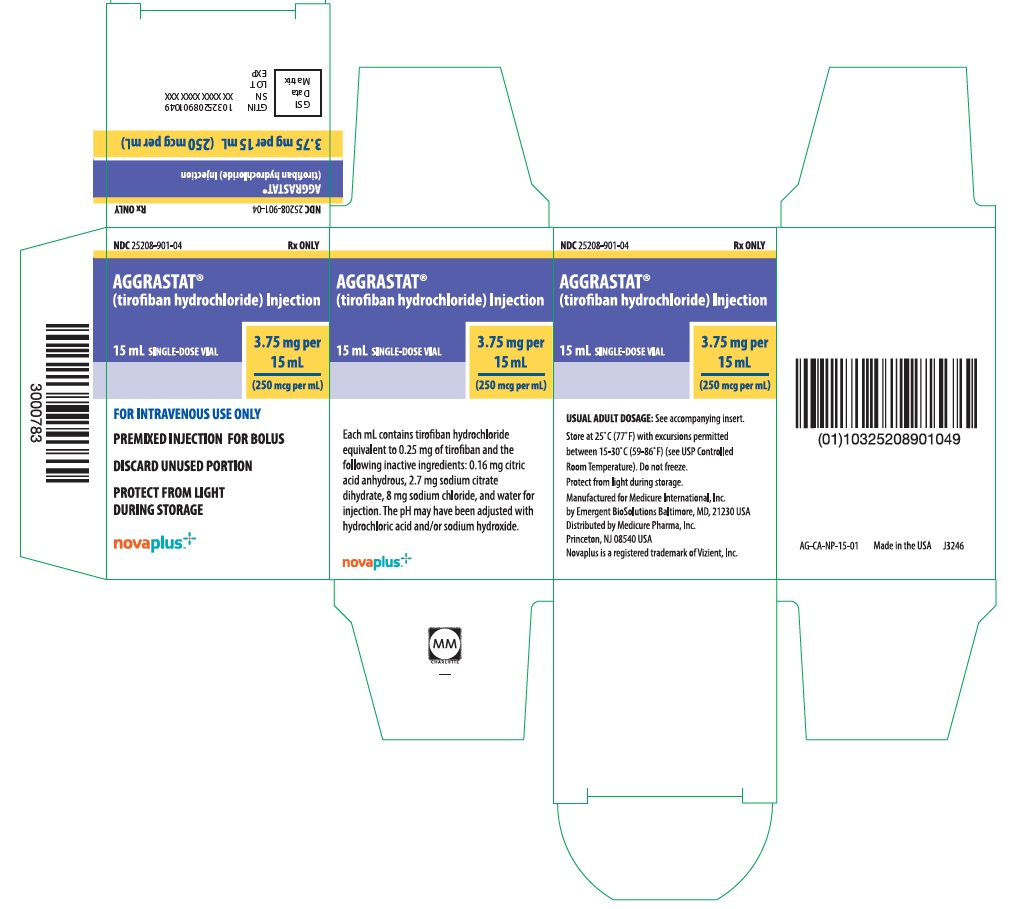
10Carton 3.75 mg/15 mL - Bolus vial
small-carton
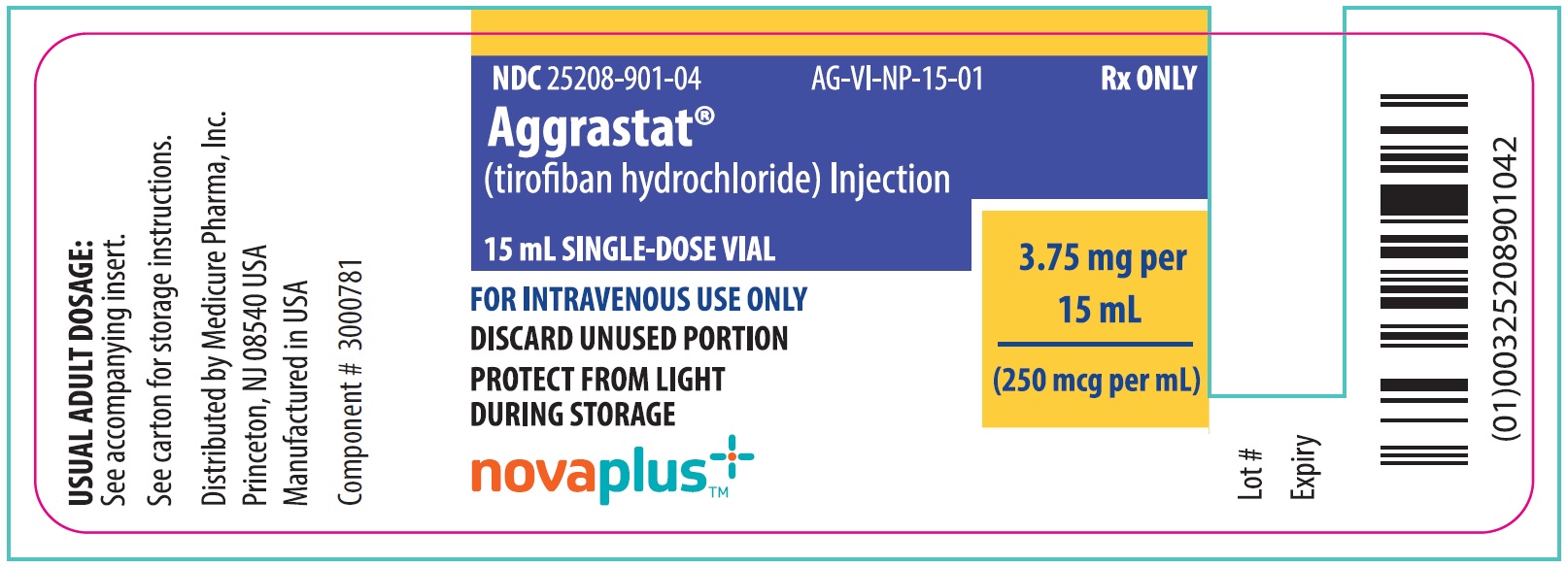
11Label 3.75 mg/15 mL - Bolus vial
15mL-label
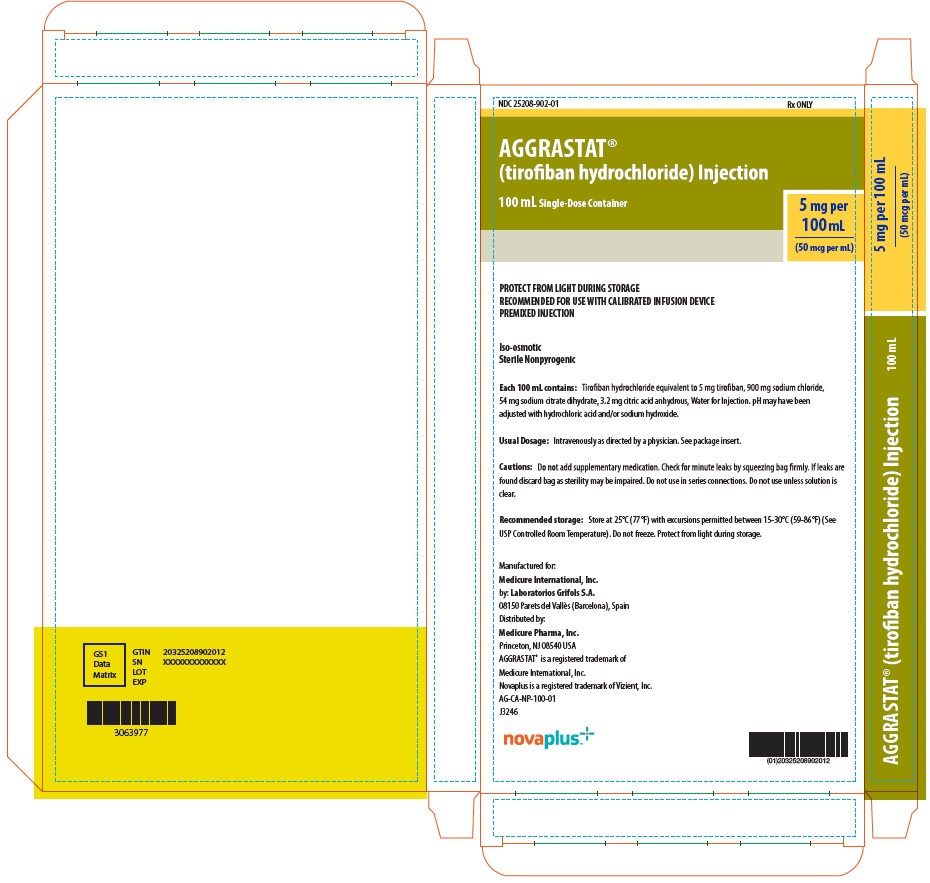
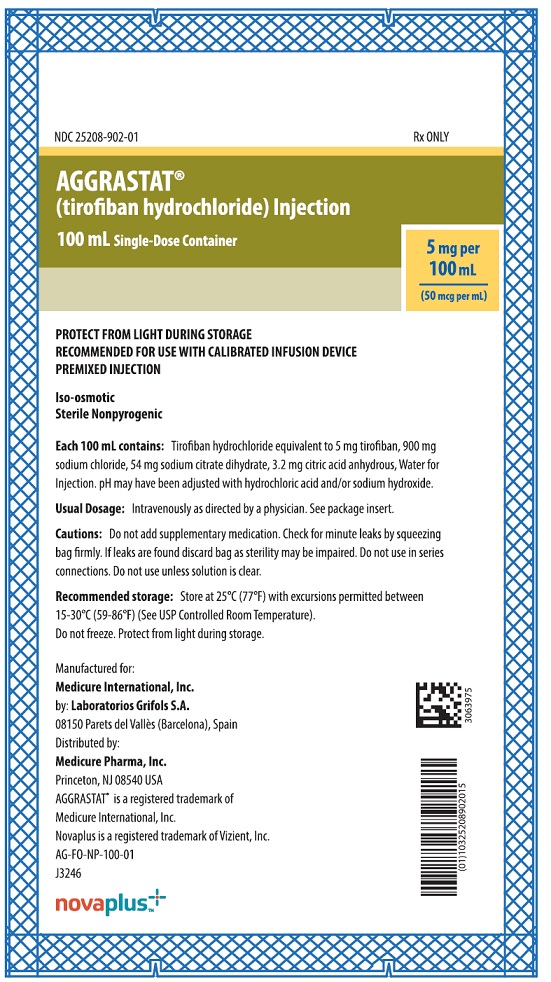
12Carton 5 mg/100 mL - Bag
carton5mg-100ml-bag
13Pouch 5 mg/100 mL - Bag
pouch-5-mg-100-ml-bag
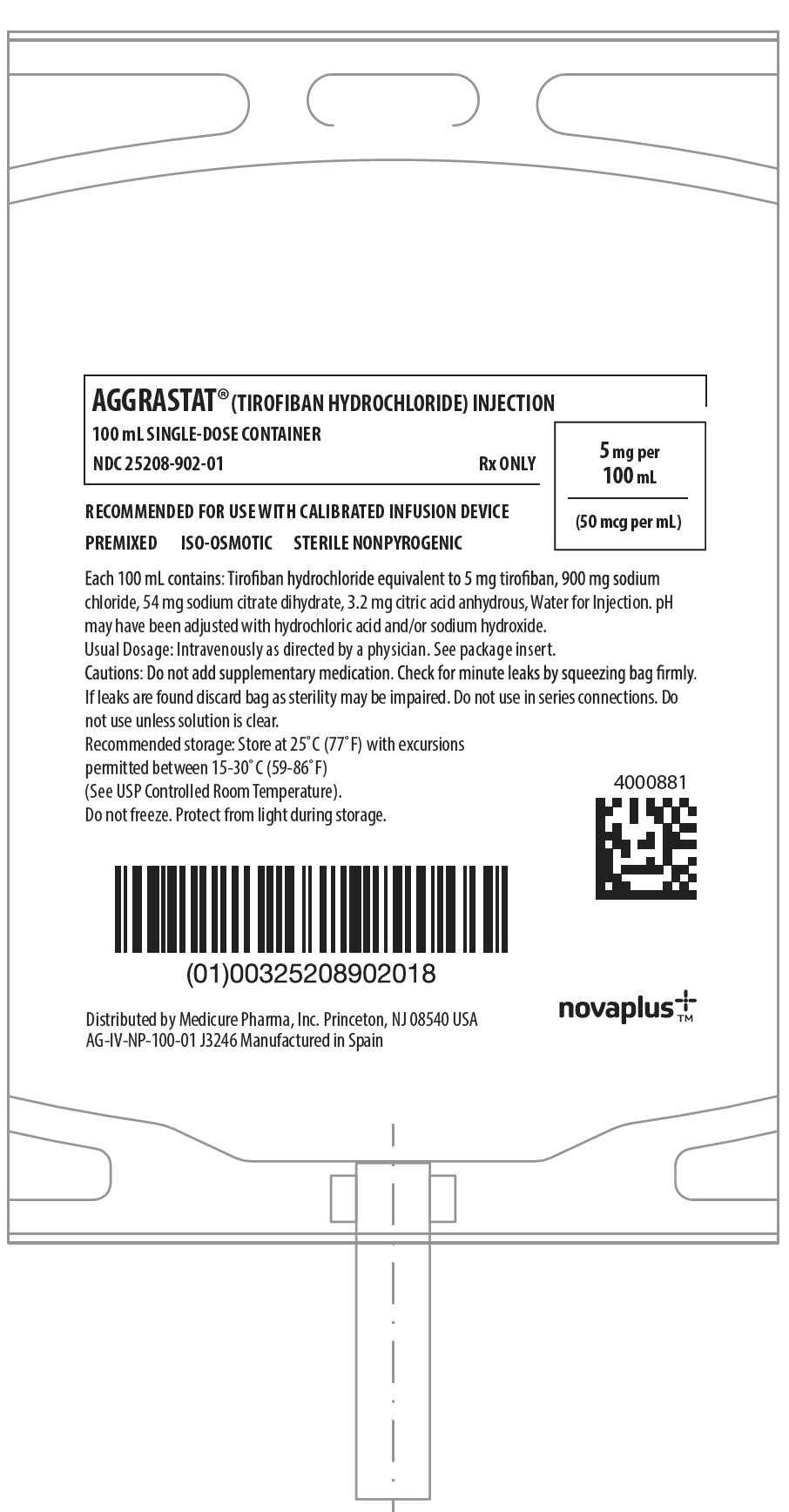
14Label 5 mg/100 mL - Bag
label-5-mg-100-ml-bag